

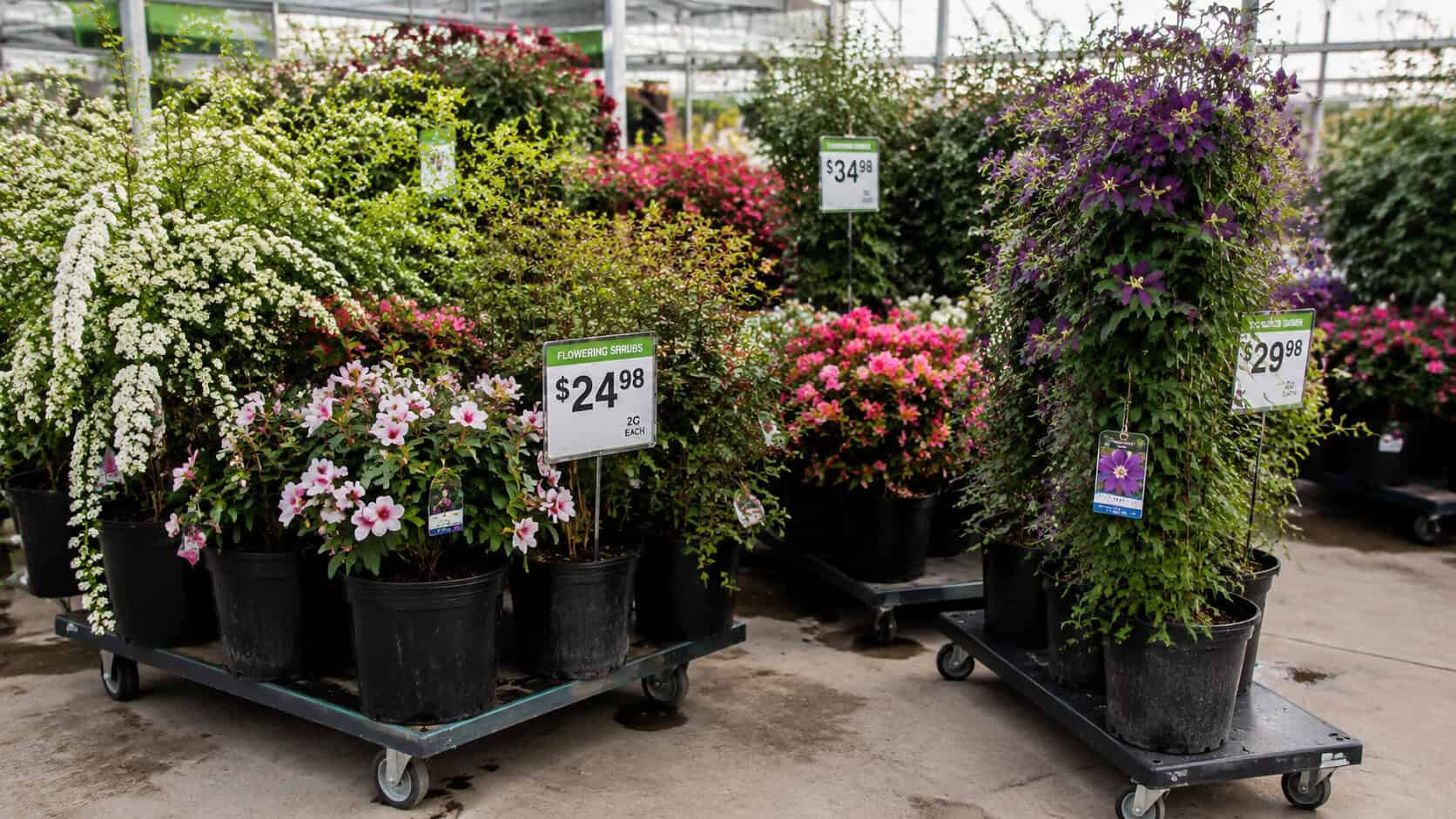
Walk into any garden center in April and the pretty stuff is up front. Purple wisteria drapes over the pergola display. Butterfly bush hums with bees. A rack of “fast-growing privacy” bamboo sits by the register, priced to move.
None of it comes with a warning label.
That’s the problem. The plants that sell best are often the ones that spread fastest, and the two traits aren’t a coincidence. A plant that fills a bed in one season looks like a bargain on the tag and a mistake three summers later.
Some of these are already banned in multiple states. Some can crack a foundation, void a mortgage, or start a fight with your neighbor. A few just refuse to die no matter what you pour on them.
Here are 32 plants garden centers keep pushing — and why you’ll regret bringing them home.
1. Butterfly Bush (Buddleja davidii)
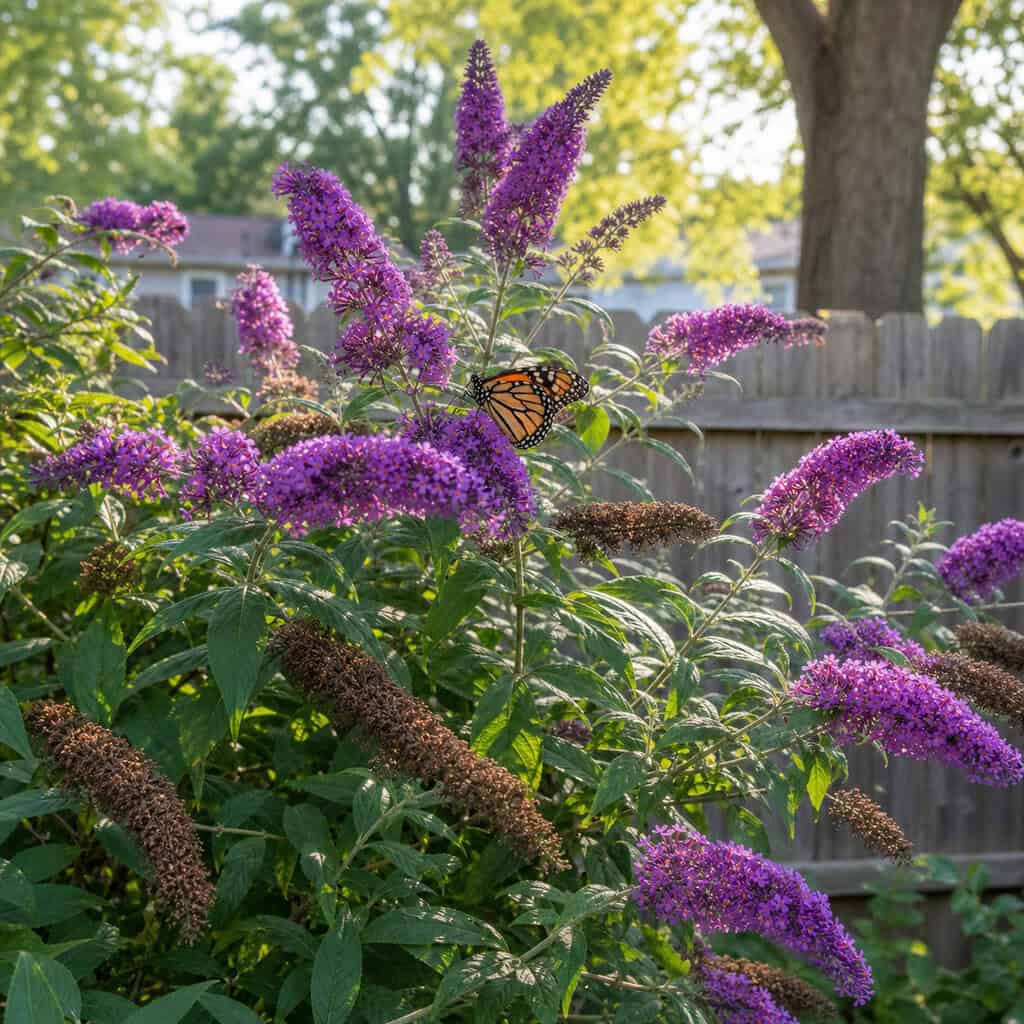
It’s sold as a pollinator plant. The tag shows a monarch on a purple spire, and the bees really do show up.
But adult butterflies sipping nectar isn’t the whole story. Their caterpillars can’t eat butterfly bush at all — it’s not a host plant for a single native butterfly larva in North America.
So it feeds the adults while starving the next generation. Meanwhile it self-seeds by the thousands and crowds out the milkweed and native shrubs those caterpillars actually need.
Plant something that feeds both stages. Hunker lists it among the plants to skip at the register, and native alternatives like buttonbush do the job without the seed rain.
2. Burning Bush (Euonymus alatus)

Nobody buys it in spring. They buy it in October, when the foliage turns that electric fire-engine red and nothing else in the yard comes close.
Then it seeds. Quietly, for years, into the woods behind the house.
Plenty of homeowners have the same story: had one for 30 years, never knew it was a problem. Massachusetts and New Jersey have both prohibited its sale, and it’s on the Mass.gov Prohibited Plant List.
The red is gorgeous. The spread isn’t worth it.
3. Japanese Barberry (Berberis thunbergii)
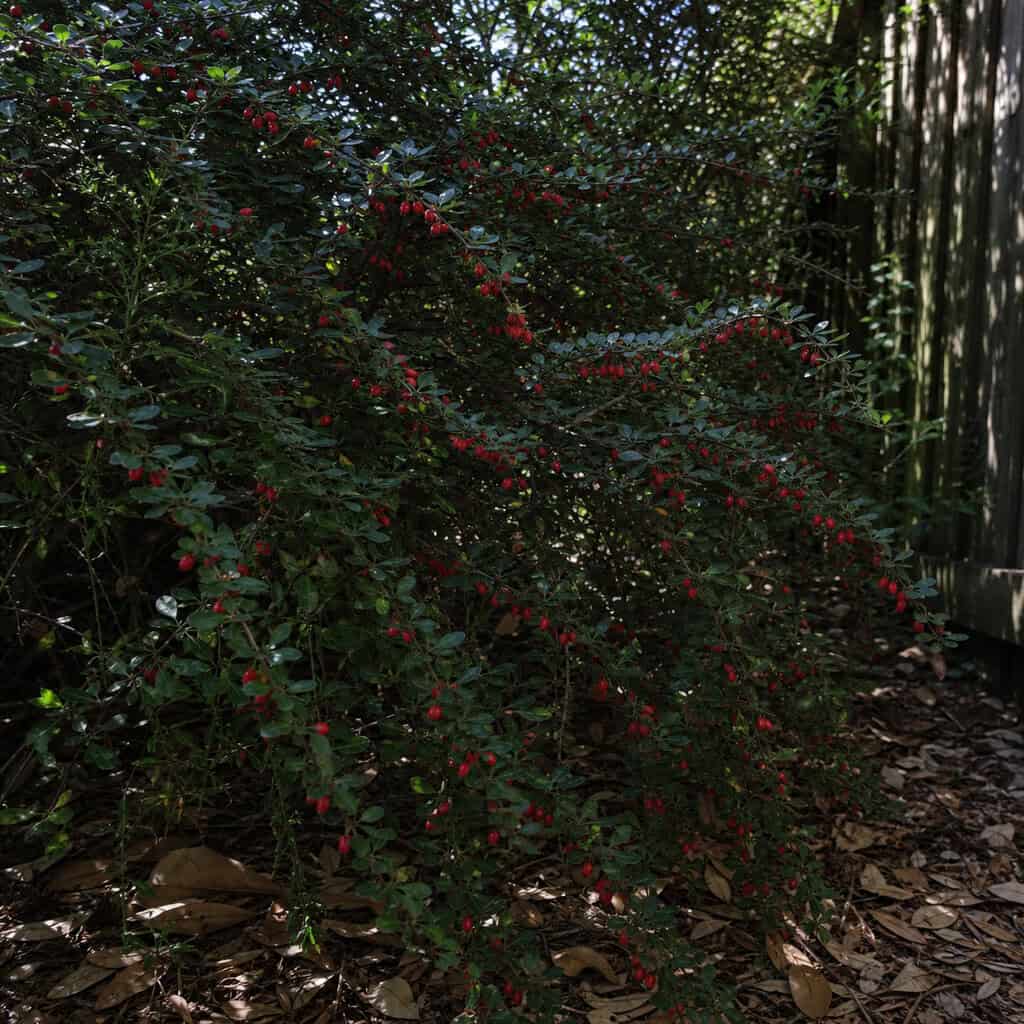
This one’s probably in more yards than anyone realizes. Cheap, thorny, deer-proof, and available at every garden center for decades.
The thorns are the trap. Dense barberry thickets hold humidity at ground level, and that microclimate is exactly what ticks love.
Studies have tied heavy barberry stands to higher tick numbers — and higher Lyme risk. That’s a health problem growing in the shrub border.
Some states now allow only sterile cultivars back on shelves. The old seeding kind is getting shown the door.
4. Callery / Bradford Pear (Pyrus calleryana)
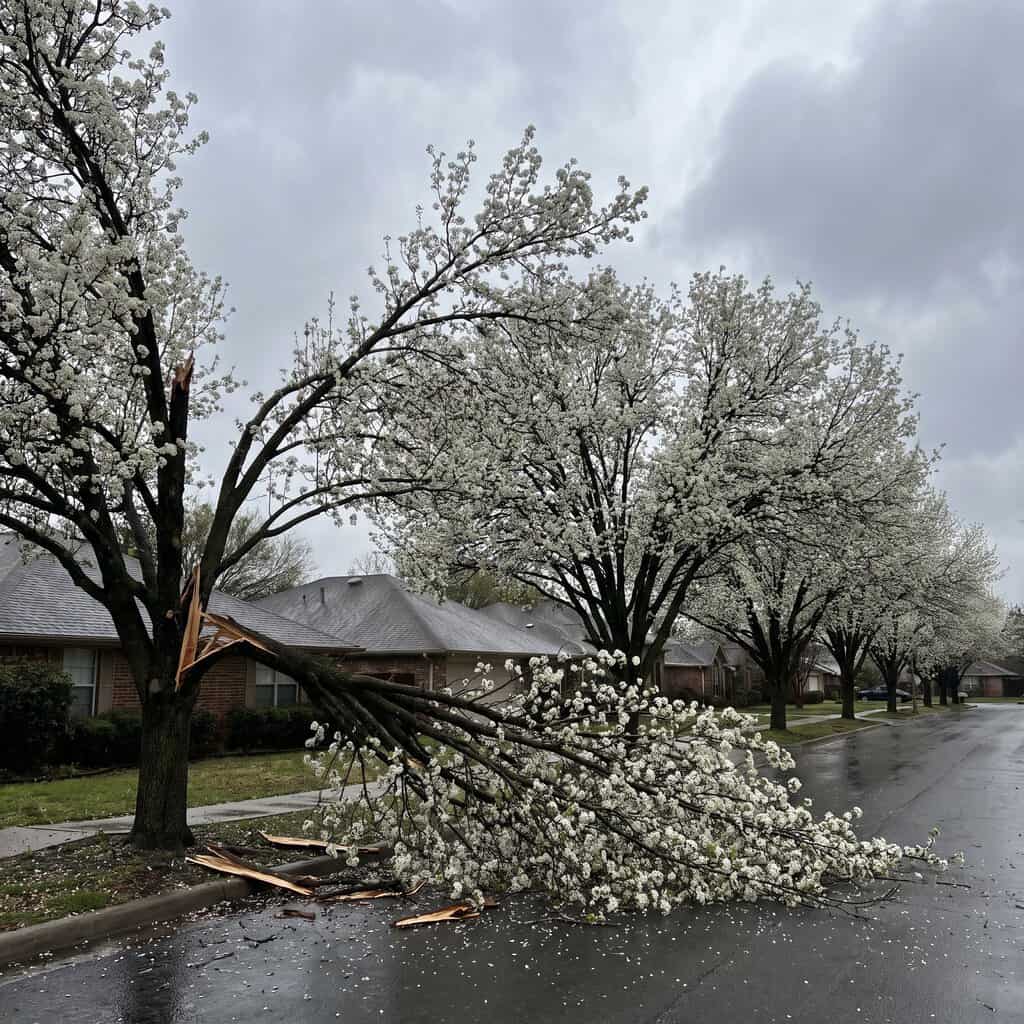
Once it was the street tree everyone wanted. Perfect oval shape, clouds of white spring bloom, planted down entire subdivisions.
Then people got close enough to smell it. The flowers reek — rotting fish is the usual comparison.
Worse, the branch structure is weak. Bradford pears famously split down the middle in the first big ice storm, sometimes at 15 years old.
It was sold as sterile, but different cultivars cross-pollinate and the offspring revert to thorny wild thickets. Ohio, South Carolina, and New Jersey have all moved to ban sales, as CBS News New York reported. Skip it.
5. Norway Maple (Acer platanoides)

Fast, dependable shade. That’s the pitch, and it’s true — which is the problem.
The canopy is so dense that grass won’t grow under it. The roots run shallow and greedy, pulling water and nutrients from everything nearby.
Nothing survives beneath a Norway maple. And the helicopter seeds carpet lawns and woods with seedlings every year.
It’s one of the most-planted shade trees of the last century and now sits on multiple state prohibited lists. Plant a native red maple or an oak instead.
6. Chinese & Japanese Wisteria (Wisteria sinensis / floribunda)
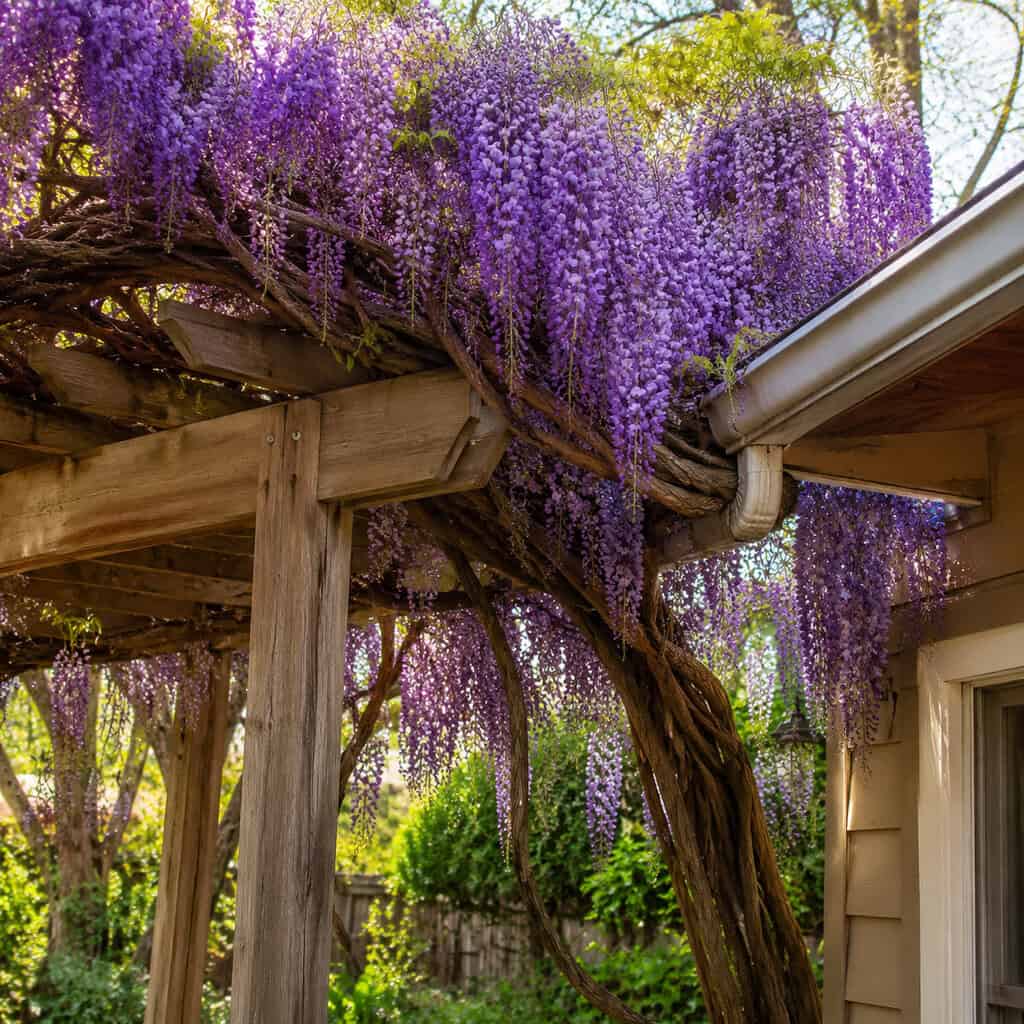
The photo sells it every time. Cascading purple blooms over an arbor, a scene straight off a postcard.
The reality is a vine that can reach 60 feet and thickens to the diameter of a small tree trunk. Left alone, it doesn’t decorate a structure — it dismantles one.
Wisteria climbs by twining, and it squeezes. It’ll girdle and kill a mature tree, then keep going.
The structural damage is where it earns its regret. Those woody stems worm into gaps under siding and behind gutters, and the sheer weight can pull a gutter run clean off the fascia. Roots seek moisture, which means they push toward foundation cracks, weep holes, and any weak spot in masonry — and once a root wedges into a hairline crack, it widens it a little more every season.
It also targets the wettest thing underground: your drains. Wisteria roots have been documented forcing into aging clay and joint gaps in sewer lines, and a root intrusion there is expensive to clear and re-line.
Removing an established plant is a multi-year war. Cut it to the ground and it resprouts from the crown and from runners you didn’t know existed; you have to keep cutting and treating the stumps through several seasons before it gives up. Tom’s Guide flags it among the backyard plants most likely to damage a home.
Want the look without the demolition? Plant native American wisteria (Wisteria frutescens). Same purple drape, a fraction of the aggression.
7. English Ivy (Hedera helix)
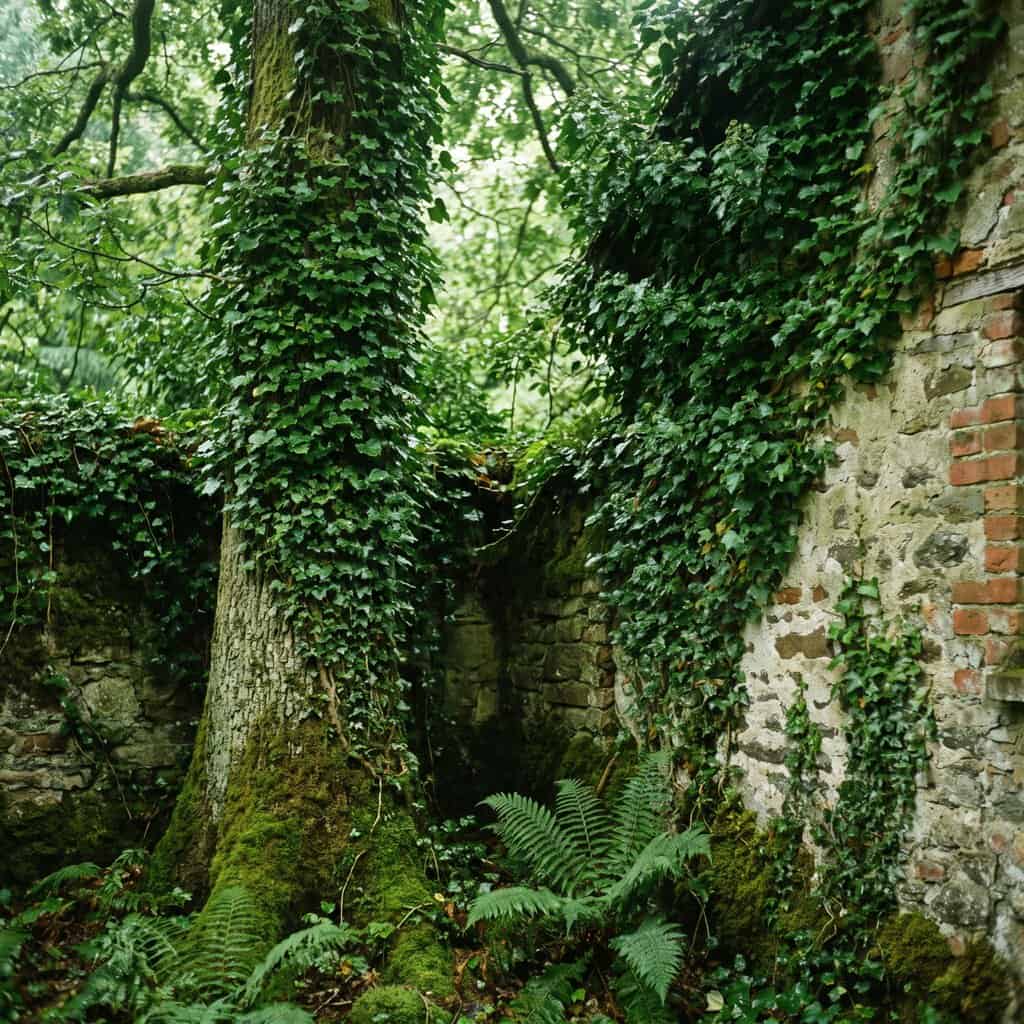
The impulse buy for a shady spot or a bare wall. It’s cheap, evergreen, and grows anywhere — which is the trouble.
On a wall, its clinging rootlets dig into mortar joints and under siding, and pulling it off later takes the surface with it. On a tree, it climbs to the crown, blocks light, and adds enough weight to topple the whole thing in wind.
It’s invasive across many states. Want a wall climber that behaves? Boston ivy turns red in fall and doesn’t smother trees, per Gardening Know How.
8. Trumpet Vine (Campsis radicans)

Hummingbirds love the orange trumpets. You will not love the vine that grows them.
It spreads two ways at once — by seed and by underground runners — and sends up suckers yards from the parent plant. Mow them, they come back.
The vine is heavy enough to pry apart fences and structures, and the foliage causes skin irritation for a lot of people. Once it’s established, full removal is close to impossible.
You’ll be fighting it long after you’ve forgotten why you planted it.
9. Morning Glory (Ipomoea spp.)

A packet of seeds and a trellis. Quick color for one summer, that’s the plan.
The plan doesn’t account for next summer, or the five after that. Morning glory self-seeds relentlessly and returns year after year, twining over and smothering whatever’s next to it.
It’s easy to confuse with bindweed, and honestly it behaves about the same. Positive Bloom lists it among the flowers gardeners most regret sowing.
Cheerful, yes. Temporary, no.
10. Purple Loosestrife (Lythrum salicaria)

The textbook case of the perennial that ate the Northeast. Tall magenta spires, still sold as an ornamental in some places despite bans in many states.
A single plant can throw over two million seeds a year. They land in wetlands and ditches and choke out cattails, sedges, and everything native.
Waterfowl and marsh life lose their habitat to a wall of purple. Want the color legally? Blazing star (Liatris) gives you the same vertical spike without the ecological wreckage.
11. Yellow Flag Iris (Iris pseudacorus)

The default answer to “what do I plant in the wet spot?” Ponds, rain gardens, boggy corners — it thrives where nothing else will.
That’s exactly why it becomes a regret. It forms dense colonies that choke shorelines and edge out anything else at the water’s edge.
Every part of it is poisonous, and the sap irritates skin. Blue flag iris and pickerelweed handle the same wet ground without the takeover, notes the Almanac.
12. Japanese Knotweed (Reynoutria japonica)

This is the heavyweight. If invasive plants had a most-wanted poster, knotweed’s face would be on it.
It grows up to three inches a day in peak season. The rhizomes underground can run up to 70 feet from the visible cane, and they don’t just spread — they exploit weakness.
Knotweed pushes into cracks in foundations, drainage pipes, retaining walls, and paving. It doesn’t crack solid concrete for fun, but it finds existing gaps and drives them wider, and it’ll come up through a hairline seam in a patio or a basement floor.
That property-damage angle isn’t theoretical. In the UK, disclosed knotweed can affect whether a bank will even issue a mortgage, and lenders here are increasingly wary. It shows up in home inspections and can knock real money off a sale price.
Then there’s remediation. You can’t dig it out casually — a fragment the size of a fingernail can regrow into a full plant, so contaminated soil is treated as controlled waste in many places. Professional removal by excavation or a multi-year herbicide program routinely runs into the thousands, and DIY attempts usually spread it further, as Groundworks details.
If a garden center is still selling this, walk out. The USDA’s National Invasive Species Information Center keeps species lists worth checking before any big planting. Never buy it.
13. Running Bamboo (Phyllostachys spp.)
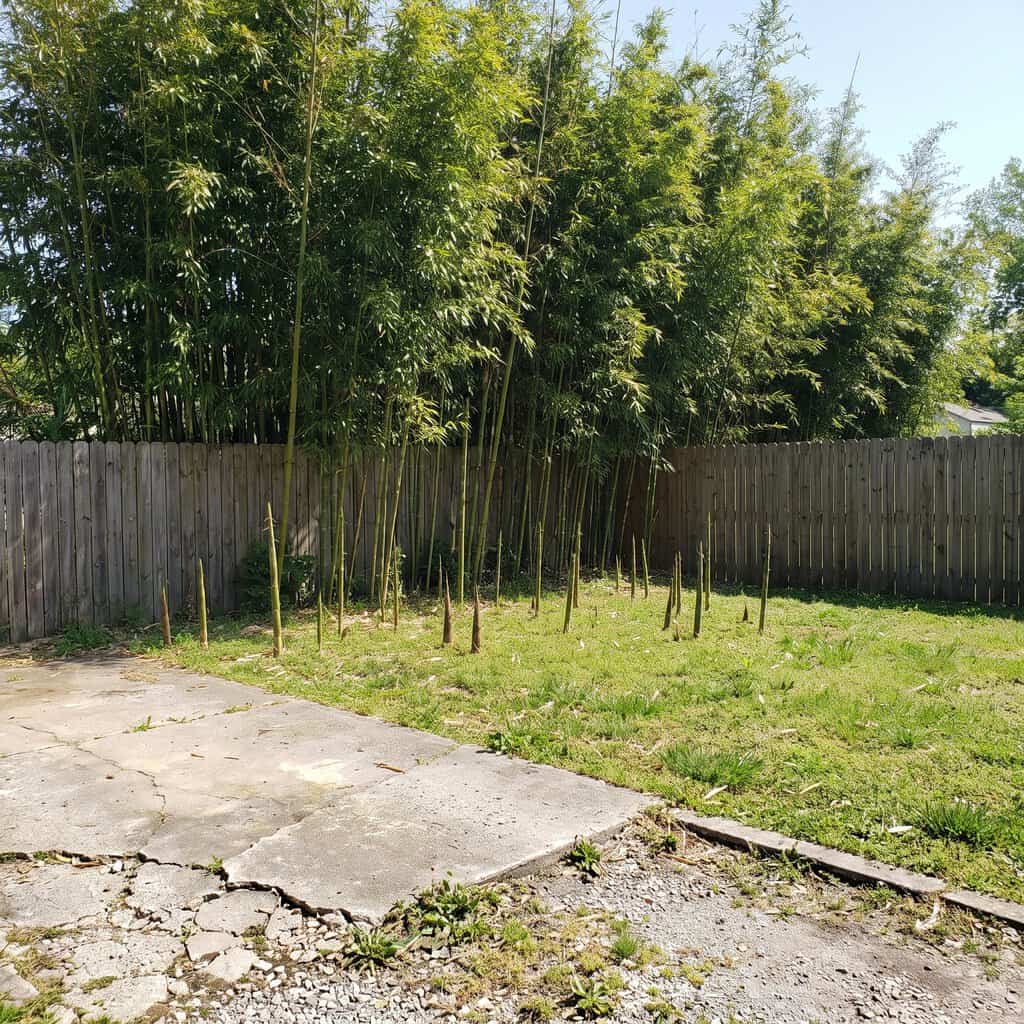
Sold for one reason: an instant privacy wall. It’s marketed as if all bamboo is the same, and it absolutely is not.
Running bamboo spreads by rhizomes that shoot horizontally underground, and they do not respect property lines. They travel under fences, under driveways, and into your neighbor’s yard — where new canes erupt through the lawn.
That’s how bamboo becomes a lawsuit. There are documented cases of neighbors suing over runners that damaged patios and crossed boundaries, and some towns now hold you liable for containing it.
The rhizomes can lift and crack driveways, walkways, and pool decks as they expand. Removal means digging out every last root fragment, because a missed piece just starts over.
If you want bamboo, there are two safe routes. Install a heavy-duty root barrier — a thick HDPE panel buried a couple of feet deep around the entire planting — or skip running types entirely and buy clumping bamboo, which stays put. The Cool Down has covered the growing list of restricted spreaders. Barrier or clumping only.
14. Mint (Mentha spp.)
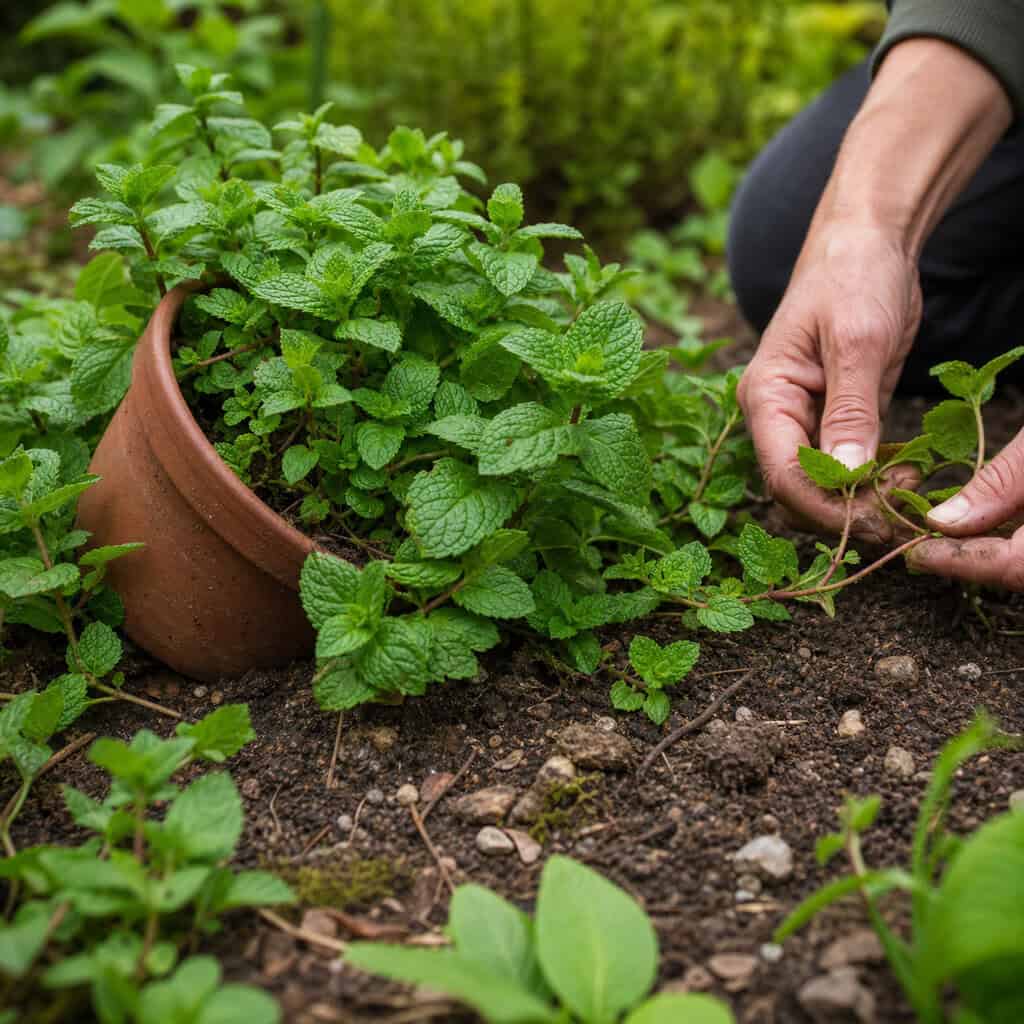
Everybody’s first mistake. One little four-inch pot from the herb rack, tucked into the corner of a bed.
By August it owns the corner. By next year it owns the bed.
Mint spreads by underground runners that surface anywhere, and pulling it just breaks the roots into more plants. Gardening.org puts it high on the instant-regret list for good reason.
The rule is simple. Never plant mint in the ground — only in a container, and ideally one raised off the soil so runners can’t escape over the rim.
15. Gooseneck Loosestrife (Lysimachia clethroides)
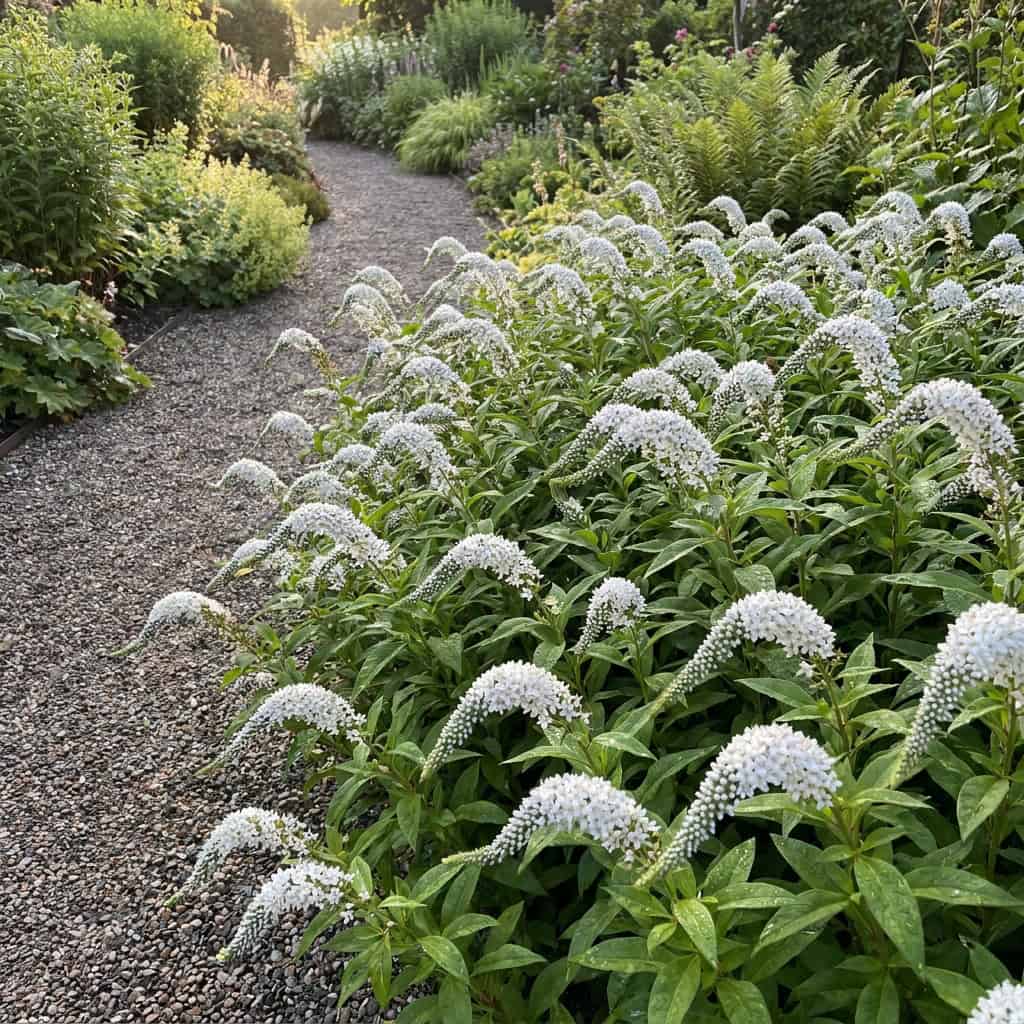
Those arching white flower spikes really do look like a flock of geese. Charming in a bouquet, and that’s how it gets you.
Underground, it spreads by aggressive rhizomes into a solid colony. Lawn, driveway edge, the neighbor’s bed — it doesn’t stop at the label’s suggested spacing.
It’s not the same plant as purple loosestrife. It behaves nearly as badly.
Cut flowers, sure. Just grow it in a buried pot or don’t grow it at all.
16. Obedient Plant (Physostegia virginiana)
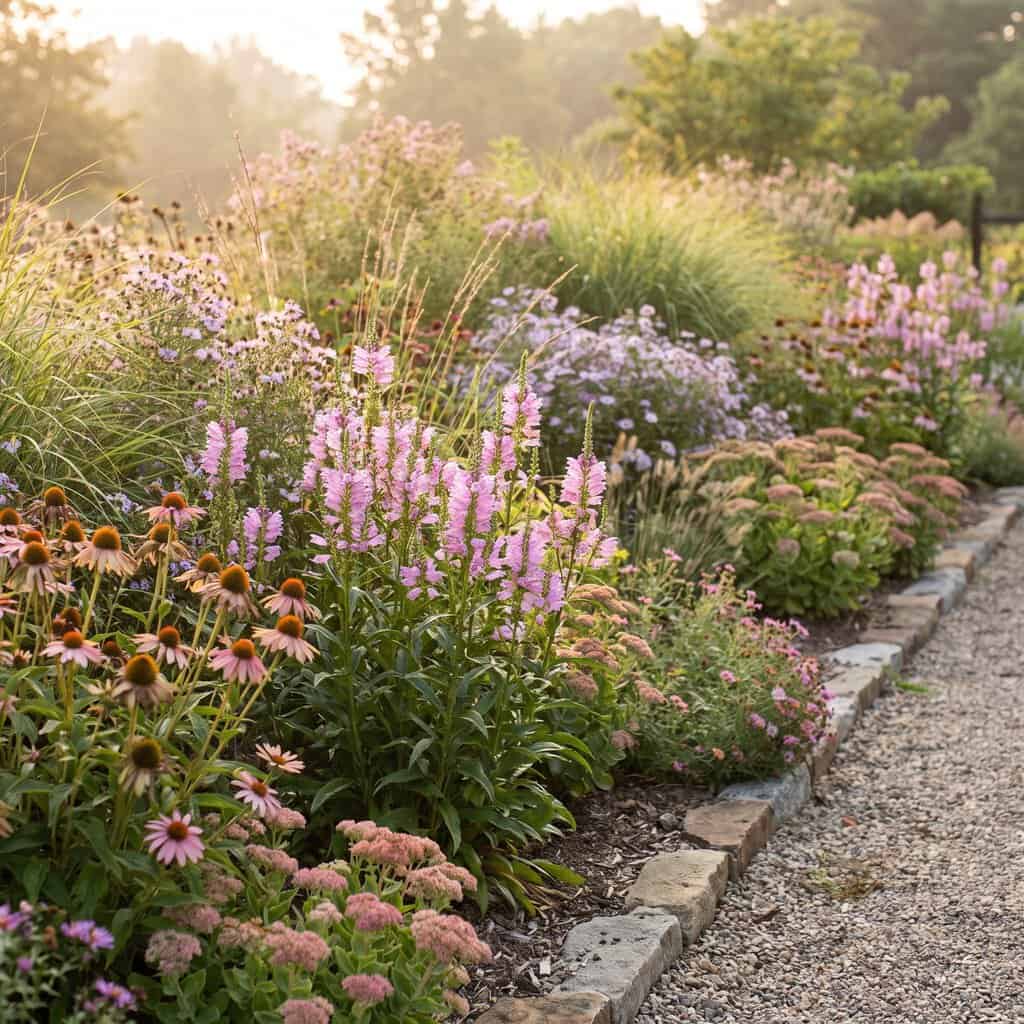
Peak naming irony. The “obedient” refers to the flowers — you can bend them and they stay put — not to anything about how the plant grows.
It’s actually a runaway. It spreads by both underground runners and seed, and within a few years it turns up all over the garden.
It’s native, which fools people into thinking it’s safe to ignore. Native doesn’t mean polite.
If you want the pink spikes, hunt down the cultivar ‘Miss Manners.’ It lives up to the name the species doesn’t, per Fafard.
17. Ribbon Grass (Phalaris arundinacea)
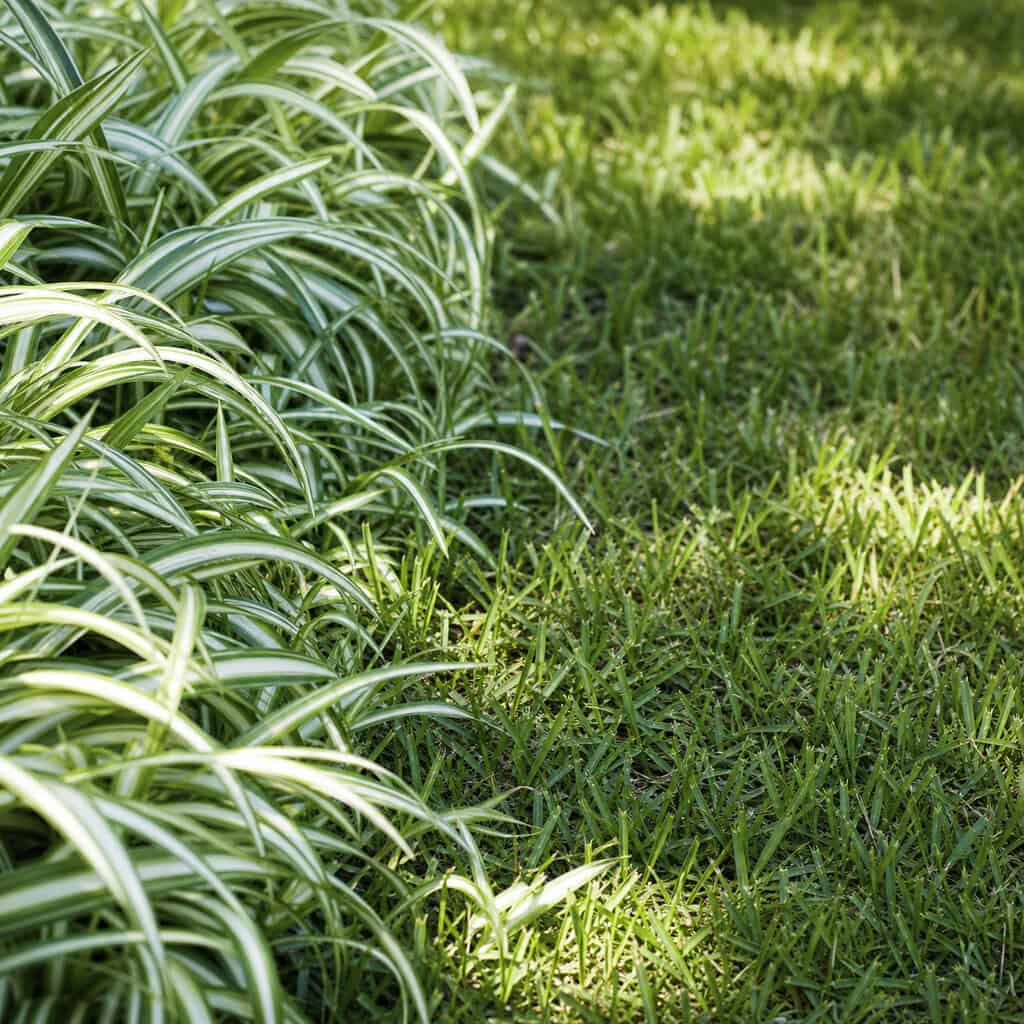
Bright white-and-green striped blades, sold as a tidy little accent grass. It is not tidy and it will not stay an accent.
It creeps into the lawn and refuses to die. Gardeners report it surviving concentrated herbicide, sheet plastic, thick mulch — all the nuclear options.
It’s one of the most notoriously unkillable spreaders you can buy. Once it’s in, you’re managing it forever, not removing it.
Some regrets you replant over. This one you just live with.
18. Chinese Silver Grass / Maiden Grass (Miscanthus sinensis)
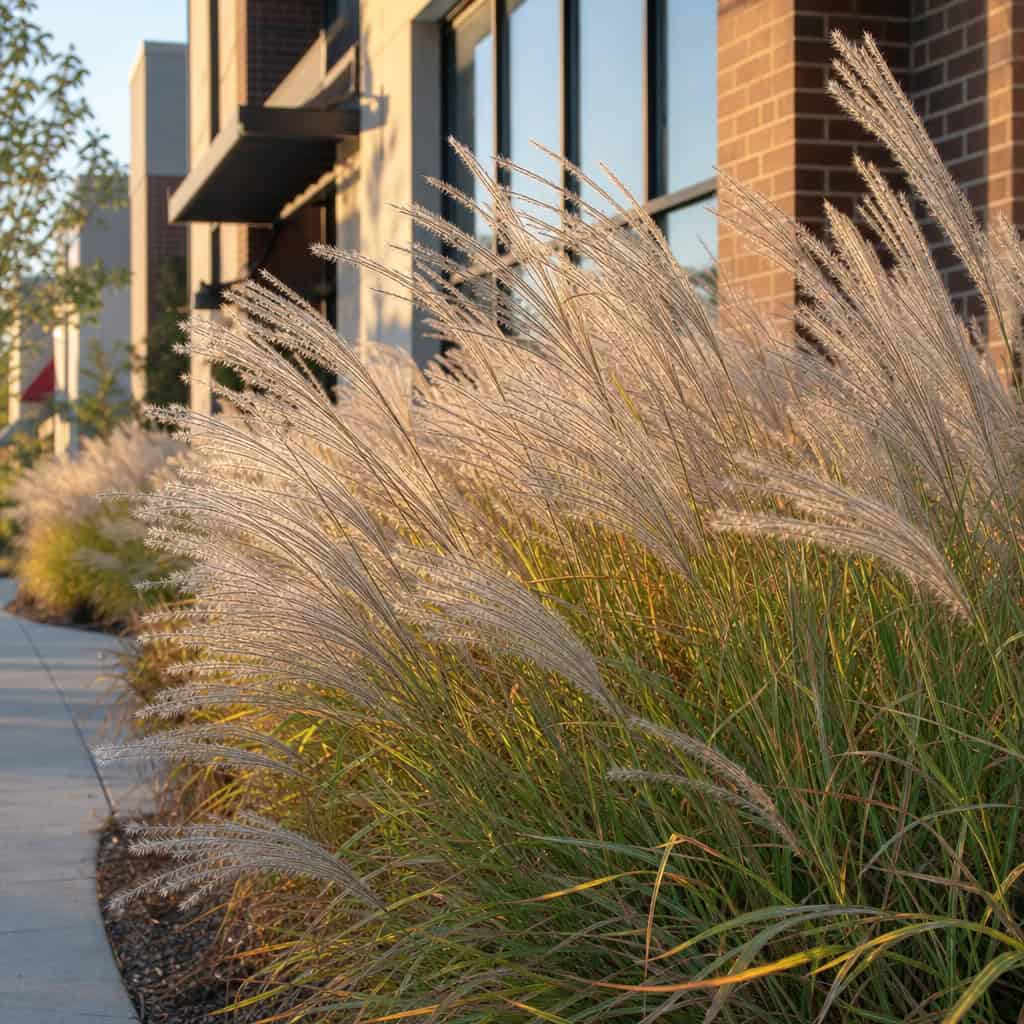
You’ve seen it swaying in front of half the office parks and strip malls in the country. Tall, feathery, architectural — the go-to ornamental grass.
The plumes are the problem. They release seed that drifts into wild areas and establishes far from where anyone planted it.
New York now allows only sterile cultivars, and New Jersey has prohibited it outright. If you must have the look, verify the tag says sterile.
Coverage of the tightening rules, including Vermont Invasives, shows where this is headed.
19. Orange Daylily / Ditch Lily (Hemerocallis fulva)
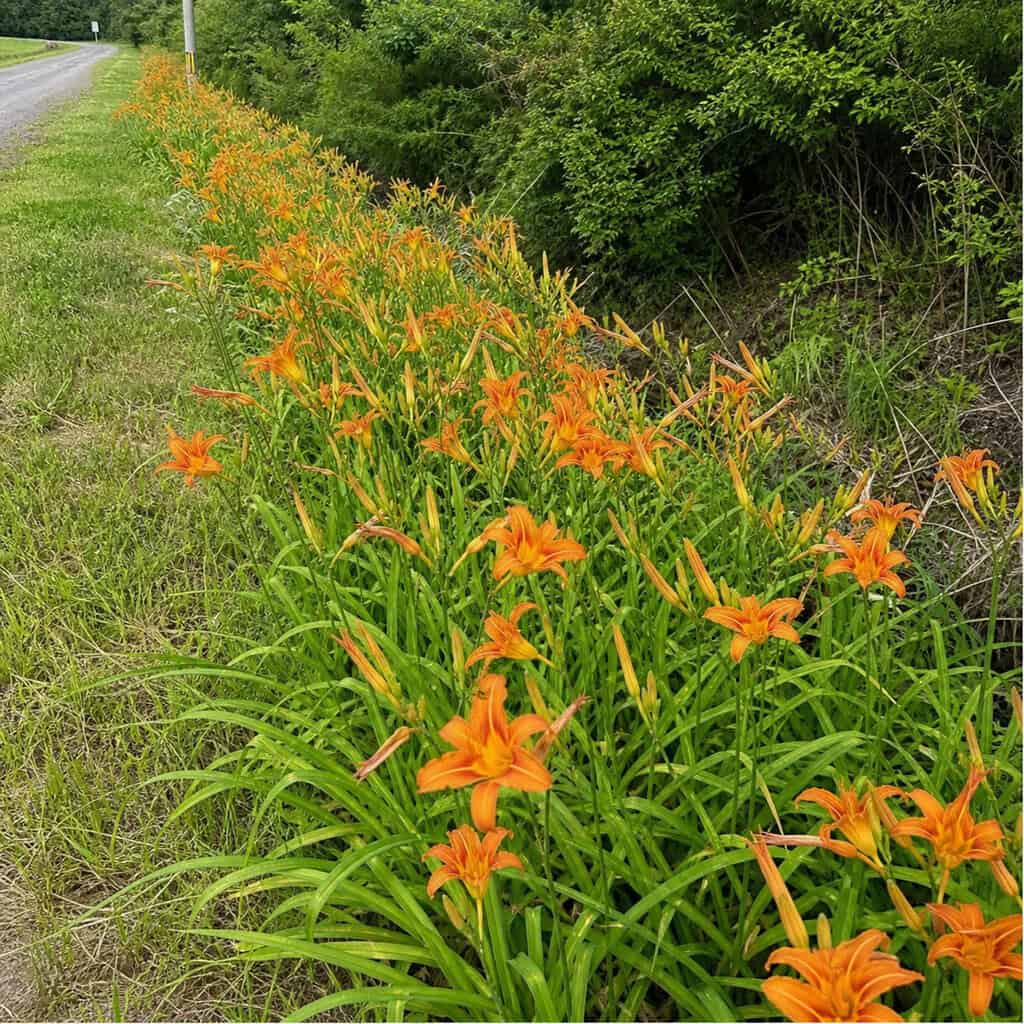
Not the fancy hybrid daylilies. The plain orange one you see blanketing roadside ditches every July.
It gets passed along for free because it’s “indestructible.” That’s precisely the warning.
The thick tuberous roots form dense colonies, and digging one out means excavating a mat of fingerlike tubers where a single missed piece restarts the whole thing. A free plant that costs you years of digging isn’t free.
Real daylily hybrids clump and stay put. The ditch lily conquers.
20. Lily of the Valley (Convallaria majalis)

The scent is the whole appeal. Tiny white bells, heirloom charm, grandma’s shade garden in a smell.
It spreads by underground runners into a dense mat that’s brutal to eradicate. Once it carpets a bed, native wildflowers don’t stand a chance underneath.
And every part of it is poisonous — a real concern with kids or pets, since the berries look tempting. Beauty and hazard in the same plant.
Enjoy it in a controlled, contained spot far from where anyone might nibble.
21. Periwinkle / Vinca (Vinca minor & major)
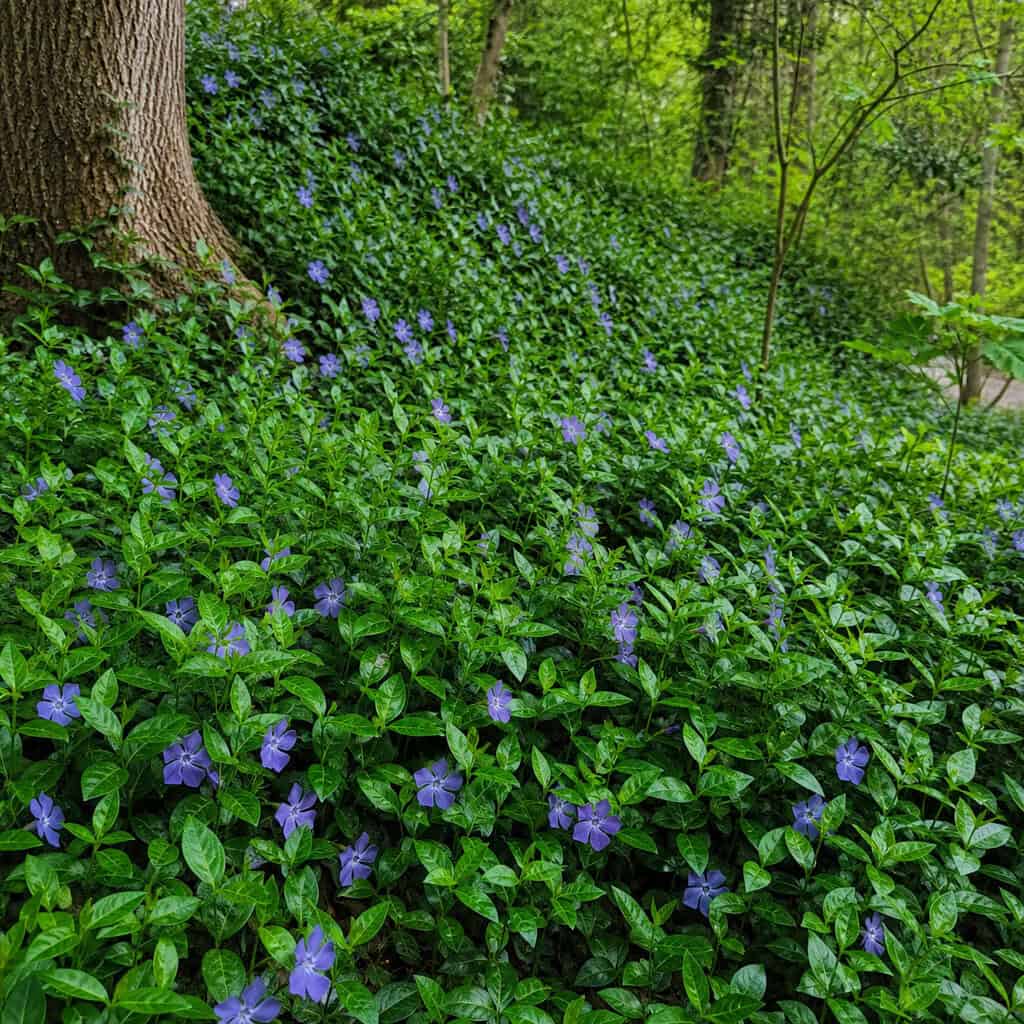
The default answer for a shady slope you don’t want to mow. Glossy evergreen leaves, little blue flowers, can’t-fail coverage.
That coverage doesn’t stay on your slope. It creeps into woodland by trailing stems and seed, forming mats that block native wildflowers from ever emerging.
Purdue Extension flags it as a high-potential invasive to think twice about — worth trusting, since university extension offices have no product to sell you. See the Purdue Extension guidance on spreading plants before you carpet a hillside.
For a slope, native wild ginger or foamflower do the job with a conscience.
22. Creeping Jenny (Lysimachia nummularia)
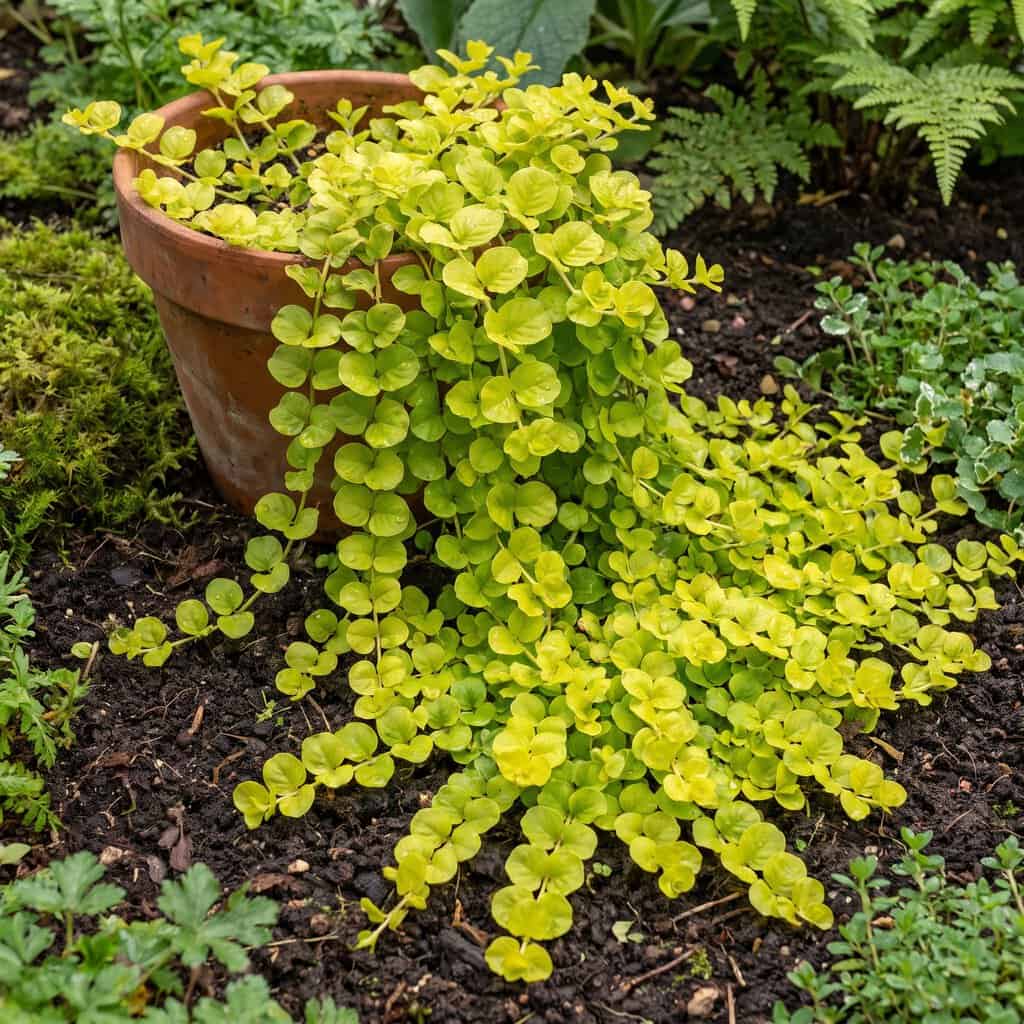
In a hanging basket, the golden trailing foliage is genuinely lovely. That’s where it should stay.
Put it in the ground and it roots wherever a stem touches soil. It forms mats that smother seedlings and small perennials, and it’s listed as invasive in states including Massachusetts, Virginia, and Indiana.
The verdict here is easy. Keep it in pots, period.
The moment a runner reaches bare earth, you’ve lost the border, warns Homes & Gardens. Containers only.
23. Wintercreeper (Euonymus fortunei)
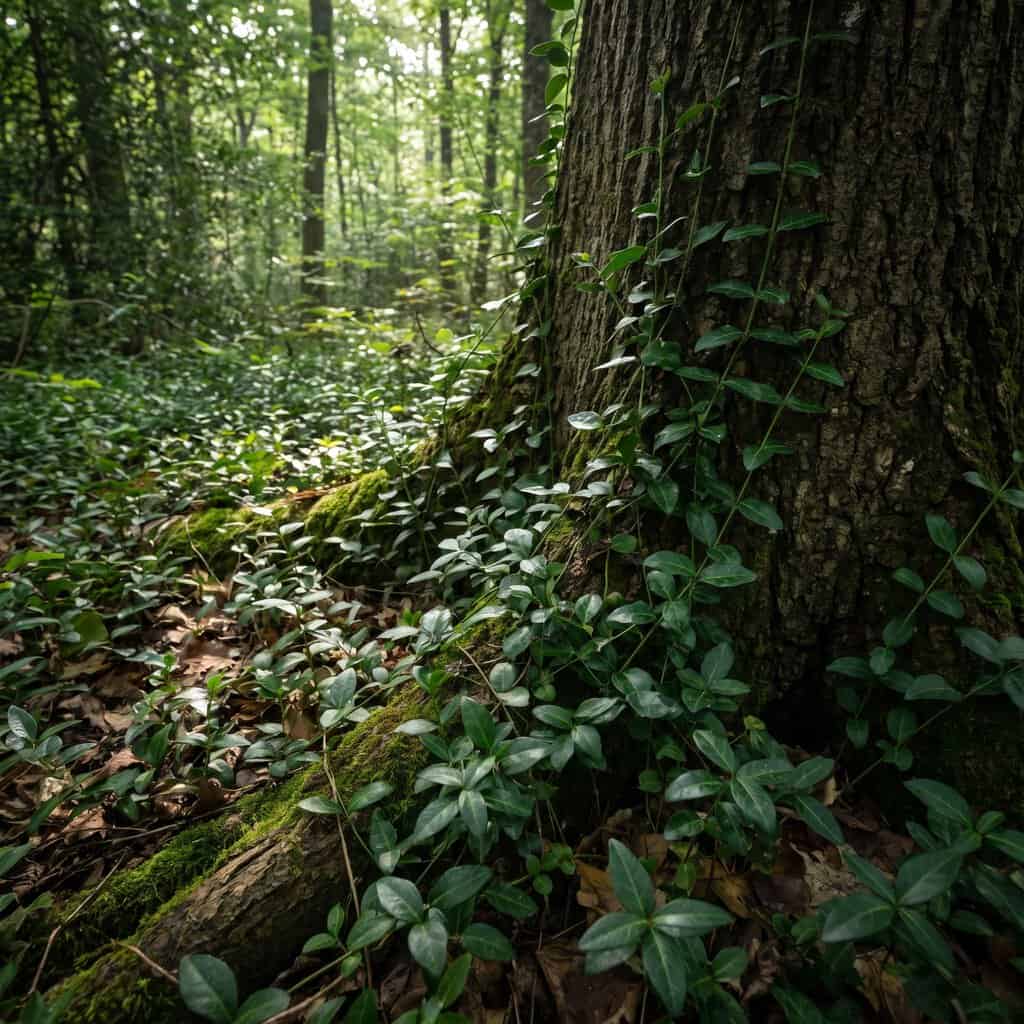
Marketed as a neat evergreen carpet for problem spots. It doesn’t stay a carpet.
Like ivy, it climbs — up trees, up walls, shading out natives as it goes. It spreads by runners and by seed, so it’s coming at you from two directions.
Once it’s rooted in, it’s one of the hardest ground covers to remove. You’ll be pulling it out of the tree bark for years.
A tidy label hiding a not-tidy plant.
24. Chameleon Plant (Houttuynia cordata)
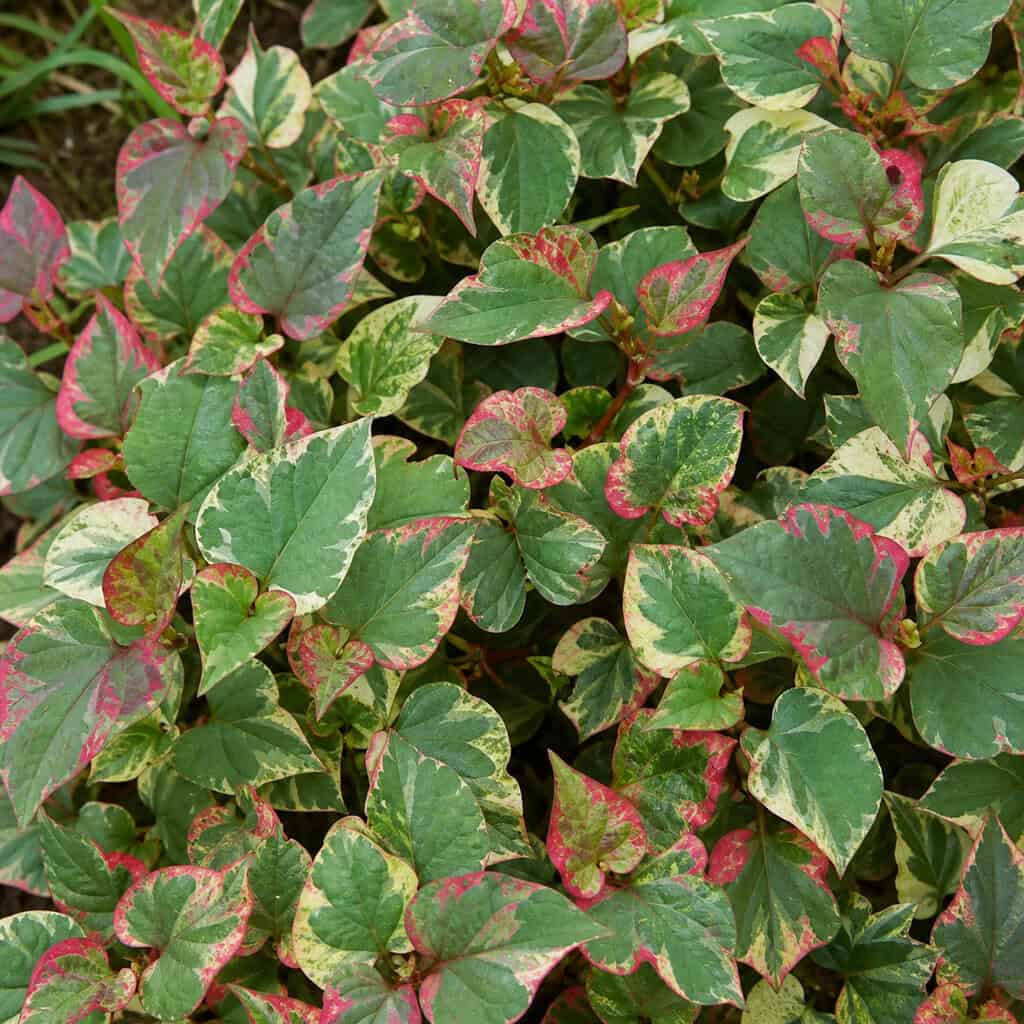
The variegated heart-shaped leaves — green, cream, pink, red — show up as a trendy foliage plant. They earn their name; they’ll change your whole garden.
The roots go deep and run everywhere, and they resist digging, smothering, and weed killer alike. A former garden-center employee has called it her single biggest planting regret.
That’s a warning worth hearing from someone who sold plants for a living. Gardening Know How collects several such confessions.
Pretty leaves, permanent problem.
25. Bishop’s Weed / Goutweed (Aegopodium podagraria)
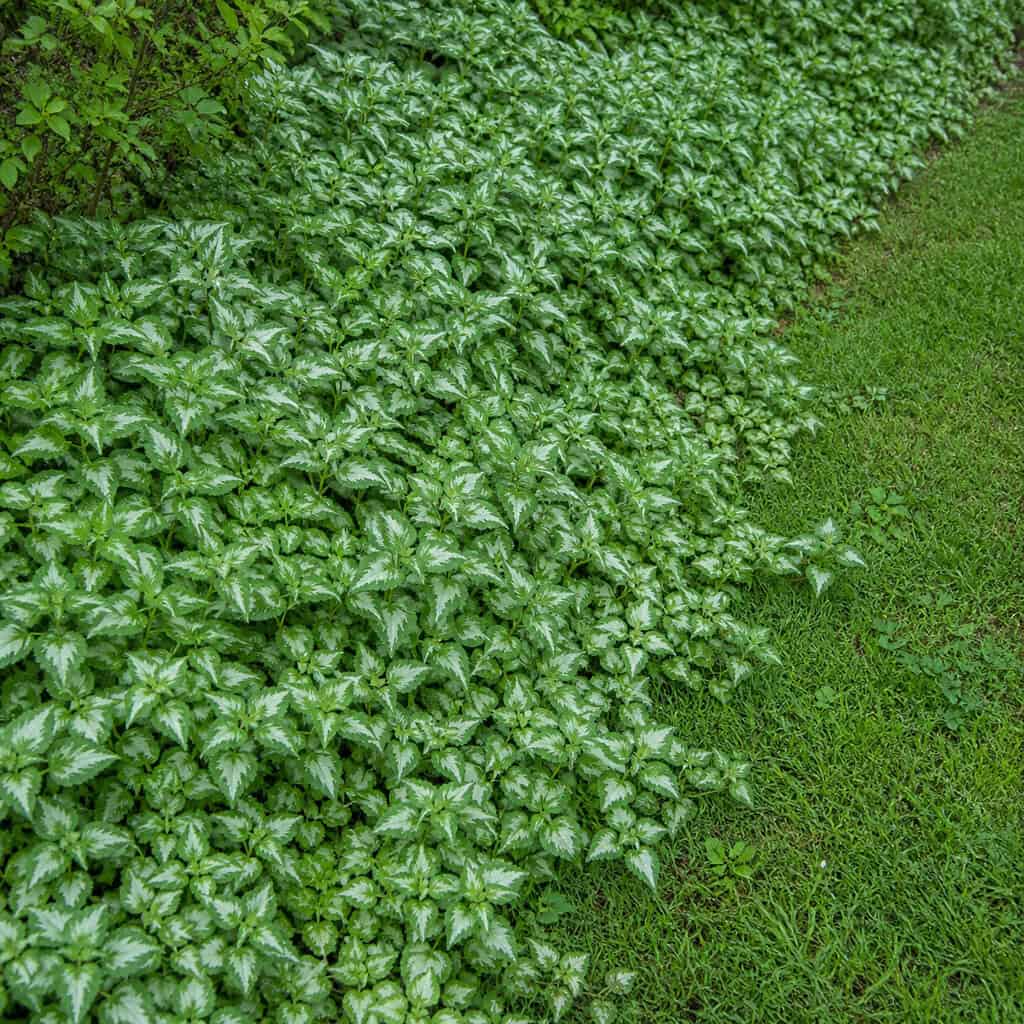
Sold — often in a soft green-and-white variegated form — as the perfect fill-a-shady-spot ground cover. It fills it, then keeps filling.
Two clumps become a lawn full of sprouts in a couple of seasons. Pull the original and volunteers keep coming back from root scraps you couldn’t see.
It’s a constant-chore plant. You don’t garden with it, you battle it.
Some spreaders you can outlast. This one outlasts you.
26. Nandina / Heavenly Bamboo (Nandina domestica)
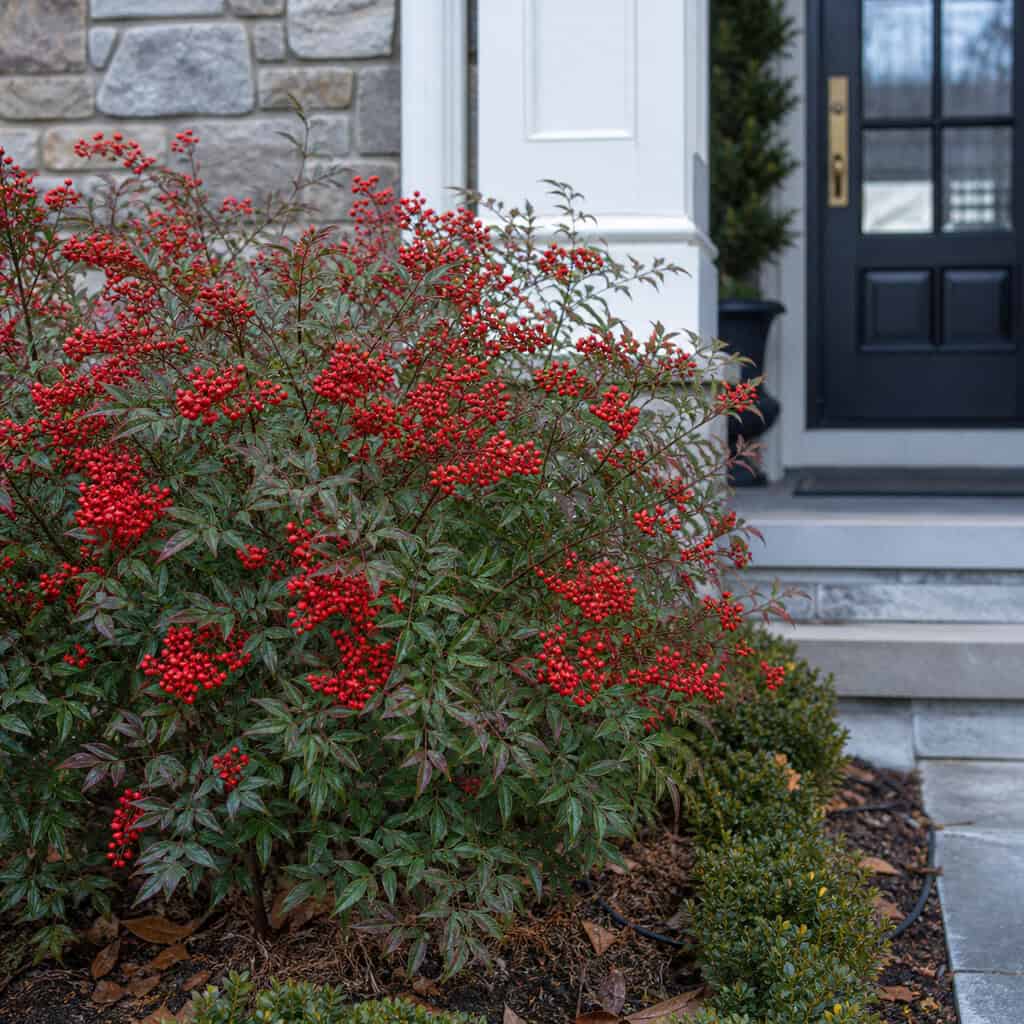
Year-round color, bright red winter berries, tough as nails. On paper, the perfect easy shrub.
It colonizes by root and by seed, and it’s naturalized across large swaths of the South and beyond. The berries are the darker note.
They contain compounds that can be toxic to birds — cedar waxwings, which gorge on them in flocks, have been found dead from cyanide poisoning after feeding. A shrub sold for “wildlife interest” that can kill the wildlife.
Epic Gardening flags it among the invasives still sitting on shelves. There are berry-free sterile cultivars if you love the foliage.
27. Lantana (Lantana camara / strigocamara)
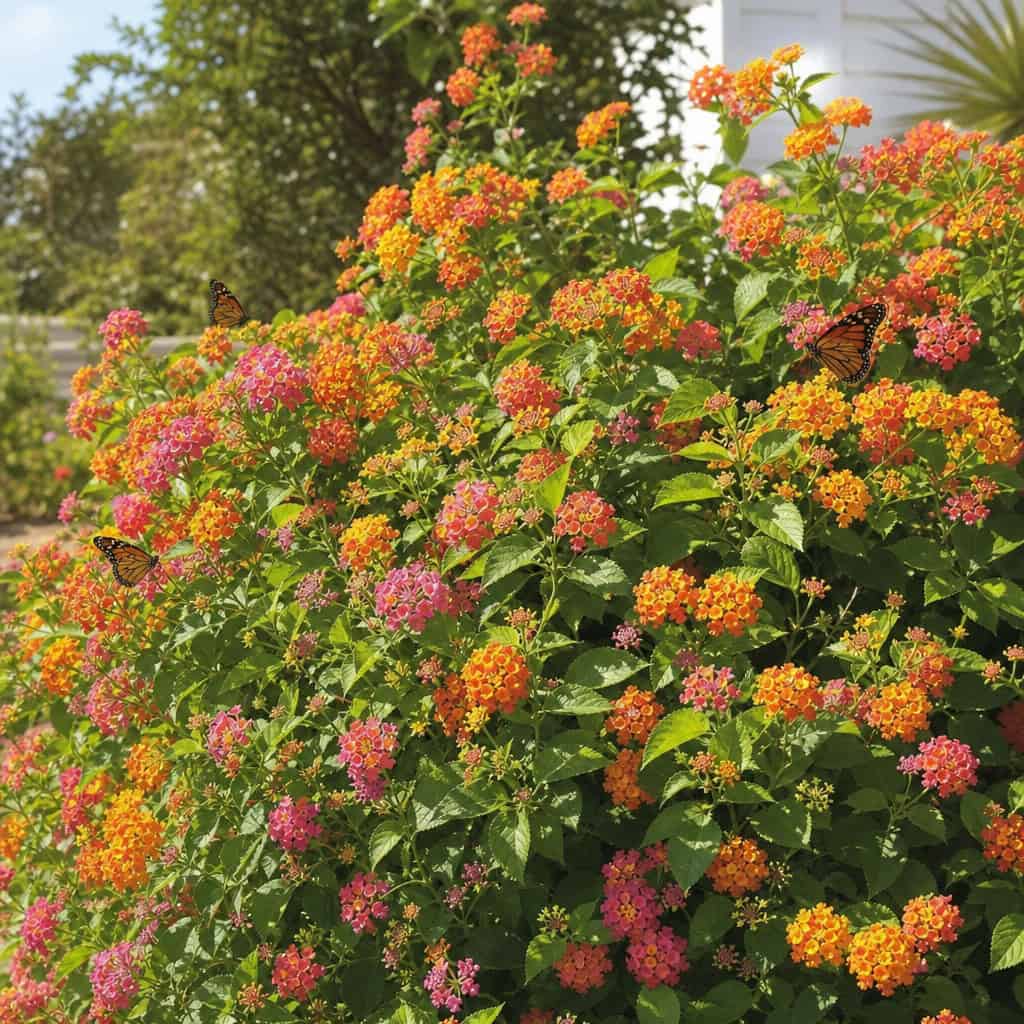
A big-box favorite, especially across the South. Heat-proof, nonstop bloom, butterflies everywhere — an easy sell.
The trouble is the warm winters. Where it never goes dormant, it grows into thickets that crowd out native plants and take over disturbed ground.
The berries and foliage are also toxic to pets and livestock. It’s flagged among Florida’s most-pushed invasives, according to House Digest.
In a cold-winter zone it dies back and behaves. In the Sunbelt, it doesn’t.
28. Autumn Olive (Elaeagnus umbellata)
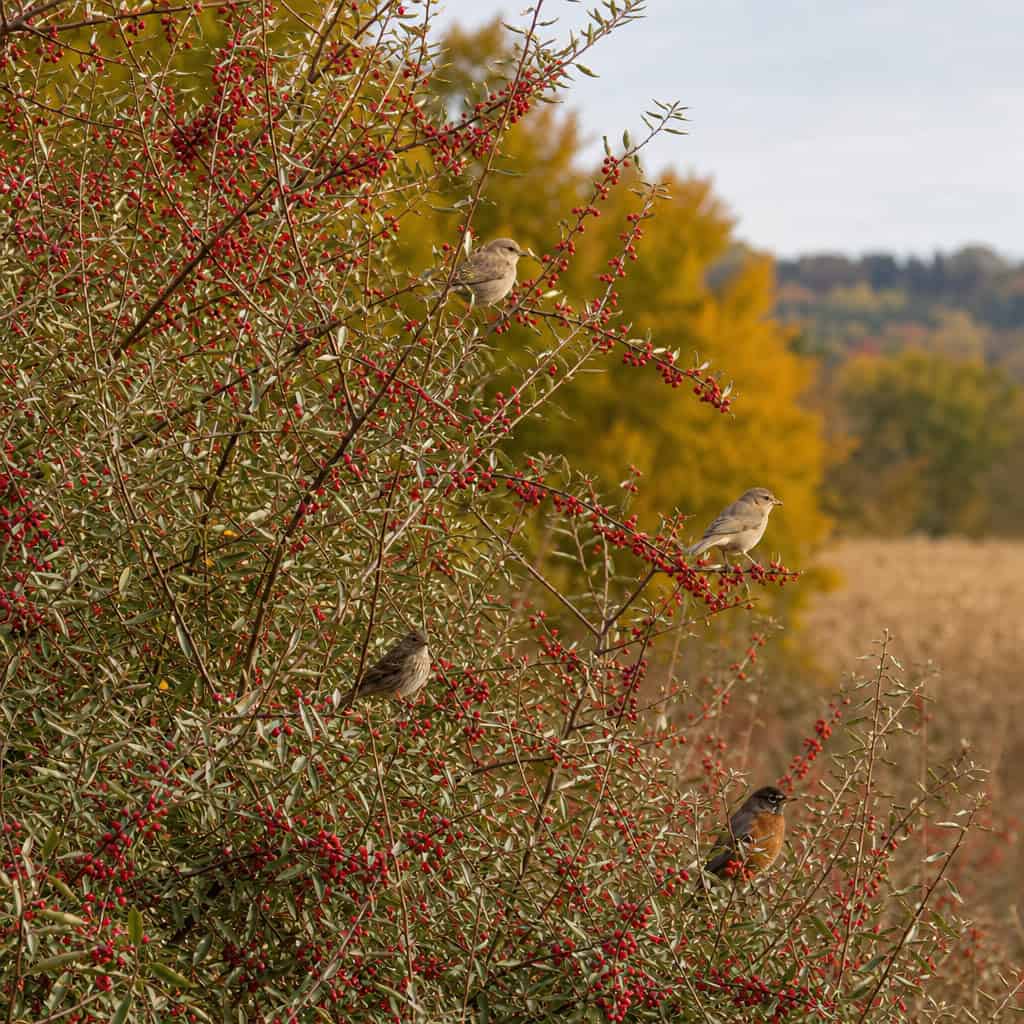
It shows up in “wildlife” seed packages and gets sold for erosion control. Feed the birds, hold the bank — sounds responsible.
The birds are exactly the problem. They eat the abundant berries and scatter the seed across every field and fencerow for miles.
It also fixes nitrogen and alters soil chemistry, which suppresses the native plants around it. Thorny, adaptable, and banned in a number of states.
For a berry-producing native that actually helps, plant viburnum or ninebark instead, suggests the Almanac.
29. Multiflora Rose (Rosa multiflora)

Good intentions, terrible outcome. Government agencies once actively promoted it as a “living fence” and for erosion control — planted deliberately, by the thousands.
It escaped. It exploded into impenetrable thorny thickets across pastures and woodlots, and it’s now a prohibited noxious weed in states like New Jersey.
One arching cane roots wherever its tip touches soil, so a single plant marches across a field. A cautionary tale about assuming the “experts” got it right.
The history is documented by outlets including The Cool Down.
30. Kudzu (Pueraria montana)
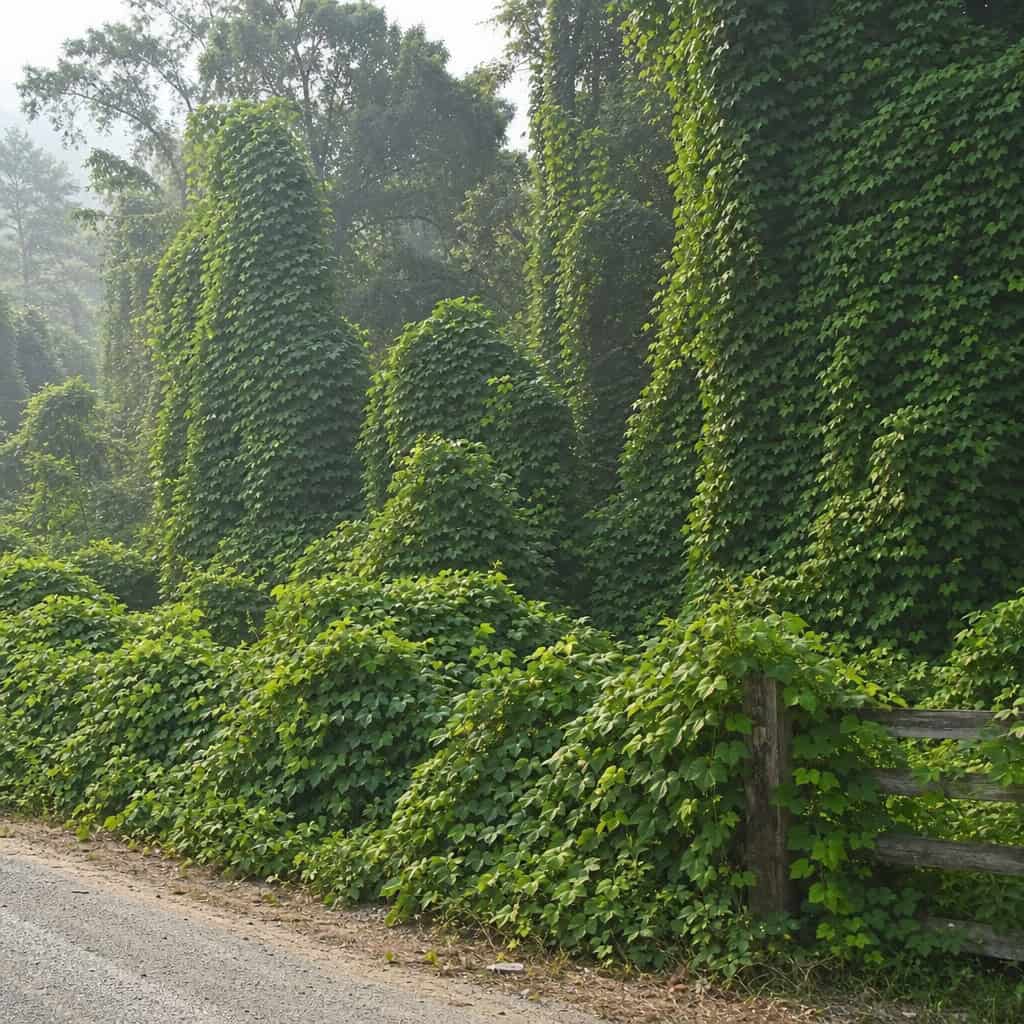
The vine that ate the South. It’s cultural shorthand for invasion, and it earned the title honestly.
Kudzu grows up to a foot a day in peak summer. It buries trees, telephone poles, abandoned cars, and whole hillsides under a green blanket that blocks all sunlight.
The weight alone snaps branches and collapses the plants it smothers. It’s still occasionally sold, which is almost hard to believe.
If you ever see it for sale, that’s your sign to shop somewhere else.
31. Rose of Sharon (Hibiscus syriacus)
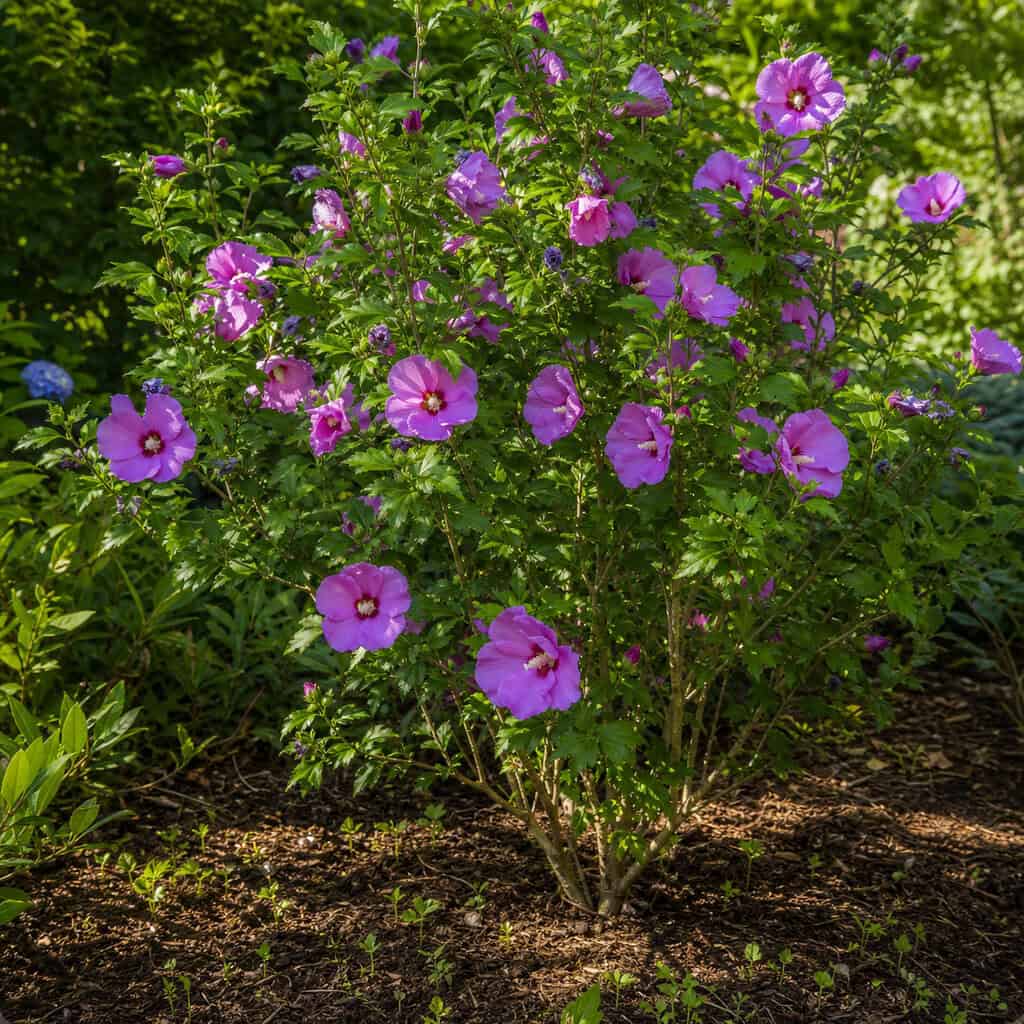
Milder than the monsters above, but it earns a spot. A reliable late-summer bloomer that most people plant and enjoy for years.
The catch is the seeding. It throws seedlings everywhere, and you’ll spend spring pulling little rose of Sharon starts out of every bed and crack.
The good news: sterile cultivars exist. Buy one of those and you keep the flowers without the volunteer army.
32. Passionflower / Maypop (Passiflora spp.)

The flowers look alien in the best way, and the fruit is genuinely tasty. A tempting exotic for the fence line.
The vine can grow 20-plus feet in a single season and suckers up from the roots well away from where you planted it. It’s not a foundation-cracker, but it’ll take over an arbor and pop up in the lawn.
Lower-tier on this list, and native in much of the Southeast. Give it room and a mower on standby.
Here’s the pattern once you see it: the plant that looks like the best deal on the shelf is often the one you’ll pay for later, in labor or lawsuits or foundation repair. Fast and cheap and aggressive tend to travel together.
The fix isn’t complicated. Read the botanical name on the tag, not just the marketing. Check whether it’s restricted in your state — university extension sites and the USDA lists are free and honest, and neither one is trying to move inventory.
And when a plant is sold as “vigorous,” “fast-spreading,” or “fills in quickly,” translate it. That’s the garden-center way of saying you’ll be fighting it for a decade.
The best thing you can plant is the one that still knows how to stay in its own bed.
I have never had a problem with Rose of Sharon, or Lantana.
I have both and the Lantana is getting out of control. I will be cutting it back. At first I thought it wasn’t going to make it, but I guess it loves where I planted it! The Rose of Sharon blooms are gorgeous and have made them into a hedge. They need space.
Quaking aspen (Populus tremuloides) is by far the absolute worst weed I have ever dealt with. It builds a large underground clonal root network and then sends up new trees wherever it pleases. It came up in raised beds 50′ away and nearly made it under our house. It is practically impossible to kill. Other bad choices I inherited and then wasted too much of my life trying to beat back are African Daisies, oxalis, brooms, pampas grass, crab grass, agapanthus, gorse and macrocarpa hedges.
There are so many better choices.
That’s not a picture of bishop’s weed.
Why doesn’t anyone warn gardeners about sea oats? OMG, biggest regret I’ll ever have.
Thank you
Redbud trees scatter saplings everywhere. –for years!
Surprised Butterfly Bush is on the list. Mine got so big it toppled over in a windstorm and it never reseeded or came back from the roots.
You didn’t put pink primroses in. They took over my whole flower bed and started spreading to the lawn. I pulled them all out but it took a few years to get them all.