

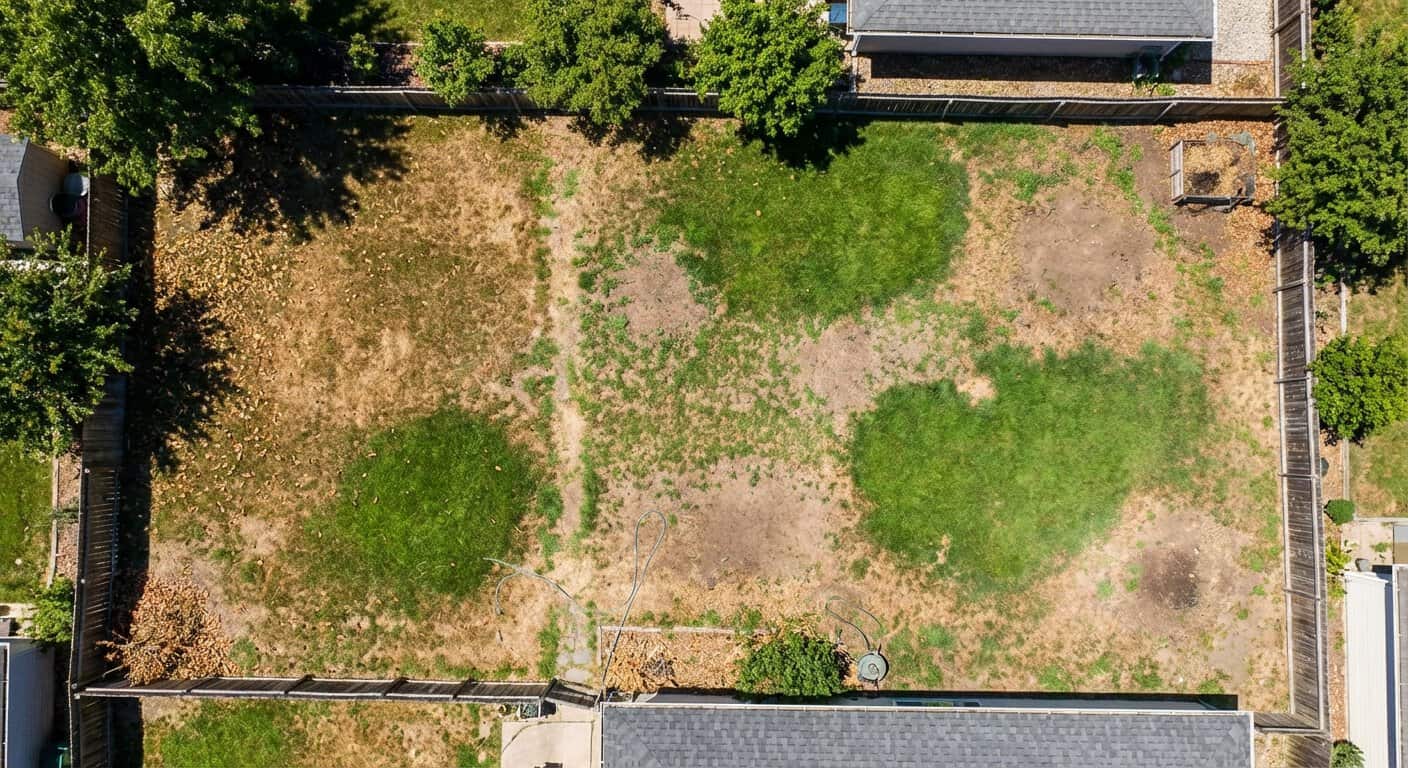
You water it. You mow it. You fertilize it.
And somehow, your lawn still looks worse than your neighbor’s.
The frustrating truth is that most of the things killing your grass are either mistakes you don’t realize you’re making or problems hiding right under the surface that you can’t even see.
Your lawn is not going to tell you what’s wrong. It is just going to turn brown, thin out, and slowly die while you stand there wondering what happened.
Here are 17 things in your yard that are silently killing your grass — and what to do about each one.
1. Mowing Too Short
This is the single most common mistake homeowners make.
It feels logical — cut the grass shorter and you don’t have to mow as often. Time saved. Problem solved.
Except you just destroyed your lawn.
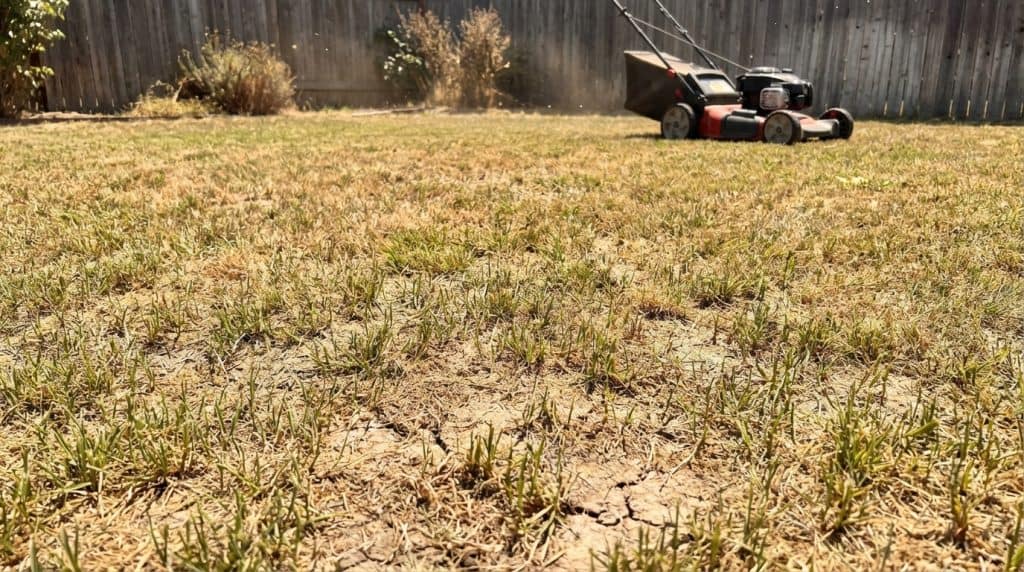
When you cut grass too short — what lawn professionals call “scalping” — you remove the leaf surface the plant needs for photosynthesis. Without enough leaf blade, the grass cannot produce the energy it needs to grow strong roots.
The root system becomes shallow, the soil gets exposed to direct sunlight, and weed seeds that were dormant suddenly have room and light to germinate.
Most grasses thrive at a height of 3 to 3.5 inches. The general rule is to never remove more than one-third of the grass blade in a single mowing.
2. Dull Mower Blades
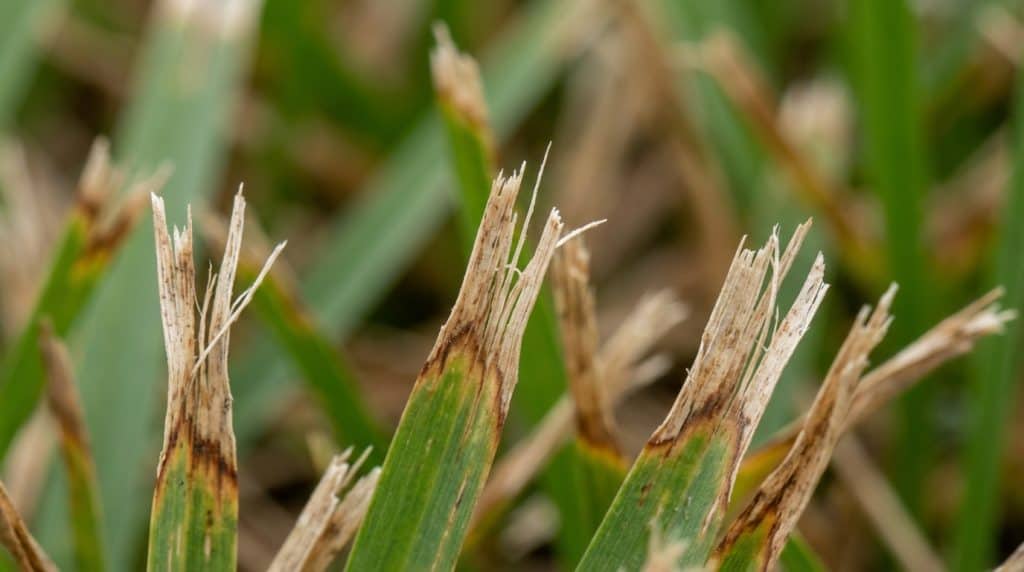
Pull out a handful of your freshly mowed grass and look at the tips.
If the tips are clean and even, your blades are sharp. If the tips look torn, shredded, or brownish-white, your blades are dull.
A dull mower blade does not cut grass — it rips it. Those torn, ragged tips lose moisture fast and become entry points for fungal diseases and pests.
This is why your lawn sometimes looks brown a day or two after mowing. It is not the sun. It is not the heat. It is torn grass dying from the top down.
Sharpen your mower blades at least two to three times per season, or roughly every 25 hours of mowing time.
3. Watering at the Wrong Time of Day
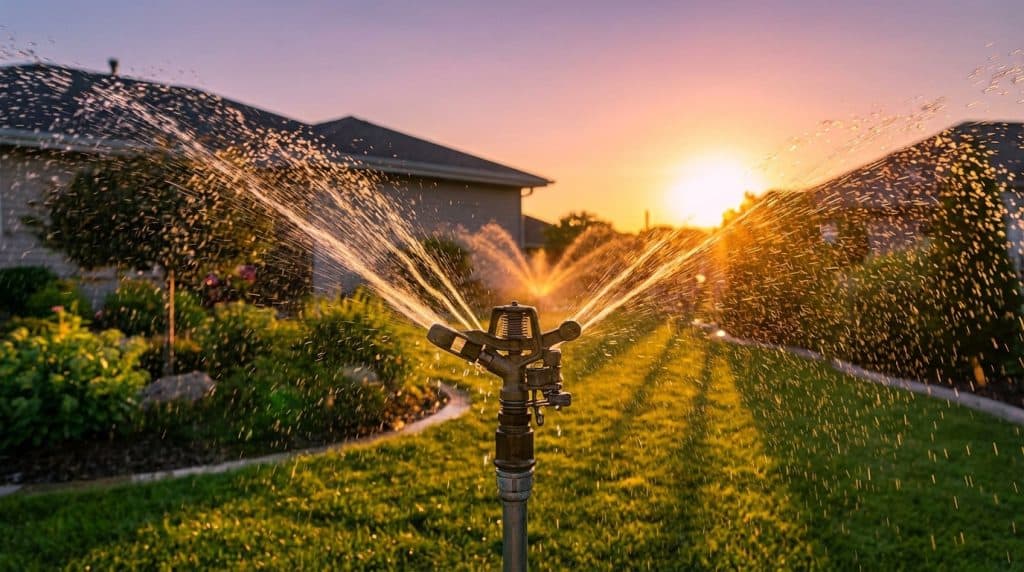
You get home from work, grab the hose, and give the lawn a good soak at 7 PM.
You just created a breeding ground for fungus.
When you water in the evening, the grass stays wet all night. That dark, damp environment is exactly what fungal diseases like dollar spot, brown patch, and pythium blight need to thrive.
On the other hand, watering at noon on a hot day means up to 30 percent of the water evaporates before it even reaches the roots.
The best time to water your lawn is between 6 AM and 10 AM. The grass has time to absorb the water before the heat of the day, and it dries before nightfall.
4. Overwatering
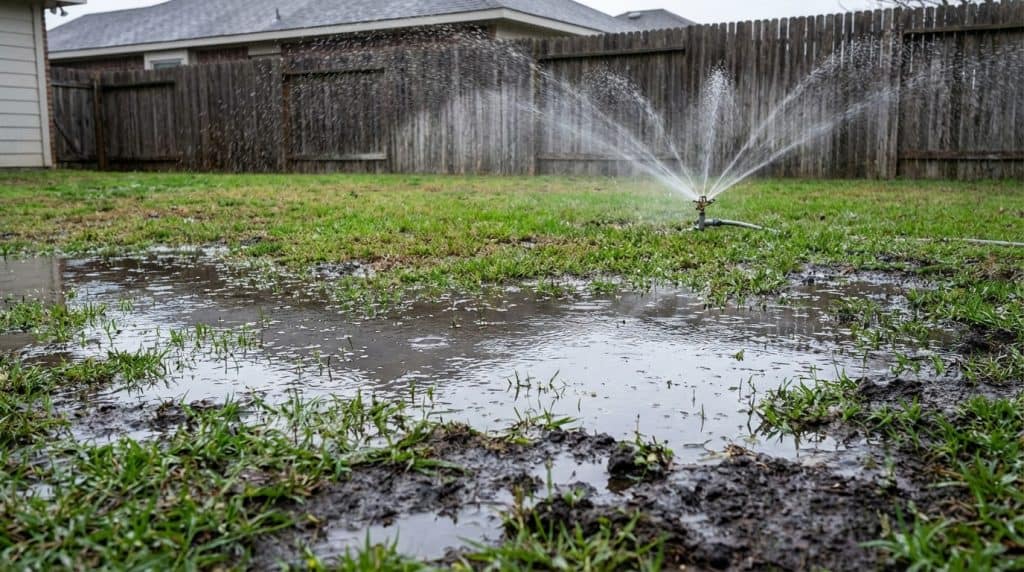
More water does not mean healthier grass. In fact, one of the fastest ways to kill a lawn is to keep it constantly wet.
Overwatering suffocates the roots by filling the air pockets in the soil with water. Without oxygen, the roots begin to rot — a condition literally called root rot.
It also creates the perfect environment for fungal diseases and encourages grubs and other pests that thrive in moist soil.
Your lawn needs about one inch of water per week, including rainfall. Water deeply two to three times per week rather than a little bit every day.
Deep, infrequent watering forces roots to grow deeper into the soil, making your lawn more drought-resistant and resilient.
5. Overfertilizing
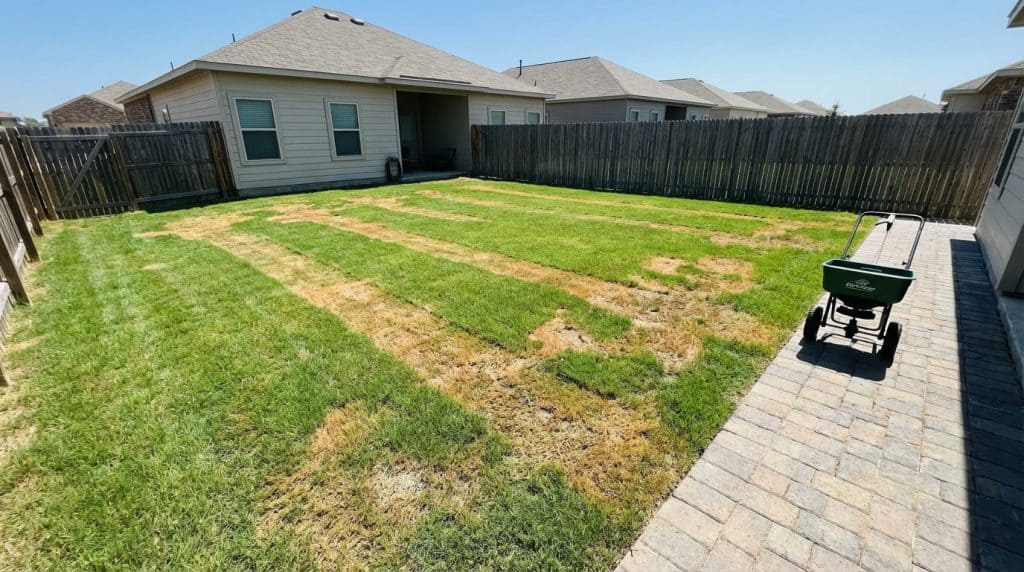
If a little fertilizer is good, more must be better. Right?
Wrong. Overfertilizing is one of the easiest ways to burn and kill your lawn.
Too much nitrogen causes rapid, weak top growth at the expense of root development. The grass looks green for a week and then collapses.
Excess fertilizer also creates a thick layer of thatch, promotes disease, and the runoff pollutes local waterways.
The fix is simple — follow the label directions exactly and never apply more than recommended.
A soil test from your local extension office will tell you exactly what your lawn actually needs so you are not guessing.
6. Volcano Mulching Around Trees
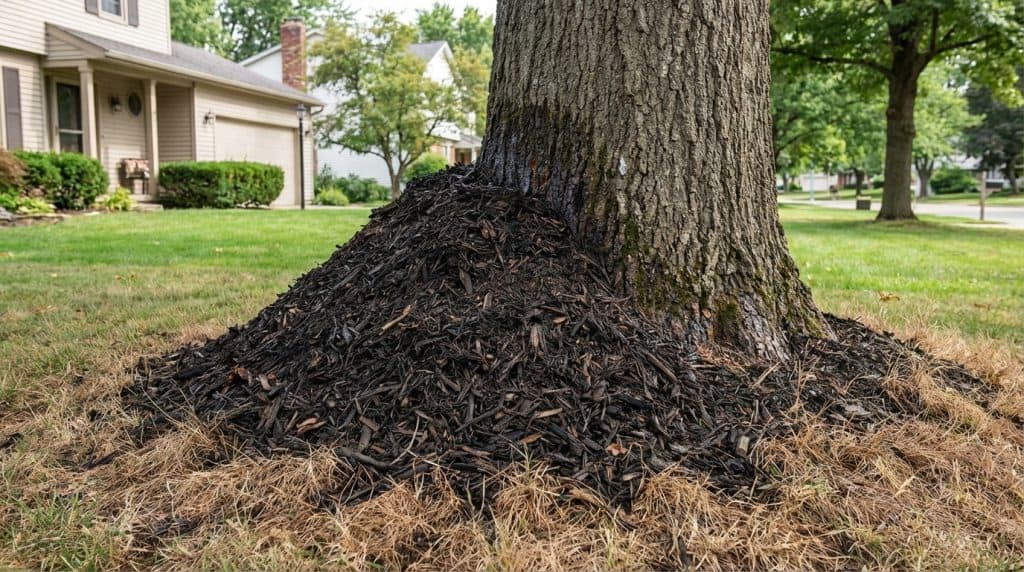
Walk through any neighborhood and you will see it — mulch piled up against tree trunks in a big cone shape.
This is called volcano mulching and it is slowly killing the tree and the grass around it.
When mulch is piled against the trunk, it traps moisture against the bark, which causes rot and invites insects and disease.
It also creates a dead zone where grass cannot grow because the roots are being smothered.
Mulch should be spread in a flat, even layer two to three inches deep around the base of the tree, pulled back a few inches from the trunk itself. Think donut, not volcano.
7. Never Aerating Your Soil
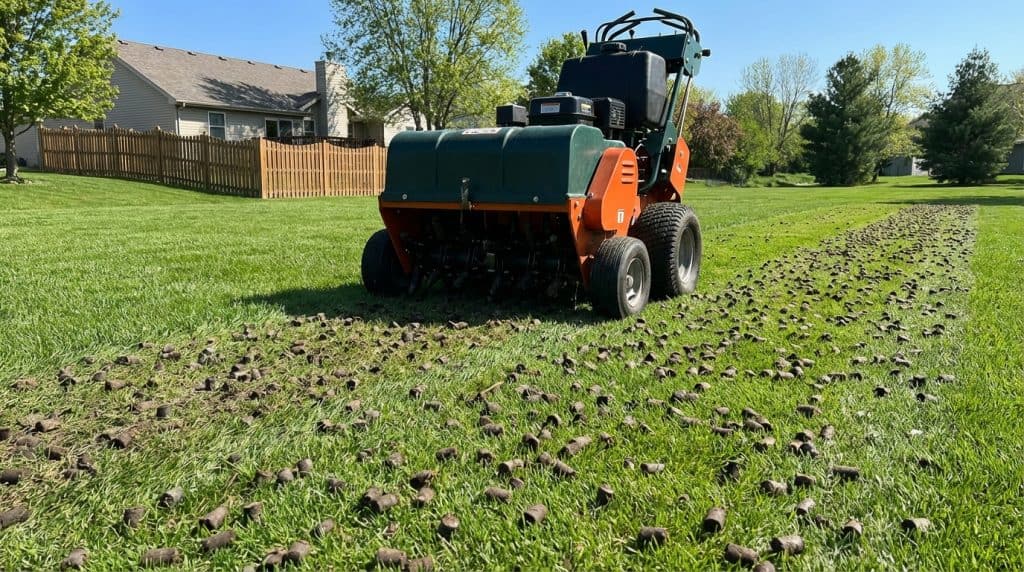
If your lawn gets any amount of foot traffic — kids playing, dogs running, weekend barbecues — the soil underneath is compacting over time.
Compacted soil is a silent killer. When the soil is packed tight, water, air, and nutrients cannot reach the grass roots. The grass slowly thins out, bare patches appear, and weeds move in because they are more tolerant of compacted conditions than your grass is.
Core aeration — pulling small plugs of soil out of the ground — is the fix. It loosens the soil, allows the roots to breathe, and dramatically improves water absorption. Do it once a year during your grass’s primary growing season.
8. Bagging Your Grass Clippings
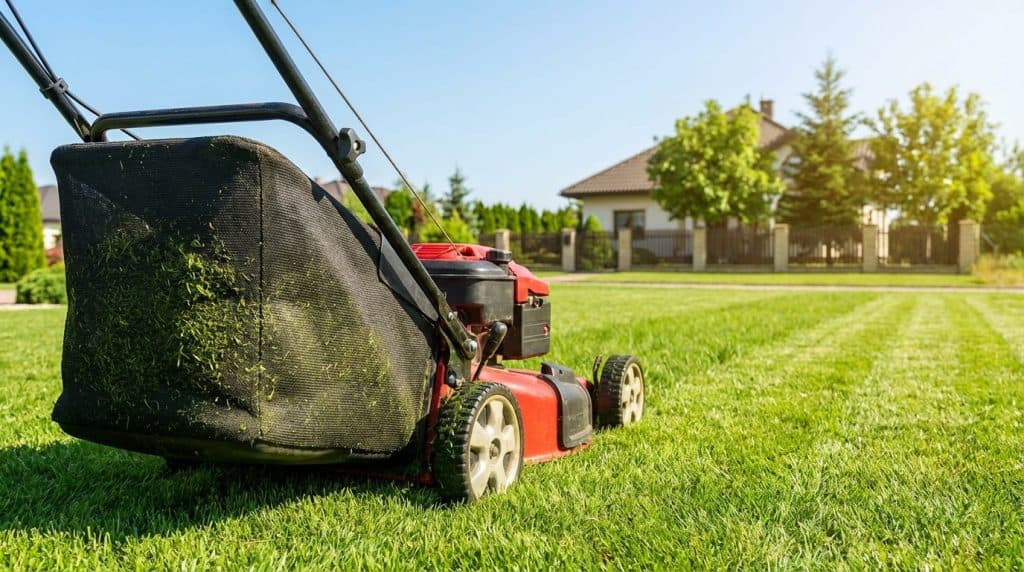
A lot of homeowners religiously bag every clipping because they think leaving them on the lawn looks messy or causes thatch.
Neither is true.
Grass clippings are mostly water and nitrogen. When you leave them on the lawn, they decompose quickly and return valuable nutrients back to the soil — essentially free fertilizer.
Studies have shown that mulching your clippings instead of bagging them can return up to 25 percent of the nitrogen your lawn needs over the course of a season.
The one exception is if your grass got away from you and the clippings are heavy and clumped.
In that case, spread them out or bag them. But under normal mowing conditions, let them lie.
9. Grubs Beneath the Surface
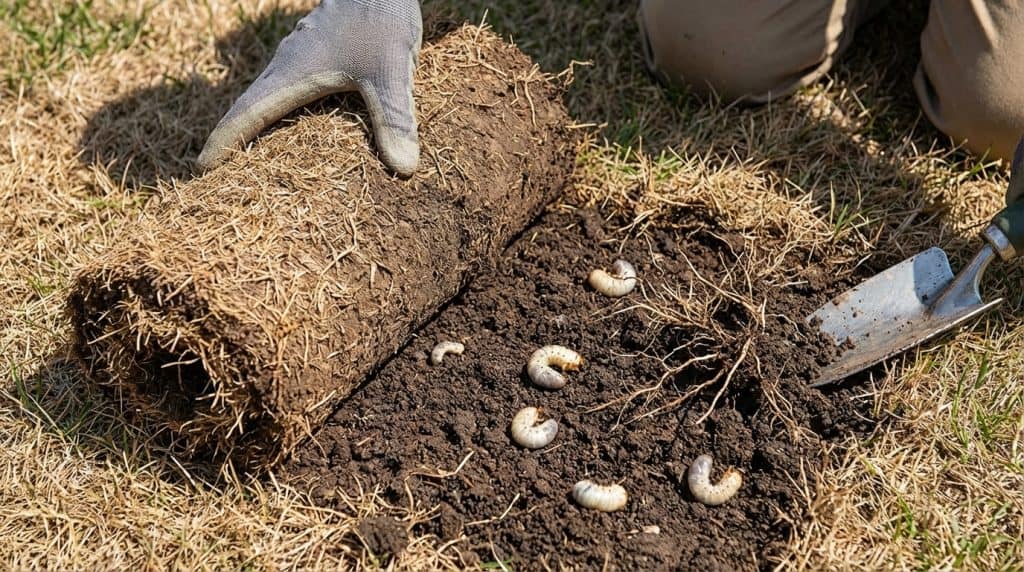
If you have brown, dead patches of lawn that peel up like a loose carpet when you tug on them, you almost certainly have grubs.
Grubs are the fat, white, C-shaped larvae of Japanese beetles, June bugs, and other scarab beetles. They live just below the soil surface and feed on grass roots, severing the connection between the grass and the soil.
A few grubs per square foot are normal. But when populations reach 10 or more per square foot, the damage becomes severe and visible.
To make matters worse, raccoons, skunks, and birds will tear up your lawn digging for grubs, adding destruction on top of destruction.
Apply milky spore or beneficial nematodes to the soil as a biological control, or use a grub-specific product in late summer when the larvae are young and close to the surface.
10. Dog Urine Spots
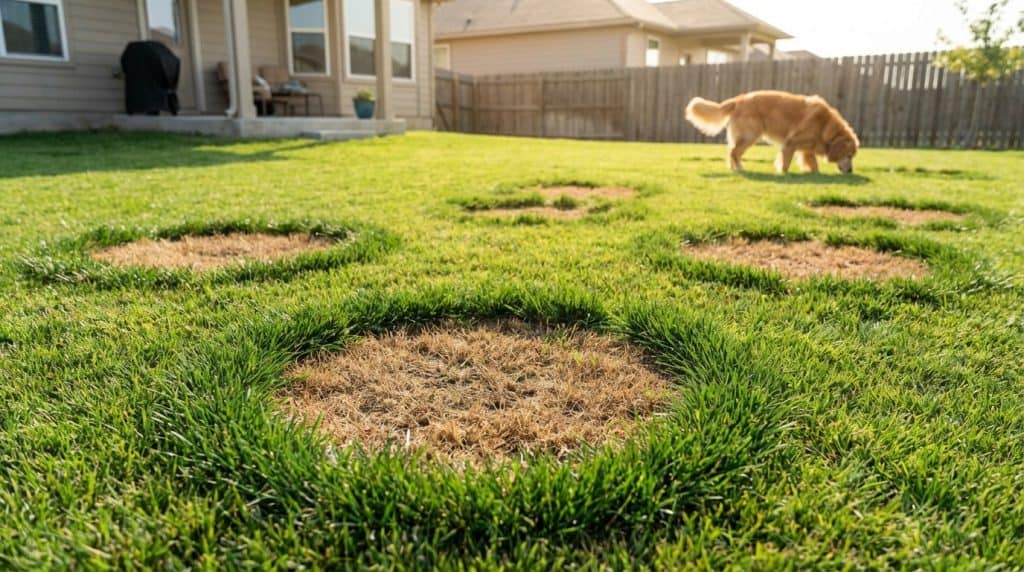
If you have dogs, you have these. They are the round, brown dead spots surrounded by a ring of dark green grass.
Dog urine is high in nitrogen. In small concentrations, nitrogen feeds the grass — that is why the ring around the dead spot is extra green.
But in the center where the urine was most concentrated, the nitrogen level was so high that it essentially burned the grass like a concentrated dose of fertilizer.
The grass in the center is dead. It is not coming back without reseeding.
The best prevention is to water the spot immediately after your dog goes. This dilutes the nitrogen before it can burn the grass.
Some owners also designate a specific area of the yard for their dog to use, often with gravel or mulch.
11. Thatch Buildup
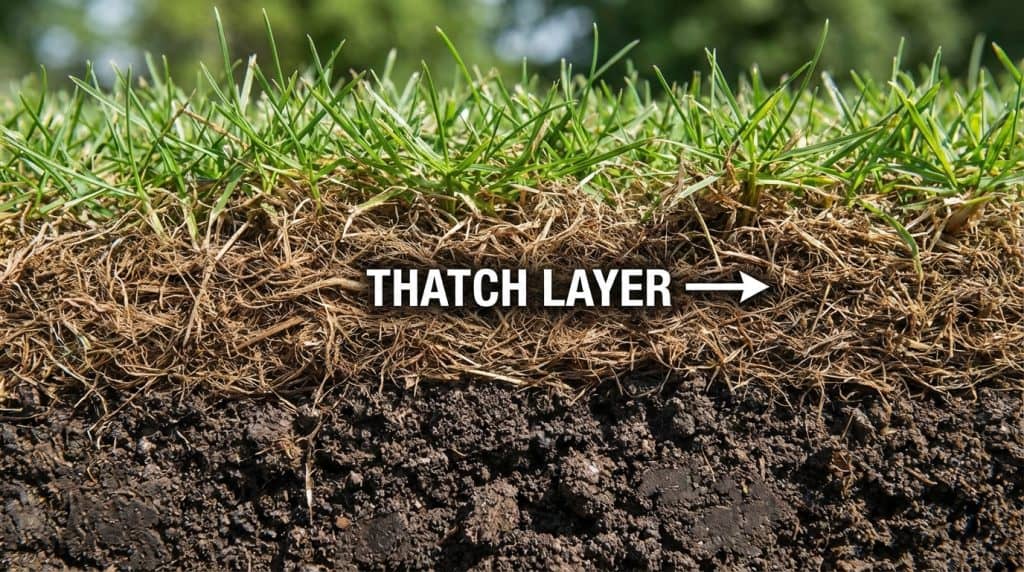
Thatch is the layer of dead grass, roots, and organic debris that accumulates between the soil surface and the living grass blades.
A thin layer — about half an inch — is actually beneficial. It insulates the soil and retains moisture.
But when thatch builds up beyond half an inch, it becomes a barrier. Water runs off instead of soaking in. Fertilizer gets trapped on top. Fungal diseases and insects find a cozy home in the matted layer.
Your lawn essentially suffocates from above while the roots starve below.
Dethatching with a power rake or a dethatching mower attachment once a year will solve this. The best time is during your grass’s active growing season so it can recover quickly.
12. Tree Roots and Heavy Shade
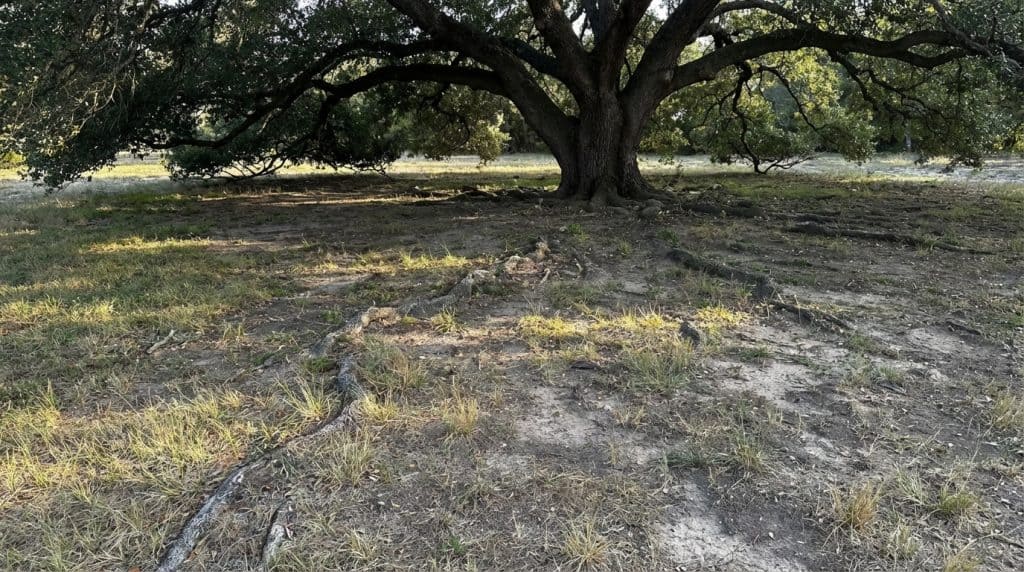
Big, beautiful shade trees are one of the best things in a yard — unless you are trying to grow grass under them.
Trees and grass are competing for the same resources — water, sunlight, and nutrients. And the tree always wins.
Large tree roots near the surface steal moisture and nutrients from the grass. The canopy blocks the sunlight the grass needs for photosynthesis. And as the shade deepens through the season, the grass thins out and eventually dies.
The fix is not cutting down the tree. It is accepting that some areas are better suited to shade-tolerant groundcovers, mulch beds, or shade-adapted grass varieties like fine fescue.
13. Fungal Disease
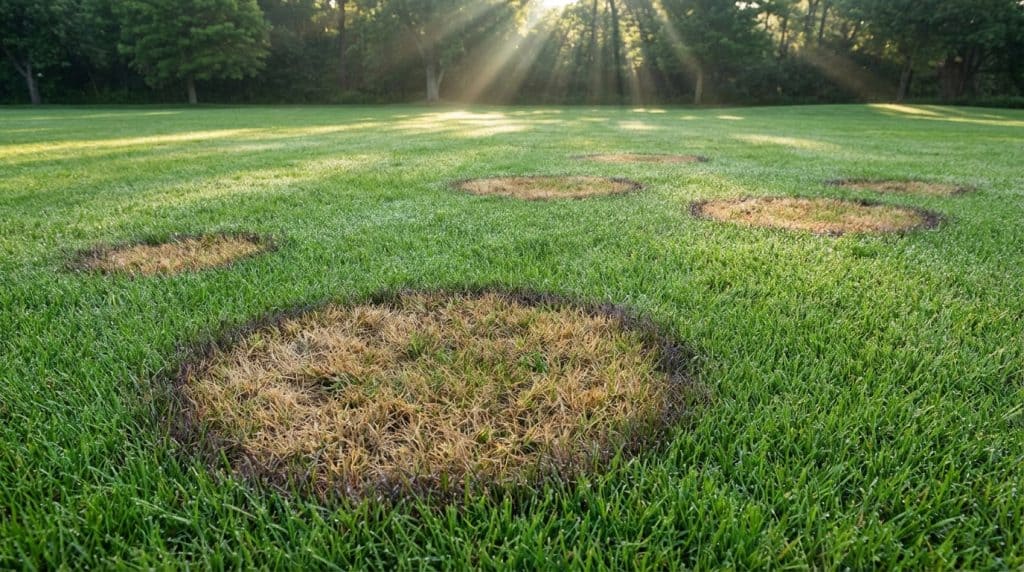
If you are seeing circular patches of dead or discolored grass, especially after periods of warm, humid weather, you probably have a lawn fungus.
Common culprits include brown patch, dollar spot, and pythium blight.
They thrive in conditions where the grass stays wet for extended periods — often caused by evening watering, poor drainage, or excessive thatch.
Fungal diseases spread fast. What starts as a small patch can take over large sections of your lawn within a week if conditions are right.
Prevention is the best approach — water in the morning, aerate annually, avoid overfertilizing, and improve air circulation by pruning nearby shrubs.
If disease has already taken hold, a targeted lawn fungicide can stop the spread.
14. Soil pH Imbalance
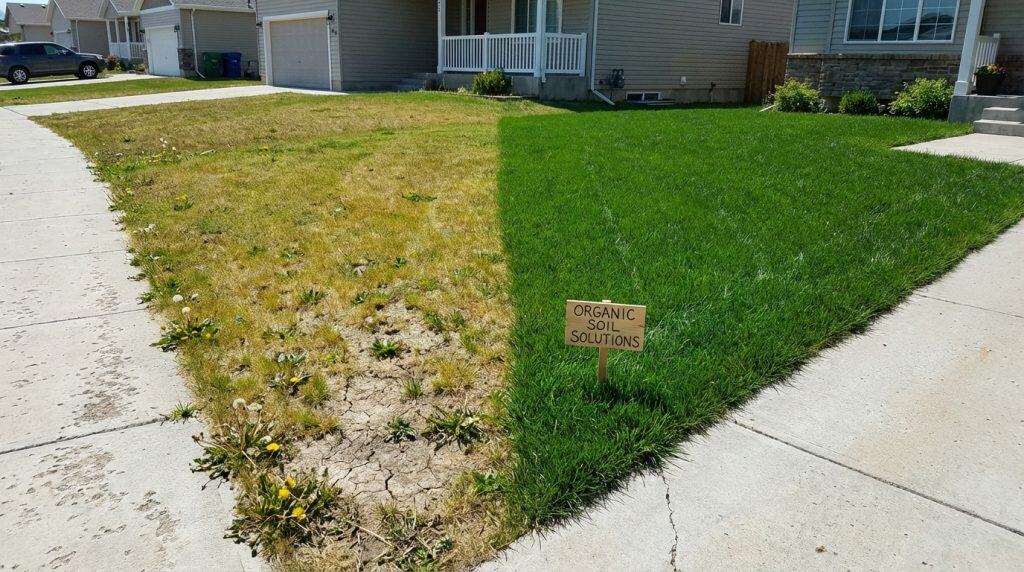
Your lawn can receive perfect water, perfect sunlight, and perfect fertilizer — and still look terrible if the soil pH is wrong.
Most lawn grasses prefer a soil pH between 6.0 and 7.0 — slightly acidic to neutral. If your soil is too acidic or too alkaline, the grass cannot properly absorb nutrients no matter how much fertilizer you apply.
It is like pouring water into a sealed bottle. The nutrients are there but the grass cannot access them.
A simple soil test — available at most garden centers or through your local cooperative extension office — will tell you exactly where your pH stands. Lime raises pH if your soil is too acidic. Sulfur lowers it if it is too alkaline.
15. Sprinkler Dead Zones
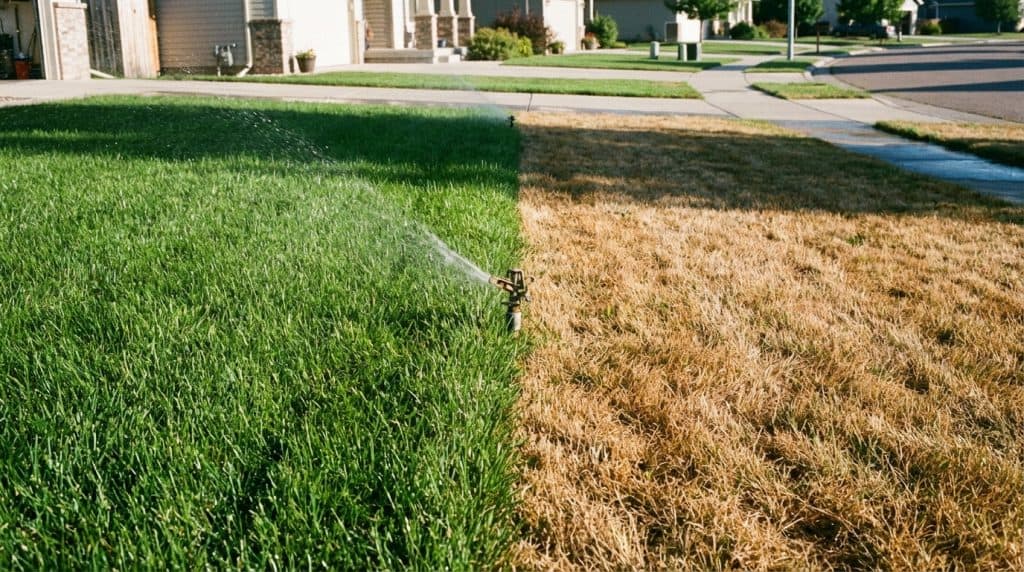
You have a sprinkler system, so your entire lawn is getting watered evenly.
Probably not.
Sprinkler heads get clogged, knocked out of alignment, or simply do not overlap properly. The result is dead zones — areas of the lawn that receive little to no water while the rest gets plenty.
These dry patches brown out slowly and are easy to blame on disease, grubs, or bad soil. But often the answer is simply that those spots are not getting hit by the sprinklers.
Walk your sprinkler system once a month while it is running. Watch for heads that are not rotating properly, are blocked by overgrown plants, or are spraying onto the sidewalk instead of the lawn. A few minutes of adjustment can save entire sections of grass.
16. Chinch Bugs
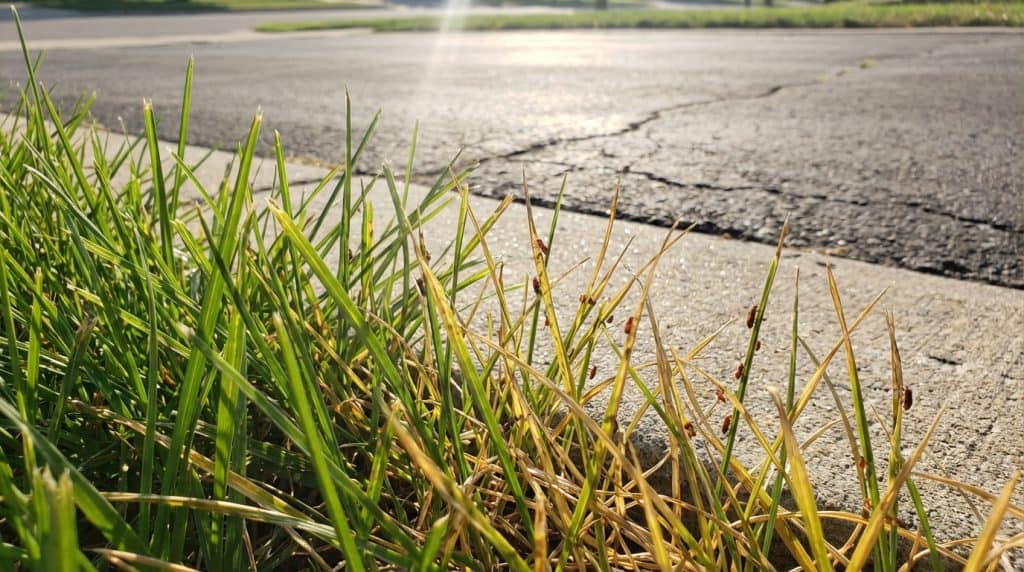
If you have yellowing patches of grass that appear during hot, dry weather — especially along sunny edges of the lawn near driveways and sidewalks — you may have chinch bugs.
These tiny insects are hard to see with the naked eye. They live at the base of the grass blades and feed by piercing the stems and sucking out the fluids. At the same time, they inject a toxin that blocks the plant’s ability to transport water.
The grass turns yellow, then brown, then dies — and it looks exactly like drought stress, which is why most homeowners just water more, which does nothing.
To check for chinch bugs, push a bottomless coffee can into the affected area, fill it with water, and wait. If tiny black and white insects float to the surface, you have your answer.
17. Wrong Grass Type for Your Climate
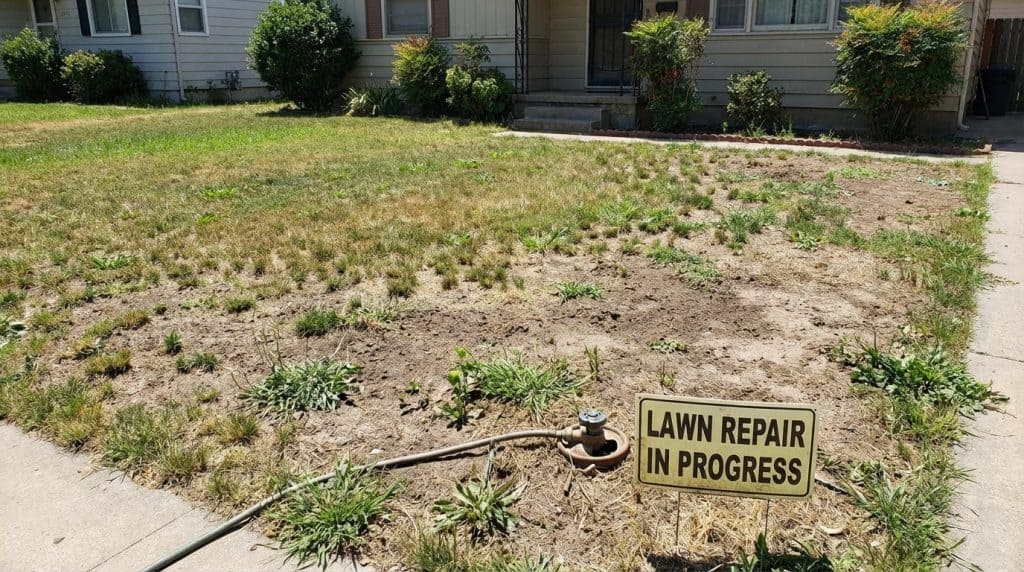
This one is the silent killer that no amount of watering, mowing, or fertilizing can fix.
If you have a cool-season grass like Kentucky bluegrass growing in Alabama, it is going to struggle every summer. If you have a warm-season grass like Bermuda in Minnesota, it is going to die every winter.
Many homeowners inherit whatever grass the builder or the previous owner planted — and it may not be the right type for the region.
Others buy seed based on the picture on the bag without checking if it is suited to their climate zone.
Cool-season grasses like Kentucky bluegrass, fescue, and ryegrass thrive in the northern half of the country.
Warm-season grasses like Bermuda, zoysia, and St. Augustine dominate the South. And the transition zone in between requires a careful selection that can handle both extremes.
If your lawn struggles year after year no matter what you do, the problem might not be what you are doing — it might be what is planted.
Conclusion
A great lawn is not complicated, but it does require understanding what is actually happening in your yard.
Most of the problems on this list are either simple mistakes with easy fixes or silent issues that just need to be identified.
The single best thing you can do right now is get a soil test. It costs less than a bag of fertilizer and tells you exactly what your lawn needs — and what it does not need.
Everything else becomes easier once you know what you are working with.
Stop guessing. Start diagnosing. Your lawn will thank you.