


You love snake plants for their toughness, but you really want those baby pups to show up faster and in greater numbers.
This guide shows how small, intentional changes in care can push your plant to multiply while staying healthy.
You get more snake plant pups by giving bright light, slightly snug roots, well‑draining soil, and careful watering that lets the soil dry fully between drinks.
These conditions mimic how snake plants grow and spread in nature, which triggers pup production instead of tall, slow leaf growth.
You’ll learn how propagation works underground, how water and nutrients affect pup timing, and which common habits quietly stop new growth. Along the way, you’ll also pick up practical techniques for separating, transplanting, and caring for pups so every new plant thrives.
Understanding Snake Plant Propagation
Snake plants spread through underground growth rather than seeds. Knowing how pups form, why they matter, and which varieties multiply faster helps you set realistic expectations and plan care that supports steady expansion.
What Are Snake Plant Pups?
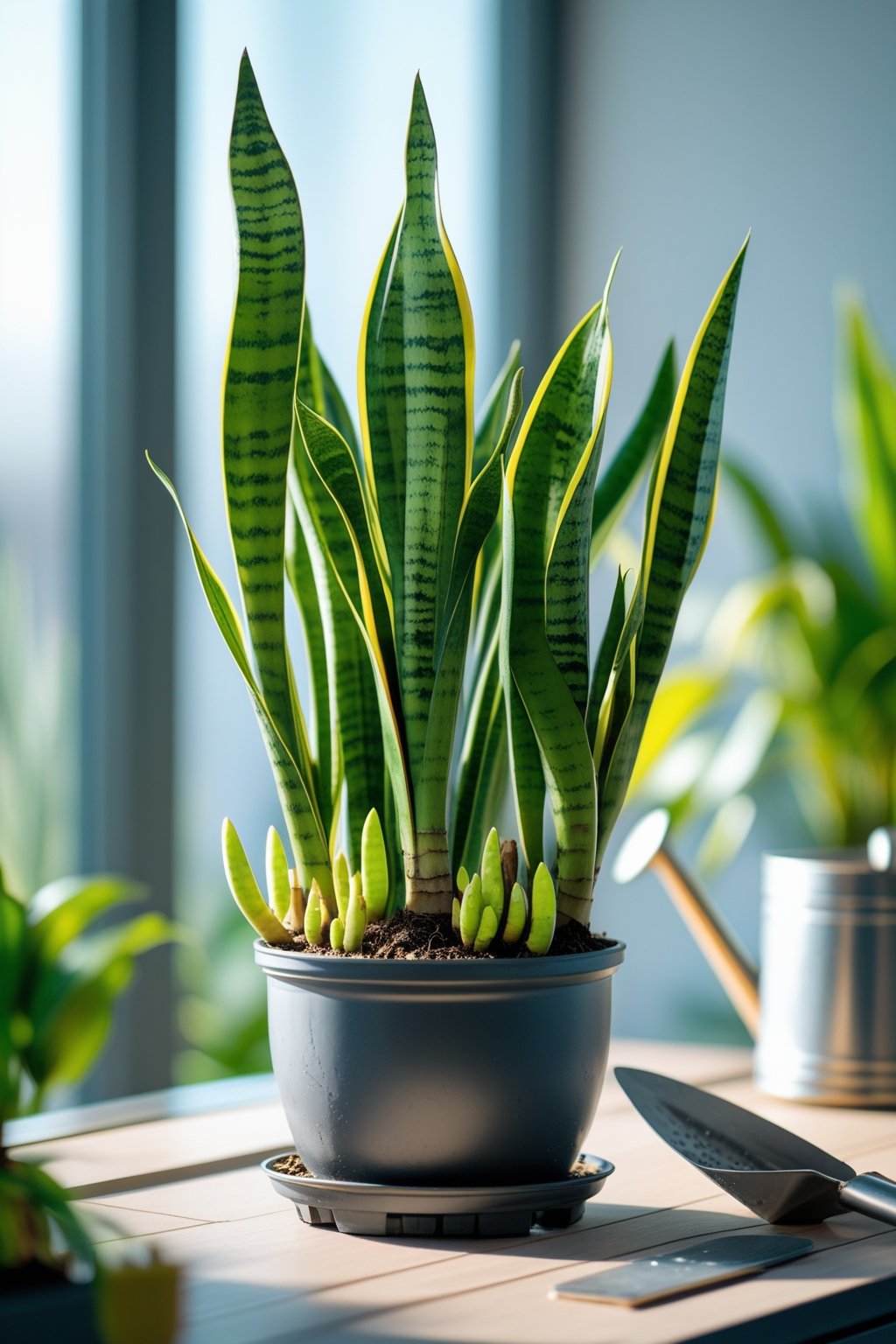
Snake plant pups are new shoots that emerge from rhizomes, which are thick, horizontal stems growing beneath the soil. Each pup connects to the parent plant at first and shares water and nutrients.
You usually spot pups as narrow leaves breaking the soil surface near the pot edge. They grow upright and stiff, matching the parent’s leaf shape and color pattern.
Pups form when the plant has enough stored energy and space pressure in the root zone. Light, temperature, and watering patterns influence how often this happens, but genetics also play a role.
You can leave pups attached for a fuller plant or separate them once they develop their own roots. Separation works best when the pup stands at least 3–4 inches tall.
Benefits of Growing More Pups
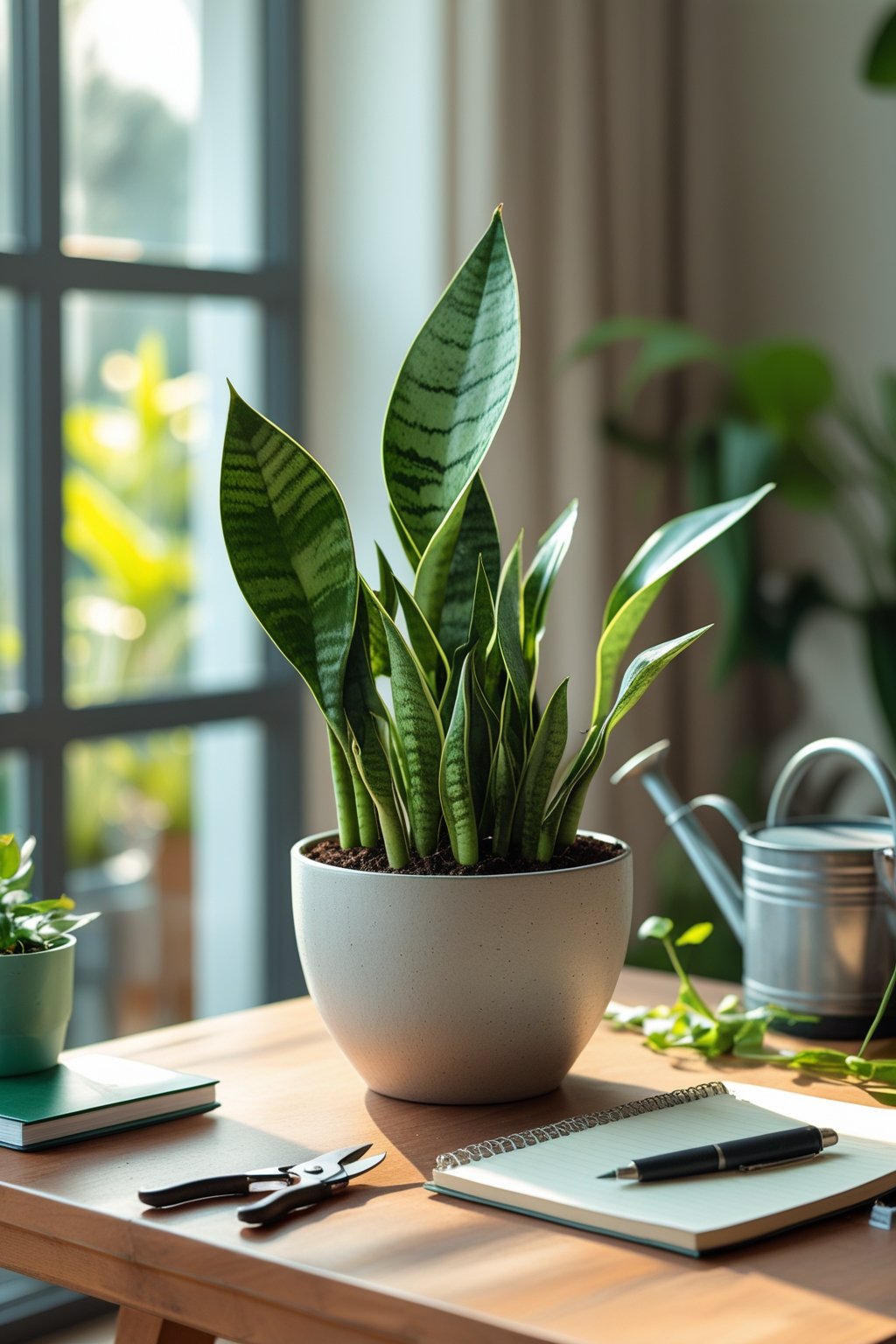
More pups give you free, reliable propagation without cuttings or special tools. Each pup is a genetic clone, so you keep the exact look of the parent plant.
A pot with multiple pups also looks denser and more balanced. Many growers prefer this natural clustering over single rosettes.
Pups help the plant renew itself over time. Older leaves decline, while new growth maintains overall vigor.
Additional benefits include:
- Easier sharing or gifting of plants
- Backup plants if one declines
- Better use of bright indoor spaces
You control whether pups stay grouped or move to their own containers.
Common Varieties and Their Propagation Rates
Different snake plant varieties produce pups at different speeds. Leaf thickness, growth habit, and rhizome strength all matter.
| Variety | Propagation Speed | Notes |
|---|---|---|
| Sansevieria trifasciata | Moderate | Reliable pup producer in bright light |
| Laurentii | Moderate | Similar to trifasciata; slower in low light |
| Zeylanica | Moderate to fast | Strong rhizomes, spreads evenly |
| Hahnii (Bird’s Nest) | Slow | Compact form limits rhizome spread |
| Cylindrica | Slow | Thick leaves, longer time between pups |
You should expect slower results from compact or cylindrical types. Upright, flat-leaf varieties usually reward patience with more frequent pups.
Essential Conditions for Pup Growth
Snake plant pups form when you balance light exposure with the right soil structure. You want steady energy for rhizome growth and roots that can spread without staying wet.
Optimal Lighting for Pup Development
You get the best pup production with bright, indirect light for most of the day. A spot near an east- or west-facing window works well, especially when filtered by a sheer curtain.
Low light keeps the plant alive but slows rhizome activity, which reduces pups. Direct sun for long periods can scorch leaves and redirect energy toward repair instead of growth.
Aim for 8–10 hours of indirect light daily. If natural light falls short, a basic grow light placed 12–18 inches above the plant can help.
Lighting impact on pups
| Light Level | Result |
|---|---|
| Low light | Few or no pups |
| Bright, indirect light | Consistent pup growth |
| Harsh direct sun | Leaf stress, slower pups |
Rotate the pot every few weeks so light reaches all sides evenly.
Soil Types That Encourage Offshoots
Snake plants produce more pups in fast-draining soil that allows oxygen to reach the roots. Dense or water-retentive mixes slow rhizome expansion and increase rot risk.
Use a gritty blend rather than standard potting soil alone. A simple mix works well:
- 2 parts cactus or succulent soil
- 1 part perlite or pumice
- 1 part coarse sand or fine bark
This structure keeps roots slightly dry between waterings, which encourages the plant to spread. Light root resistance from a well-aerated mix often signals the plant to form offshoots.
Avoid soils labeled for moisture retention. If water pools on the surface or the pot stays heavy for days, pups will develop slowly.
Watering Secrets to Boost Pup Production
Watering plays a direct role in how often your snake plant sends out pups. Consistent timing, full dry-downs, and quick responses to warning signs keep rhizomes active without stressing the plant too far.
How Often to Water Snake Plants
You get more pups when you water deeply but infrequently. Let the soil dry out completely from top to bottom before you water again, then soak it until excess drains out.
Snake plants form pups from underground rhizomes, and slightly dry conditions encourage those rhizomes to spread. Constant moisture keeps the plant focused on survival instead of reproduction.
Use the season and light level to set your schedule.
| Growing Conditions | Typical Watering Frequency |
|---|---|
| Bright light, warm temps | Every 2–3 weeks |
| Moderate light | Every 3–4 weeks |
| Low light or winter | Every 4–6 weeks |
Always check the soil with your finger or a moisture meter. If the pot feels heavy or cool, wait.
Signs of Overwatering and Underwatering
Overwatering stops pup production fast. Roots lose oxygen, rhizomes rot, and growth stalls.
Watch for these warning signs:
- Soft or mushy leaf bases
- Yellowing leaves that collapse
- Soil that stays wet for days
Underwatering causes different problems. Too much drought forces the plant to conserve energy instead of producing pups.
Look for these clues:
- Wrinkled or curling leaves
- Dry, compacted soil pulling from the pot
- Slow or paused growth
Aim for controlled dryness, not neglect. That balance keeps roots healthy and signals the plant to multiply.
Fertilization Tips for More Snake Plant Pups
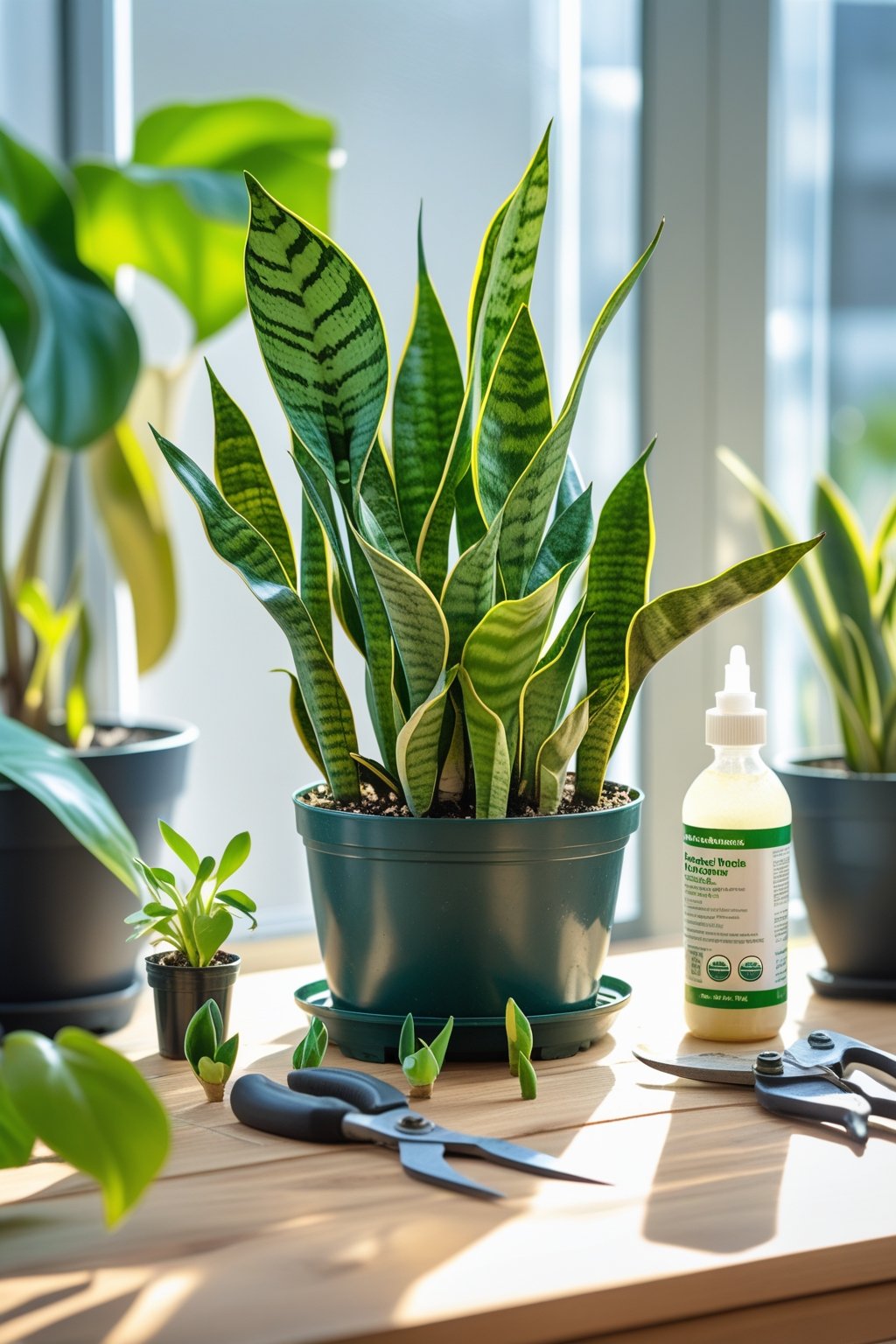
Targeted feeding supports steady root growth and energy storage, which helps your plant form pups over time. The right fertilizer type and timing matter more than frequent feeding.
Best Fertilizers for Propagation
Choose a balanced, low-nitrogen fertilizer to support roots and rhizomes rather than tall leaf growth. Excess nitrogen pushes foliage at the expense of pups.
Use one of these reliable options:
| Fertilizer Type | NPK Range | Why It Works |
|---|---|---|
| Liquid houseplant fertilizer | 10-10-10 or 5-5-5 | Even nutrients without forcing growth |
| Cactus/succulent fertilizer | 2-7-7 or similar | Supports roots and offsets |
| Diluted organic liquid feed | Varies | Gentle and low risk of salt buildup |
Dilute liquid fertilizers to half strength. Snake plants store nutrients efficiently, so light feeding prevents stress. Avoid slow-release pellets in small pots, since they release nutrients continuously and can overload the roots.
Proper Feeding Schedule for Healthy Pups
Feed only during active growth, typically spring through early fall. Apply fertilizer once every 4–6 weeks while the plant produces new leaves.
Water the plant first, then fertilize moist soil. This step protects roots and improves nutrient uptake. Skip feeding during winter or when growth slows, even if the plant looks healthy.
Watch for clear signals from your plant. Strong leaf color and firm growth indicate enough nutrients. Soft leaves or stalled growth often point to overfeeding, not deficiency.
If you recently repotted with fresh soil, wait 6–8 weeks before fertilizing. Most potting mixes already contain nutrients that support early pup development.
Propagation Techniques for Maximizing Pups
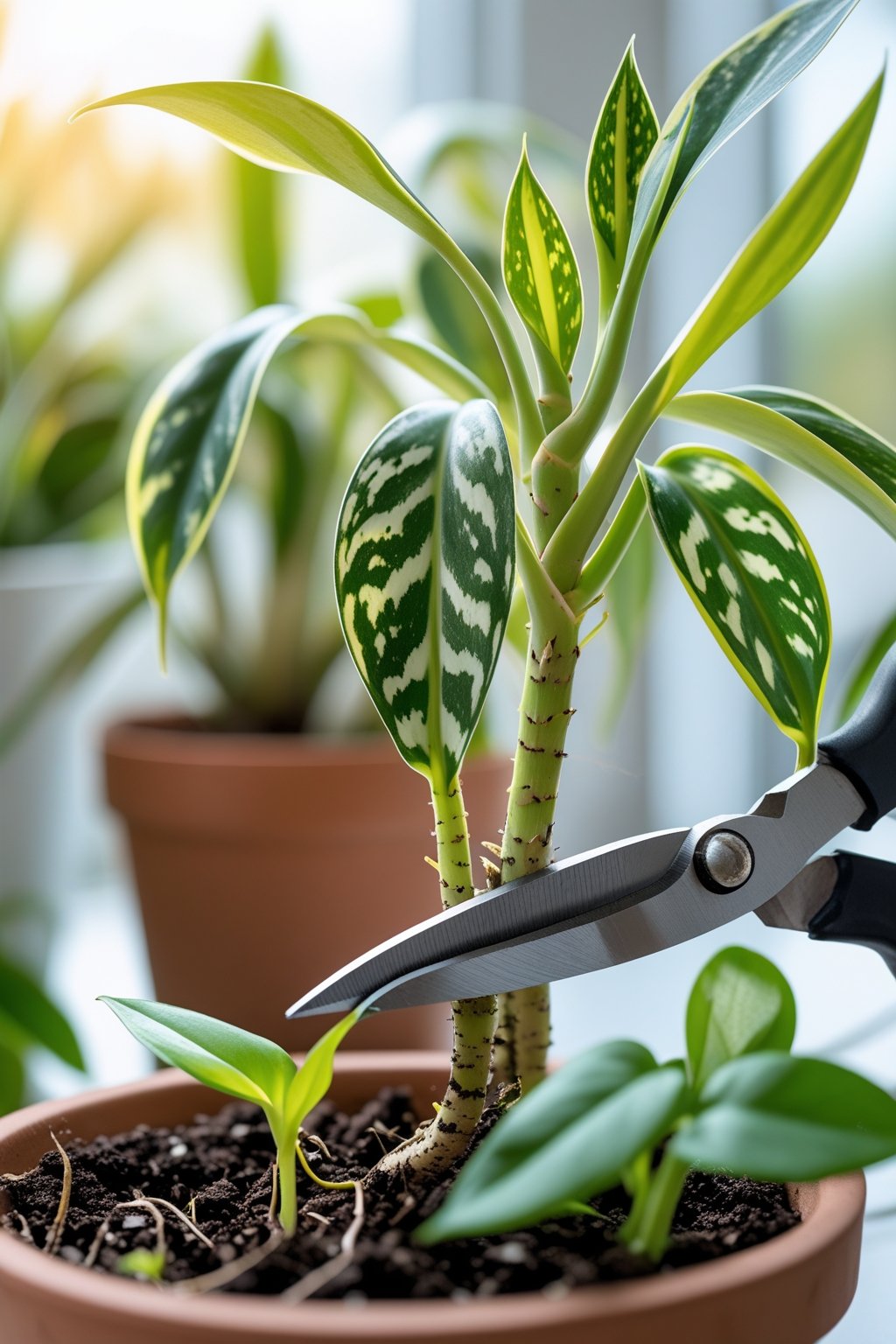
You can increase pup production by choosing propagation methods that work with how snake plants grow. Division delivers fast, reliable results, while leaf cuttings help you multiply plants when pups are limited.
Division Method Explained
Division works best when your snake plant already produces visible pups connected by rhizomes. You get mature new plants faster because each pup already has roots.
Remove the plant from its pot and brush away loose soil. Look for firm rhizomes connecting pups to the main plant, then separate them with a clean knife or by hand if they pull apart easily.
Plant each division in a snug pot with fast-draining soil. Water lightly and place it in bright, indirect light to reduce stress.
Key division tips
- Divide only healthy plants with multiple leaves per pup
- Keep soil slightly dry for the first week
- Avoid oversized pots, which slow new pup formation
| Benefit | Why It Matters |
|---|---|
| Fast growth | Pups already have roots |
| High success rate | Minimal risk when done cleanly |
Leaf Cutting Method for Snake Plants
Leaf cuttings help when your plant has no pups yet. This method takes longer but lets you create many new plants from one leaf.
Cut a healthy leaf into 2–3 inch sections. Keep track of the bottom end, since upside-down cuttings will not root.
Let the cut ends dry for 1–2 days. Plant them upright in lightly moist soil or place them in water until roots form.
What to expect
- New pups emerge from the soil, not the leaf
- Growth takes several months
- Variegated plants may lose their pattern
Leaf cuttings reward patience and careful handling. You gain quantity, but division gives you speed.
Transplanting and Caring for New Pups
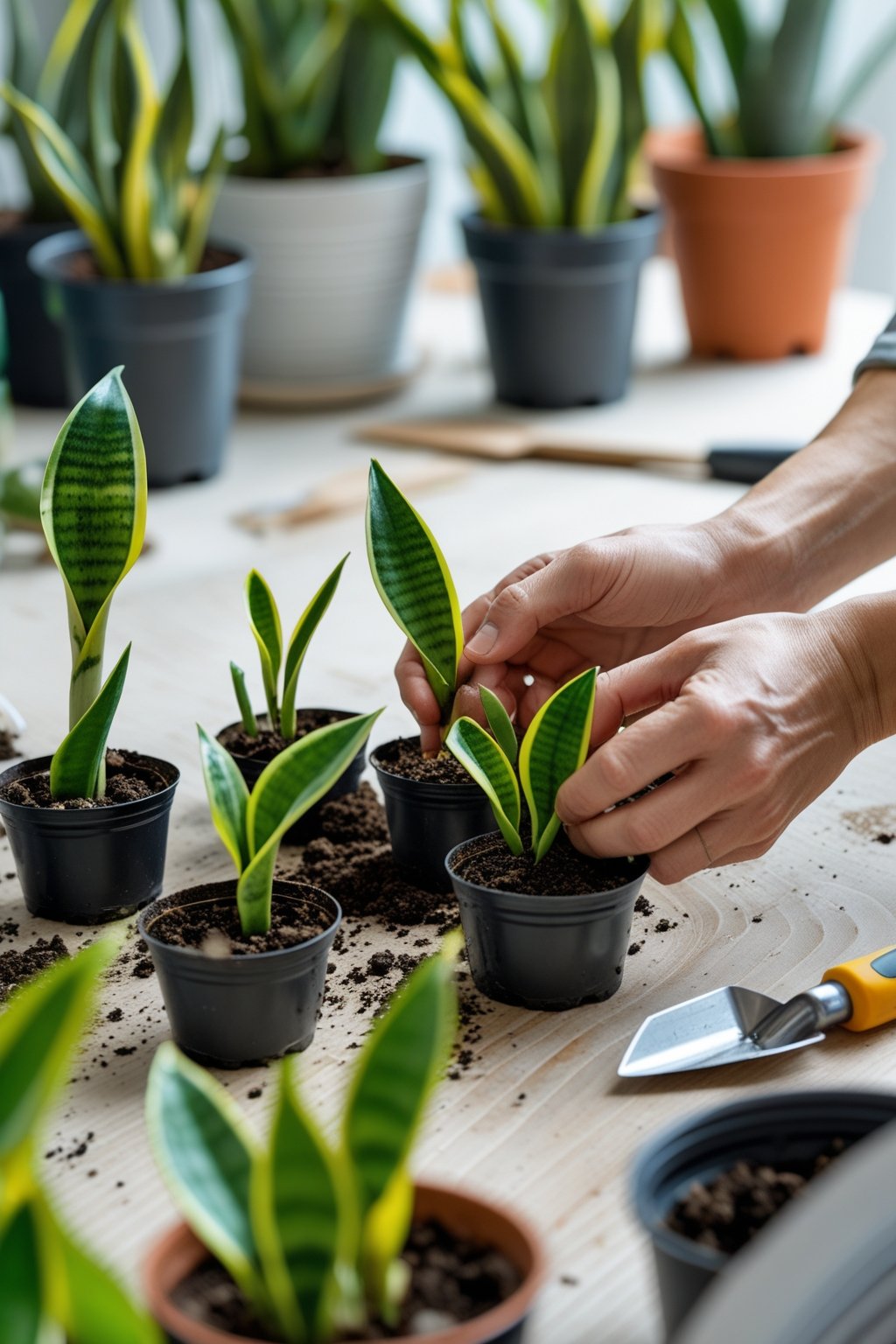
Separating snake plant pups at the right time and giving them steady aftercare helps them root faster and grow upright. Clean cuts, proper soil, and restrained watering matter most.
When and How to Separate Pups
Wait until each pup reaches 4–6 inches tall and shows its own roots. Smaller pups struggle to establish and often stall after potting.
Water the plant lightly a day before you work. Slide the plant from its pot, then brush away soil to expose the rhizome. Use a clean, sharp knife to cut the connecting rhizome, keeping roots attached to the pup.
Pot each pup in a container only 1–2 inches wider than its root mass. Oversized pots hold excess moisture.
Quick checklist
- Use gritty, fast-draining soil (cactus mix works).
- Keep the soil line at the same height as before.
- Skip watering for 3–5 days after planting.
Aftercare for Newly Potted Pups
Place new pups in bright, indirect light. Direct sun can stress fresh roots and slow recovery.
Water sparingly. Let the soil dry almost completely between waterings, then soak and drain. Overwatering causes soft leaves and root rot faster than underwatering.
Hold off on fertilizer for at least 6–8 weeks. New roots need stability, not extra nutrients.
Ideal conditions
| Factor | Target |
|---|---|
| Temperature | 65–85°F (18–29°C) |
| Light | Bright, indirect |
| Water | Every 2–4 weeks |
| Fertilizer | None at first |
Once you see new leaf growth, your pup has settled in and can follow your normal snake plant routine.
Common Mistakes That Limit Pup Growth
A few care choices quietly slow pup production even when your plant looks healthy. Light levels and container size affect how much energy your snake plant can redirect into new growth.
Inadequate Light Exposure
Low light keeps leaves alive but limits surplus energy, which reduces pup formation. You get foliage maintenance, not expansion. Snake plants produce more offsets when they receive bright, indirect light for about 6 hours daily.
Place your plant near an east- or west-facing window where light stays steady without harsh midday sun. North-facing rooms often fall short, especially in winter. Direct sun can scorch leaves, so avoid south-facing windows unless you filter the light.
If natural light stays limited, use a grow light for a few hours daily. Keep the light 12–18 inches above the leaves and run it on a timer.
Quick checks
- Pale or slow-growing leaves often signal low light
- Upright, firm leaves with steady growth support pup development
Improper Pot Size Choices
Pot size controls how quickly roots fill available space, and crowded roots trigger pups. A pot that is too large spreads roots thin and delays offsets. You want a container that feels slightly tight.
Choose a pot 1–2 inches wider than the root mass, not wider than the leaf spread. Drainage holes matter more than depth, since snake plants grow horizontally through rhizomes.
| Pot Choice | Result |
|---|---|
| Too large | Fast leaf growth, fewer pups |
| Slightly snug | More frequent pups |
| No drainage | Root rot risk |
Repot only when roots press firmly against the pot or push soil upward. Frequent repotting resets the process and slows pup production.
Troubleshooting Slow Pup Development
Slow pup growth usually traces back to root health or stalled overall growth. Fixing these problems often restores steady offshoot production within one or two growing cycles.
Addressing Root Rot Issues
Root rot stops pups before they start because damaged roots cannot support new growth. You usually cause it by overwatering or using dense soil that stays wet too long.
Watch for soft roots, a sour smell, or yellowing leaves. If you notice these signs, act quickly.
Steps to correct root rot:
- Remove the plant from its pot and trim away all mushy or dark roots.
- Let healthy roots air-dry for several hours.
- Repot into a fast-draining mix with added perlite or coarse sand.
- Use a pot with drainage holes and avoid oversized containers.
After repotting, wait at least 7 days before watering. Dry roots recover faster, and once they stabilize, pups can form again along healthy rhizomes.
Reviving Stagnant Growth
A snake plant that survives but does not grow will rarely produce pups. Low light, depleted soil, or tight roots often slow things down.
Start with light. Place your plant where it receives bright, indirect light for most of the day. Low light keeps it alive but limits reproduction.
Next, check nutrients and space.
| Problem | What to Do |
|---|---|
| Old soil | Replace with fresh, well-draining soil |
| No growth in months | Feed lightly with diluted fertilizer |
| Pot too large | Downsize to encourage root density |
Water only after the soil dries completely. Consistent care and mild root crowding help redirect energy into pup formation instead of leaf maintenance.