

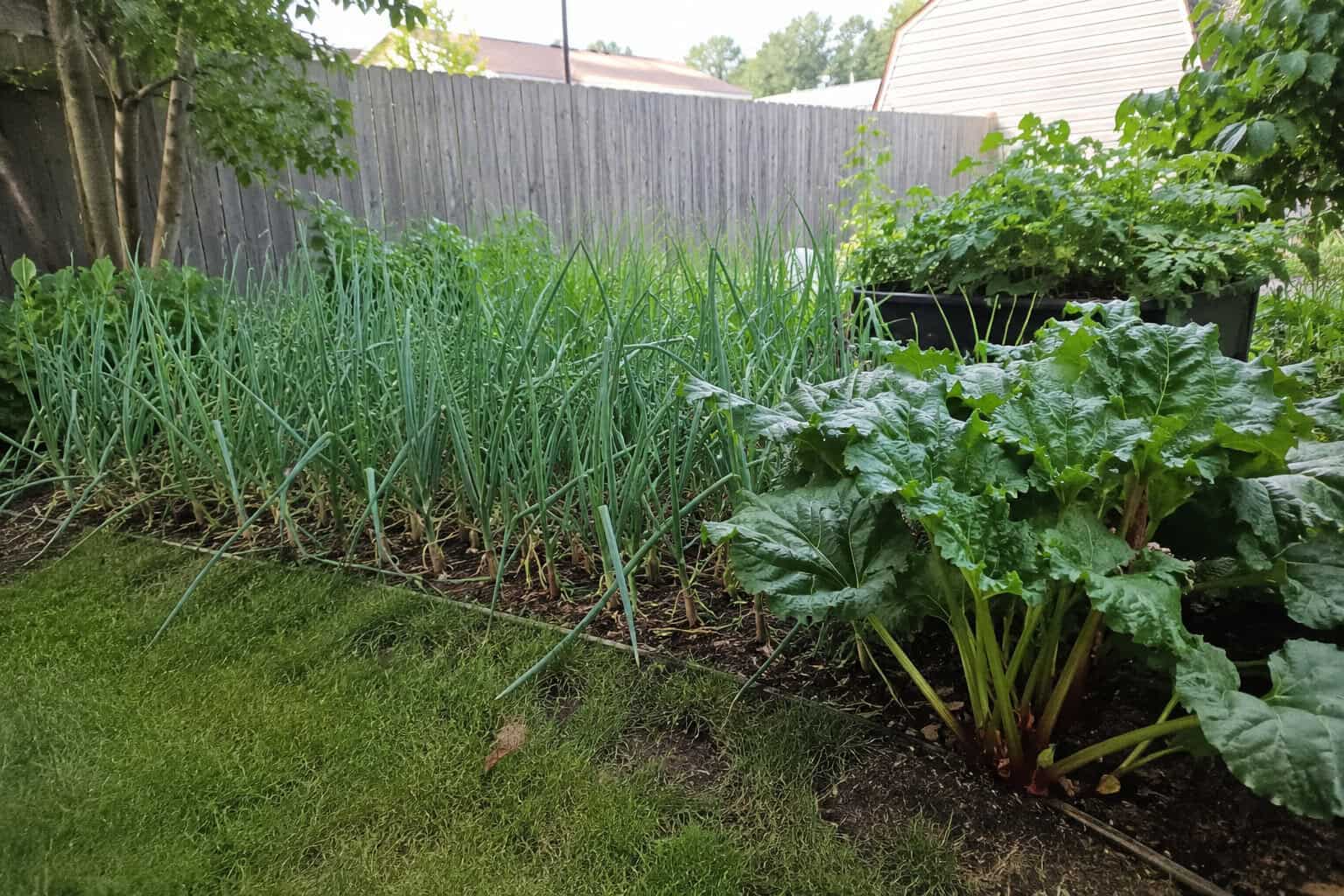
Most vegetable gardening is a yearly reset. You till, you seed, you baby the seedlings, you harvest, and then frost wipes the slate clean. Next March, you start over.
But a whole category of edible plants breaks that cycle.
Plant them once. Walk away. They come back on their own, year after year, some of them for decades. A few will outlive the gardener who planted them.
These perennials skip the seed-starting marathon. They build deep roots, shrug off cold, and reward patience with food you never have to replant. Some are old-world heritage crops that fed Europe before the potato. Others are weeds you’ve been cursing in your lawn.
Here are 25 vegetables you only plant once.
1. Asparagus
This is the one everyone thinks of first, and for good reason.
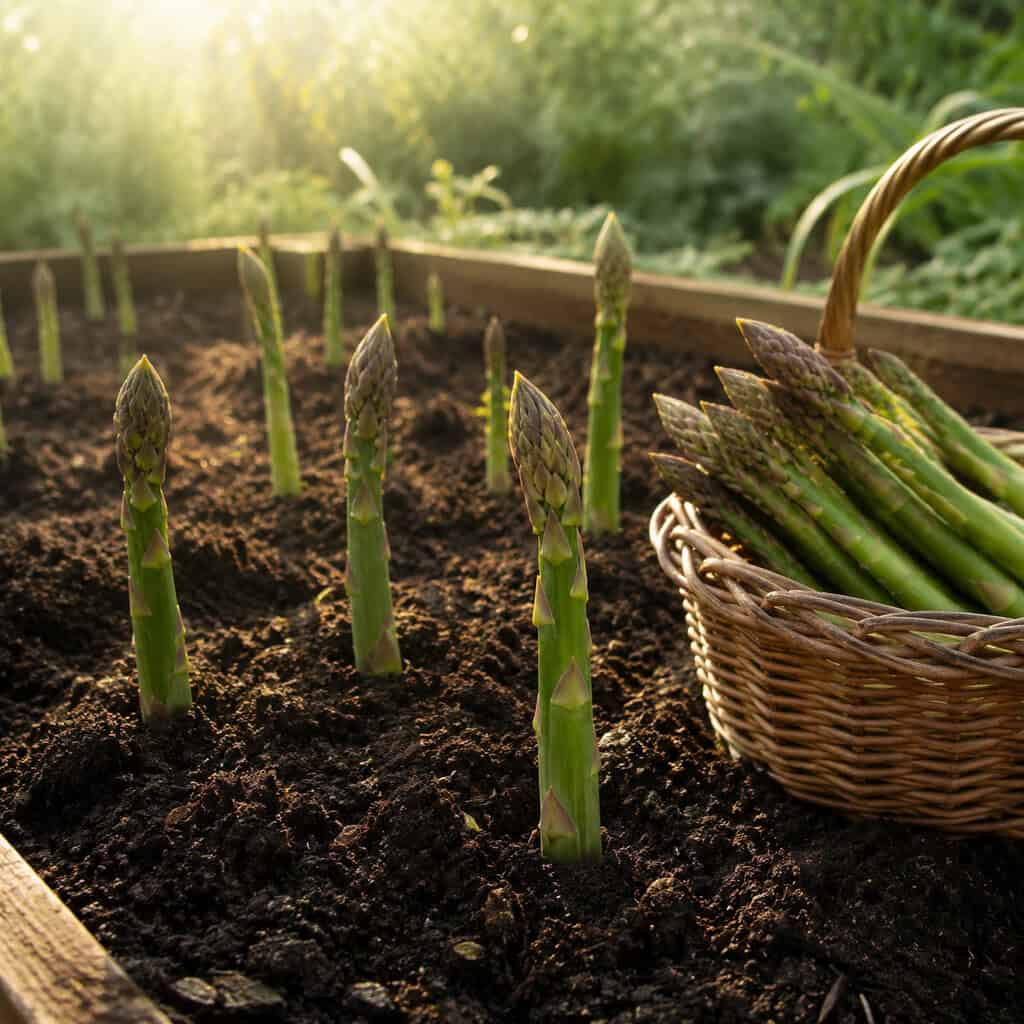
Plant a row of crowns and you’ll wait two to three years before you cut a single spear. That’s the deal. Patience up front.
The payoff is staggering. A well-tended bed produces every spring for 15 to 20 years, and according to the University of New Hampshire Extension, it’s one of the most dependable perennial vegetables you can grow in zones 2 through 9.
Give it full sun, good drainage, and room. Then leave it alone and let it work.
2. Rhubarb
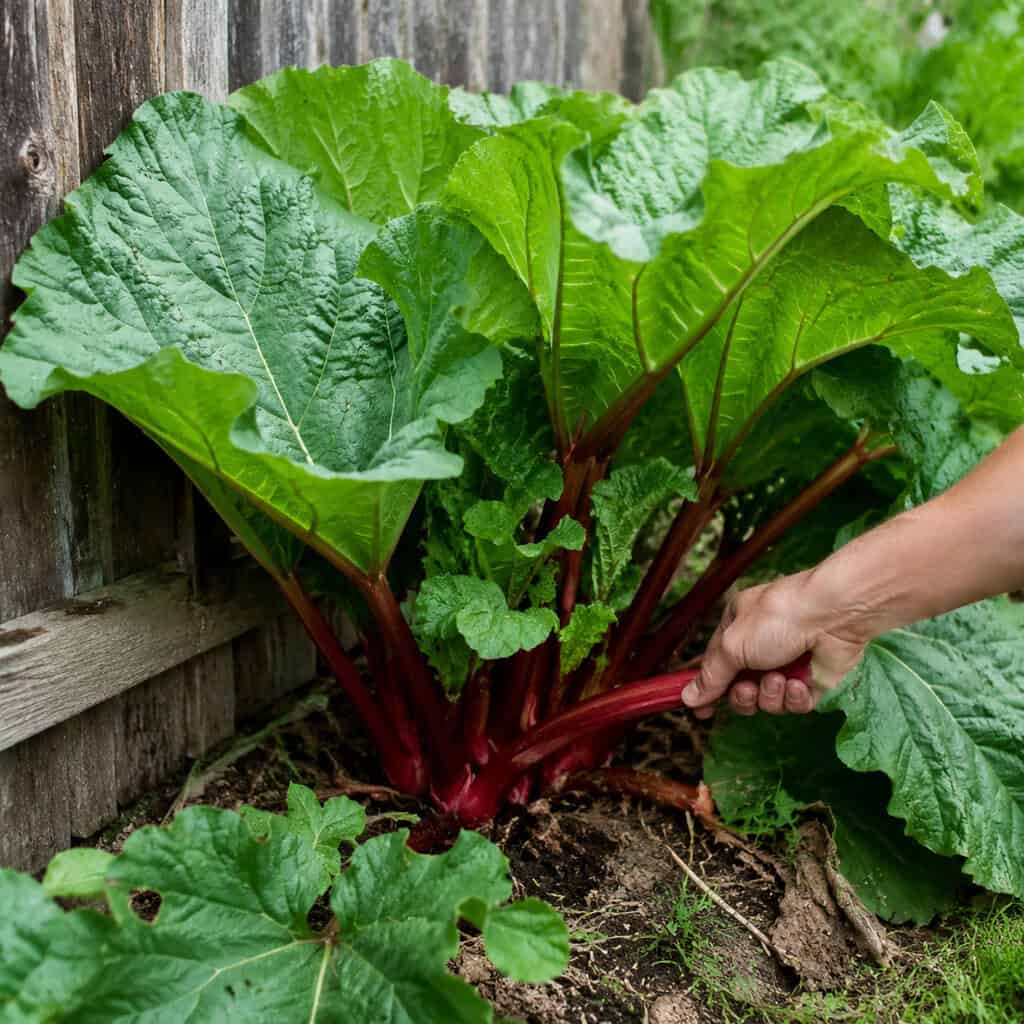
Some rhubarb patches are older than the houses they grow beside. Fifty-year-old crowns aren’t rare.
It loves cold. Zones 3 through 8 suit it best, and a hard winter only makes it happier.
One warning matters if you have kids or pets. The pink stalks are food, tart and wonderful in pie. The big green leaves are toxic — they’re loaded with oxalic acid and should never be eaten.
Cut the stalks, compost the leaves, and the plant keeps coming.
3. Horseradish
Set it and forget it. Then regret forgetting it.
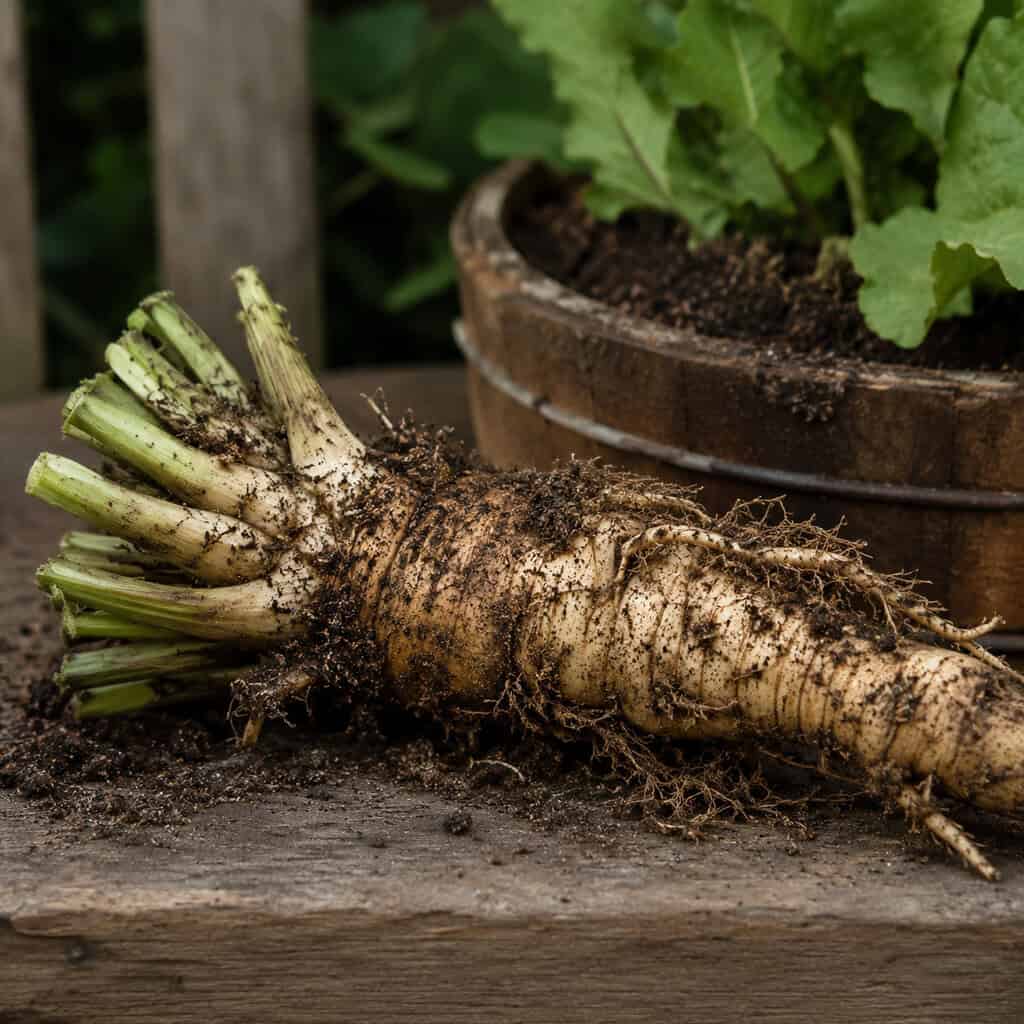
Horseradish is so vigorous it’s almost a problem. Leave a scrap of root in the soil and it regrows, which means a single plant can colonize a whole bed in a few seasons.
The fix is simple. Grow it in a bottomless container, a buried bucket, or a barrier-lined corner where it can’t escape.
Contained, it’s a tough, no-fuss root that grates into the sharpest condiment you’ll ever make.
4. Jerusalem Artichoke (Sunchoke)
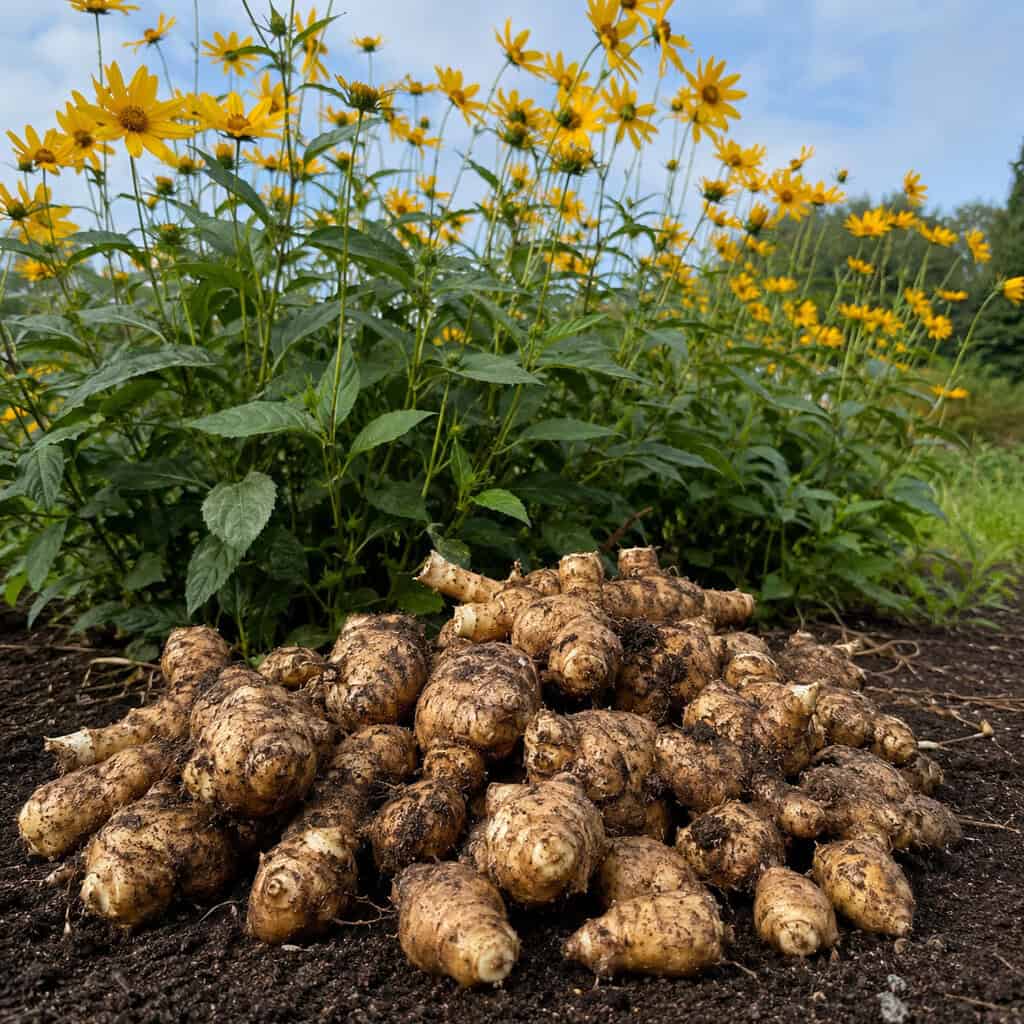
A North American native tuber, cultivated by Indigenous peoples long before European settlers arrived.
The flavor surprises people. Nutty, a little sweet, with the crunch of a water chestnut when raw.
Leave any tuber in the ground and it returns next year, no question. That same trait makes it a spreader, so plant it where you don’t mind it staying. One honest note: the inulin it’s packed with can cause gas, so go easy your first time.
5. Globe Artichoke
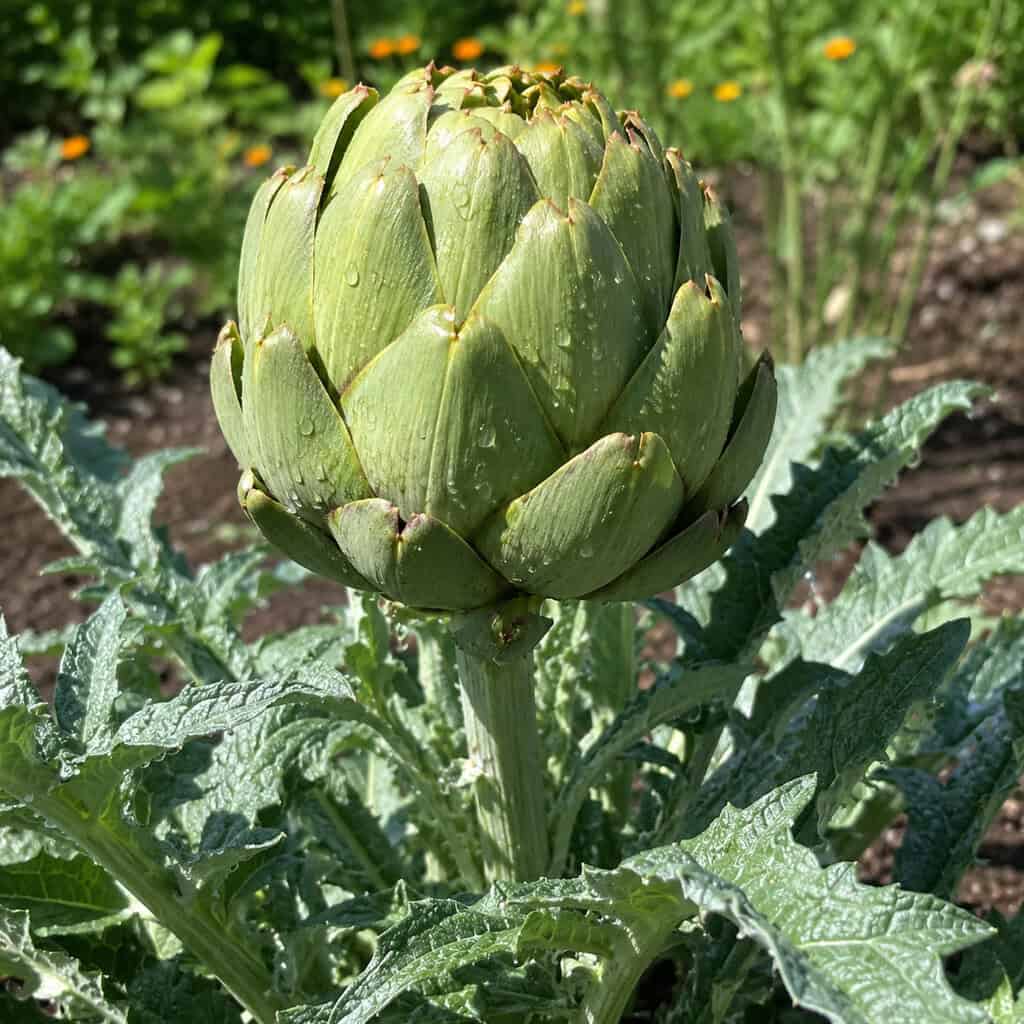
The fancy one. The part you eat is an unopened flower bud, harvested before it blooms into a purple thistle.
Climate decides everything here. In zones 7 through 10 it’s a true perennial that returns for years. In zones 5 and 6 it’s a gamble that needs heavy mulch and a little luck to overwinter.
Worth the gamble, though. Have you priced fresh artichokes lately?
6. Egyptian Walking Onions
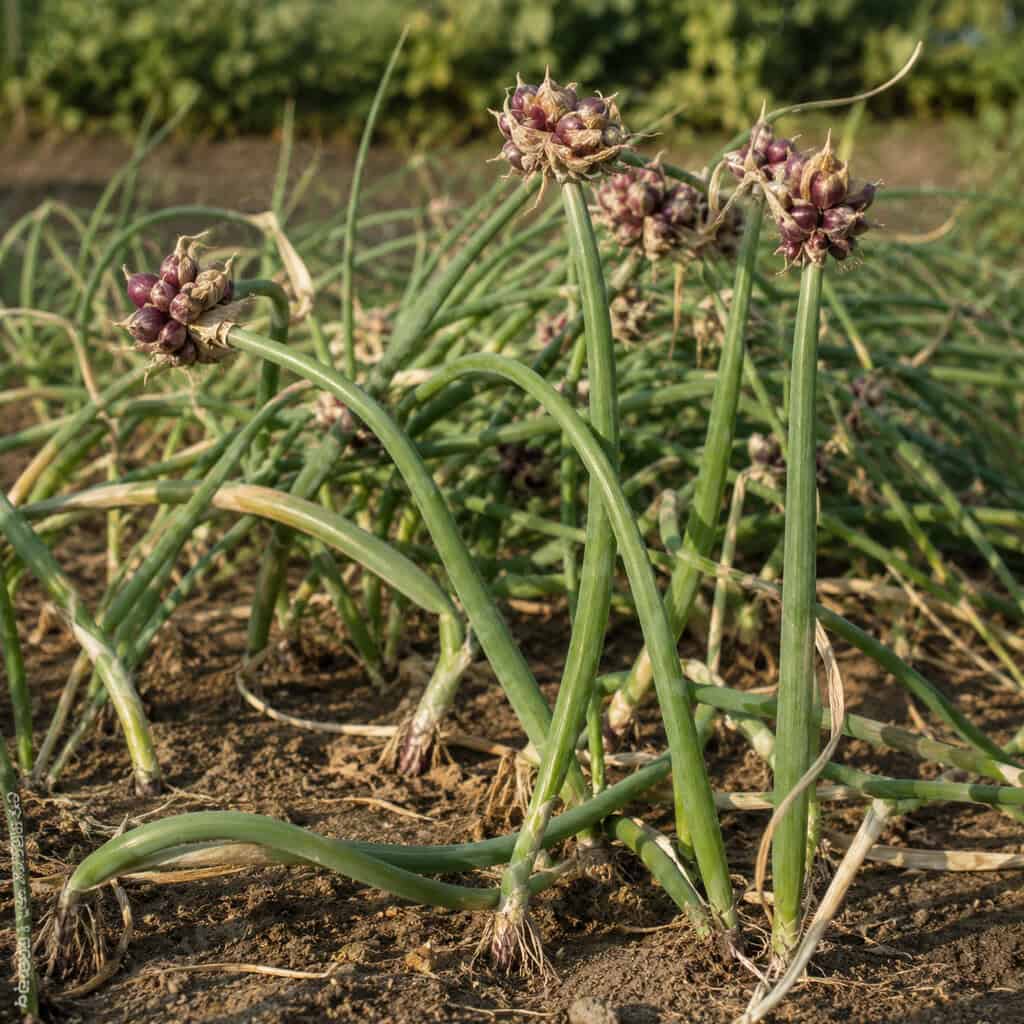
This one actually moves.
Instead of flowers, it forms clusters of little bulblets on top of tall stalks. The stalks get top-heavy, topple over, and the bulblets root wherever they land. The plant literally walks across your bed.
It’s hardy from zones 3 to 9 and harvestable across the whole season, not just at one pull date like ordinary onions.
Charming, weird, and nearly impossible to kill.
7. Potato Onions (Multiplier Onions)
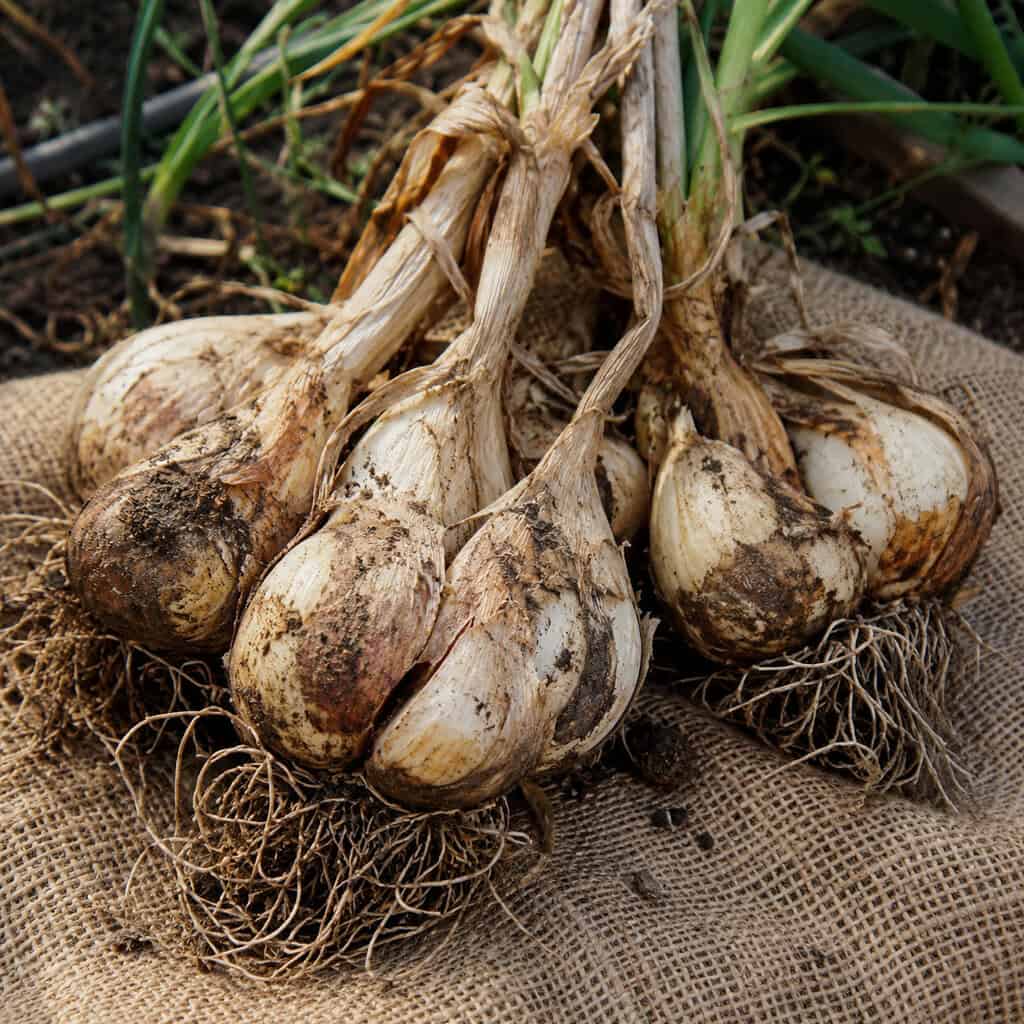
Plant one bulb, dig up a whole cluster.
Potato onions multiply by division, the way garlic does. Save a few from each harvest to replant and the crop carries on indefinitely, free of seed costs forever.
Here’s the kicker. Leave some in the ground over winter and they’ll sprout again on their own come spring, hardy through zone 3.
8. Bunching Onions (Scallions)
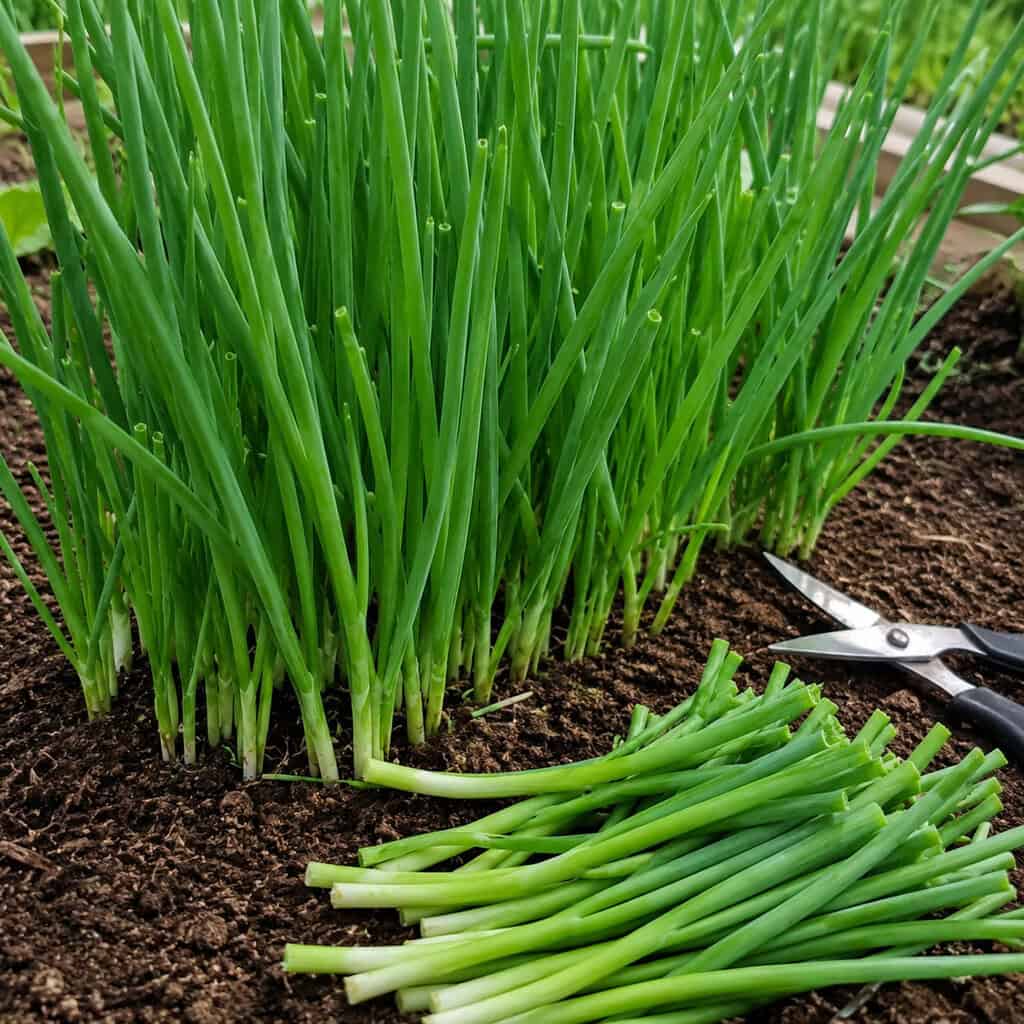
The easiest allium to start with.
Leave a clump in the ground and it keeps producing green onions for years. Snip what you need, let the rest regrow.
Unlike potato onions, scallions grow readily from seed, which makes them a forgiving first perennial. Hardy in zones 5 through 9, they ask for almost nothing.
A starter perennial that earns its spot in any kitchen garden.
9. Chives
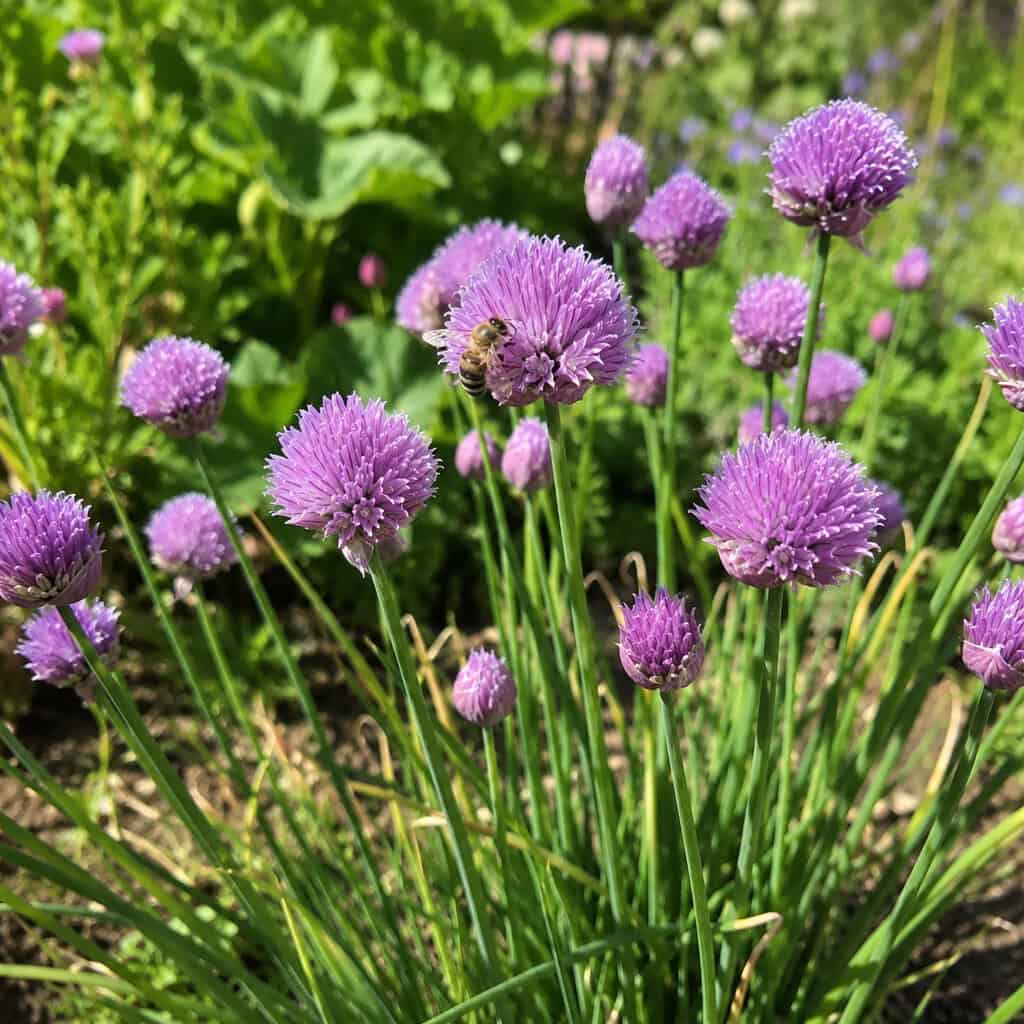
Bulletproof. That’s the word.
Chives blur the line between herb and vegetable, and once a clump is established it can be cut three or four times a year for decades.
The purple pom-pom flowers are edible too, and bees love them. Plant chives near anything that needs pollinating and you’ve added a magnet for free.
Full sun, rich soil, and a pair of scissors. That’s the whole job.
10. Hardneck Garlic
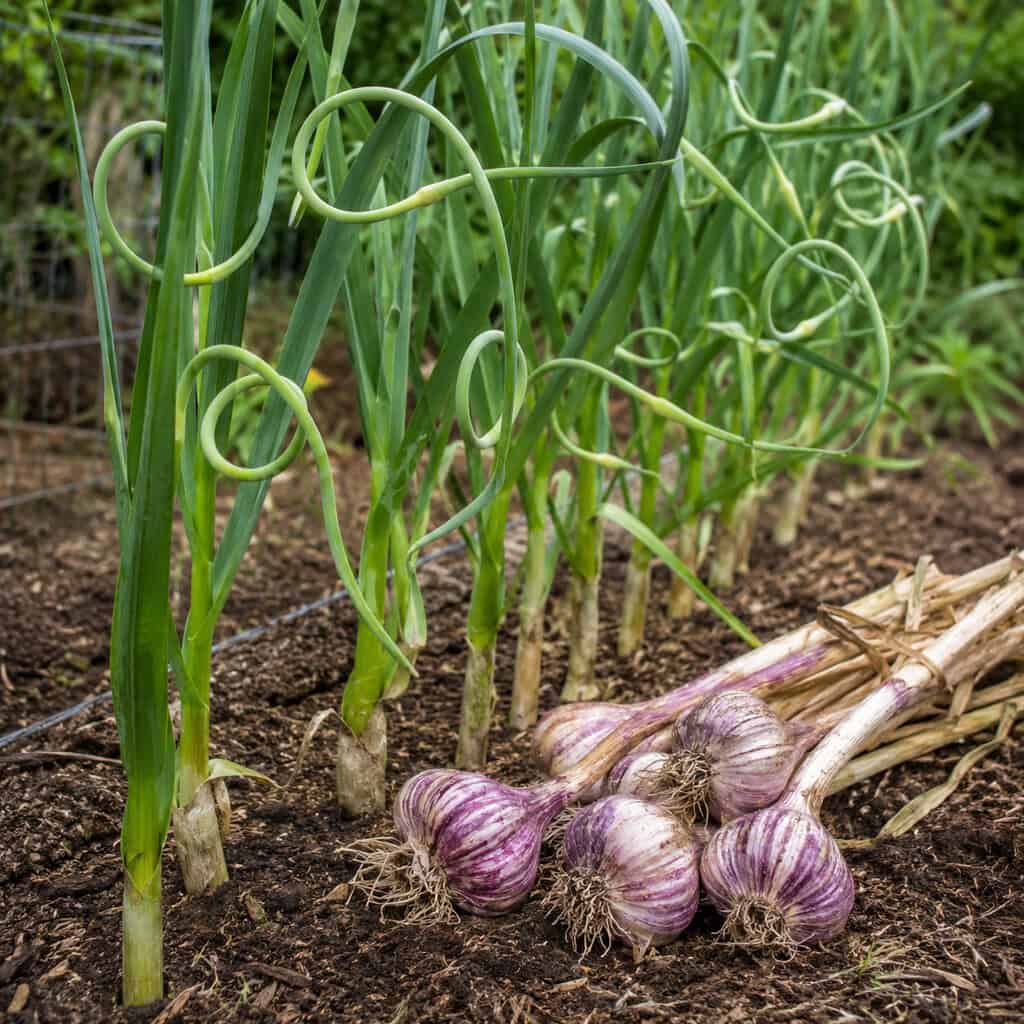
Most gardeners replant garlic every fall. They don’t have to.
Hardneck types left undisturbed will return on their own, sending up new growth from cloves you never lifted.
And they’re tough. Where softneck supermarket garlic sulks in the cold, hardneck varieties shrug off temperatures down to zone 0. It’s a genuine did-you-know for anyone who assumed garlic was a once-a-year chore.
11. Garden Sorrel
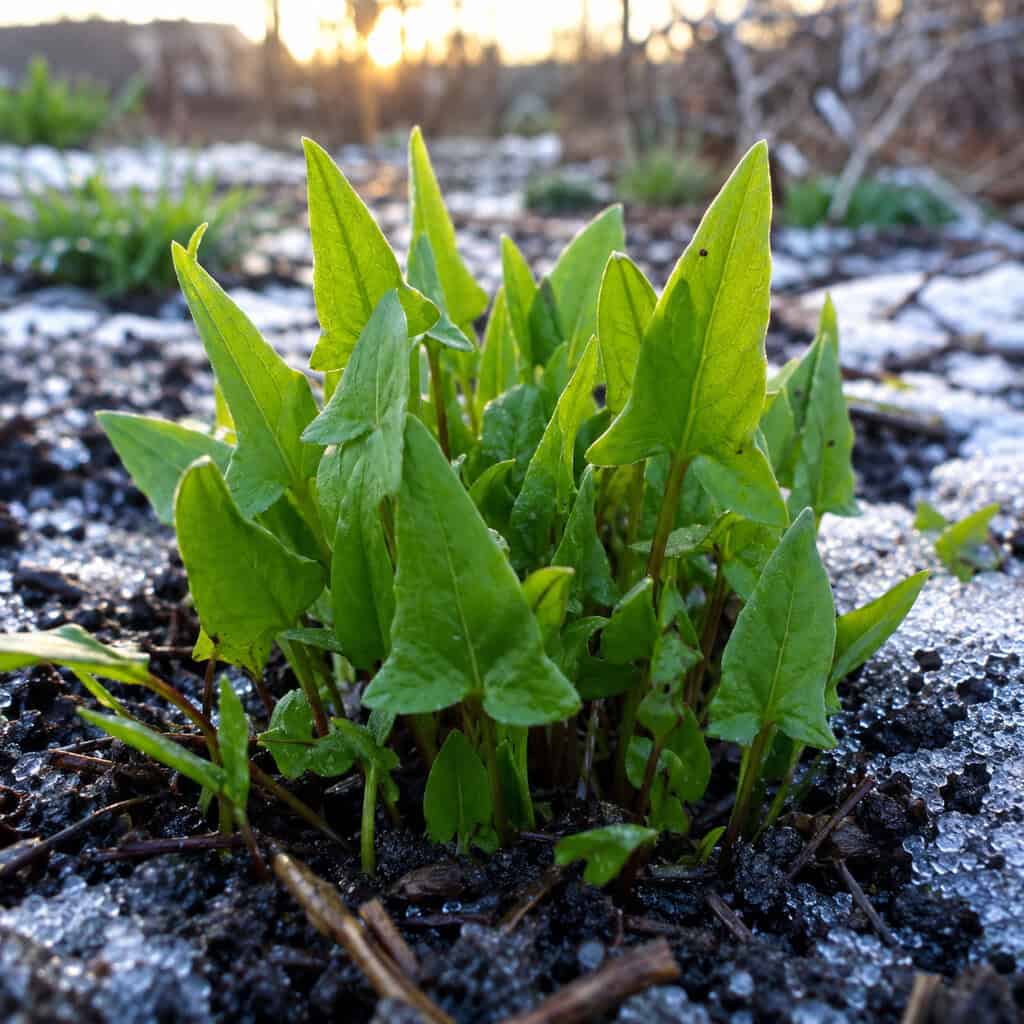
One of the first green things up in spring.
Sorrel’s lemony, tangy leaves arrive early enough to fill the hungry gap — that lean stretch before the rest of the garden wakes up. Hardy from zones 3 to 9, it shrugs off frost.
A note for sensitive eaters: like rhubarb stalks, sorrel runs high in oxalic acid, so enjoy it in moderation rather than by the bowlful.
Chop it into soup and it melts into a bright, sour silk.
12. Lovage
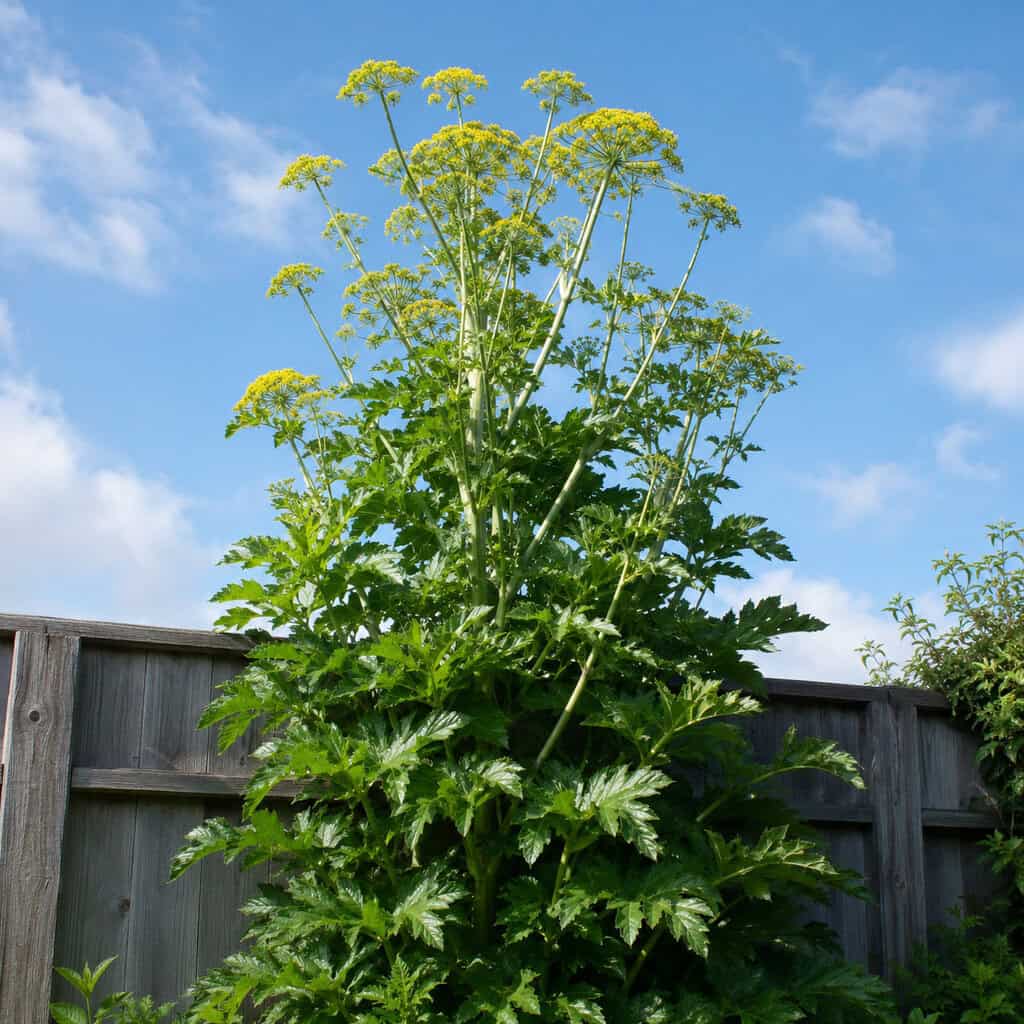
Ancient and nearly indestructible.
Lovage tastes like celery turned up to eleven, and a single plant towers to six feet in good soil. Cooks once leaned on it for soups and stocks before it slipped out of fashion.
It reseeds happily but won’t take over the way horseradish does. Hardy through zones 3 to 8, it’s a low-stakes, high-flavor addition that deserves a comeback.
13. Good King Henry
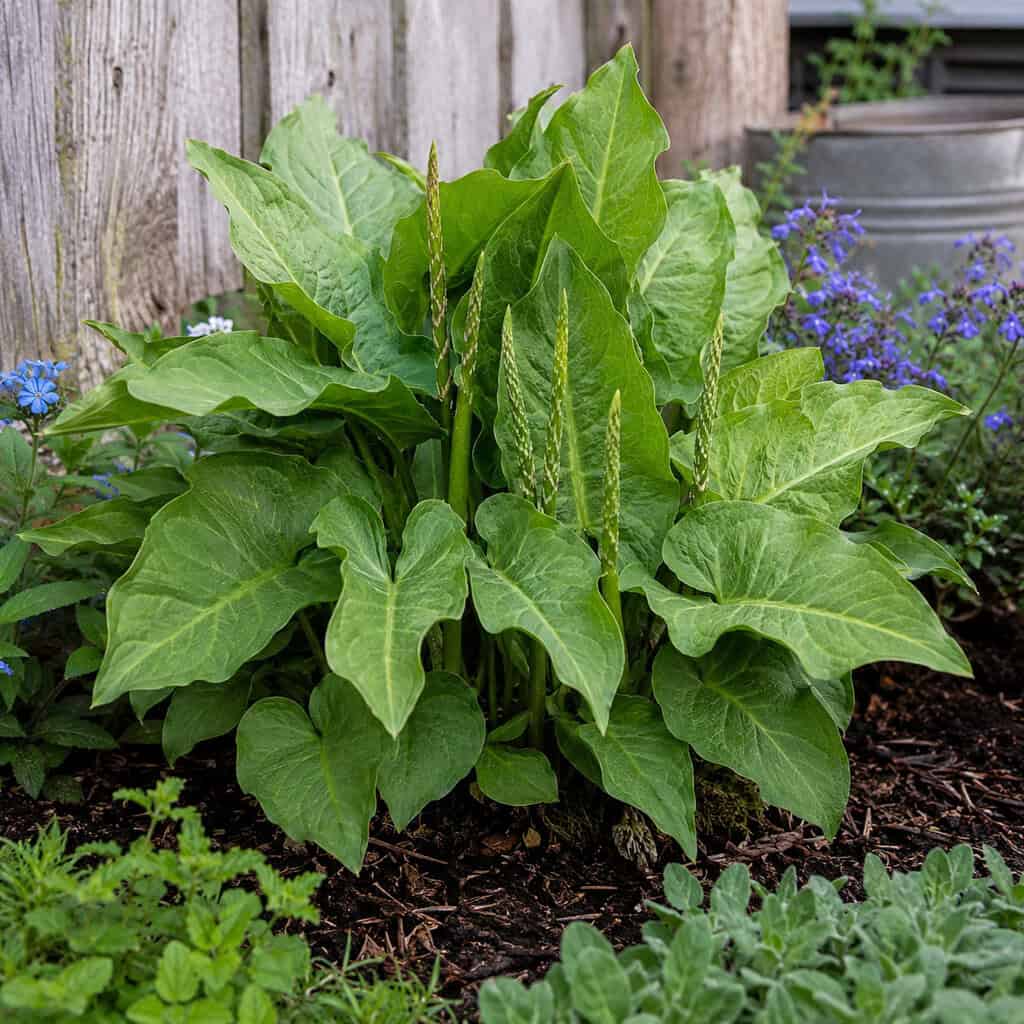
An old-world green with a name fit for a tapestry.
European settlers carried this spinach relative across the Atlantic, and it’s been quietly returning in cold-climate gardens ever since.
The young spring shoots are the prize. Cut and cook them like asparagus, then let the plant leaf out for greens later in the season. Pure heritage charm, and a plant-once perennial through and through.
14. Sea Kale
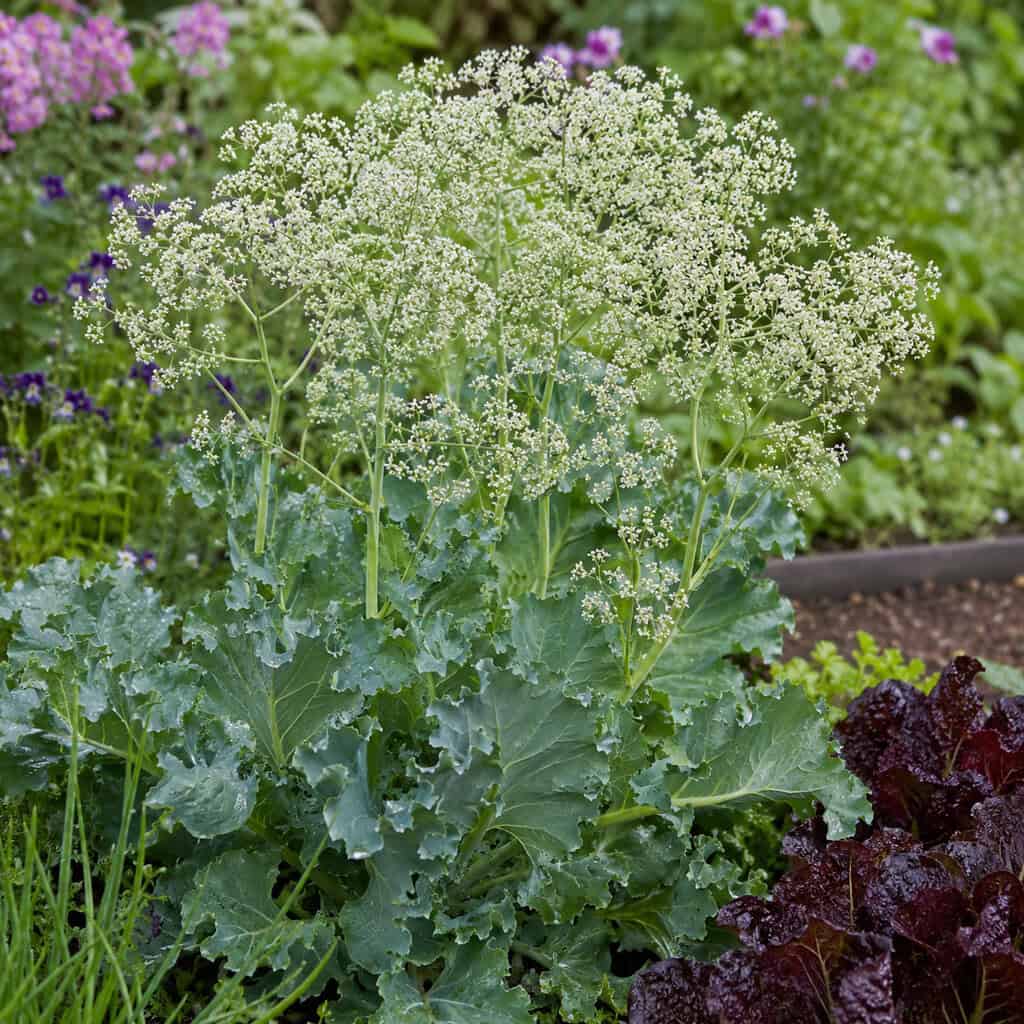
Pretty enough for the flower border.
Sea kale is a coastal brassica with blue-green ruffled foliage and clouds of honey-scented white blooms. It belongs in an ornamental bed as much as a vegetable patch.
And nearly all of it is edible — leaves, stems, flower buds, even the roots. Hardy in zones 5 through 9, it’s the rare perennial that earns its keep on looks alone before you ever eat a bite.
15. Tree Collards (Perennial Kale)
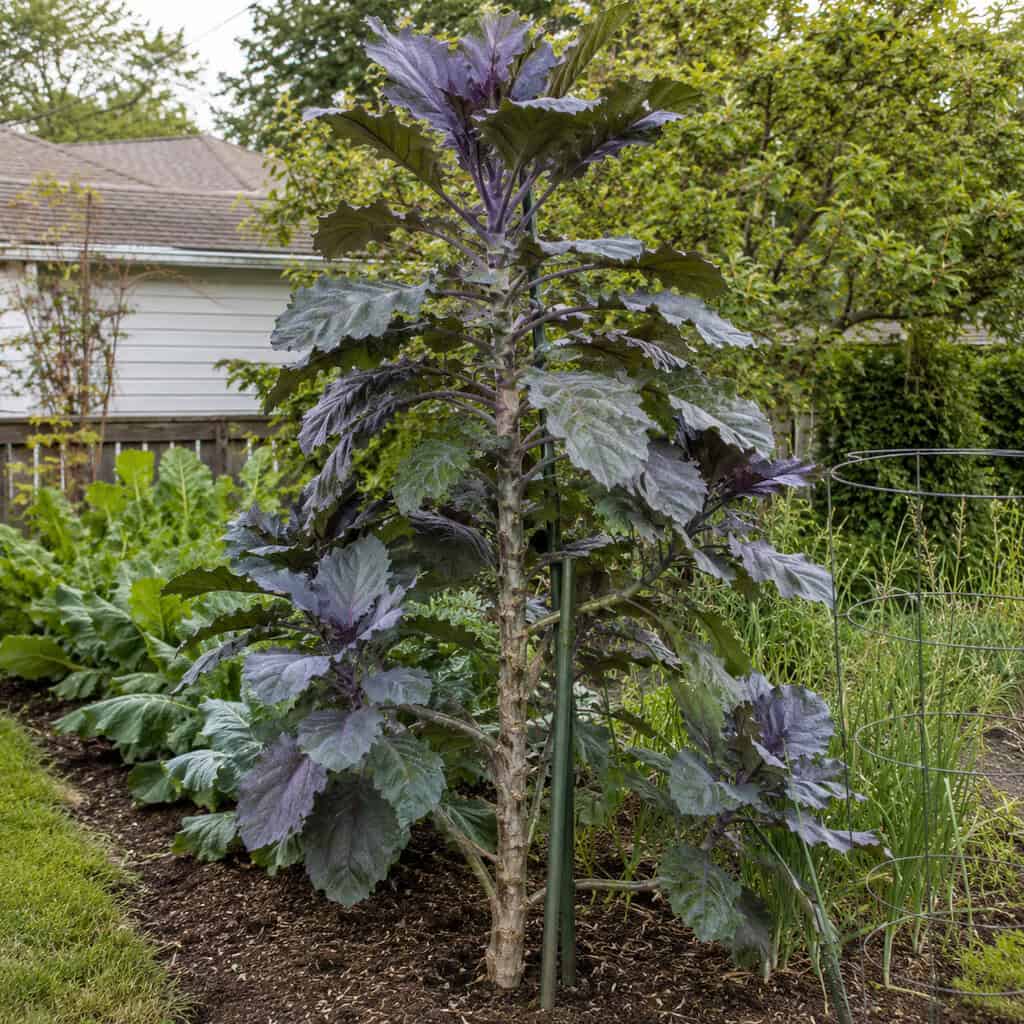
This is the one that makes people stop and stare.
Tree collards grow into a leafy shrub up to five feet tall and keep producing for years — sometimes well over a decade in mild climates.
There’s a reason you’ve never seen them in a seed packet. Victorian seed companies bred most kale into tidy annuals and biennials they could sell every year. Tree collards survived by being passed hand to hand as cuttings, gardener to gardener. Gardening Know How notes they’re best in zones 7 through 10, though hardy strains push into 5 and 6.
Beg a cutting from someone who has one. That’s still how they spread.
16. Turkish Rocket
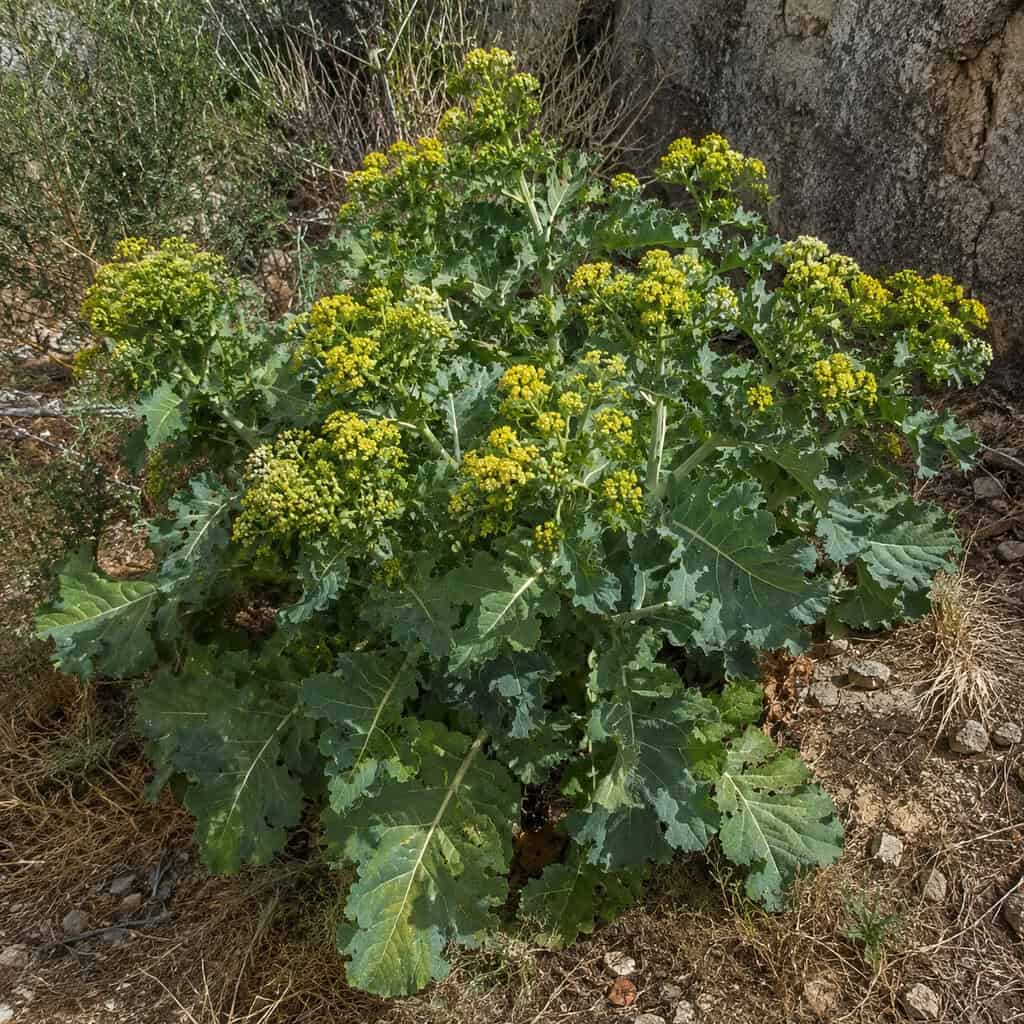
Built like a tank.
Its young florets cook up like broccoli raab, with a bright mustardy bite. The leaves work as a cooked green when they’re young and tender.
The real selling point is underground. Turkish rocket sends down a massive deep root that makes it almost absurdly drought-resistant and cold-hardy. Plant it once in a tough corner and it simply refuses to quit.
17. Perennial (Wild) Arugula
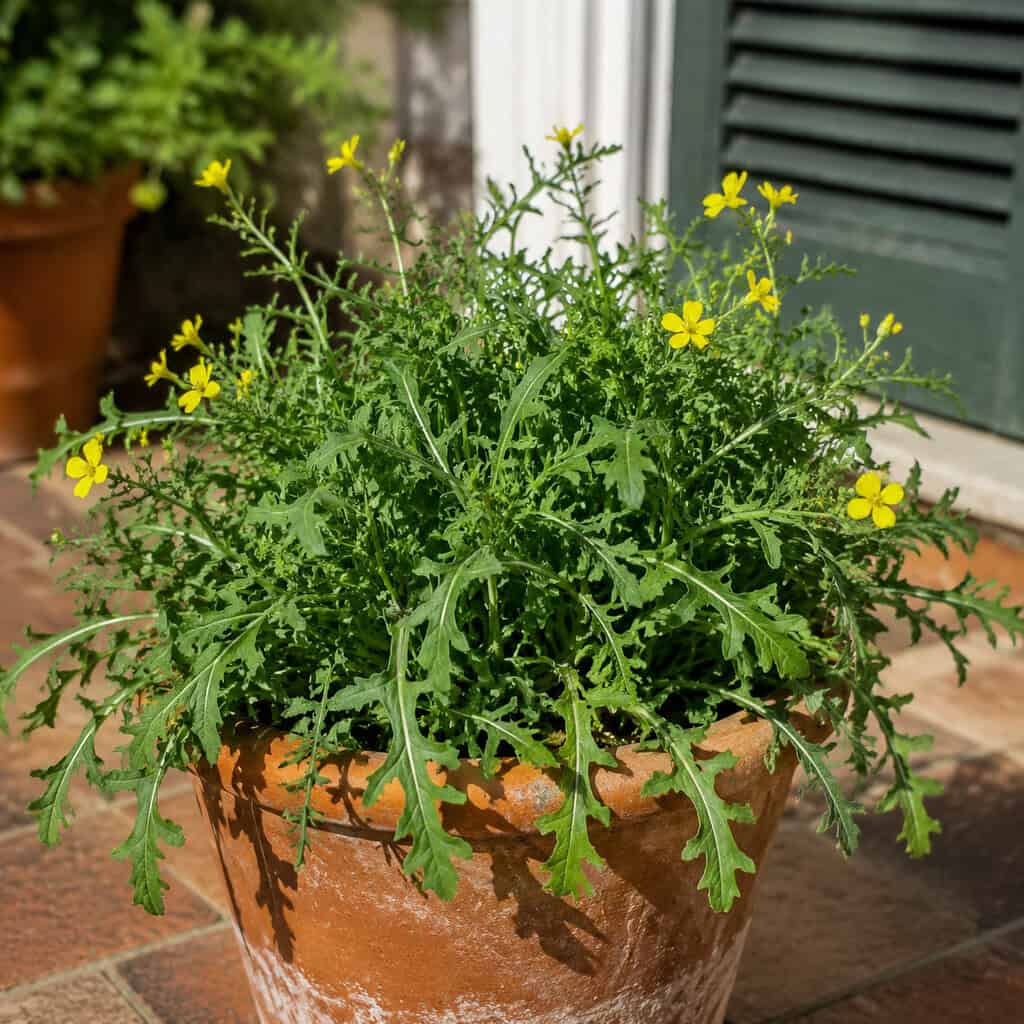
Not the arugula you know from a seed packet.
This is the sylvetta type, a different species entirely. It’s peppier, narrower-leafed, and comes back year after year instead of bolting and dying off in summer heat.
If you love arugula on pizza, this is the easy swap. One planting in a warm climate keeps the spicy greens coming long after annual arugula has thrown in the towel.
18. Scorzonera (Black Salsify)
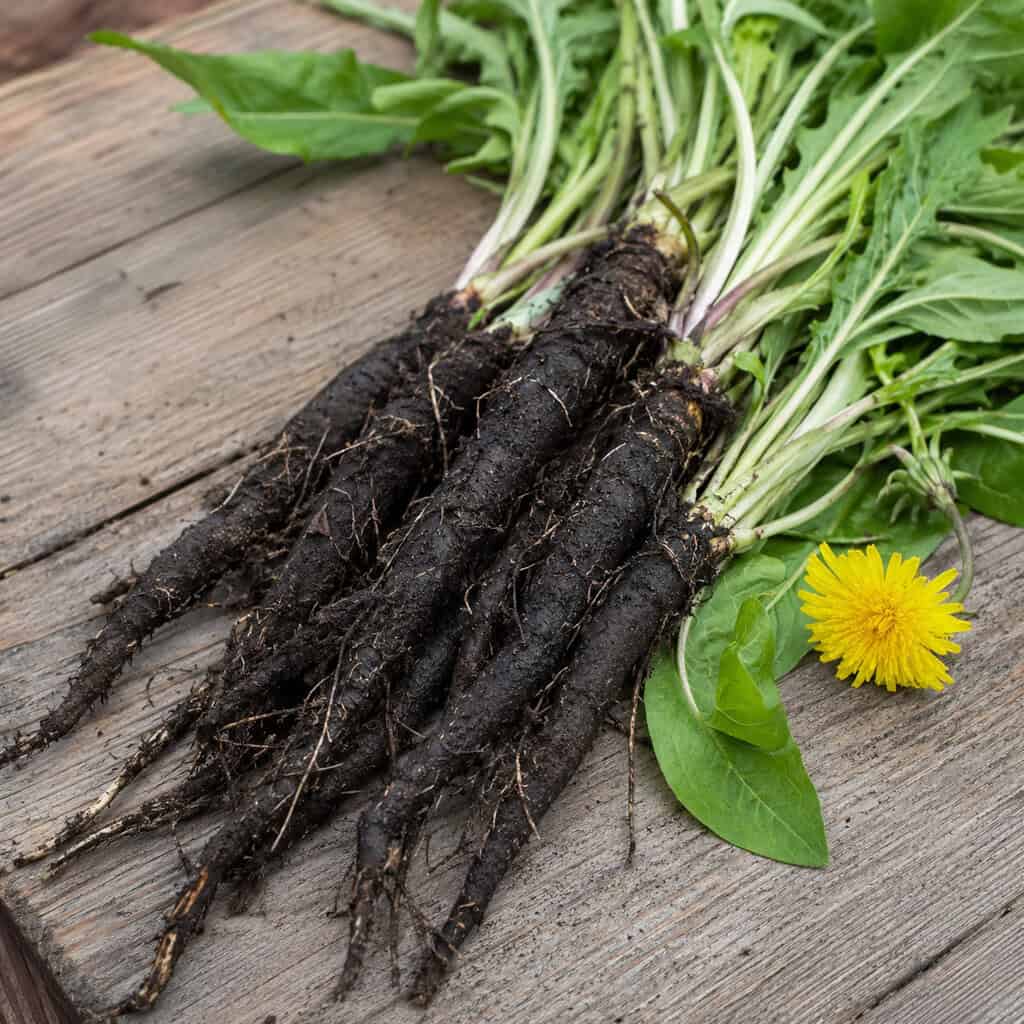
A medieval favorite that history nearly erased.
Scorzonera works two ways. The mild leaves serve as a green, and the long black-skinned root, hardy to zone 4, is nutrient-dense enough to stand in for potatoes.
Cooks in medieval Europe treasured it. Today almost no one grows it, which is exactly why it belongs on a list like this — a forgotten root waiting for a second act.
19. Skirret
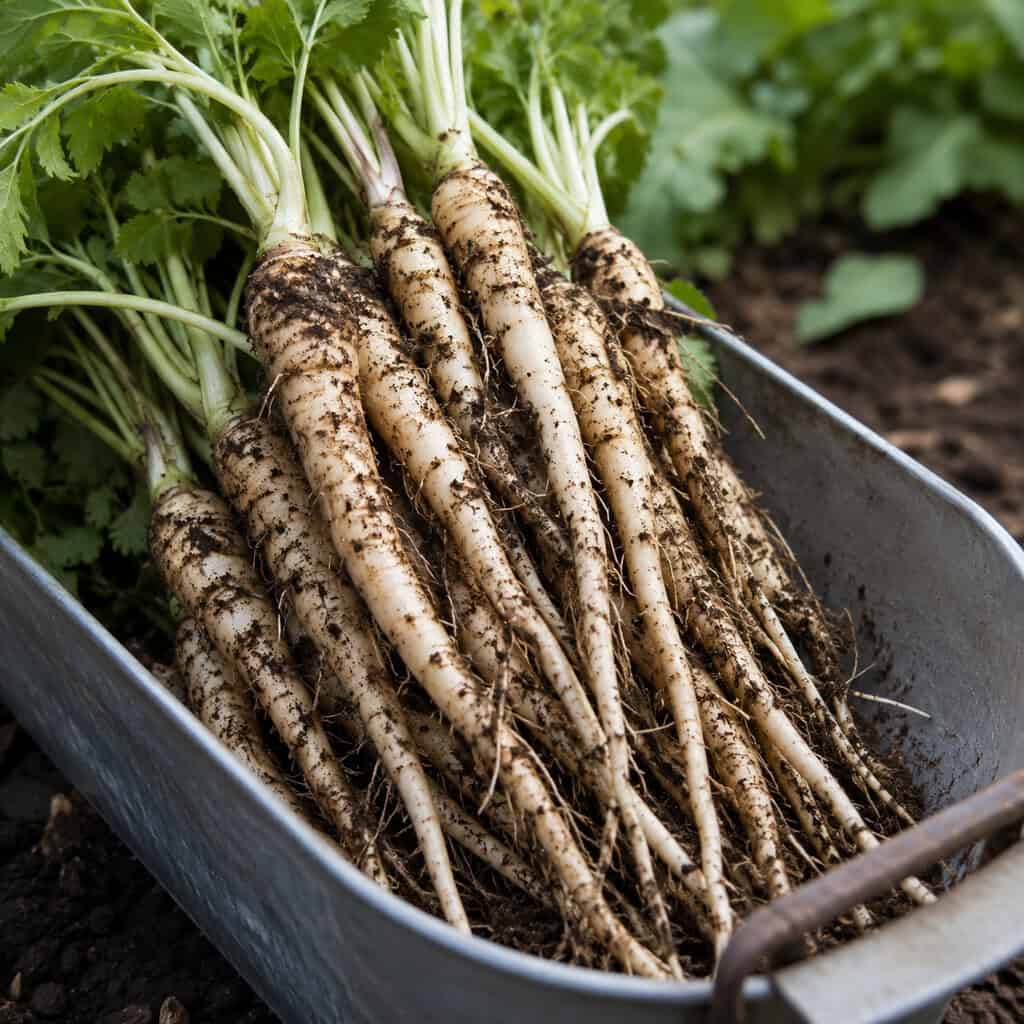
Before the potato conquered Europe, people ate skirret.
It’s a member of the carrot family that grows in sweet, slender clustered roots. Boiled or roasted, the flavor leans sugary, almost like a parsnip with dessert ambitions.
Cool climates suit it well, and once established it returns each year. A deep-cut heritage entry for anyone still scrolling — and you should be.
20. Ramps (Wild Leeks)
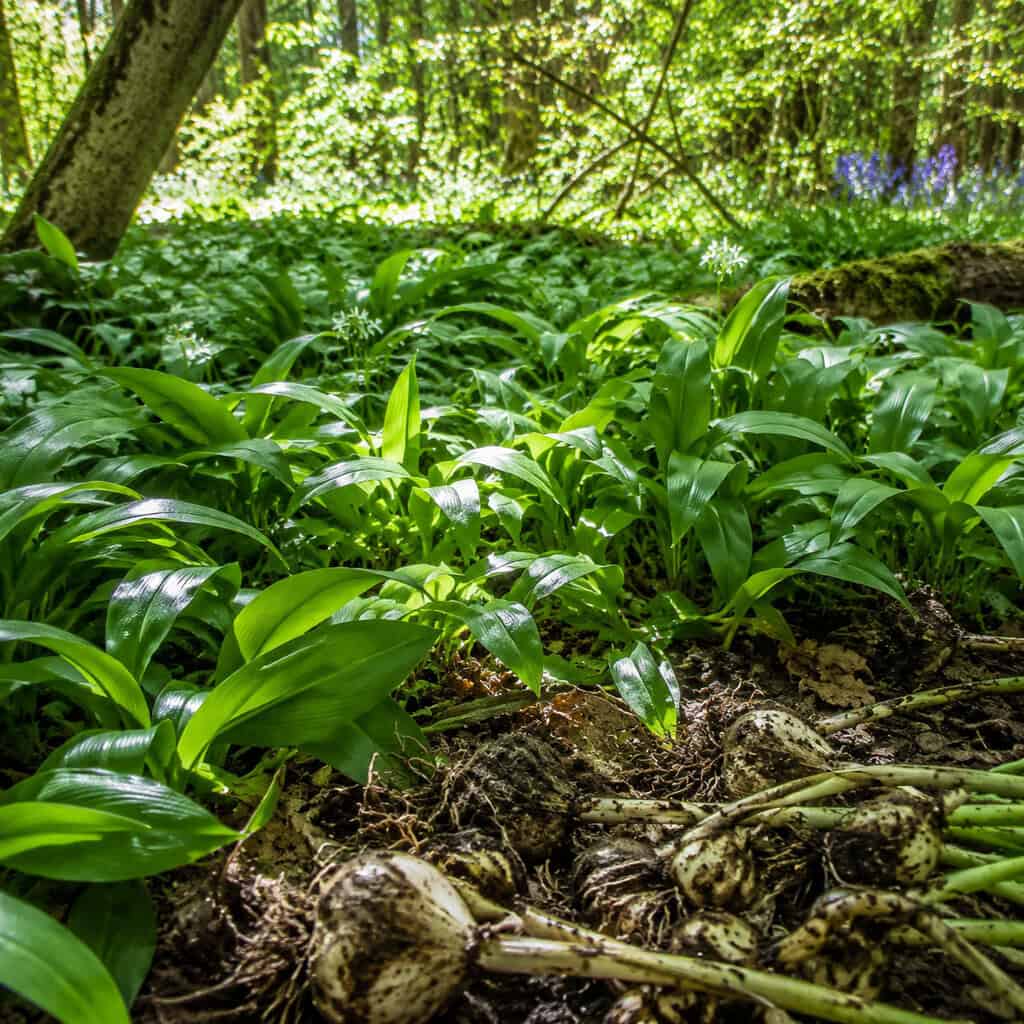
The foraging world’s prize, and you can grow your own.
Ramps are a woodland allium with a flavor somewhere between onion and garlic. The whole plant is edible, leaves and bulb alike.
Best of all, they want shade. Ramps thrive under trees where almost nothing else edible will, hardy from zones 4 to 9. Plant a patch in dappled forest light and stop paying restaurant prices for them every spring.
21. Watercress
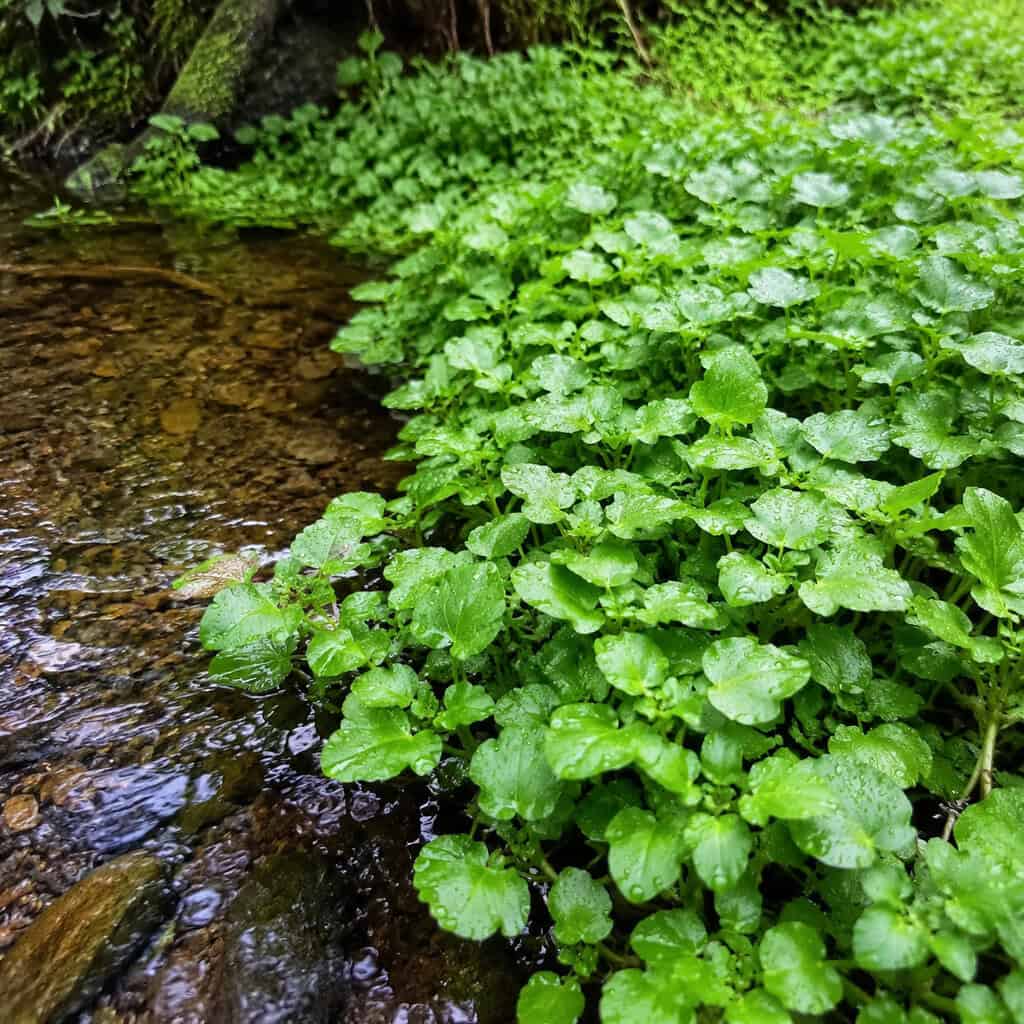
Be careful what you wish for.
This peppery mustard-family green doesn’t need full sun. Give it a pond edge, a stream margin, or a damp pot and it flourishes, hardy across zones 3 to 11.
Once it’s happy, you may never get rid of it. Watercress spreads with real enthusiasm in wet ground, so plant it somewhere you’re glad to see it return every single year.
22. Dandelion
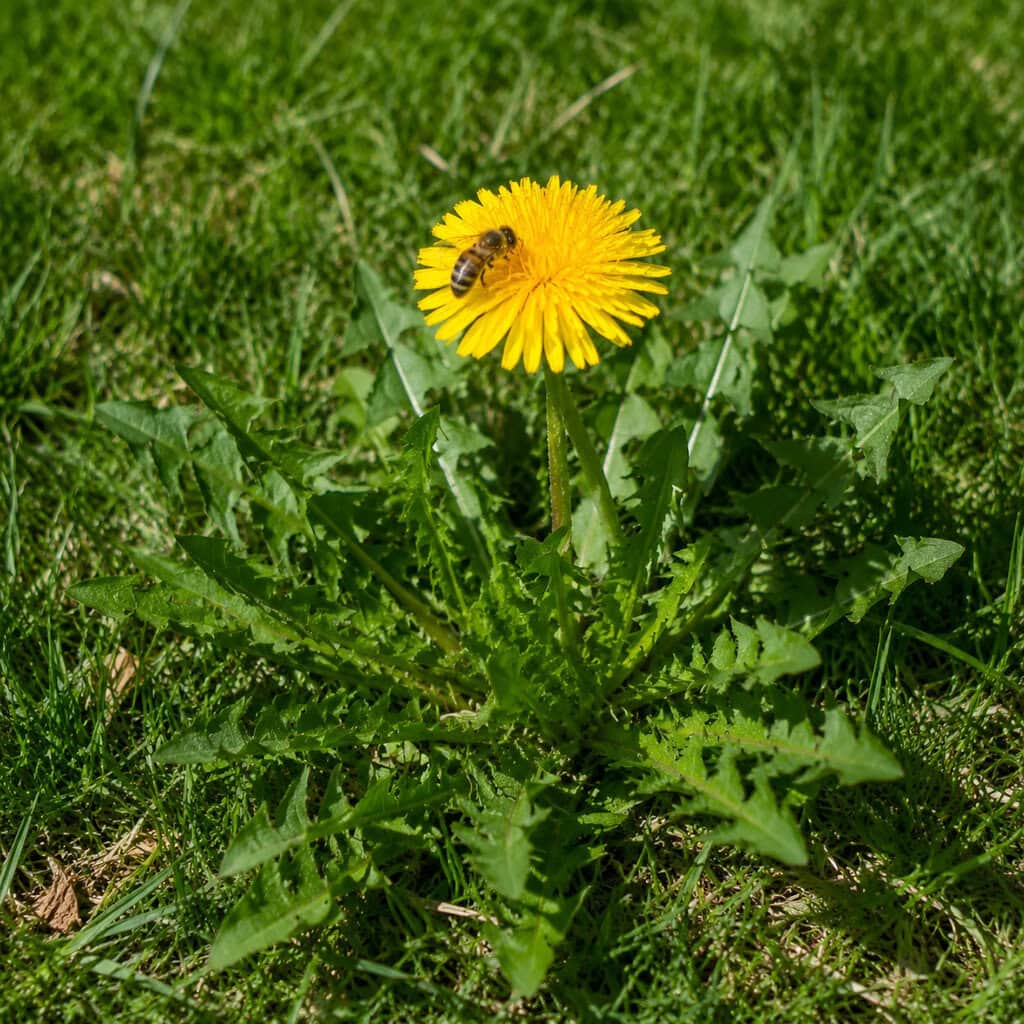
The plant you’ve been at war with is one of the most useful perennials you could grow.
Every part is edible. The young leaves go in salads, the roots roast into a coffee substitute, the flowers feed early bees before anything else is blooming.
And you don’t even have to try. But if you want better flavor, less-bitter cultivars exist, including an ornamental pink-flowered dandelion that’s almost too pretty to weed. Hardy from zones 3 to 10, it grows itself.
Maybe call a truce.
23. Caucasian Mountain Spinach (Hablitzia)
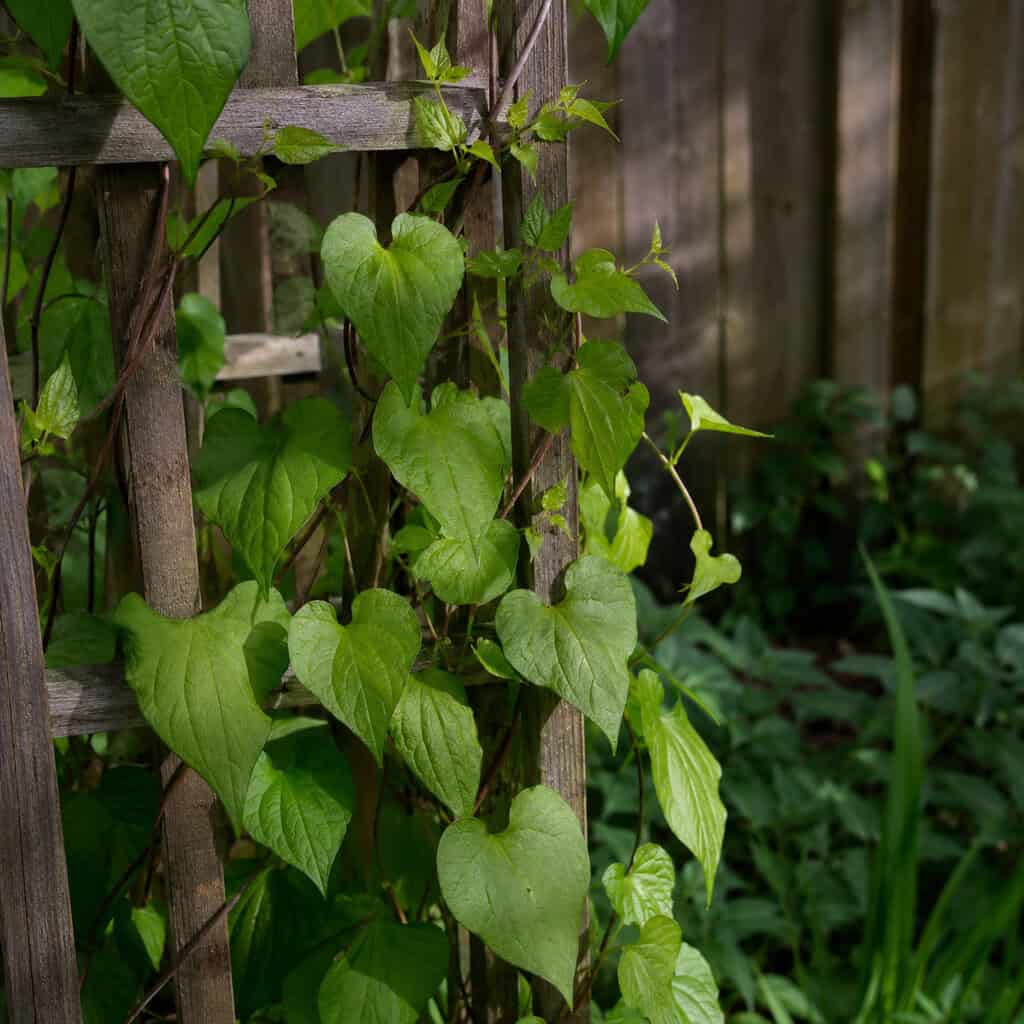
A spinach that climbs, and lives longer than your mortgage.
Hablitzia is a perennial vine that produces tender, bitterness-free greens in early spring, right when you want them most. It tolerates shade and can live 50 years or more from a single planting.
Hardy to zone 3, it’s one of the best hungry-gap crops in existence. Train it up a fence or trellis and harvest leaves before most gardens have even thawed.
24. Scarlet Runner Beans
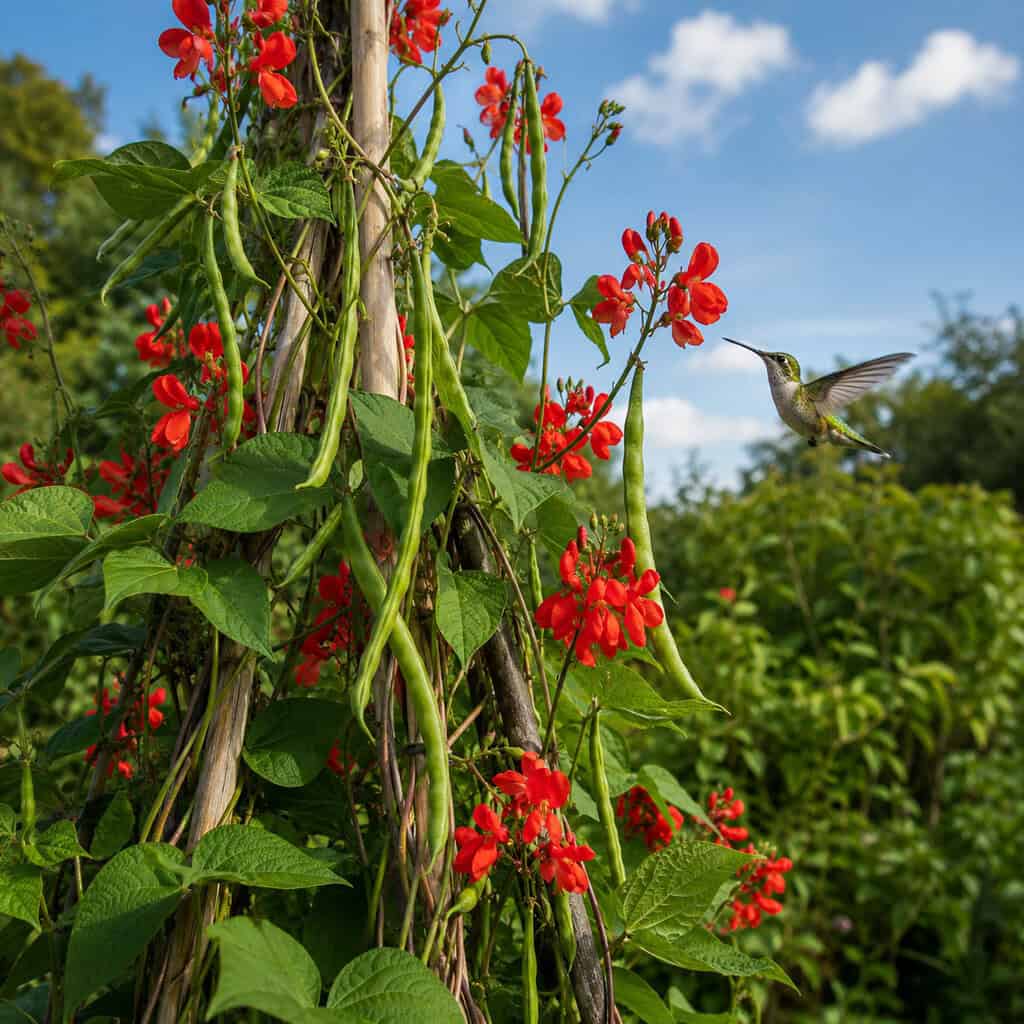
A showy vine that doubles as a perennial where winters stay mild.
The brilliant red blooms are ornamental on their own and pull in hummingbirds all summer. Behind the flowers come long, edible pods and large speckled beans.
In frost-free regions the roots survive underground and resprout, and some gardeners report harvesting from the same vine for 20 years. Where it freezes, grow it as a stunning annual and let it ramble.
25. Wasabi
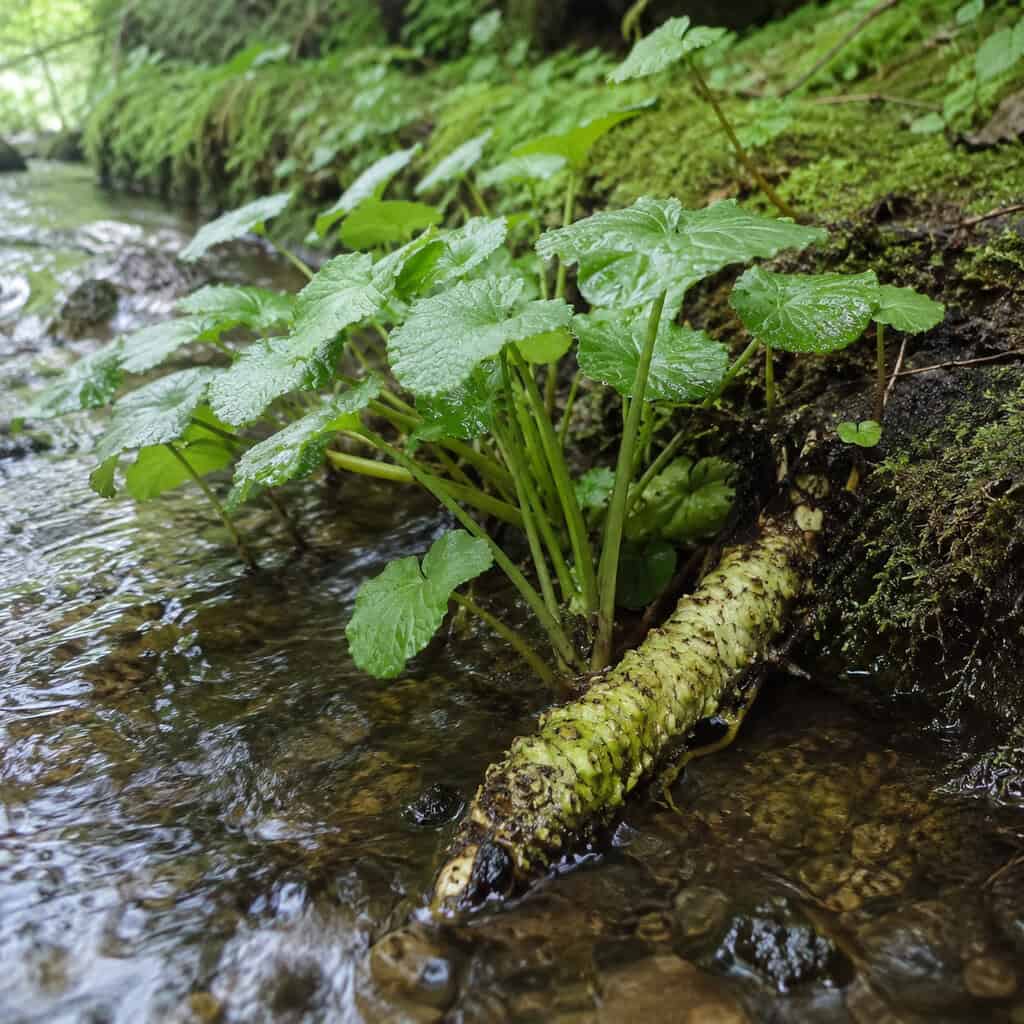
The hardest one to pull off, and the most impressive if you do.
True wasabi — sometimes called Japanese horseradish — is famously fussy. It wants cool, shaded, constantly moving water, like a mountain streambank, conditions almost no backyard naturally provides.
It’s a semi-aquatic perennial best suited to zones 6 through 9, and frankly more of a novelty than a staple for most gardens. But for the gardener with a shaded creek and something to prove, nothing else on this list comes close to the bragging rights.
Every plant here breaks the annual cycle. You do the work once, and the garden keeps paying you back long after the trowel goes back in the shed.
Some are easy starters — chives, scallions, dandelions you already have. Others are heirloom oddities that reward the curious. Mix a few into the beds you already tend and you’ll spend less time replanting and more time eating.
The best gardens aren’t the ones you rebuild every spring. They’re the ones that remember you planted them.
I wish I could save this to Pinterest! I get enough emails, I don’t want to look through emails to find this. I usually ignore these kinds of postings because of that.