

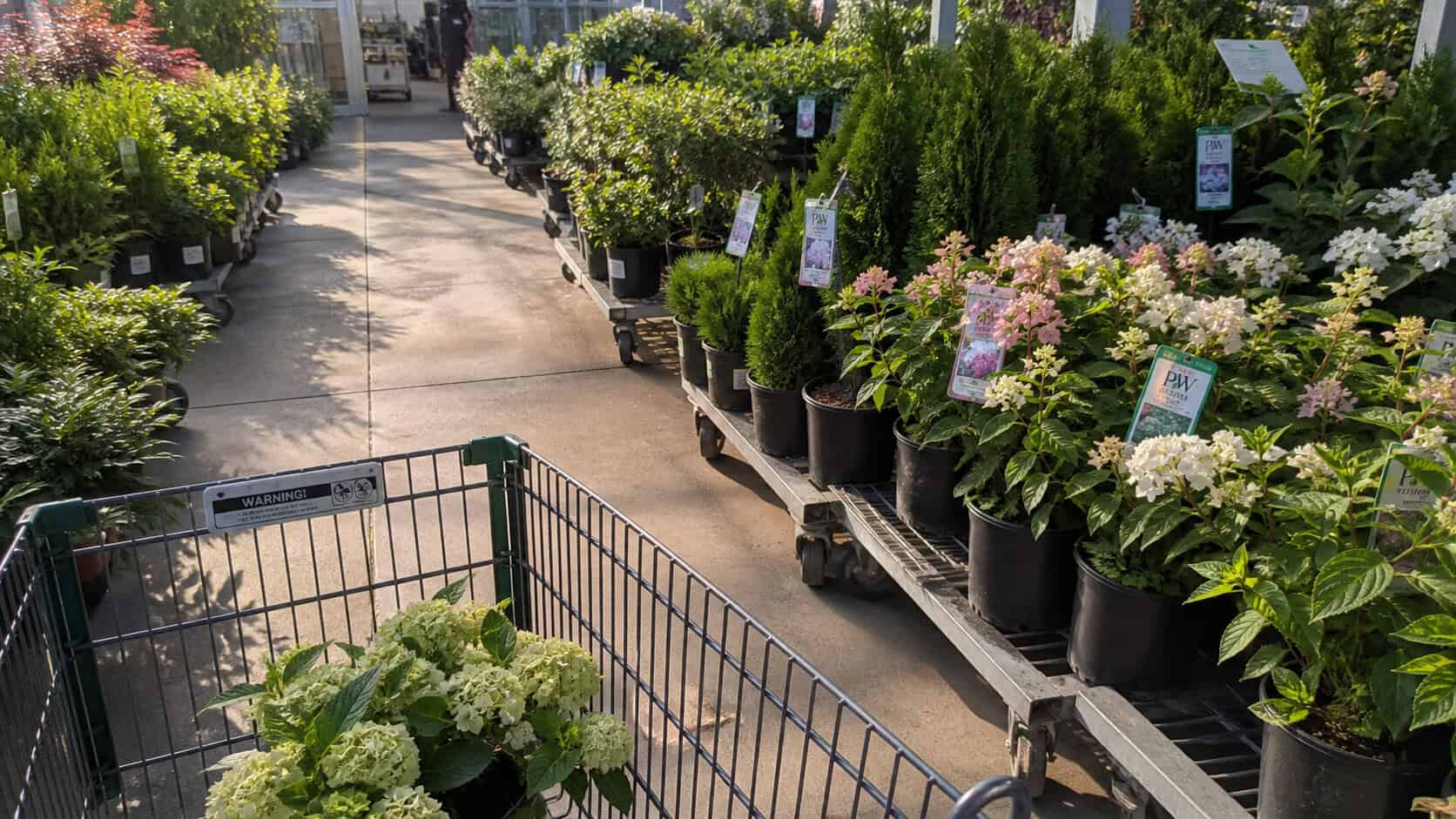
Nursery professionals spend their days surrounded by plants — and that expertise comes with opinions most customers never hear. Ask one off the clock what’s actually in their personal garden and you’ll get a very different list than what’s sitting under the sale sign.
Because they’ve seen the aftermath. The fence line devoured by a vine that was “just decorative.” The sewer bill traced back to that fast-growing tree. The dog rushed to the vet over berries that came with no warning label.
These are the plants that move off the shelf every spring, look gorgeous in a pot on a sunny afternoon, and turn into someone else’s problem by year four — when the receipt is long gone and the roots are not.
Knowing which ones to skip is the kind of knowledge that takes years to earn at a nursery. Here’s the shortcut.
1. Trumpet Vine
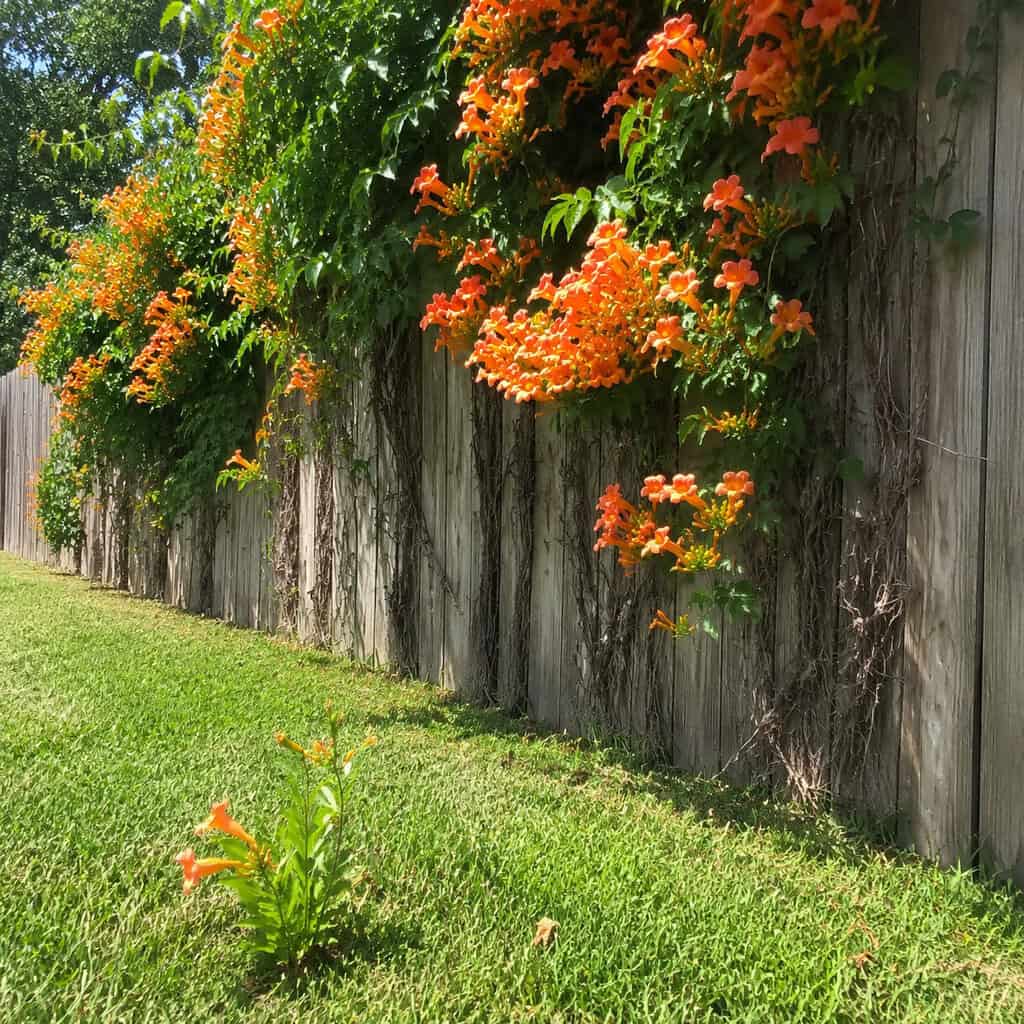
Hummingbirds love it. So does chaos.
Trumpet vine climbs anything and roots wherever it touches soil, sending up suckers 30 feet from the parent plant. It works into siding, fences, and mortar joints.
Kill the main vine and the suckers keep coming for years. It’s one of the hardest ornamentals to fully remove.
Want hummingbirds all season without the invasion? Native honeysuckle and salvia get the birds without eating your house.
2. English Ivy
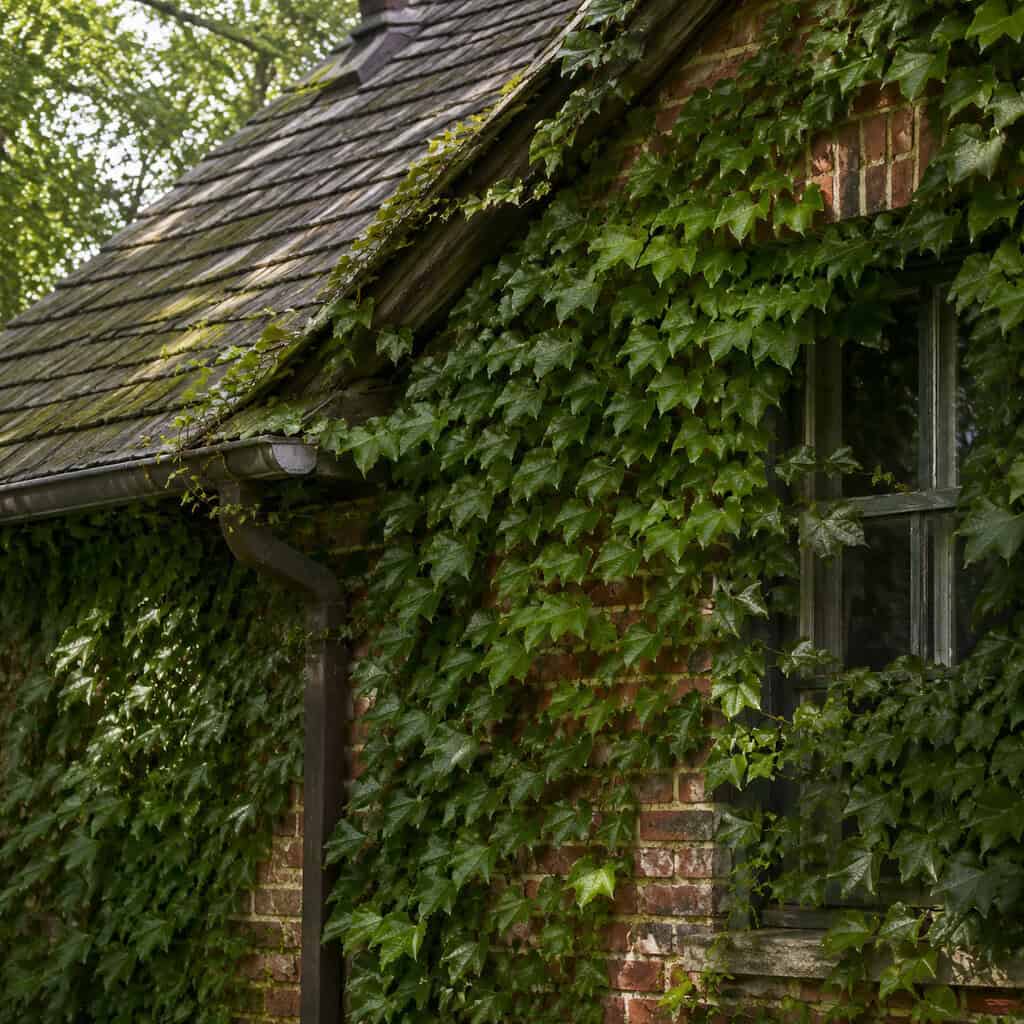
That tidy green carpet in the nursery pot is a lie about what’s coming.
Give it three years and it’s climbing your siding, prying under shingles, and strangling every tree it reaches. The clinging roots pull mortar out of brick.
It doesn’t stay where you plant it, either. English ivy is one of the most aggressive escaped ornamentals in the country, smothering woodlands from Oregon to Georgia.
Pulling it out later is a weekend you won’t get back. Skip it.
3. Silver Maple
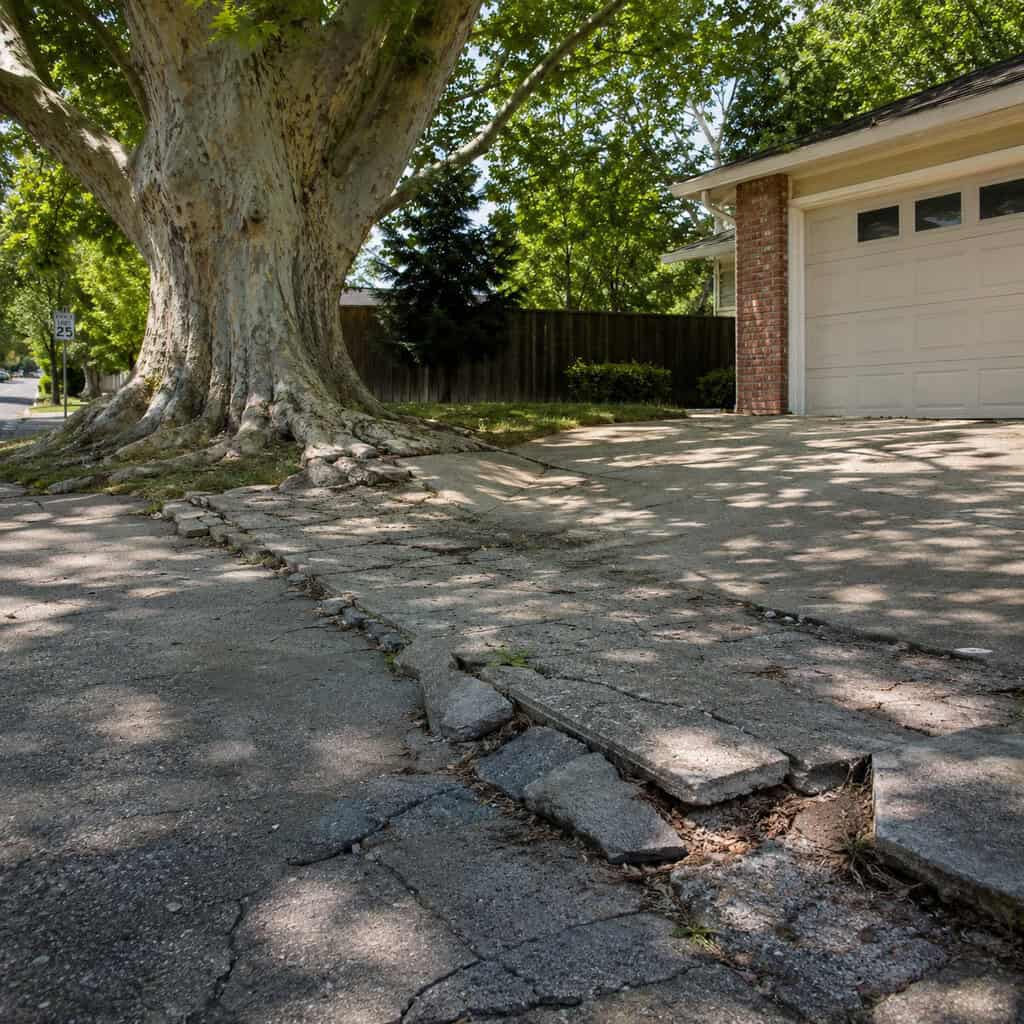
Cheap, fast, and everywhere in older subdivisions.
Silver maple shoots up 3 feet a year, which sounds great until you learn why. The wood is brittle and drops big limbs in every storm.
Worse are the roots. They’re shallow and greedy, buckling sidewalks, invading sewer lines, and heaving up driveways. Plumbers know this tree by name.
You want fast shade? Plant a red maple or a swamp white oak. Silver maple is a repair bill on a trunk.
4. Chameleon Plant (Houttuynia)
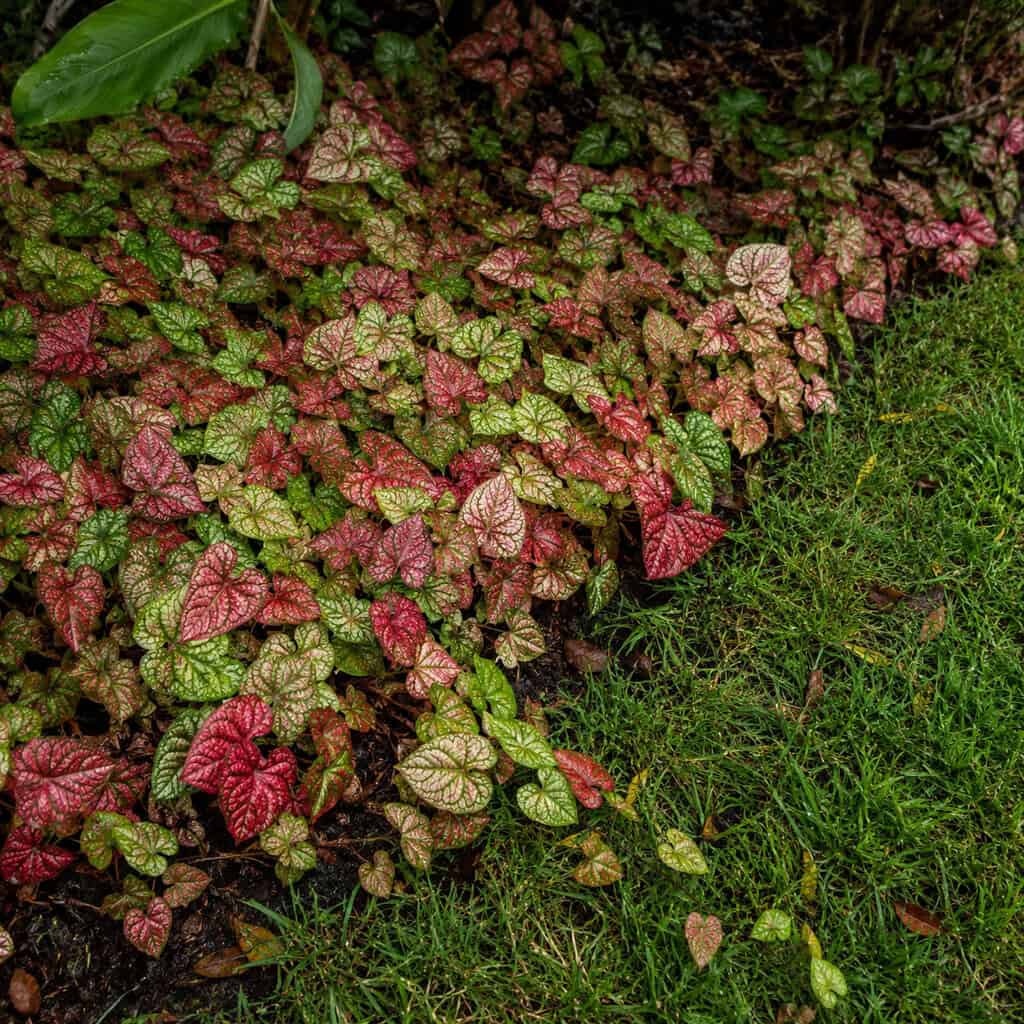
The tag says colorful ground cover. Experienced gardeners call it a botanical horror story.
The heart-shaped leaves come in red, green, and cream, and the plant spreads by deep rhizomes that break off and regrow from the smallest piece. Herbicide barely touches it.
Gardeners on forums swap removal stories that span years. It crushes a bed and then heads for the next one.
It smells faintly of decay when crushed, too. A pretty tag hiding a permanent tenant.
5. Purple Loosestrife
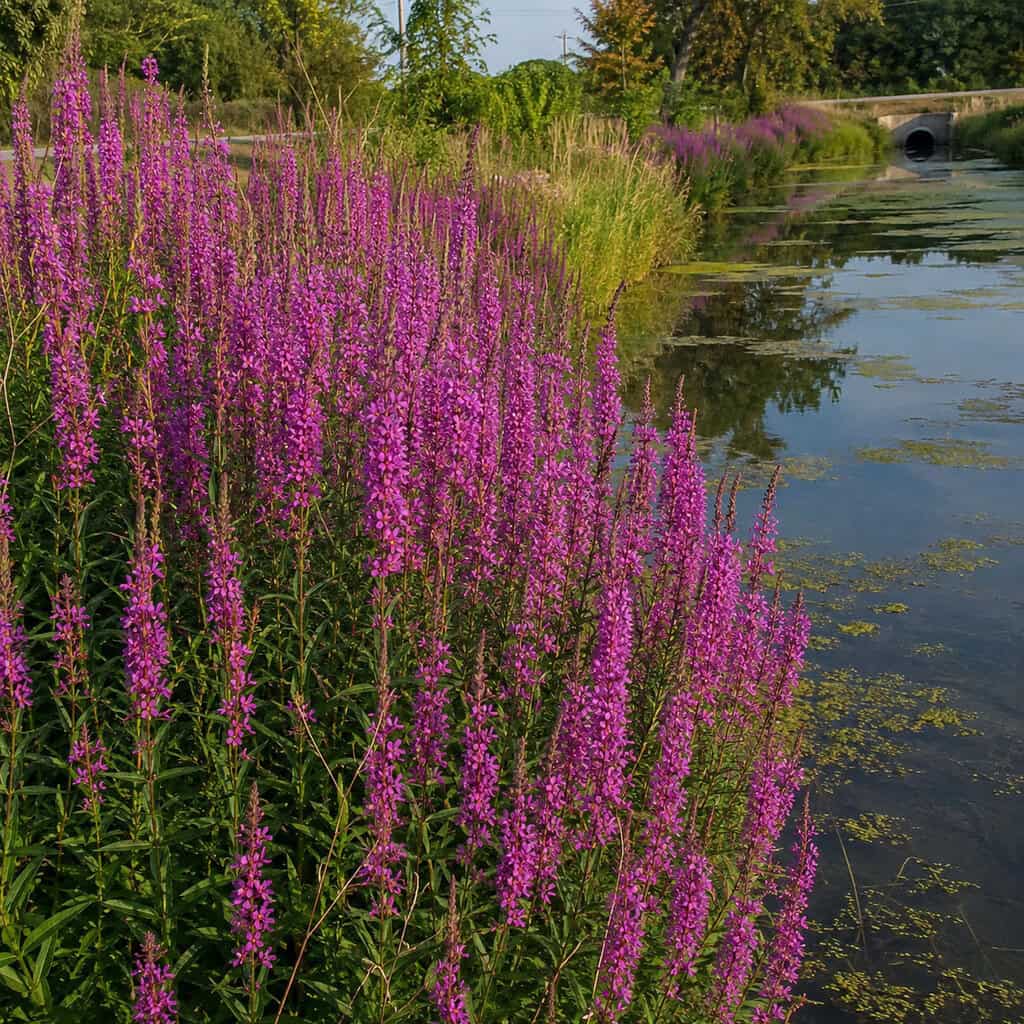
Tall spikes of purple. Sold for years as a pretty perennial.
It’s now illegal to sell in many states because a single plant produces over two million seeds a year. It chokes wetlands into lifeless monocultures.
If you have any drainage ditch, pond edge, or wet corner, it will find it and take over. There’s no casual version of owning this plant.
Some garden centers still slip it in. Recognize it and walk away.
6. Wisteria (Chinese and Japanese)
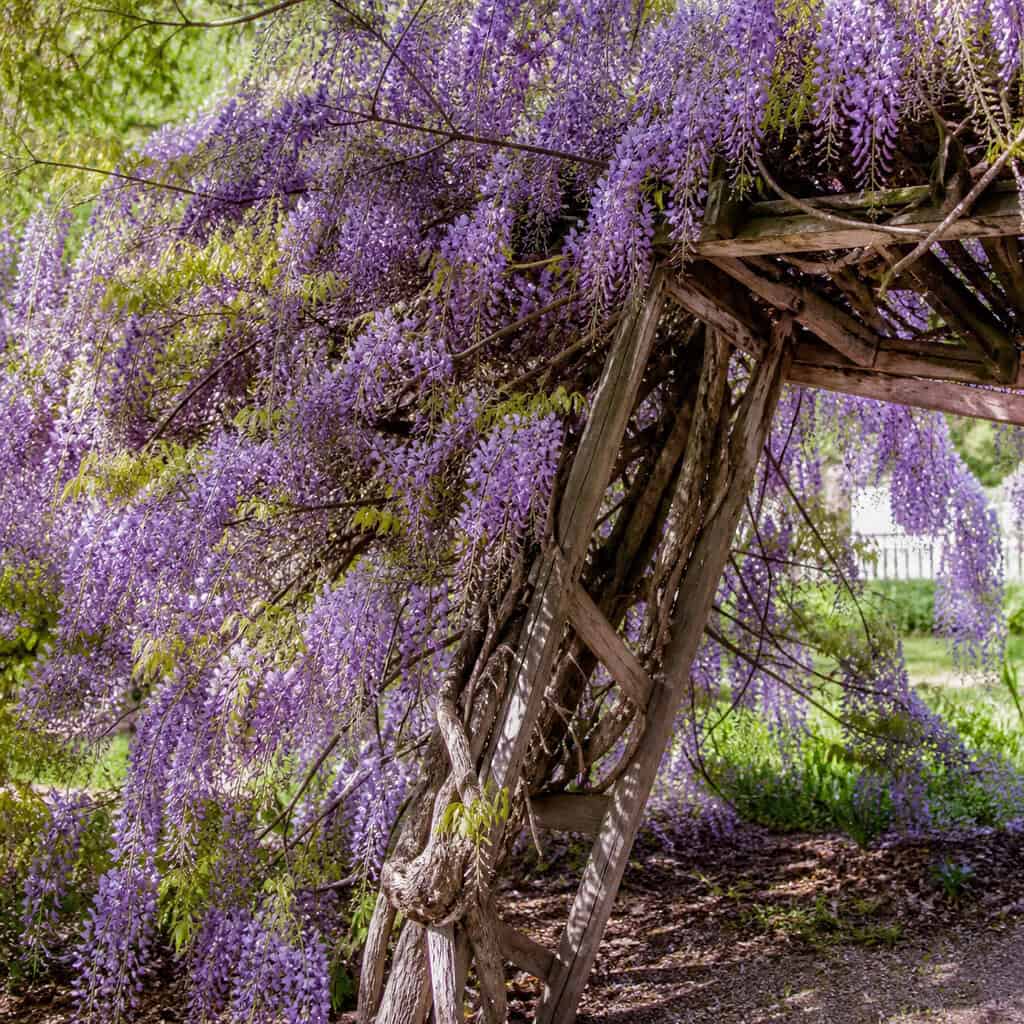
That purple cascade is genuinely stunning — which is precisely the trap.
Chinese and Japanese wisteria vines grow thick as a wrist and pull down gutters, arbors, and small trees under their own weight. They can lift a porch roof over time.
It also takes years to bloom, then never stops growing. People spend a decade fighting a plant they bought for one photo.
If you love the look, plant American wisteria — it’s tamer and native. The imported kind is a lifelong wrestling match.
7. Weeping Willow
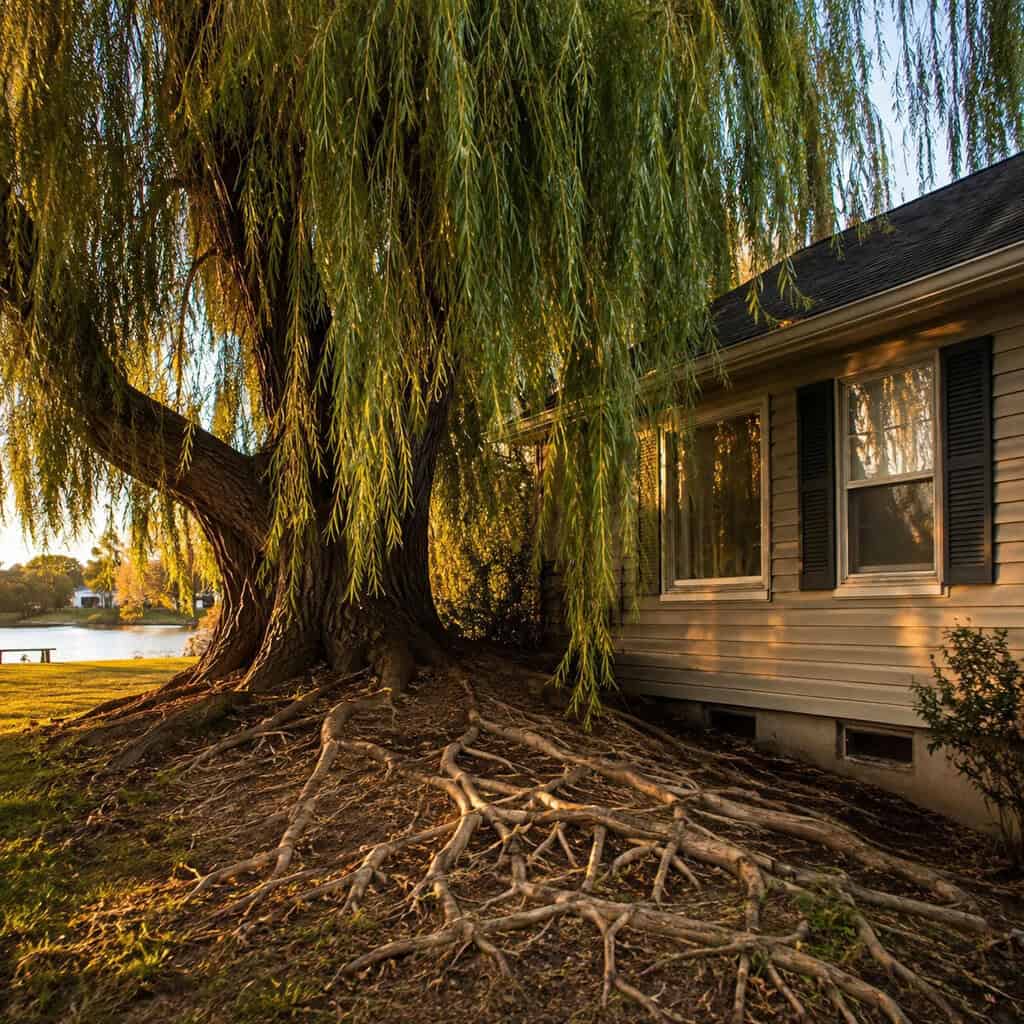
Gorgeous beside a pond. Next to a house, it’s a different story entirely.
Willow roots hunt water. They’ll travel the full height of the tree in every direction to find your drain field, your foundation drains, and your water line.
The tree also drops twigs and leaves constantly, and it’s short-lived for its size — often failing within 30 years.
On two acres by a stream, sure. On a quarter-acre suburban lot, it’s a plumbing invoice waiting to happen.
8. Bamboo (Running Types)
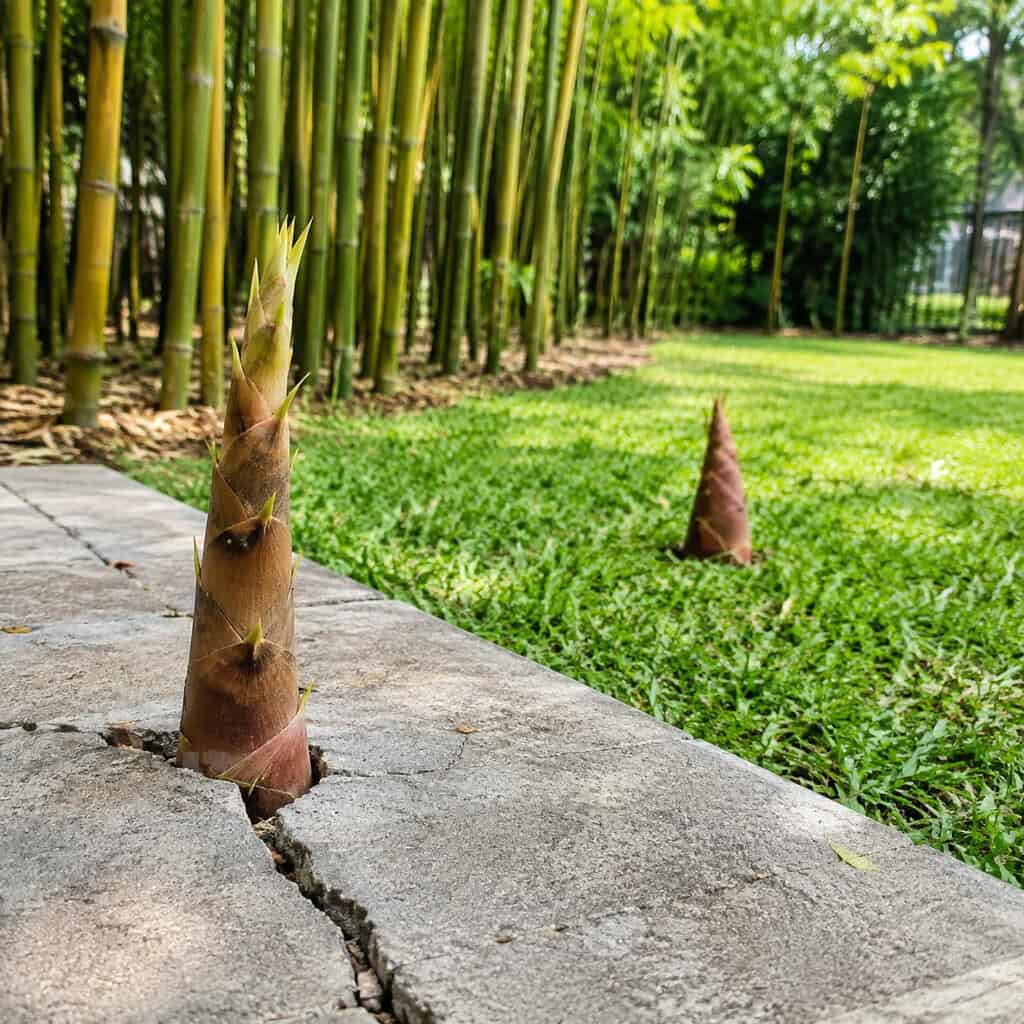
The tag says “privacy screen.” It doesn’t say “root barrier required.”
Running bamboo sends rhizomes 20 feet sideways underground, popping up in your patio, your septic field, and three yards down. There are documented lawsuits between neighbors over it.
Digging it out means excavating trenches and installing 30-inch-deep plastic barriers. Once it’s established, homeowners have paid thousands to remove it.
Clumping bamboo exists and behaves. Running bamboo is the one nobody at the nursery would put in their own ground.
9. Callery Pear “Cleveland Select”
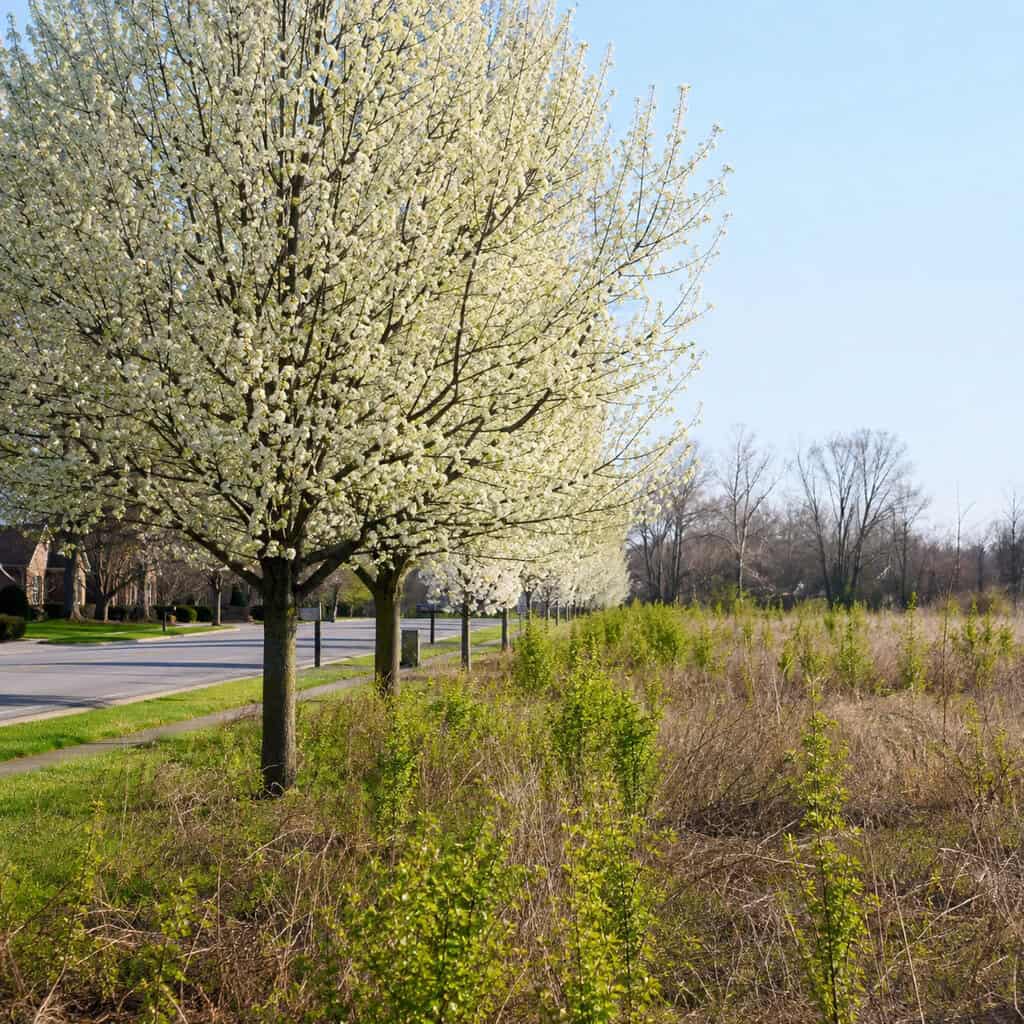
Marketed as the “fixed” Bradford pear — but the fix doesn’t hold up to scrutiny.
Cleveland Select has a stronger branch structure, so it splits less. But it’s the same species, and it cross-pollinates with other Callery pears to produce the same invasive, thorny offspring choking fields across the Midwest and South.
The thorns on the wild seedlings can puncture tractor tires.
Nursery pros know the “improved” label is marketing. Any Callery pear feeds the same problem.
10. Cottonwood
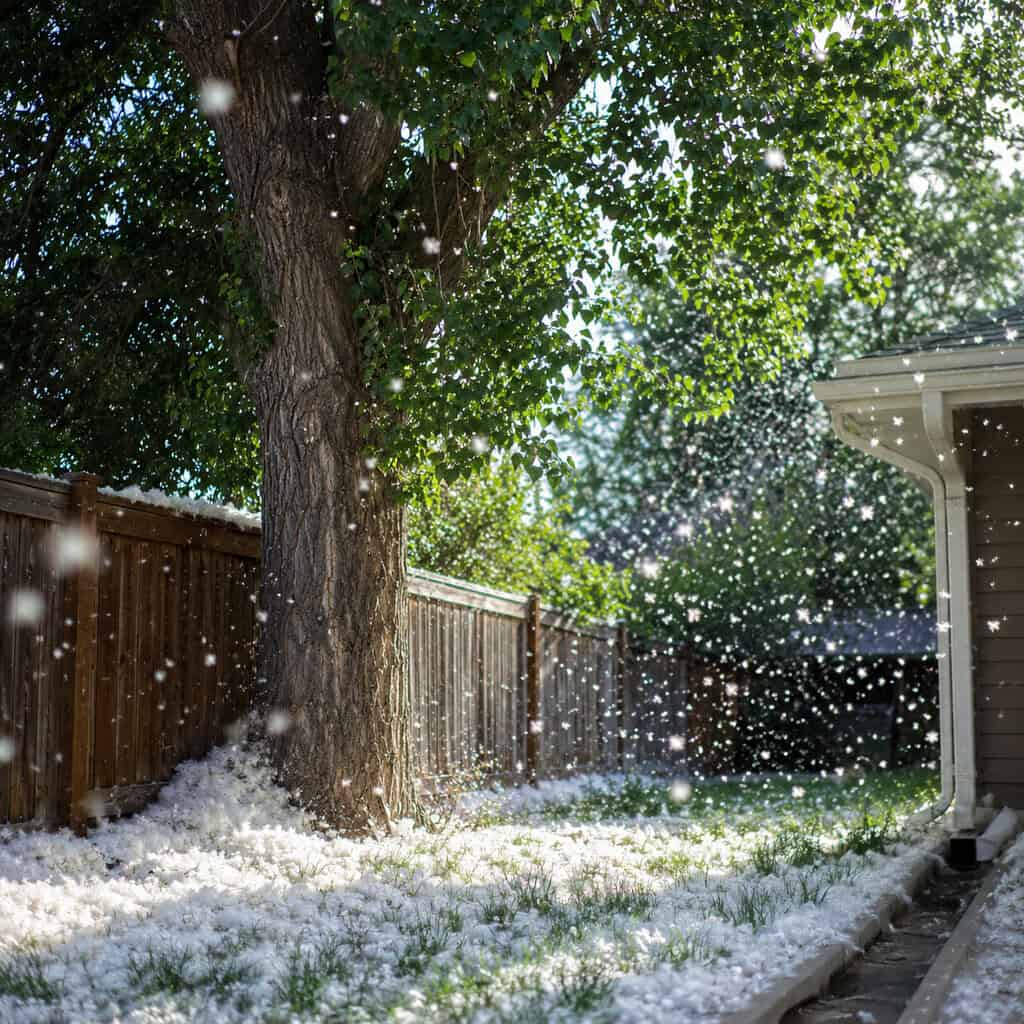
Massive, fast, and cheap — the reasons it keeps getting planted.
Cottonwood drops so much fluffy seed in early summer it looks like snow, clogging screens and gutters. The soft wood sheds huge limbs without warning.
Its roots are notorious for invading sewer and irrigation lines, and it’s one of the most common trees plumbers blame for backups.
A shade tree shouldn’t come with a standing appointment for the drain guy. There are better fast growers.
11. Autumn Olive
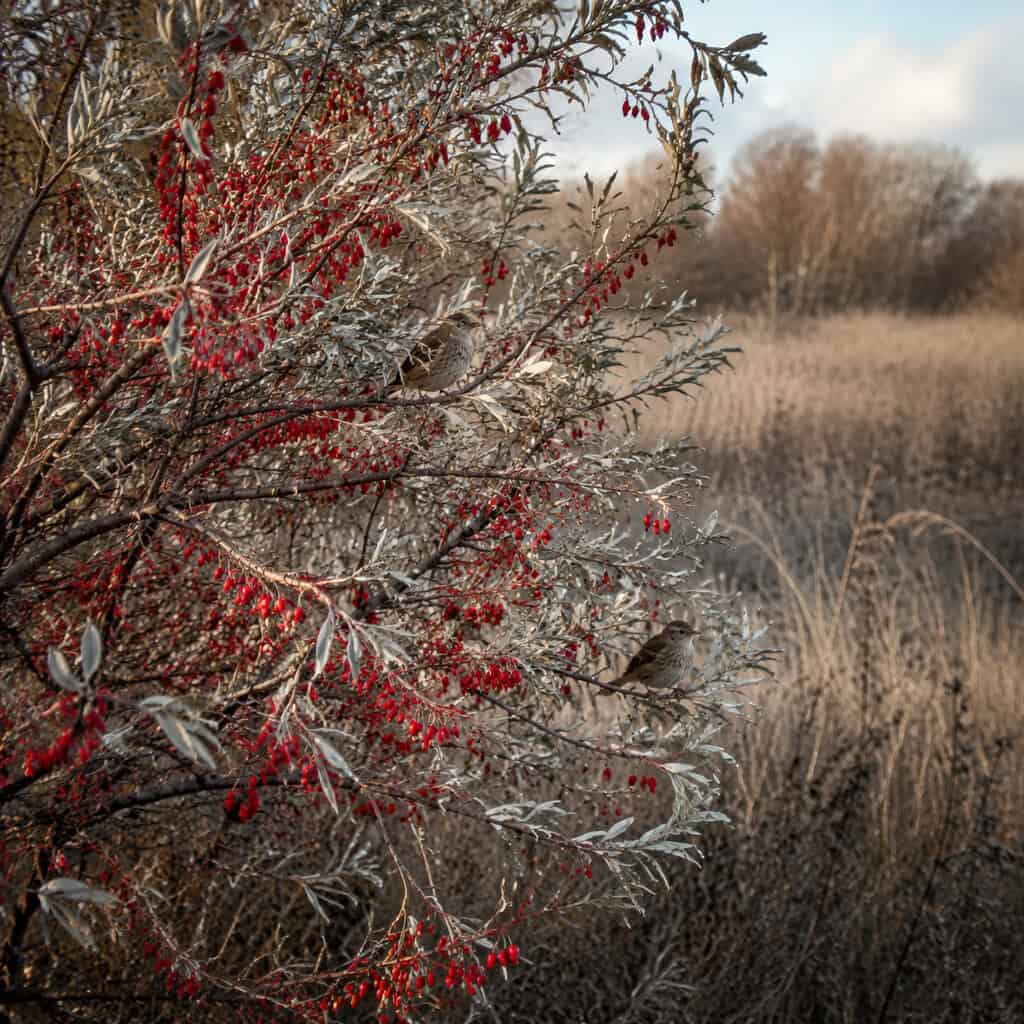
Once handed out for wildlife plantings and erosion control. A mistake nobody can take back.
Birds eat the silvery berries and spread the seeds for miles. Autumn olive now blankets old fields and roadsides across the eastern half of the country, fixing nitrogen that lets it outcompete everything native.
It’s on nearly every state invasive list, yet it still surfaces at some nurseries and plant sales.
Fast-growing and bird-friendly aren’t enough when the plant erases the meadow around it.
12. Japanese Barberry
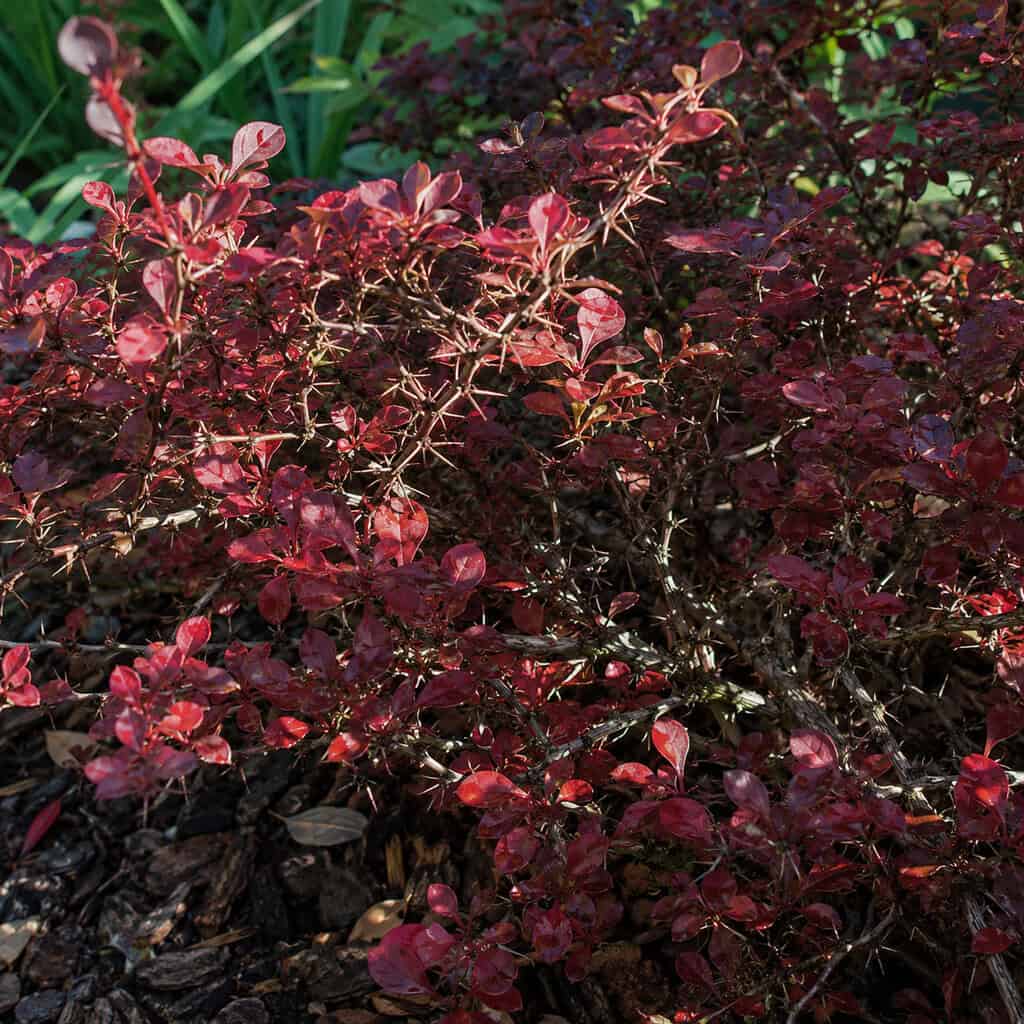
Compact, red-leaved, deer-resistant — it checks every box on paper.
It’s also a documented tick magnet. The dense thorny growth holds humidity that lets blacklegged ticks — the ones that carry Lyme disease — survive at far higher densities than open ground.
Studies from the Northeast link barberry thickets directly to elevated tick populations. Several states have banned its sale.
If you want a shrub the deer leave alone, there are safer choices that don’t grow their own tick habitat. Skip it.
13. Golden Bamboo Grass — Ribbon Grass
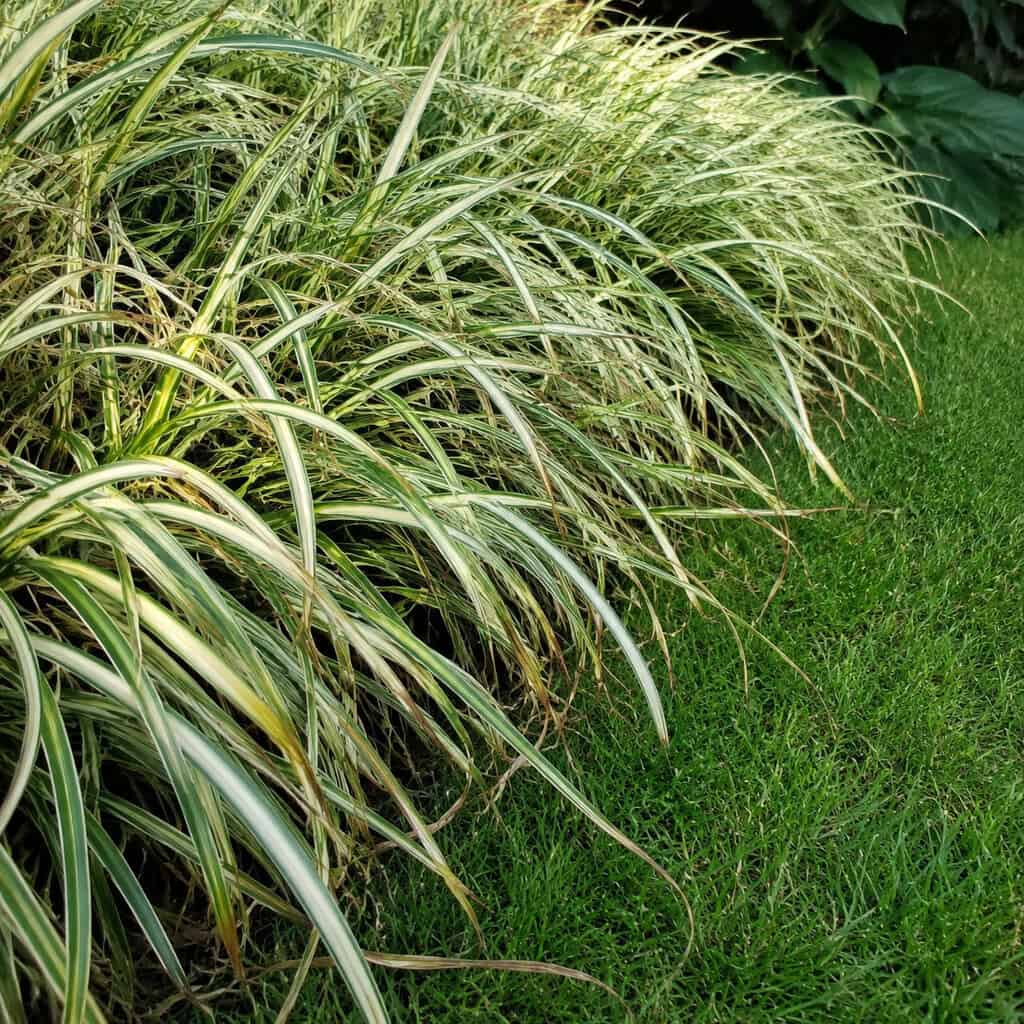
Those variegated blades look crisp and tidy sitting in a nursery pot.
Ribbon grass spreads by aggressive rhizomes just like running bamboo, colonizing beds and jumping into lawns. It’s brittle, flops in summer, and turns brown by August.
Once it’s in, it’s in. Digging leaves fragments that resprout.
There are dozens of well-behaved ornamental grasses. This isn’t one nursery staff would choose for their own yard.
14. Tree of Heaven
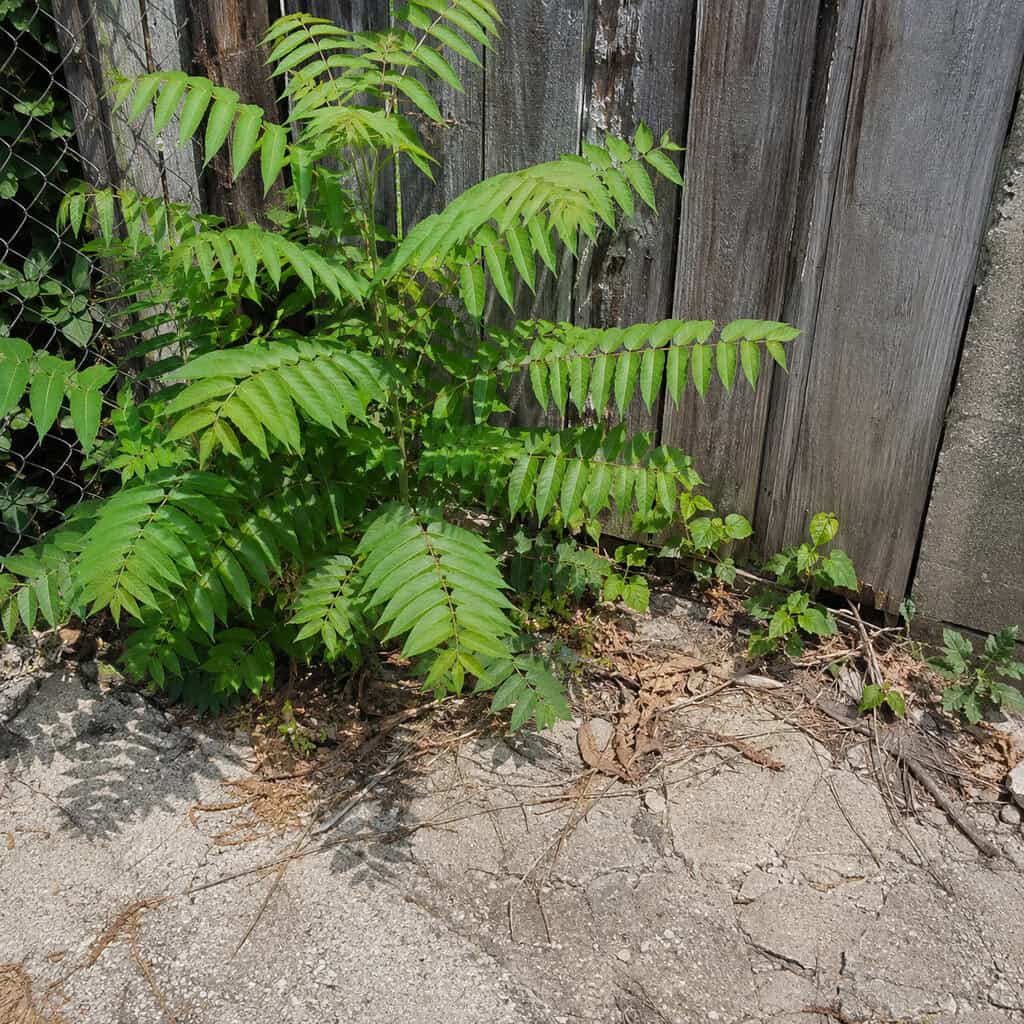
Most people don’t buy this one — but it shows up in cheap seedling mixes and volunteers everywhere.
Tree of heaven grows in any soil, suckers relentlessly, and produces chemicals that poison the ground against competing plants. It also stinks — the crushed leaves smell like rancid peanut butter.
It’s the preferred host of the spotted lanternfly, the pest currently chewing through Eastern agriculture.
If you see it sprouting, remove it young. Nobody who knows plants lets this one stay.
15. Mint
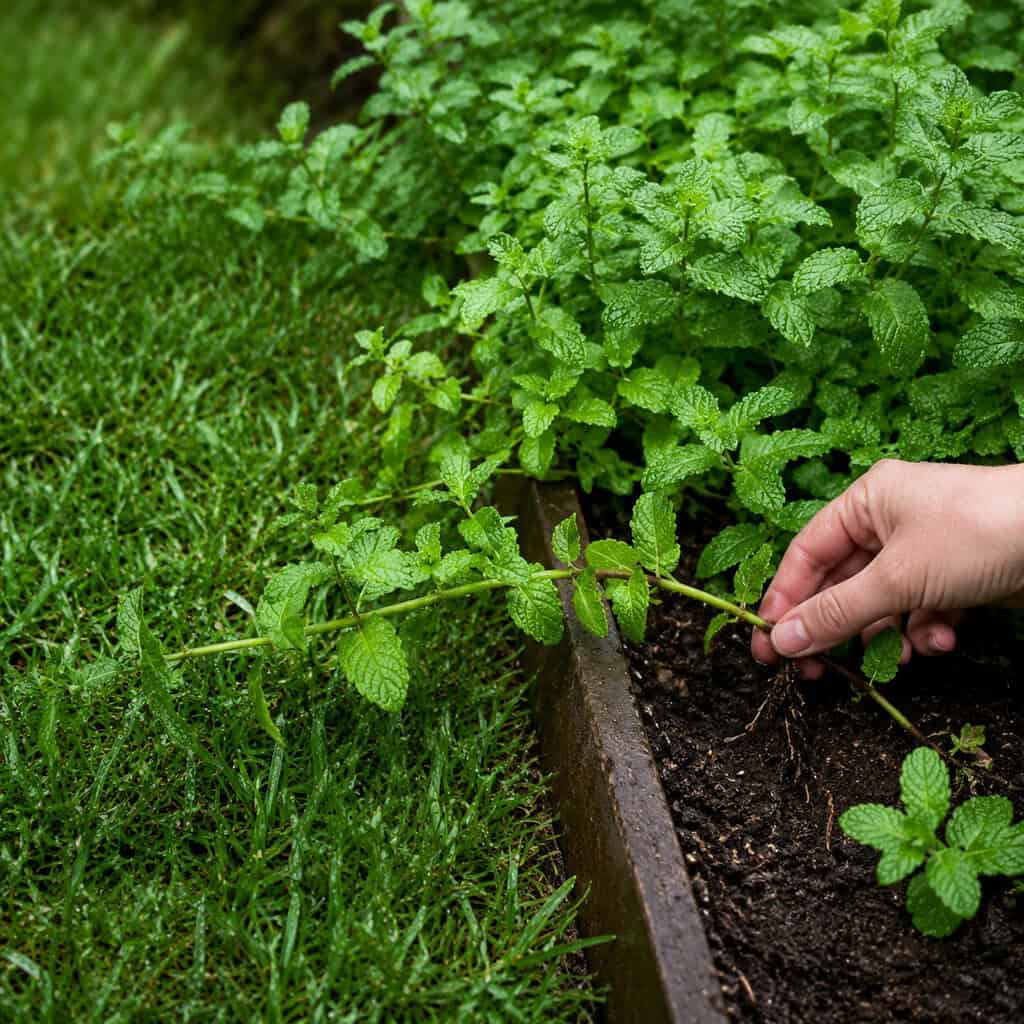
Every new gardener plants mint once.
They plant it in the ground because the pot was cheap and the leaves smelled amazing. By next summer it’s in the lawn, the flowerbed, and the neighbor’s yard.
Mint spreads by underground runners that laugh at hand-pulling. Miss one inch of root and it’s back.
Pros grow it. They just grow it in a buried pot, or a container on the patio — never loose in a bed. Contain it or regret it.
16. Castor Bean
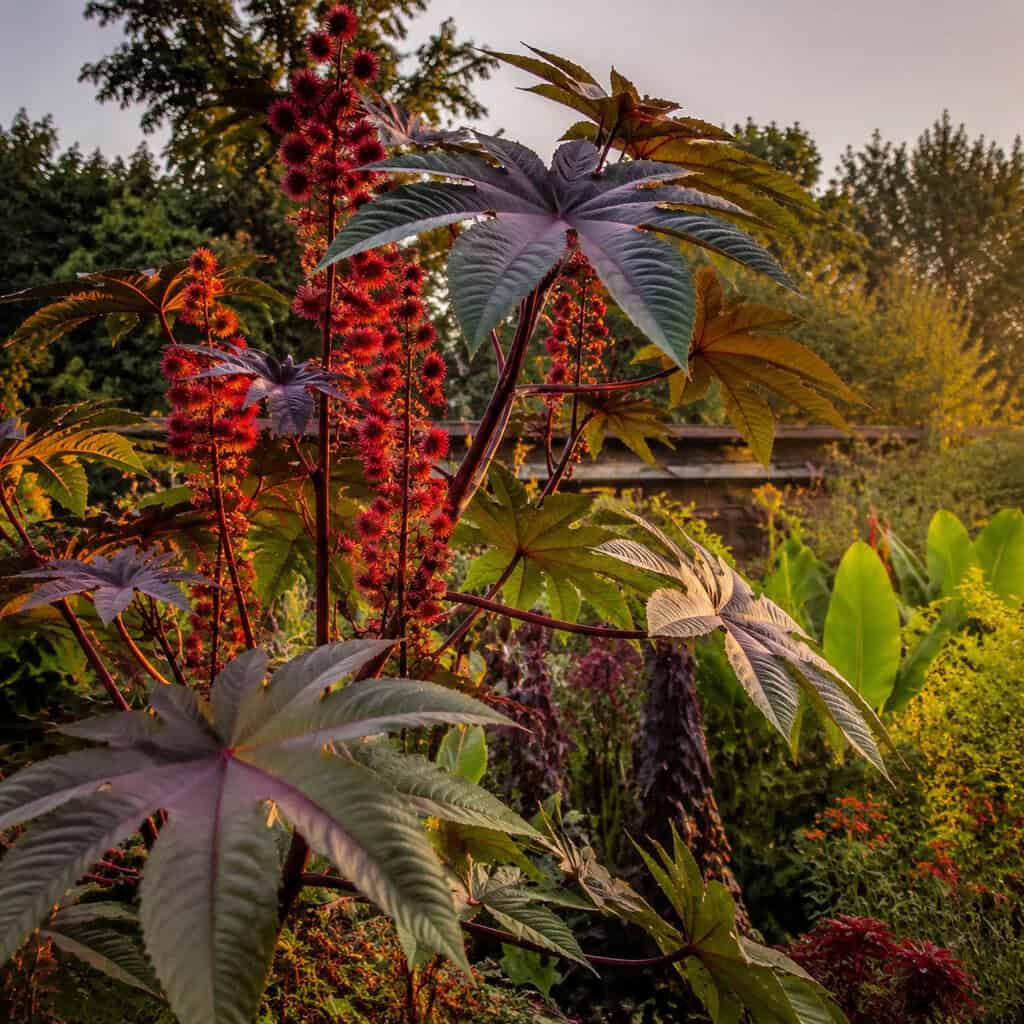
Sold as a dramatic tropical accent, and it is dramatic — huge leaves, fast growth, striking seed pods.
The seeds contain ricin, one of the most lethal natural toxins known. A handful can kill an adult. A single seed can kill a child.
It’s still stocked because it looks incredible in a summer border. That’s not a plant anyone with kids or curious pets should grow.
The Oregon State University Extension Service has good guidance on vetting a plant before it goes in the ground. Do that homework first.
17. Oleander
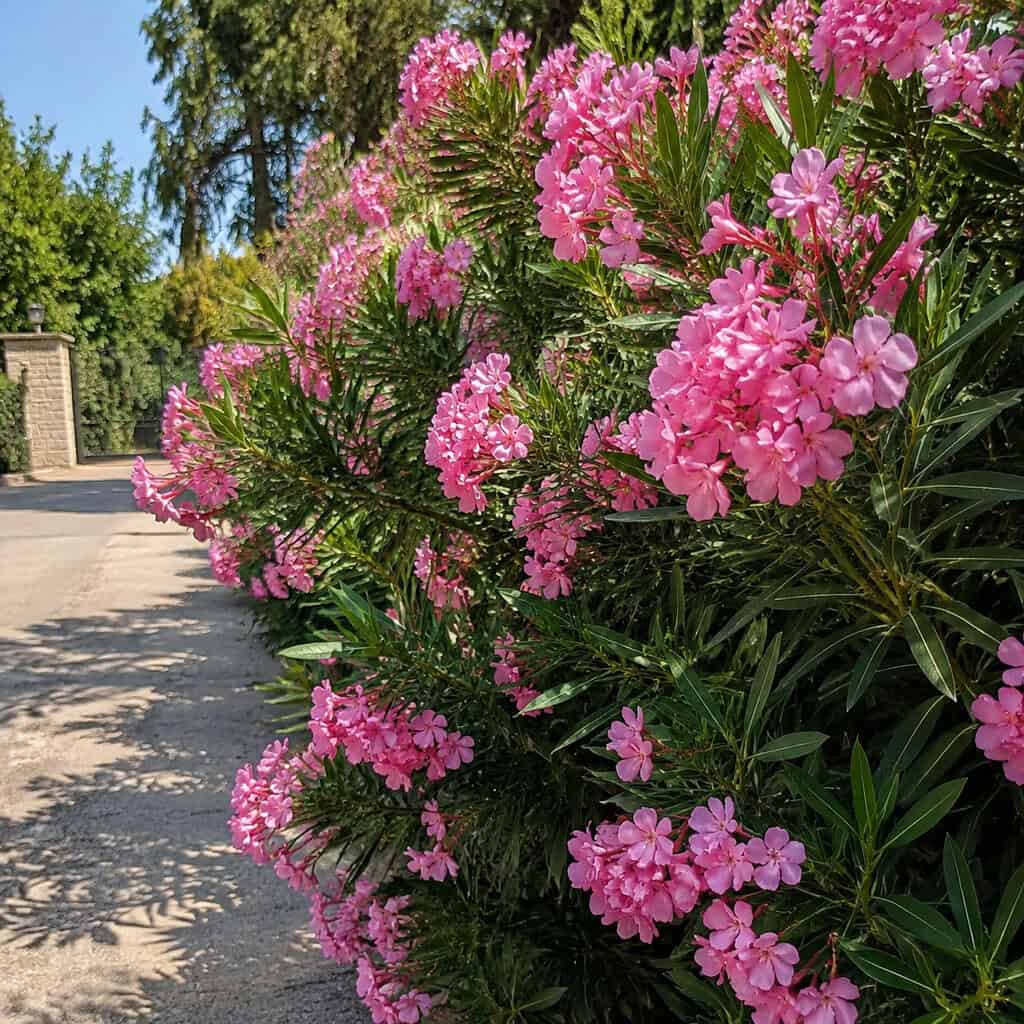
Few landscape plants sold as widely as oleander carry such a dangerous profile.
Every part is toxic — leaves, flowers, even smoke from burning the clippings. Ingesting a few leaves can be fatal to a child or a pet, and the sap irritates skin.
It’s popular in warm climates because it’s tough and blooms hard. But pros with kids or animals won’t touch it.
If you’re rethinking your beds, there are safer landscaping plants to swap in instead. Toxic.
18. Leyland Cypress

The default privacy hedge — and almost always planted too close and too quickly.
Leyland cypress grows 3 feet a year to 60 feet or more, and people plant them 6 feet apart for instant screening. In a decade they’re a crowded wall that blocks sun from the whole yard.
They’re also prone to bagworms and canker diseases that brown out and kill entire rows. Losing one leaves a gaping hole you can’t easily fill.
Pros know the mature size and plant accordingly — or pick something slower and tougher.
19. Nandina (Heavenly Bamboo)
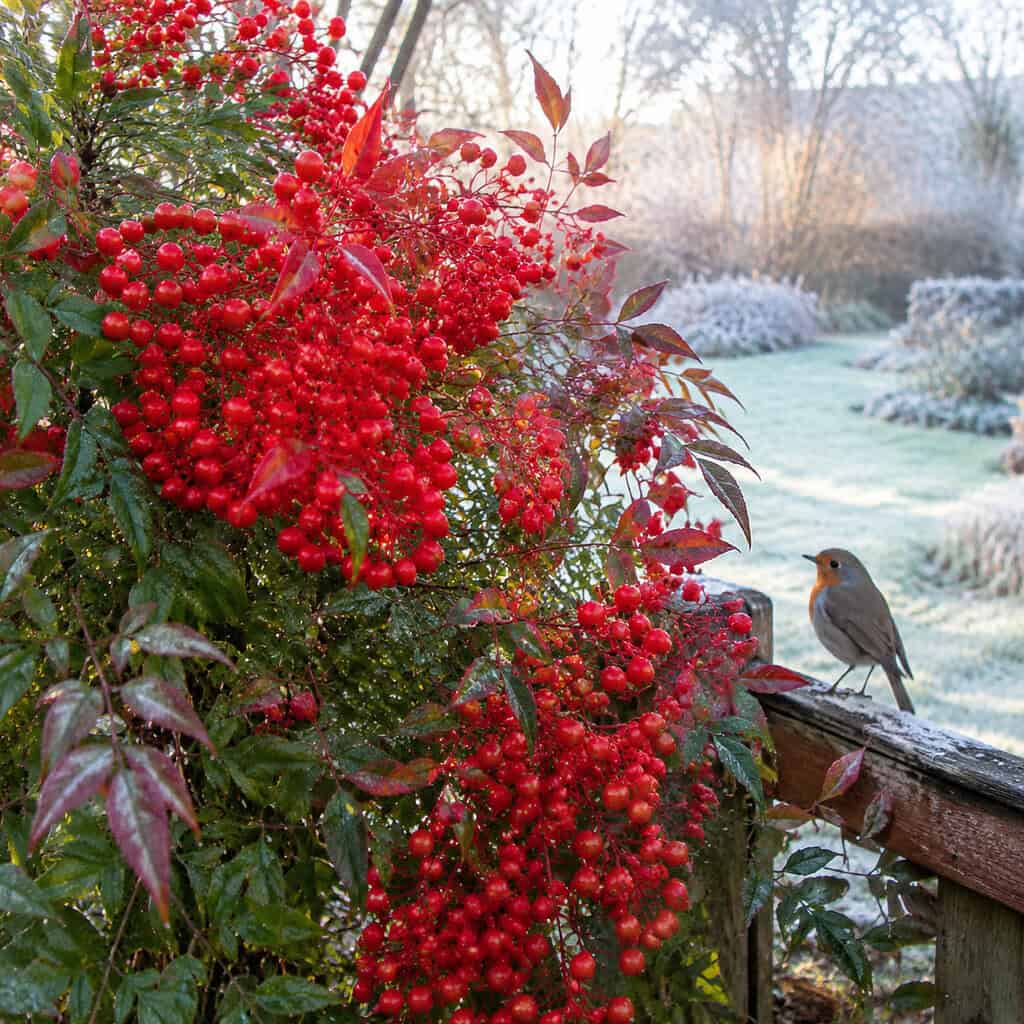
Those vivid red winter berries are the whole selling point — and they’re also the whole problem.
Nandina berries contain cyanide compounds and have killed flocks of cedar waxwings that gorge on them in late winter. It’s toxic to cats and dogs, too.
It spreads by seed and root, and it’s invasive across the Southeast, popping up in woodlands far from where it was planted.
Berryless sterile varieties exist. The old seedy kind is one pros leave behind.
20. Yew
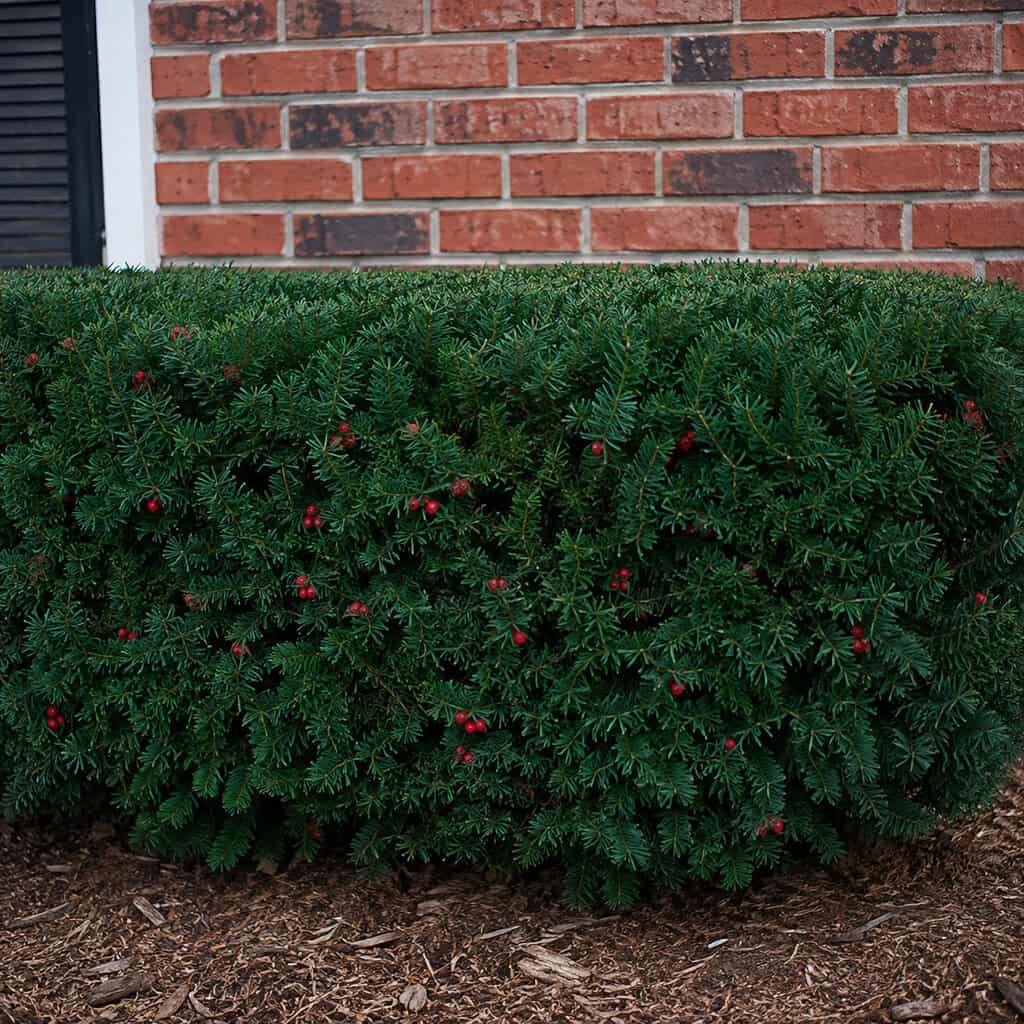
The dark green foundation shrub on half the houses in America.
Yews are quietly among the deadliest plants in the landscape. The foliage and seeds contain toxins that can stop a heart — livestock die from a few mouthfuls, and it’s dangerous to pets and kids.
It’s sold so widely because it’s tough, shade-tolerant, and shears into neat shapes. Most buyers have no idea what’s in it.
Pros with pets or grazing animals won’t plant it near where they roam. Toxic.
21. Butterfly Bush
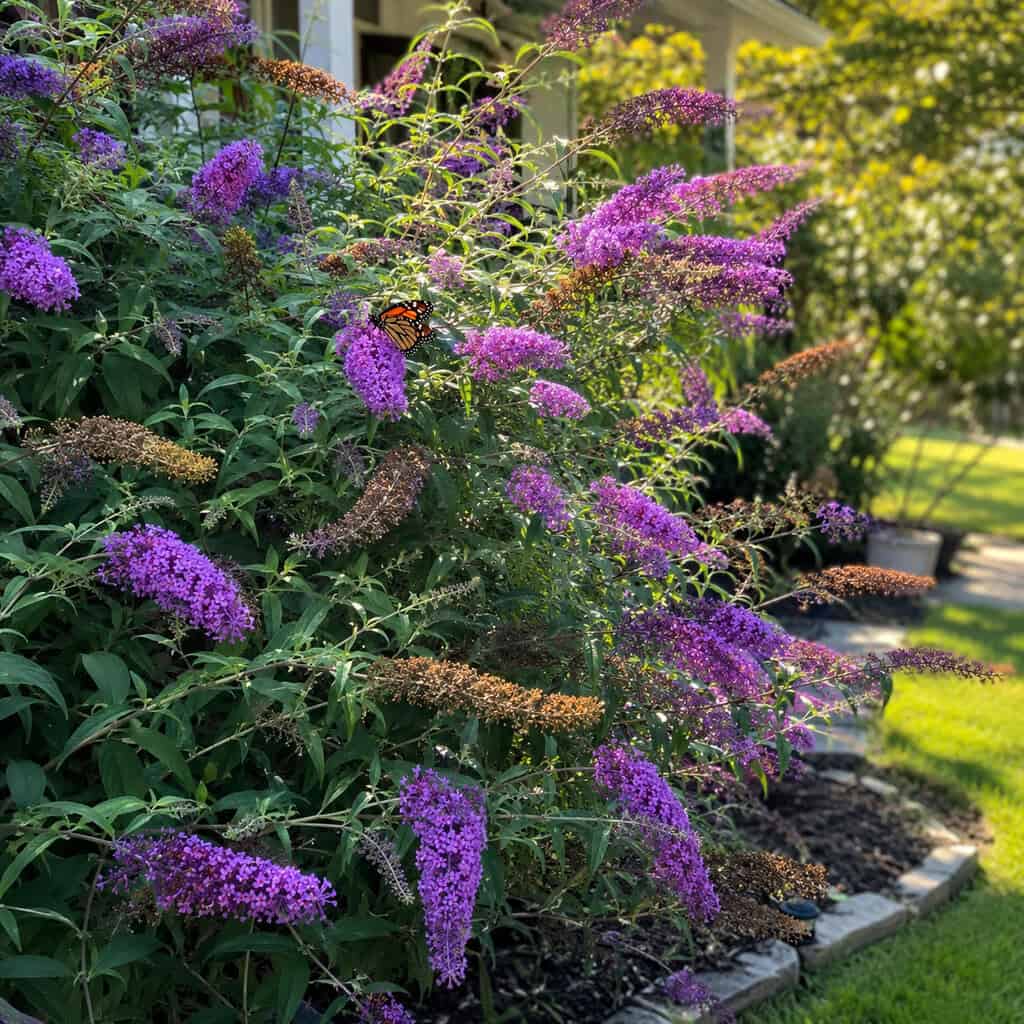
It gets marketed as a pollinator plant — but that’s only telling you half of the story.
Butterflies do sip the nectar. But the plant feeds no native caterpillars, so it’s a dead end for the insects that actually sustain a food web — and it seeds itself aggressively into wild areas across the Pacific Northwest and beyond.
Oregon classifies most varieties as invasive and regulates their sale. If you want to actually fill your yard with butterflies, native milkweed and coneflower do the real work.
The National Invasive Species Information Center tracks how ornamentals like this escape into wild land. Skip it for a native.
22. Vinca (Periwinkle)
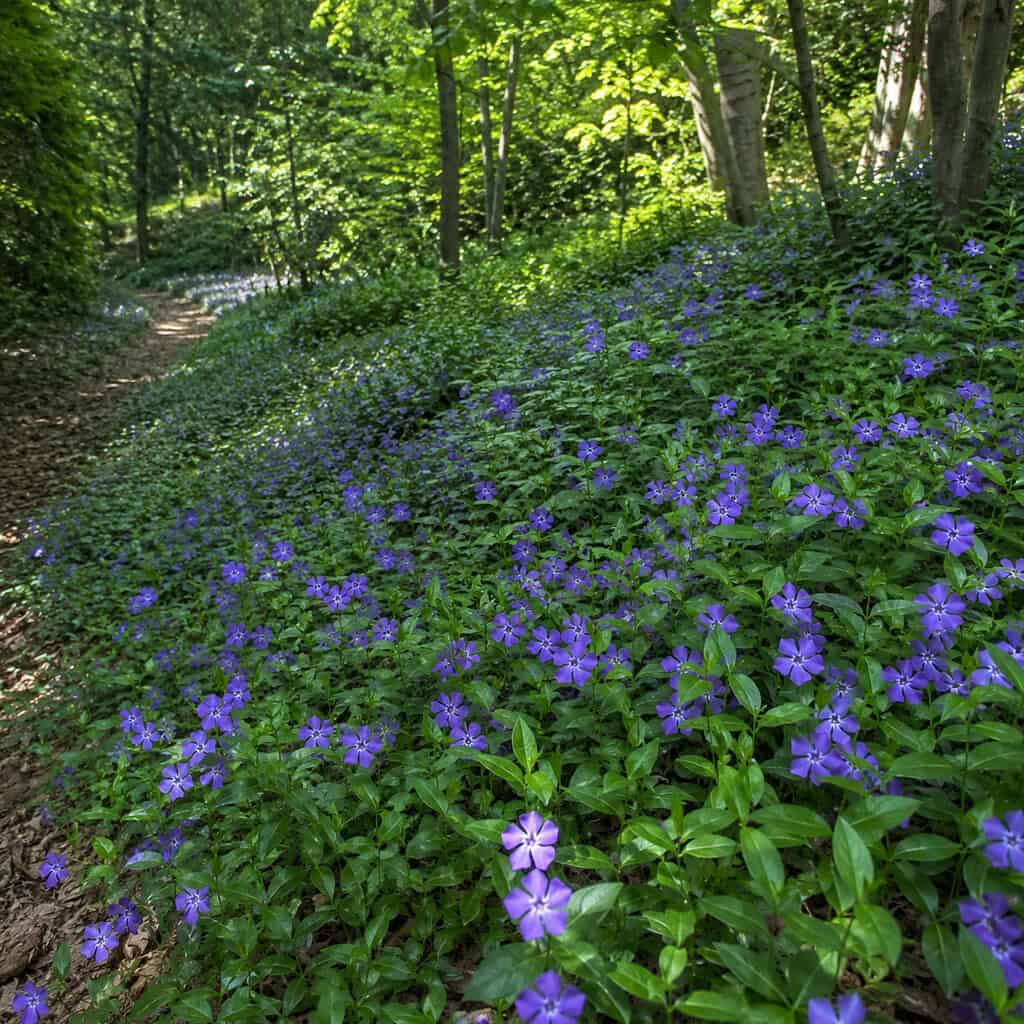
Walk into any big-box store and vinca is the first thing in the shade ground-cover section.
It looks polite in a flat. Then it escapes the bed, roots at every node, and blankets the forest floor, smothering native wildflowers and tree seedlings.
It’s on invasive lists across the country and nearly impossible to fully eradicate once it reaches a wooded edge.
For shade, native wild ginger or foamflower behave. Vinca is a slow-motion takeover.
23. Empress Tree (Paulownia)
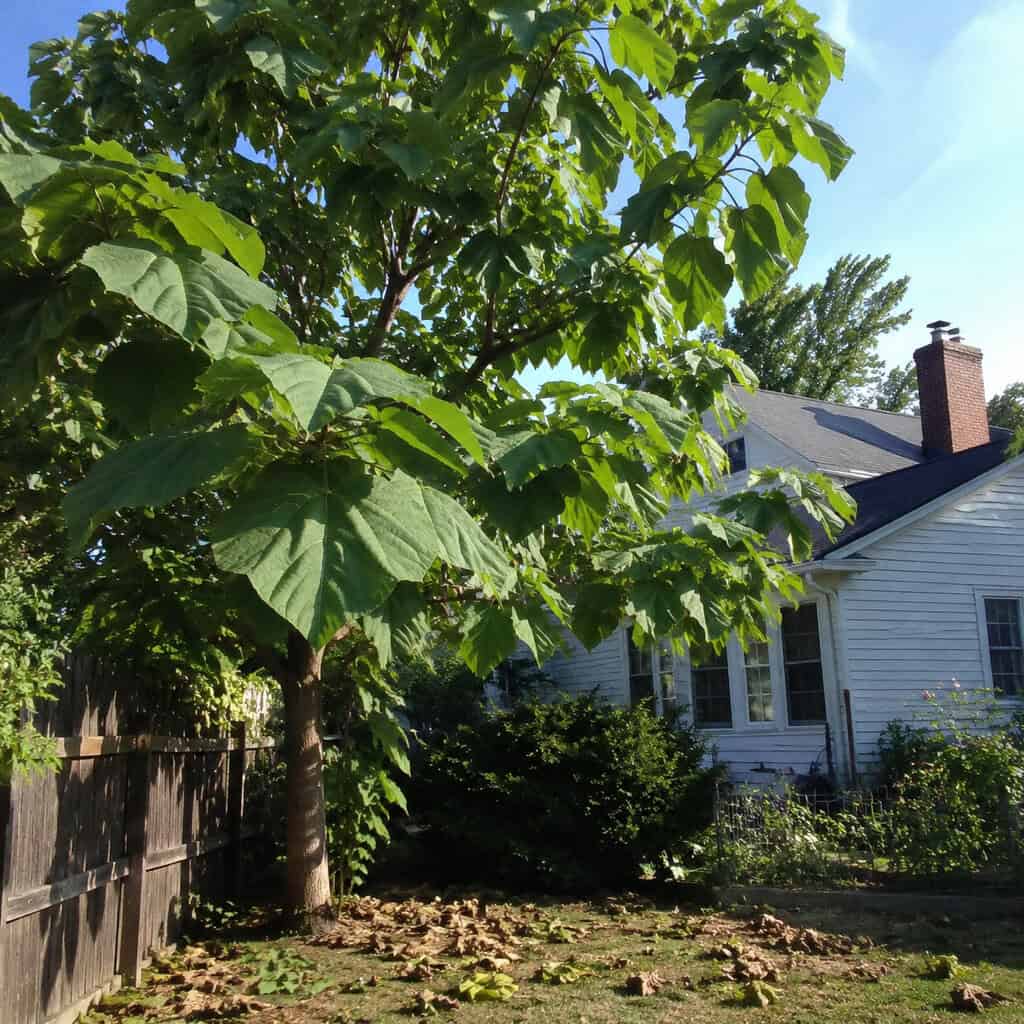
Advertised in the back of magazines as “the fastest-growing shade tree on Earth.” That’s the warning, not the pitch.
Empress tree can add 10 feet in a season, which means brittle wood, constant litter, and a canopy that outgrows a small yard in a few years. It seeds prolifically — a single tree throws millions of seeds.
It’s invasive across much of the country and nearly impossible to remove once the roots take hold, resprouting from every cut stump.
Fast is not the same as good. This is the plant that proves it.
24. Sago Palm

This one isn’t about mess. It’s about your dog.
Every part of the sago palm is toxic, and the seeds are the worst — a single seed can cause liver failure in a dog. Vets treat these poisonings as emergencies.
It gets sold in the houseplant and patio-tropical aisle with no warning most people notice. Pet owners bring it home not knowing.
If you have animals, it’s one of many common garden plants that are toxic to pets. Toxic. Leave it on the shelf.
25. Mimosa (Silk Tree)
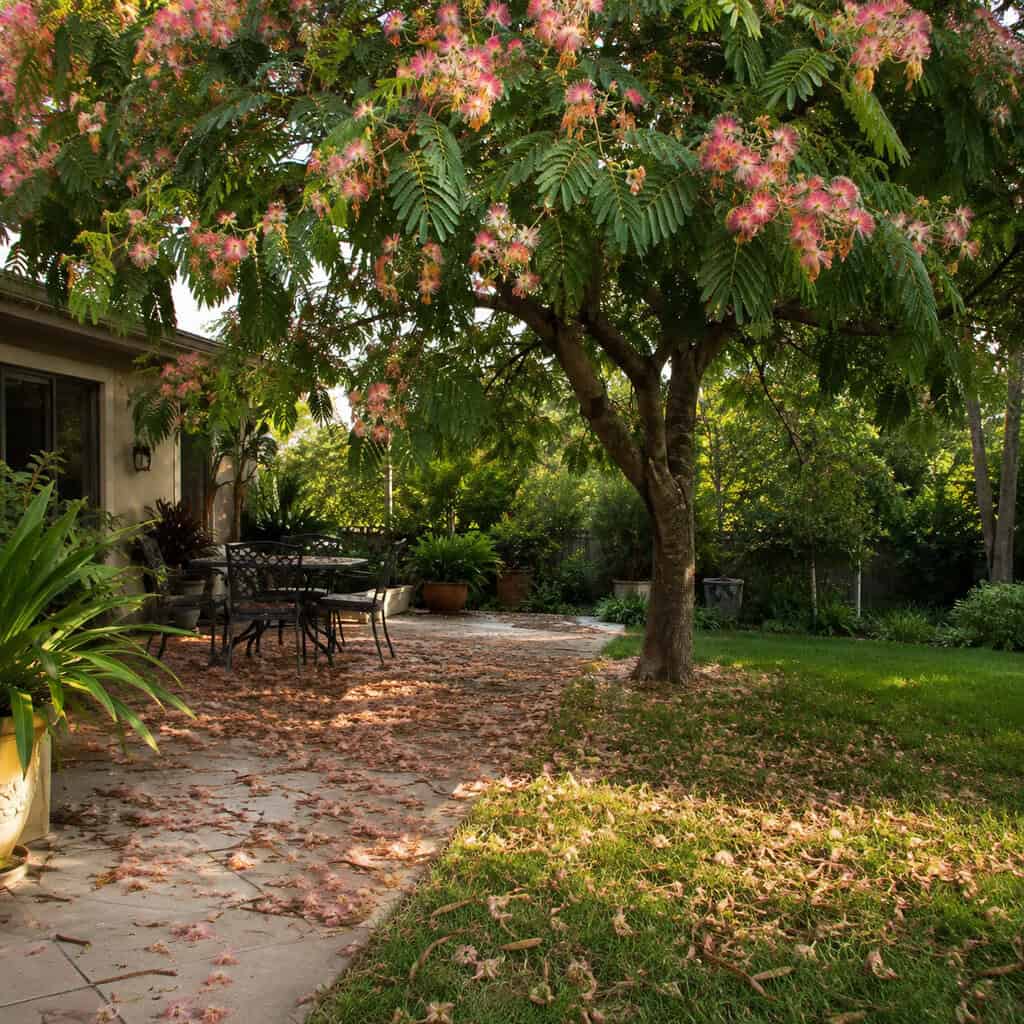
Pink powder-puff flowers and ferny leaves. It sells itself.
Then it seeds everywhere, sprouts in cracks and ditches, and drops a constant rain of spent flowers, seed pods, and sticky sap. It’s messy for months.
Mimosa is also short-lived and prone to a wilt disease that kills mature trees suddenly. You wait years for shade, then lose it overnight.
It’s invasive across the entire Southeast. Beautiful for two weeks, a nuisance the rest of the year.
26. Bradford Pear
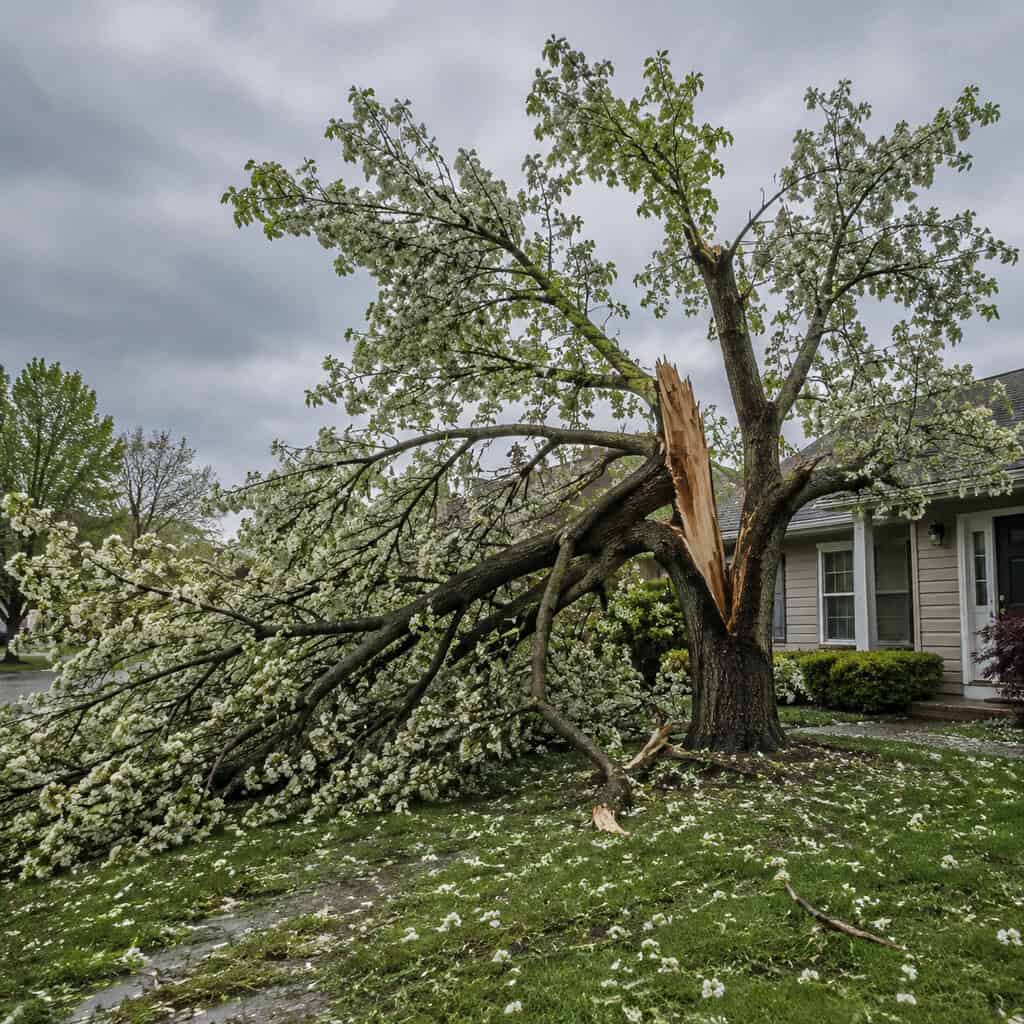
It’s the tree that betrays you in a windstorm.
Bradford pear grows fast and blooms early, which is exactly why developers planted millions of them. The branches attach at weak, narrow angles, and by year 15 they split down the middle in the first real storm.
The flowers also smell like rotting fish. And the tree has escaped cultivation across the eastern U.S., seeding into pastures and roadsides as invasive Callery pear. Several states have banned its sale outright.
The University of Maryland Extension flat-out recommends removing it. University of Maryland Extension lists native serviceberry and redbud as replacements that won’t turn your yard into a hazard.
Never plant it. Plant a serviceberry instead.
27. Ornamental Jasmine Vines (Confederate and Star)
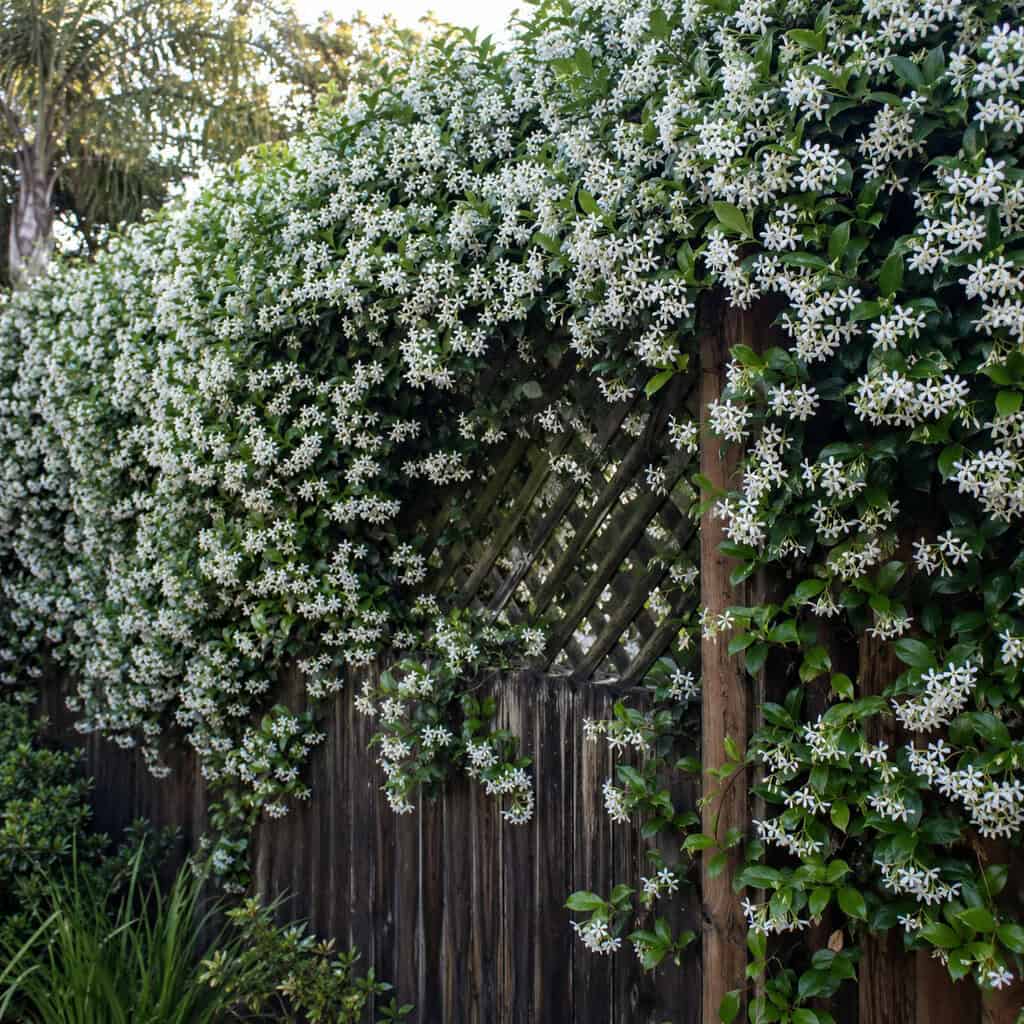
The scent sells it. In the wrong climate, the vigor buries it.
In warm zones these jasmines don’t stop — twining into trees, blanketing fences, and rooting wherever they touch soil. What starts as a fragrant trellis becomes a green mass swallowing the structure under it.
They’re heavy, too, capable of collapsing a lightweight arbor over a few seasons.
Grown on sturdy support and cut back hard every year, they’re manageable. Left alone, they win.
28. Norway Maple

The shade it throws is so dense that virtually nothing can grow beneath it.
Norway maple’s shallow roots and heavy canopy kill your lawn, your flowerbeds, and any hope of a garden beneath it. It also leafs out early and drops late, shading out everything.
It seeds prolifically and has invaded forests across the Northeast, crowding out native sugar maples.
The fall color is a dull yellow, too. You give up your whole understory for a mediocre autumn.
29. Bishop’s Weed (Goutweed)
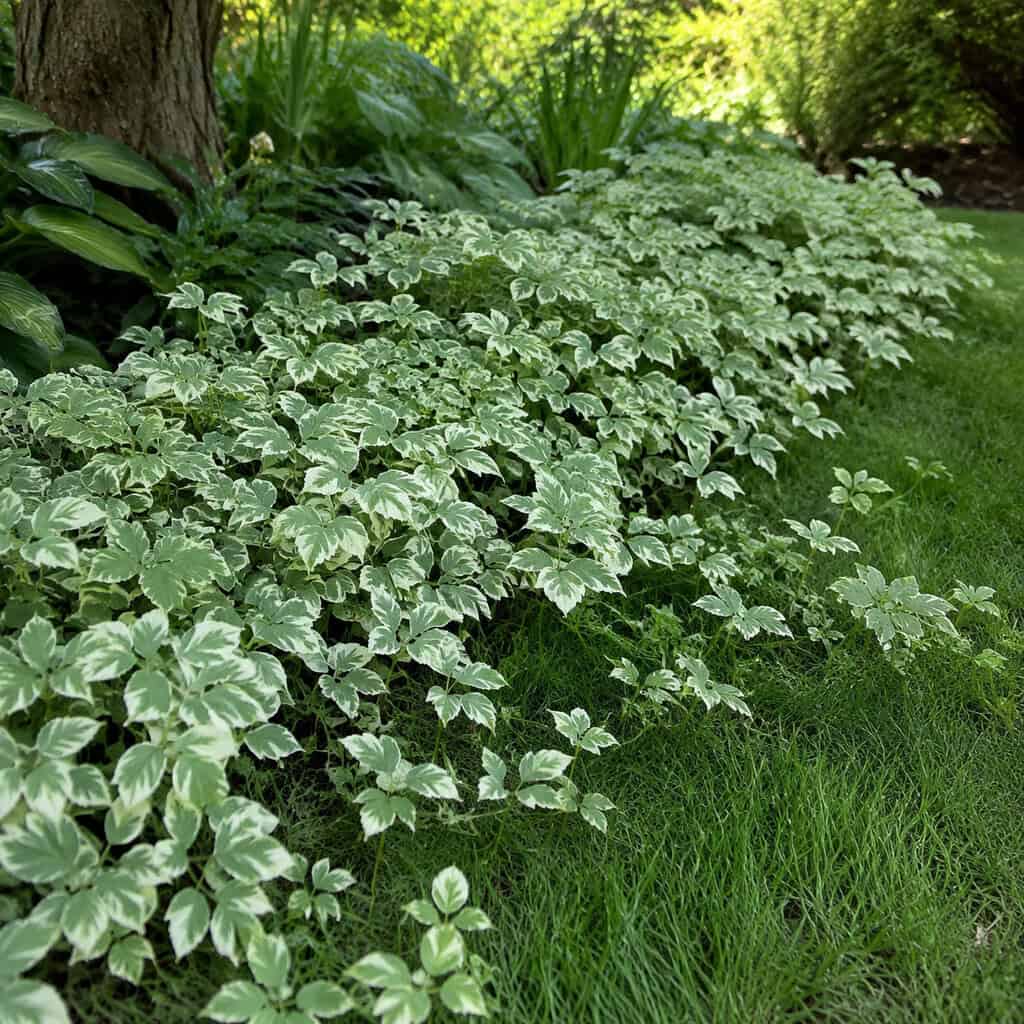
The nursery version — variegated and sold as tough ground cover for difficult shade — is the well-behaved one.
It reverts to plain green, spreads by rhizome through any barrier, and moves into lawns and neighboring beds. Master gardeners rank it among the worst mistakes a homeowner can plant.
Every fragment of root grows a new plant. Removal often means solarizing the entire area for a full season.
Its nickname among gardeners is unprintable. There’s a reason.
Before You Fill Your Cart
Not one of these plants is inherently villainous. They’re simply the wrong fit for a typical yard, sold to buyers who won’t discover the real consequences until the plant has been in the ground for years and the receipt is long gone.
Once you know the pattern, it’s easy to spot. Any plant described as fast-growing, vigorous, or quick to spread is telling you straight out what it will do to your property. Anything with showy berries or a toxic reputation deserves extra scrutiny if children or pets are part of the picture.
Check the mature dimensions. Look up whether it’s on your state’s invasive species list. And when you’re standing at the register, ask the most useful question you can: would the person behind the counter ever put this one in their own yard?
More often than you’d expect, the most valuable service a nursery professional can offer is pointing at a plant and saying — put that one back.
I have one to add. Jerusalem artichoke, AKA sun choke, AKA a very unflattering name due to its after-effects on some people. Wonderful tubers, high in inulin, great under a roast chicken. We eat them right after harvest. (Unfortunately, they’re not nearly as easy to keep as sweet potatoes.)
If uncontained, you will never get rid of them. We have them in our community garden, where they grow up to 12 feet tall. We harvest more tubers than we can possibly eat, but we donate a ton to the food bank. We dig them up ruthlessly. No matter. Leave behind a piece of a tuber the size of a pea (even sliced in two) and you’ll have a plant next year. Leave behind a dozen, and … yep.
Oh, and we have mint, too. (Sigh) Enough to make mint tea for the whole county.