

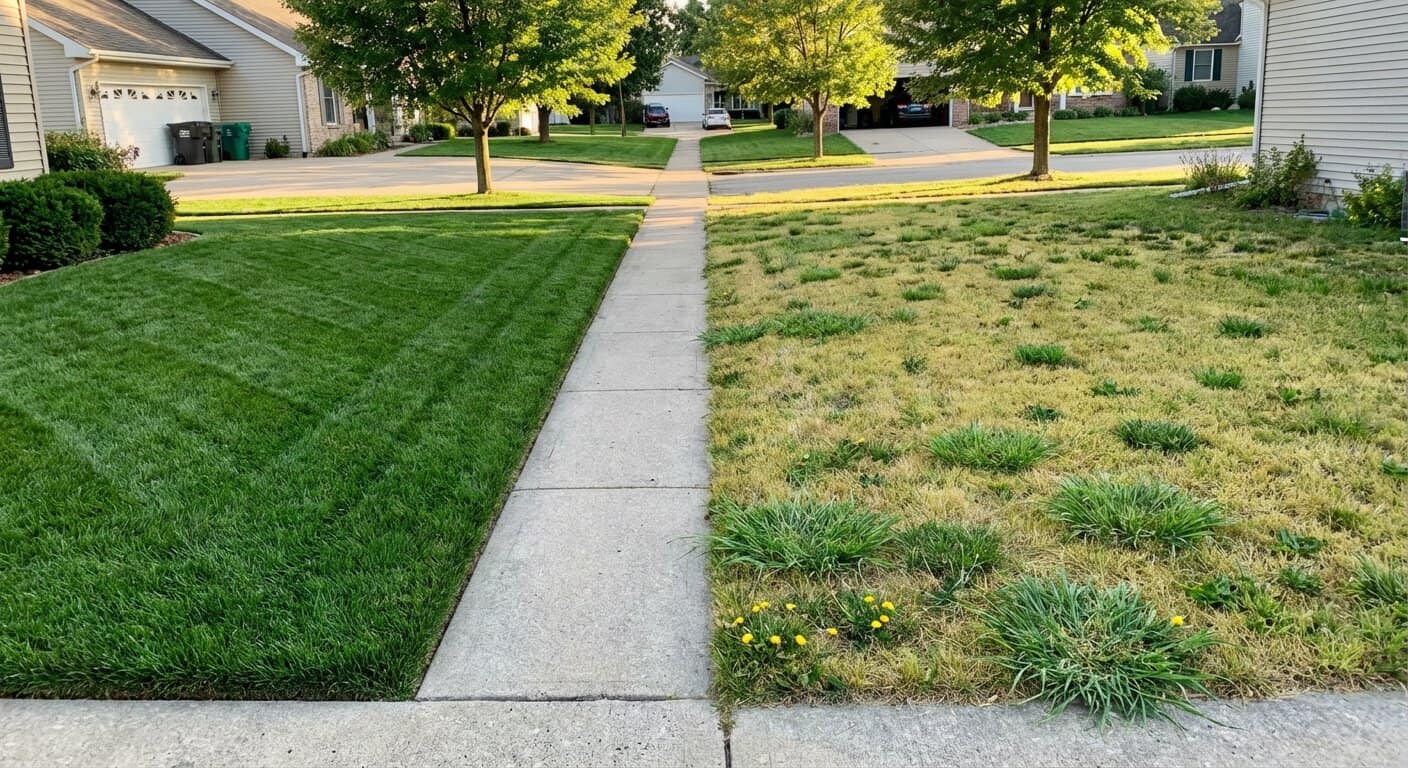
Every summer, it happens.
Your lawn looks great in May. By July, crabgrass has moved in like it owns the place — thick, flat, sprawling patches that spread faster than you can pull them. By August, you are standing in your yard wondering what went wrong and whether you should just pave the whole thing over.
Here is the truth nobody tells you until it is too late — crabgrass is almost entirely preventable. The people with perfect lawns are not lucky. They are not spending thousands of dollars. They are just doing one thing you are not doing, and they are doing it at the right time.
Here are 17 things you should be doing right now if you want a lawn that actually stays green all summer.
1. Crabgrass Is Not a Mystery — It Shows Up Because Nobody Stopped It Before It Sprouted
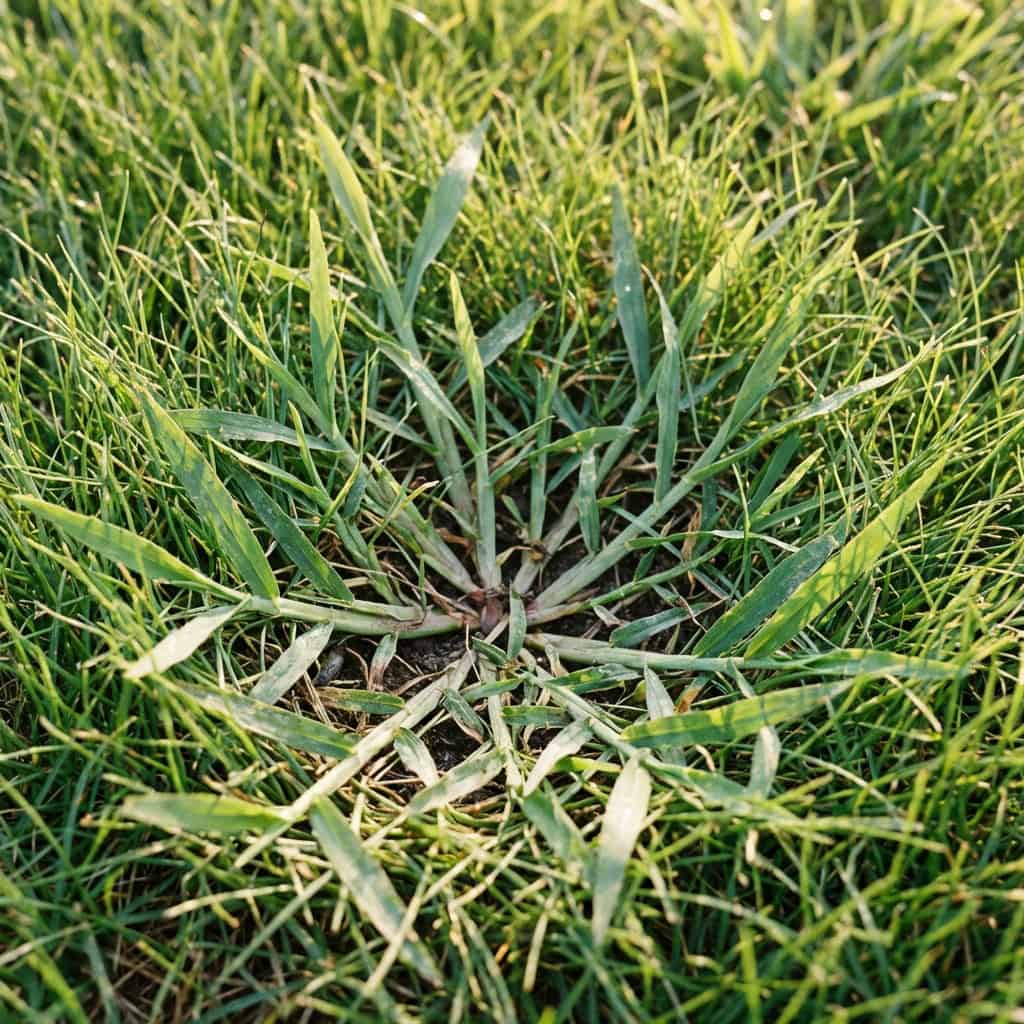
Crabgrass is an annual weed. That means it grows from seed every single year, completes its life cycle in one season, and dies in the fall. It is not coming back from the roots. It is not spreading underground. It is growing from seeds — millions of them — that are already sitting in your soil right now, waiting for the right conditions.
Those conditions are simple. Warm soil, sunlight, and moisture. Once the soil hits about 55 degrees, the seeds start germinating. By the time you actually see crabgrass in your lawn, it has already been growing for weeks.
The reason it shows up every year is not because your lawn is bad. It is because nobody stopped those seeds from germinating. That is the whole game — and the solution is simpler than most people think.
2. The Product That Stops It Is Called a Pre-Emergent — And It Has to Go Down Before You See a Single Weed
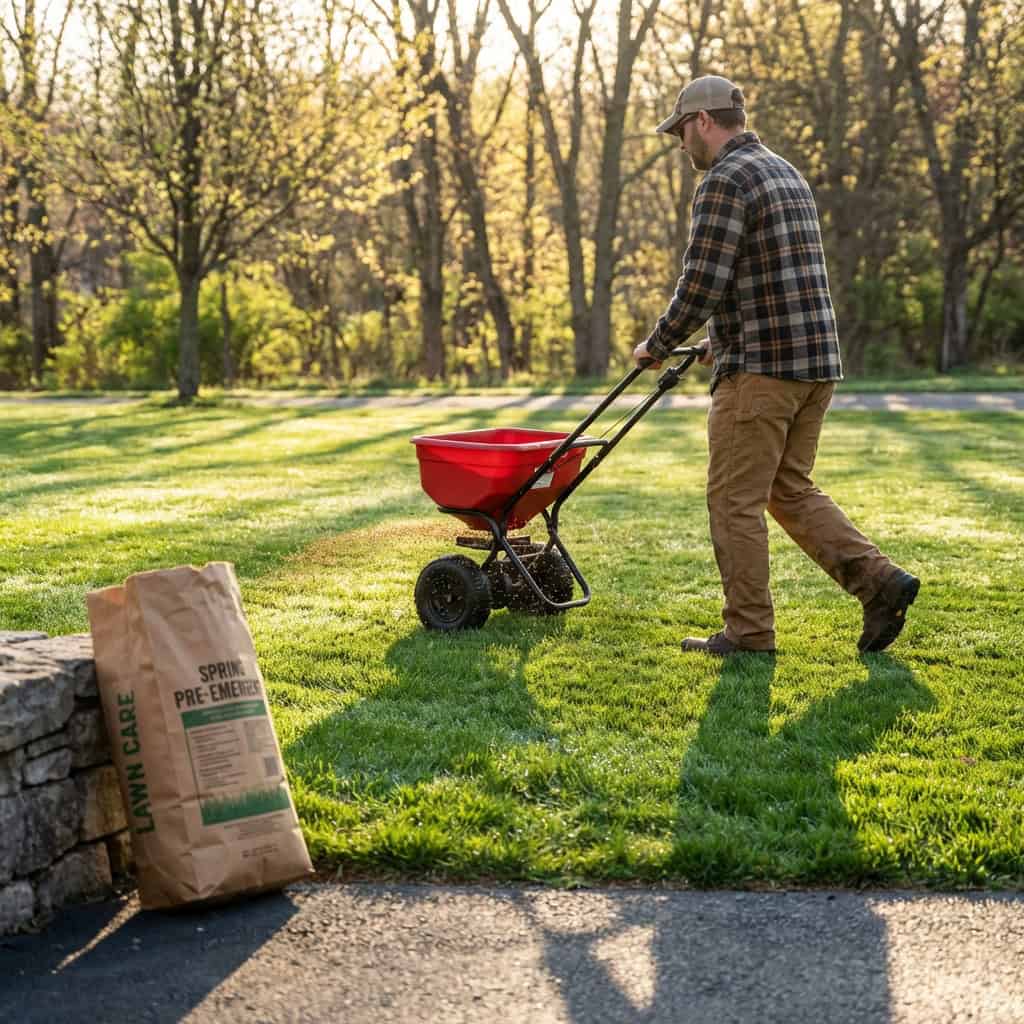
A pre-emergent herbicide creates a chemical barrier in the top layer of your soil that prevents weed seeds from germinating. The seeds are still there — they just cannot sprout through the barrier.
Think of it as an invisible shield just below the surface. When a crabgrass seed sends out its first tiny root, it hits the barrier and dies before it ever breaks through to the surface. You never see the weed because the weed never had a chance to exist.
The key word is “pre.” This is not a weed killer. It does not work on weeds that are already growing. It only works on seeds that have not yet sprouted. If you can see crabgrass in your yard, you have already missed the window for pre-emergent — and you need a different product entirely.

Timing is everything. Get it down before germination starts, and your lawn stays clean. Miss the window, and you are pulling weeds by hand in July.
3. Soil Temperature Is the Trigger, Not the Calendar
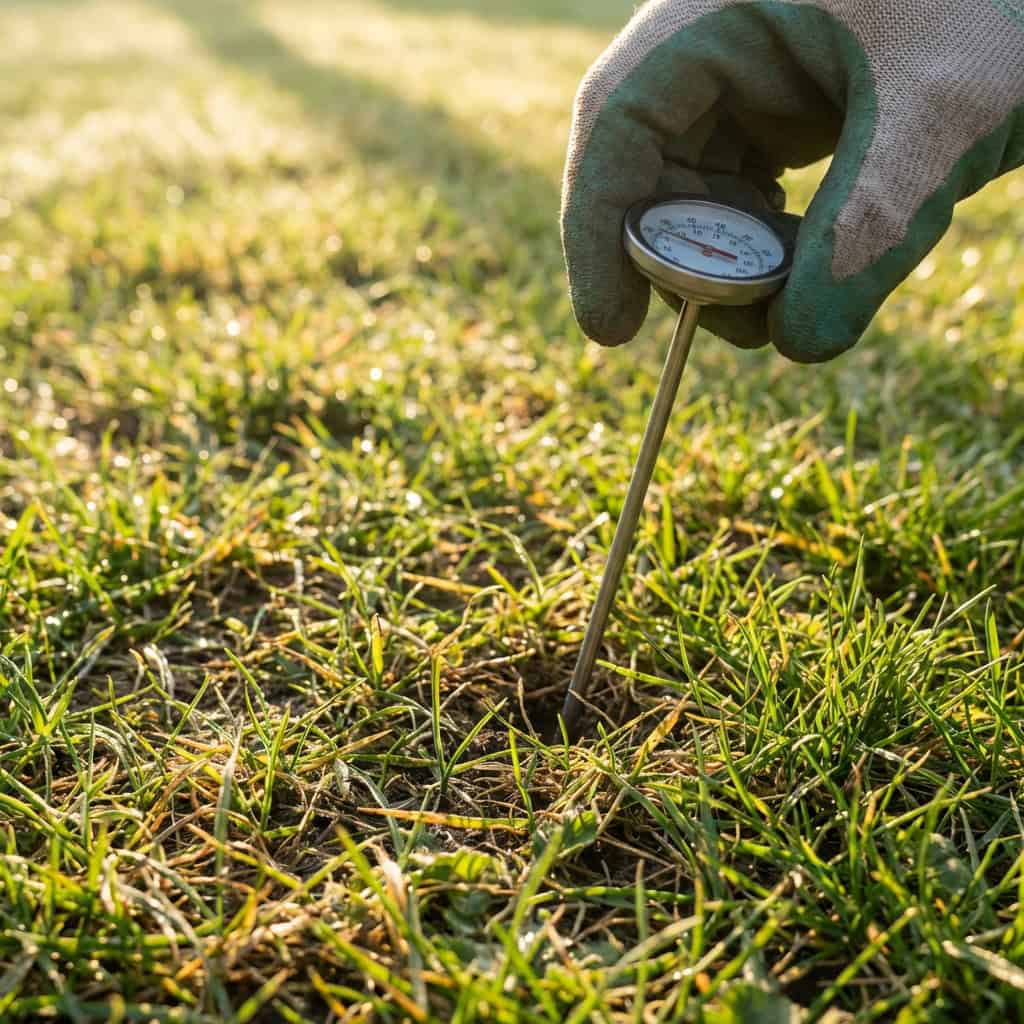
This is the single most important thing most homeowners get wrong.
Pre-emergent needs to be in the soil before crabgrass seeds start germinating. Crabgrass seeds germinate when soil temperature reaches 55 degrees Fahrenheit at a depth of about 2 inches — and stays there for several consecutive days.
That does not happen on the same date every year. A warm March can push germination up by weeks. A cold, wet spring can delay it. The calendar is unreliable. Your neighbor’s advice is unreliable. The only thing that is reliable is the actual temperature of the soil.
This is why the people with the best lawns are not guessing. They are measuring.
4. A Soil Thermometer Is the Single Best Lawn Tool Most People Do Not Own
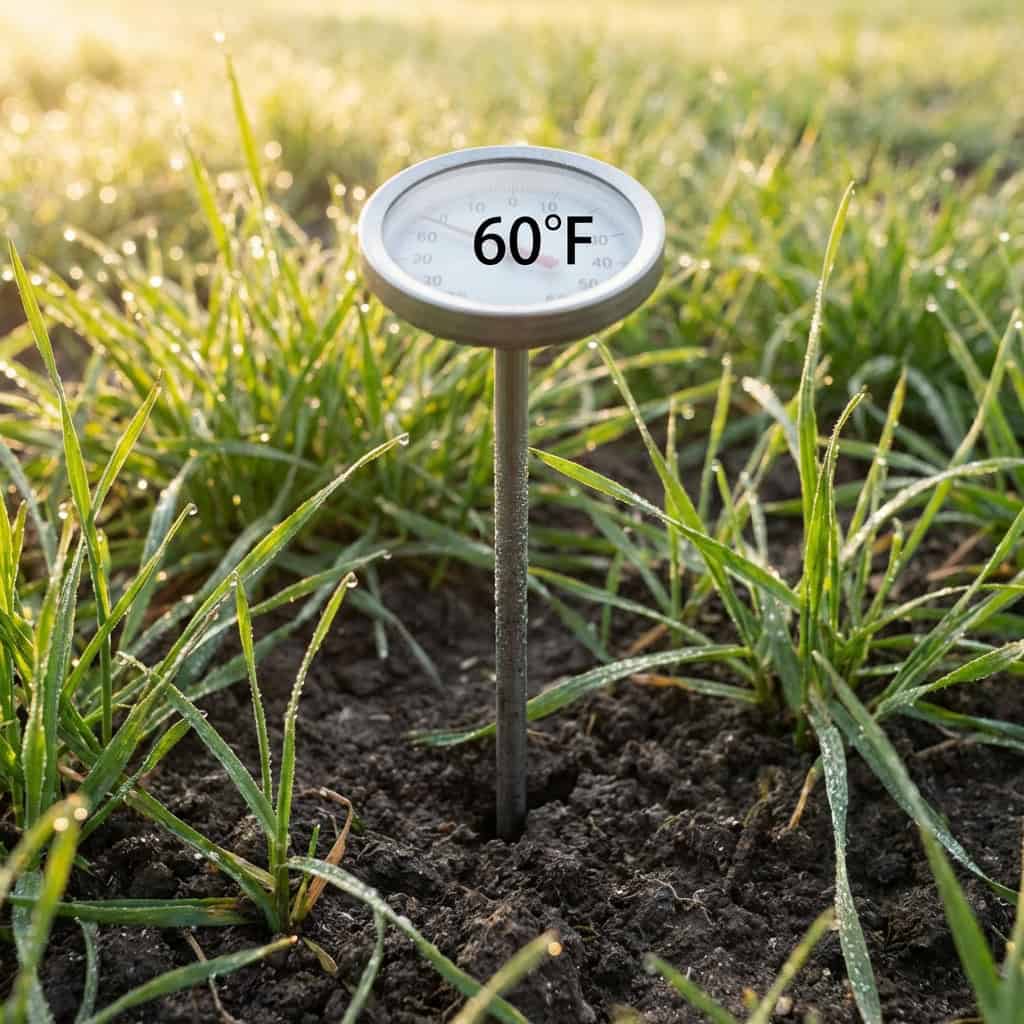
You can buy a soil thermometer on Amazon for about $12. It is the most underrated tool in lawn care.
Stick it in the ground in the morning — about 2 inches deep, in a sunny area of your yard — and read the temperature. Do this every day starting in early spring. When the soil hits 55 degrees for three to five consecutive days, it is time to apply your pre-emergent.
No guessing. No relying on the calendar. No asking your neighbor when they put theirs down. Just data.

- 【4-in-1 Multi-Function】This 4-in-1 soil tester can sense soil pH/moisture/temperature/light more…
- 【Large green backlit LCD display】More accurate than the traditional dial soil tester test, test…
- 【More accurate and faster measurements】This soil meter probe uses the latest 2024 Soil Sensor…
- 【Easier to use】Simply insert the probe into the soil about 3-5 inches (10 cm) and wait 10-15…
A meat thermometer or an instant-read kitchen thermometer works in a pinch, but a dedicated soil thermometer with a longer probe gives you a more accurate reading at the right depth. They are cheap, they last forever, and they take all the uncertainty out of the most important decision you will make for your lawn this year.
5. If You Can See Crabgrass, You Are Already Too Late for Pre-Emergent This Season
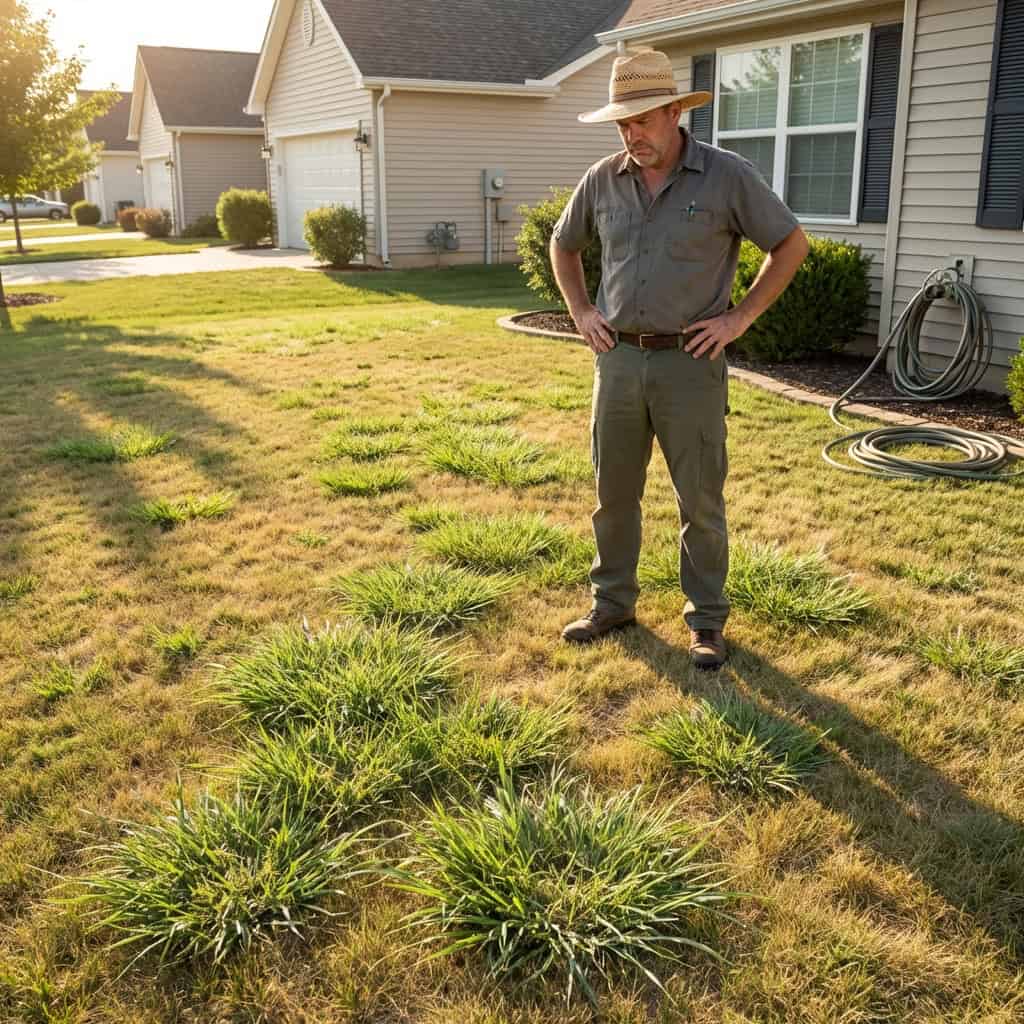
This is the hardest pill to swallow, but it is the truth.
Pre-emergent only works on seeds that have not yet germinated. Once crabgrass is visible — even small, barely noticeable sprouts — those seeds have already pushed through the soil and the pre-emergent window has closed.
Putting down pre-emergent after crabgrass has already emerged is like putting on sunscreen after you are already sunburned. The damage is done. The product cannot work backwards.
If you are reading this and you already see crabgrass in your lawn, do not waste money on pre-emergent right now. Skip ahead to entry 14 — you need a post-emergent herbicide instead. And next year, start earlier.
6. You Need Two Applications — One in Early Spring and a Second 8 Weeks Later
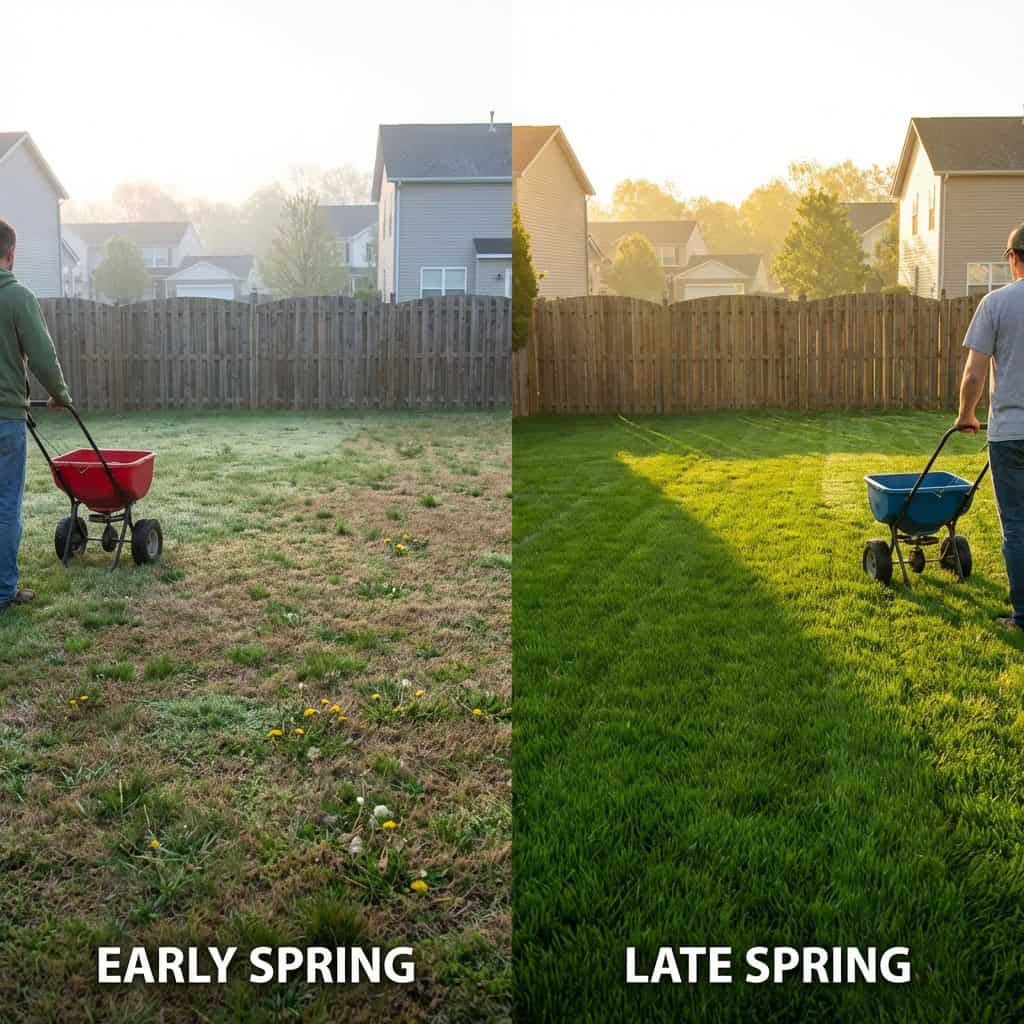
Most pre-emergent products are effective for about 8 to 12 weeks, depending on the product, the rate of application, and how much rain you get. A single application in early spring will start to wear off right around the time late-season crabgrass seeds are still germinating.
This is why the people with the cleanest lawns do a split application — half the recommended rate in early spring when soil temps first hit 55 degrees, and the other half about 8 weeks later to extend the barrier through the summer germination window.
A split application gives you longer, more consistent protection than dumping the full rate all at once. It is the difference between a lawn that is clean in June but weedy in August, and a lawn that stays clean all season.
Check your product label for the recommended rate and split it accordingly. Most labels include instructions for split applications because the manufacturers know it works better.
7. The Go-To Product Is Prodiamine — And You Can Apply It as Granular or Liquid
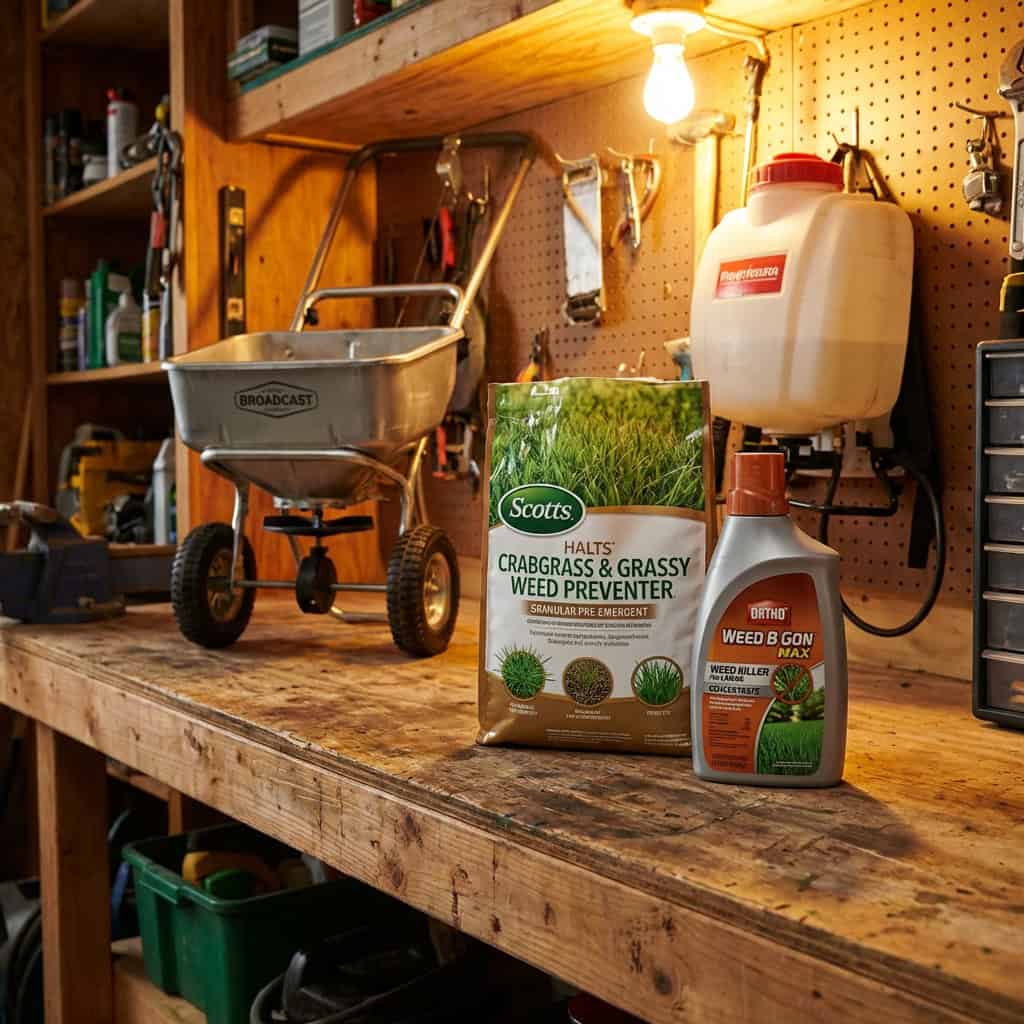
If you start researching pre-emergents, you are going to see one name more than any other — Prodiamine, sold under the brand name Barricade.
Prodiamine is the most widely recommended pre-emergent for homeowners because it is effective against crabgrass, poa annua, goosegrass, and a long list of other annual weeds. It has a long residual — meaning it stays active in the soil longer than most other options — and it is available in both granular and liquid concentrate forms on Amazon.

- Crabgrass Control
- Pre-emergent and broadleaf weed control
Granular is easier for most homeowners. You load it into a spreader, walk your yard, and water it in. No mixing, no measuring liquid concentrates, no sprayer needed.
Liquid concentrate is more precise and often more cost-effective per application, but it requires a sprayer and some basic calibration to get the rate right. If you already own a good sprayer — or you are ready to invest in one — liquid is the way to go.
Either form works. The active ingredient is the same. The difference is in how you apply it.
8. If You Go Liquid, a Battery-Powered Backpack Sprayer Changes Everything
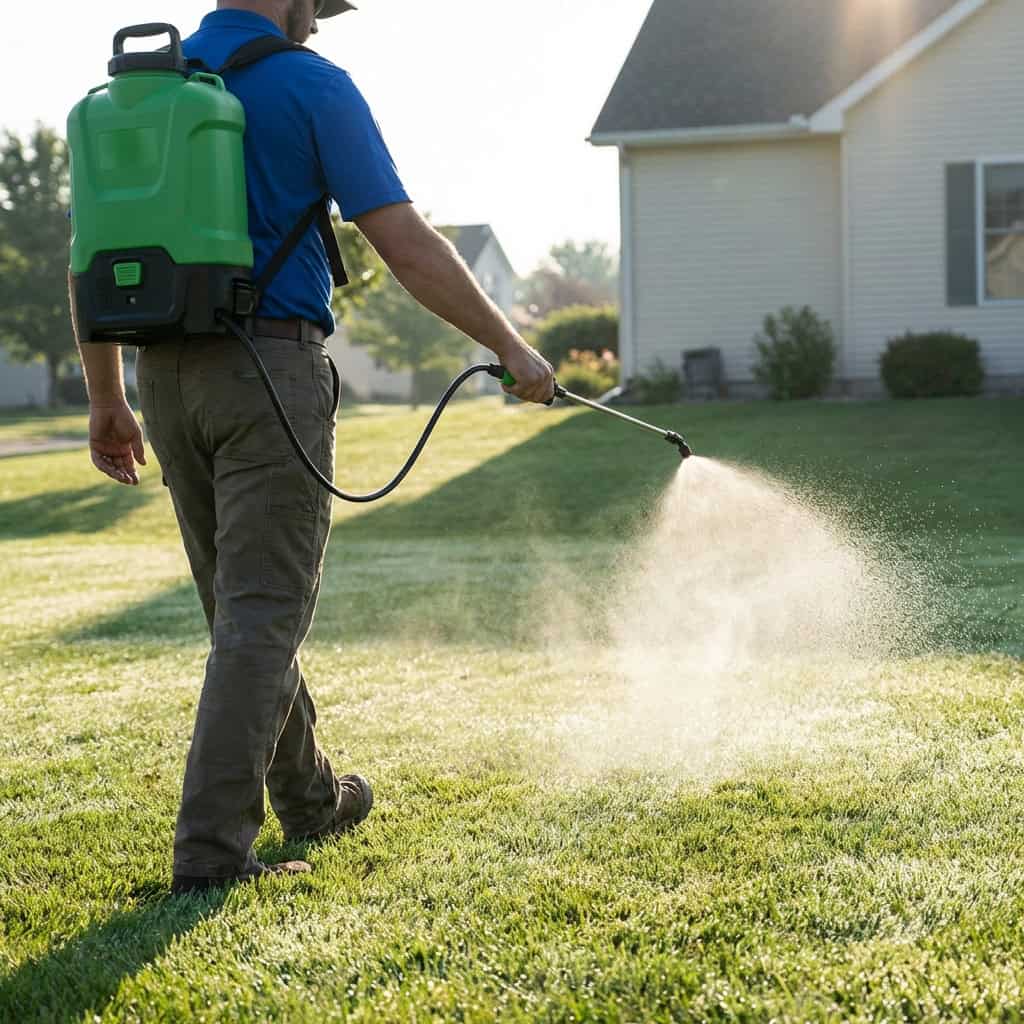
If you decide to go the liquid route — and there are good reasons to — do not waste your time with a cheap pump sprayer from the hardware store. You will pump it 400 times, your arm will be dead, and the pressure will be inconsistent from the first pass to the last.
A battery-powered backpack sprayer is the upgrade that makes liquid application actually enjoyable. Consistent pressure, adjustable output, no pumping, and even coverage across your entire lawn.

The one I recommend is the My4Sons M4. It is a 4-gallon battery-powered backpack sprayer with adjustable pressure up to 70 PSI, multiple nozzle options, and a battery that lasts 6 to 8 hours on a single charge.
The shoulder straps are comfortable enough to wear for a full application, and the variable pressure dial lets you adjust on the fly as you walk.
It is also a small family-run company with customer service that is genuinely excellent — they answer the phone, they solve problems, and they stand behind the product.
The M4 is not just for pre-emergent. Once you own it, you will use it for liquid fertilizer, fungicide, insecticide, and anything else you need to spray on your lawn. It is one of those tools that pays for itself in two or three uses.
9. If You Go Granular, Use a Broadcast Spreader — and Make Two Passes
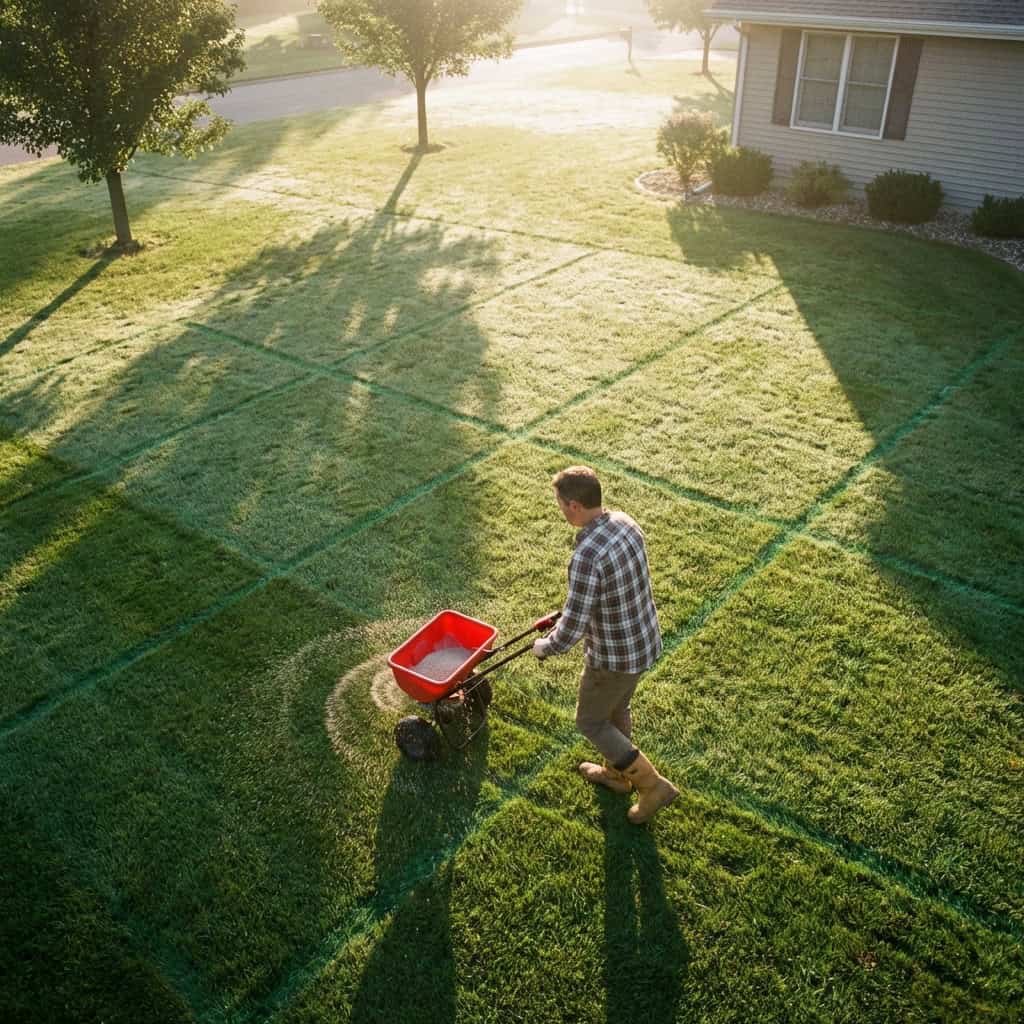
Hand-tossing granular pre-emergent across your yard is a waste of time and product. You will get uneven coverage, miss spots, and end up with a lawn that has clean patches and weedy patches in a pattern that makes no sense.
A broadcast spreader — the kind with wheels that you push across the lawn — is the only way to get even, consistent coverage with granular products. Set the dial to the rate on the product label, and walk.
Here is the trick the pros use — apply half the recommended rate in one direction (north to south), then apply the other half in a perpendicular direction (east to west). This gives you overlapping coverage that fills in any thin spots from the first pass.
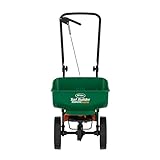


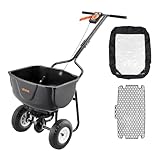
It takes a few extra minutes. It is worth every one of them. A single pass with a spreader almost always leaves gaps. Two passes in opposite directions virtually eliminates them.
10. Do Not Apply Pre-Emergent and Grass Seed at the Same Time
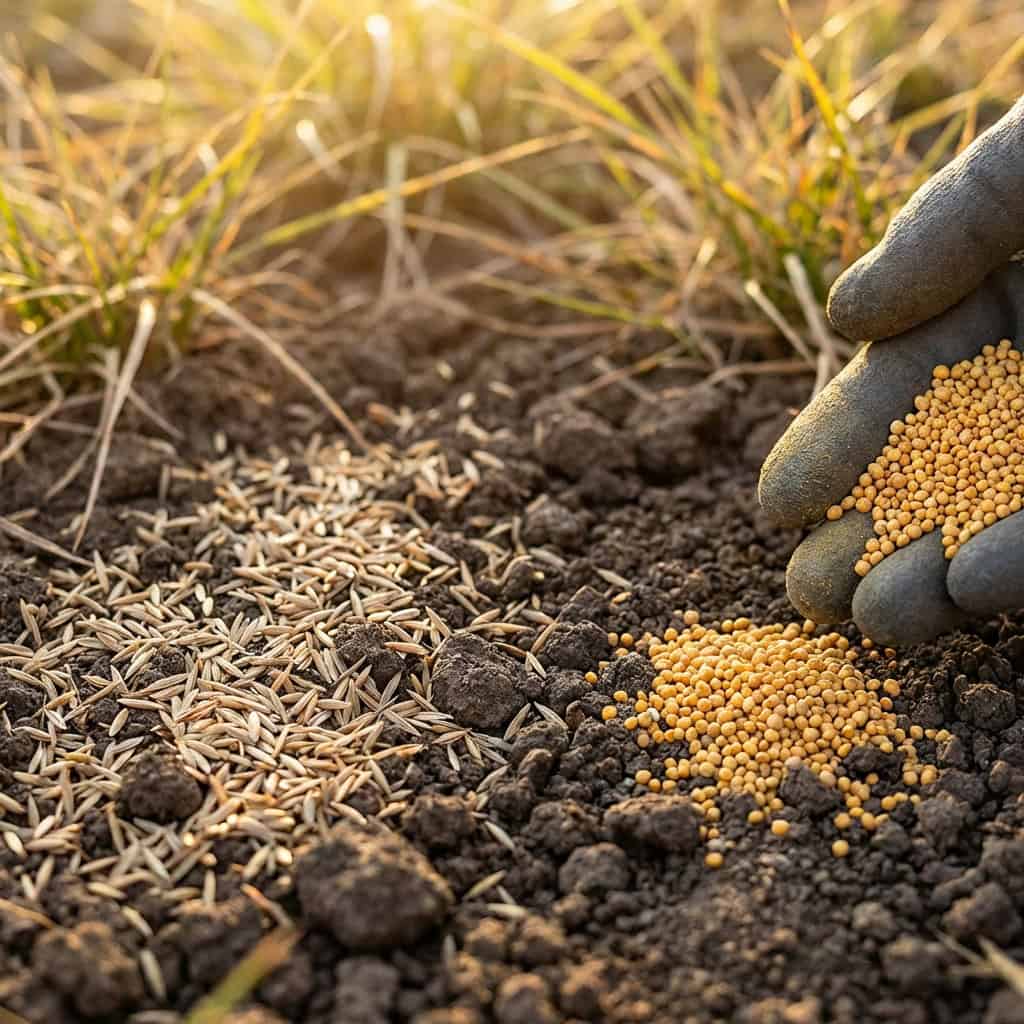
This is the mistake that costs the most homeowners the most money.
Pre-emergent does not know the difference between a crabgrass seed and a grass seed. It prevents all seeds from germinating — including the expensive bag of tall fescue or Kentucky bluegrass you just spread across your bare patches.
If you apply pre-emergent and seed at the same time, you will get zero weeds and zero new grass. The pre-emergent will do exactly what it is designed to do — kill every seed that tries to sprout.
If you need to both seed and apply pre-emergent in the same year, do one in the spring and the other in the fall. Most homeowners apply pre-emergent in the spring to block crabgrass, then overseed in the early fall when the pre-emergent has worn off. That gives you the best of both worlds — weed prevention in the summer and new grass establishment in the fall.
Check your product label for the specific waiting period between pre-emergent application and seeding. Most products require 8 to 16 weeks before it is safe to seed.
11. Water It In Within 24 Hours — Or It Just Sits There Doing Nothing
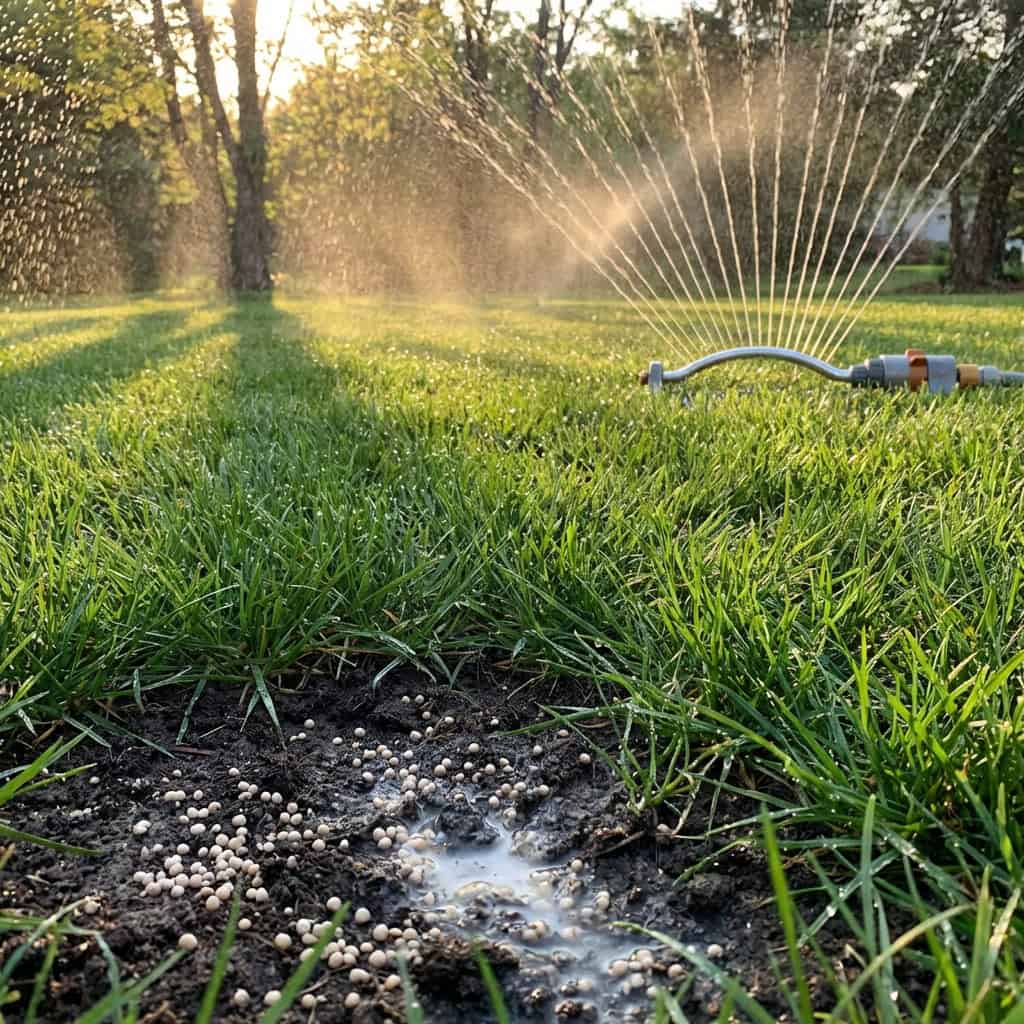
Pre-emergent — whether granular or liquid — needs to be watered into the soil to activate. Without water, the product just sits on top of the grass blades, exposed to sunlight and wind, slowly breaking down before it ever reaches the soil where it needs to be.
For granular products, water your lawn immediately after application — or at least within 24 hours. A half inch of water is enough to move the product off the grass and into the top layer of soil where it forms the barrier.
For liquid products, let it dry on the grass blades for a few hours first (to avoid washing it off before it can bond), then water lightly the following day.
If rain is in the forecast within 24 to 48 hours of your planned application, that works in your favor — apply just before the rain and let nature do the watering. But heavy, prolonged rain can wash the product away before it settles, so a light to moderate rain is ideal.
12. Do Not Aerate or Dethatch After You Apply
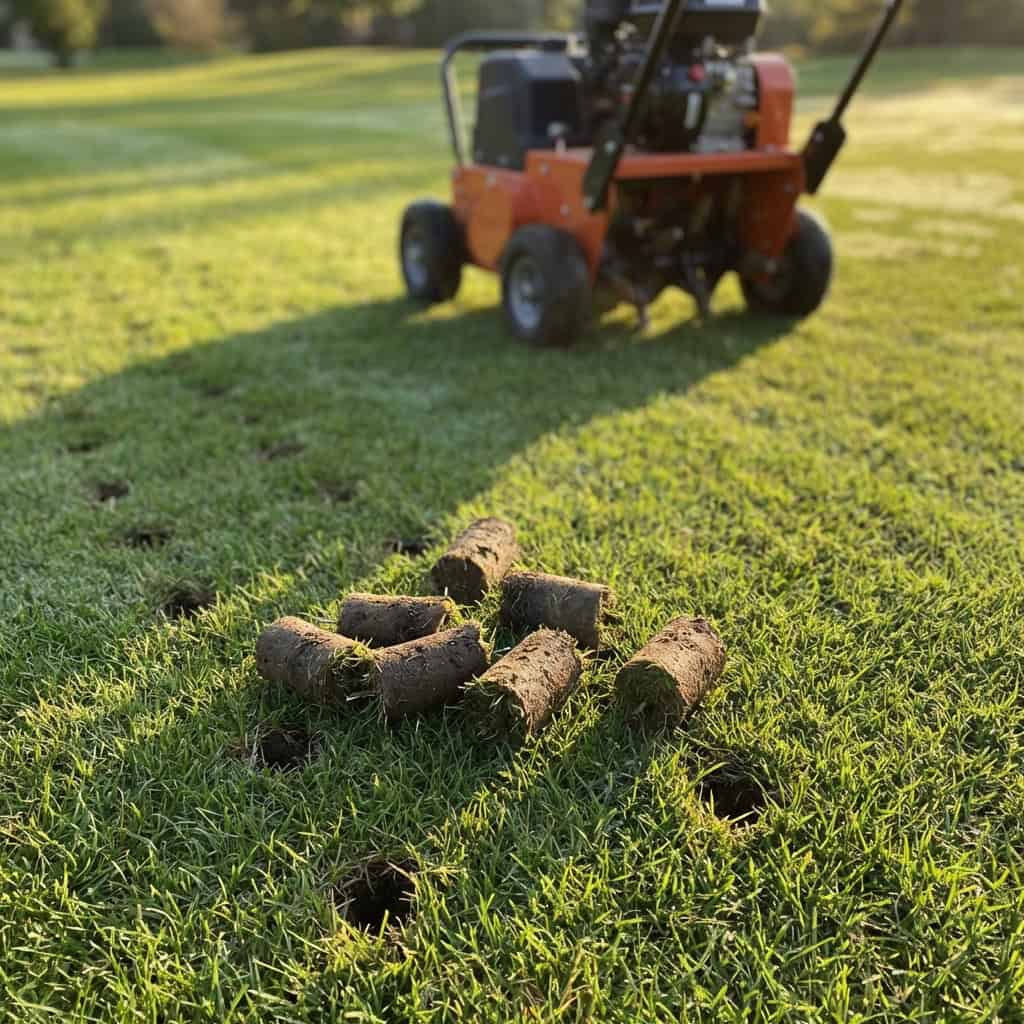
This is the one that makes people want to throw things when they learn it too late.
Aerating — pulling small plugs of soil out of your lawn — is great for relieving compacted soil. Dethatching — raking up the layer of dead grass and debris that accumulates on the surface — is great for improving water and nutrient penetration.
Both of them destroy your pre-emergent barrier.
Pre-emergent works by creating a continuous chemical layer in the top inch or so of soil. Aerating punches holes through that layer. Dethatching disrupts the surface. Either one creates gaps in the barrier that crabgrass seeds will find and exploit immediately.
Aerate and dethatch before you apply pre-emergent — never after. If you have already applied and then aerate, you have essentially opened doors in a wall you just built.
13. Use Soil Temperature, Not Air Temperature
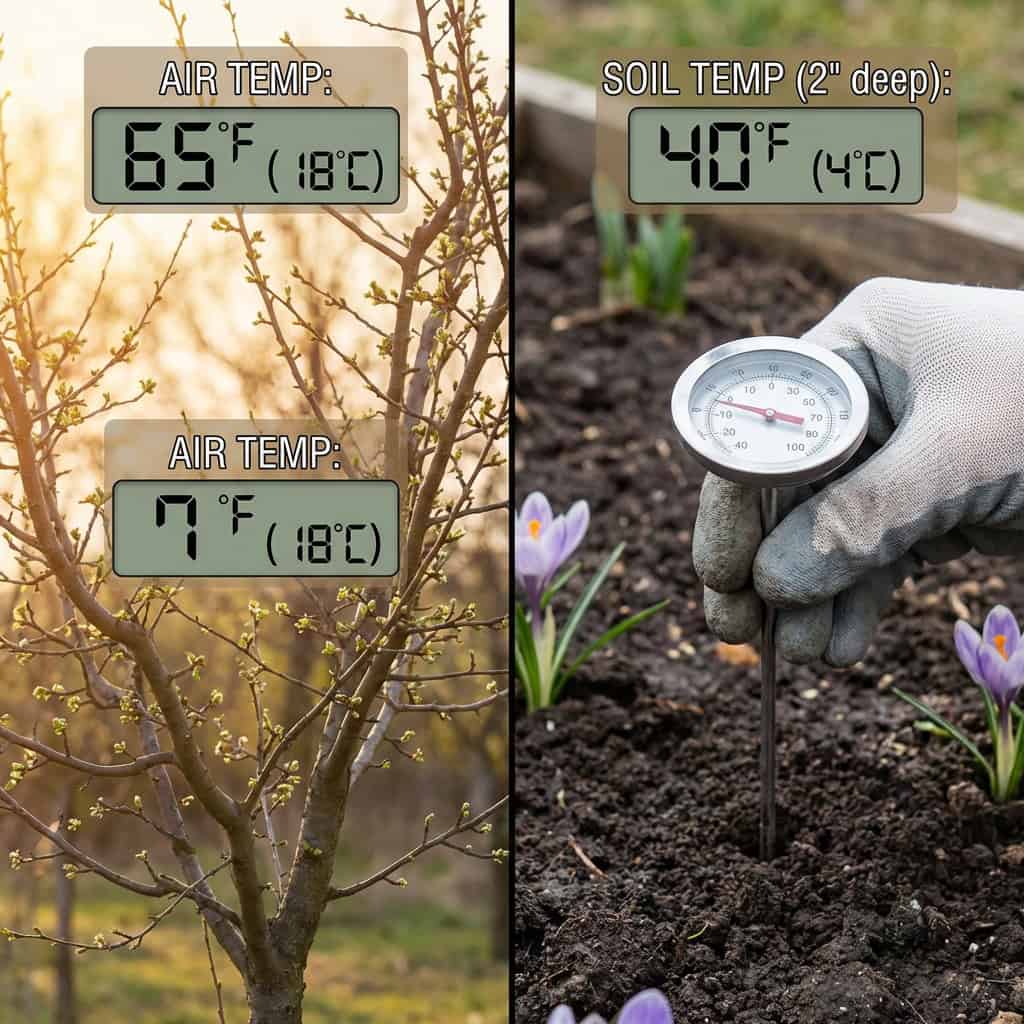
This deserves its own entry because it is the most common mistake and the easiest to fix.
Air temperature and soil temperature are not the same thing. A warm afternoon in early March might put the air temperature at 65 degrees, but the soil at 2 inches deep might still be in the low 40s. Conversely, a string of mild days in the 50s can push soil temperatures past the 55-degree threshold even when it does not feel particularly warm outside.
Soil temperature changes more slowly than air temperature. It takes sustained warmth — days and days of it — to move the needle at the depth where crabgrass seeds are sitting and waiting.
This is why the soil thermometer from entry 4 matters so much. Air temperature is noise. Soil temperature is signal.
14. Pre-Emergent Does Not Kill Existing Weeds — You Need a Post-Emergent for That
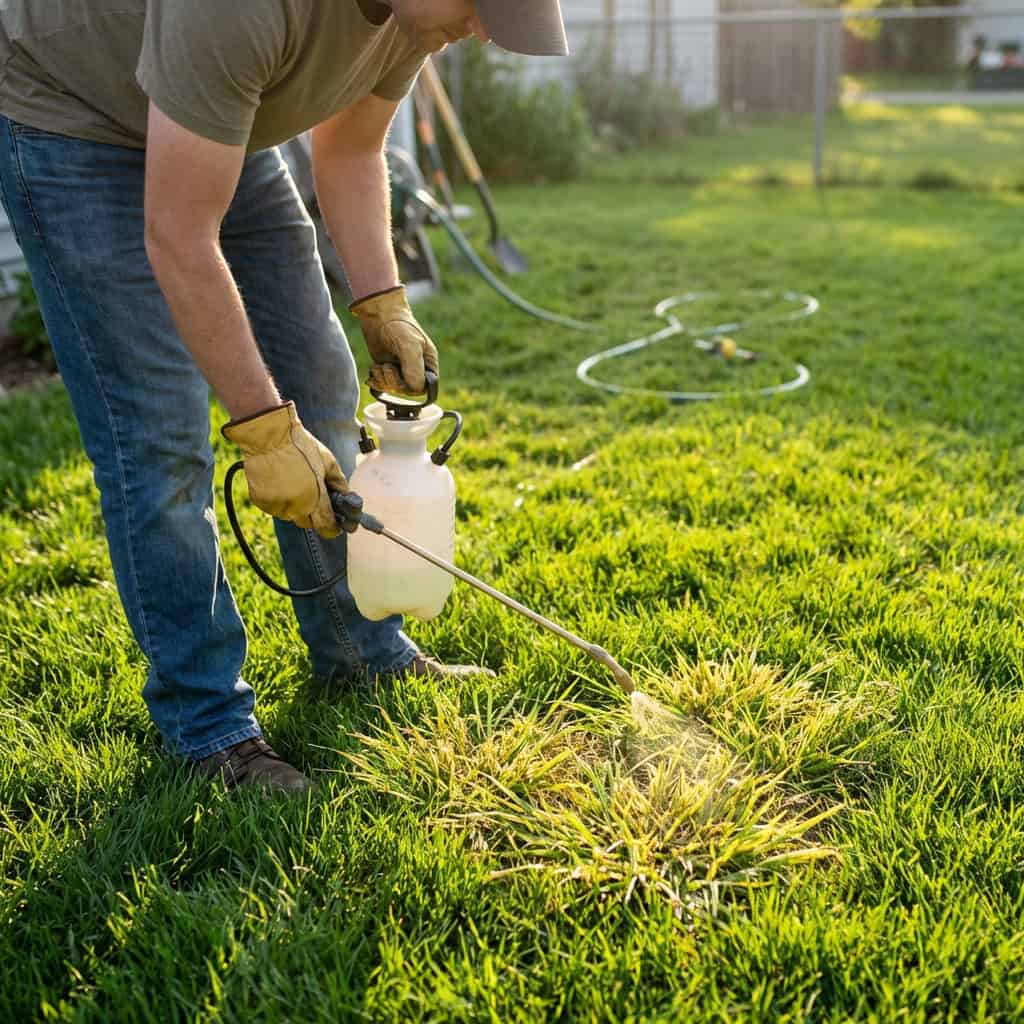
If crabgrass has already sprouted in your lawn, pre-emergent will not touch it. You need a post-emergent herbicide — a product specifically designed to kill weeds that are already growing.
For crabgrass specifically, look for products containing Quinclorac. It is one of the most effective post-emergent active ingredients for killing crabgrass without damaging most common lawn grasses. It is available on Amazon as a standalone concentrate that you mix and spray.

- Water-Based Formulation: Experience the power of our unique water-based formulation that ensures…
- Extended Residual Control: Enjoy up to 30 days of residual control, keeping your turfgrass free from…
- Broad-Spectrum Weed Control: Effectively targets a wide range of weeds, including crabgrass,…
- Versatile Application: Perfect for residential lawns, golf courses, commercial properties, and other…
The key with post-emergent is to hit the crabgrass while it is young — ideally when it is small and has only a few leaves. Mature crabgrass with thick stems and seed heads is much harder to kill and may require multiple applications.
A two-part strategy works best for most homeowners. Pre-emergent in the spring to prevent the majority of crabgrass. Post-emergent as needed through the summer to catch anything that breaks through. Together, they give you a layered defense that keeps your lawn clean without obsessing over perfection.
15. Fall Applications Matter Just as Much as Spring
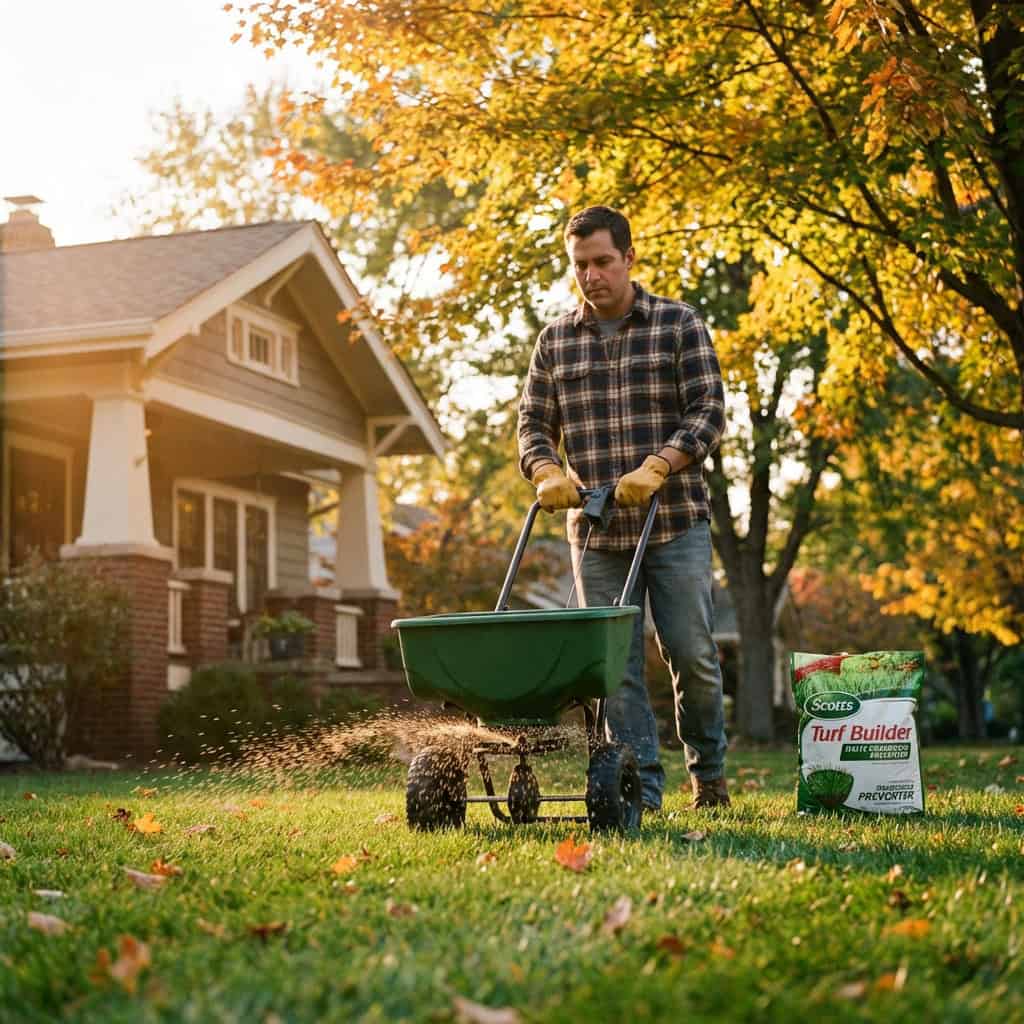
Most people think of pre-emergent as a spring product. It is not. Fall is equally important — and most homeowners skip it entirely.
Poa annua — also called annual bluegrass — is a winter annual weed that germinates in the fall when soil temperatures drop below 70 degrees. Chickweed, henbit, and several other cool-season weeds follow the same pattern. They sprout in the fall, survive the winter, and take over your lawn in early spring before your grass has even woken up.
A fall application of pre-emergent — typically in September, when soil temperatures start cooling — creates the same barrier against these cool-season weeds that your spring application creates against crabgrass.
If you have ever noticed light green patches of grassy weeds in your lawn in March or April — before your lawn has started growing — that is poa annua. And the only way to stop it is with a pre-emergent the previous fall.
16. A Thick, Healthy Lawn Is the Best Pre-Emergent There Is
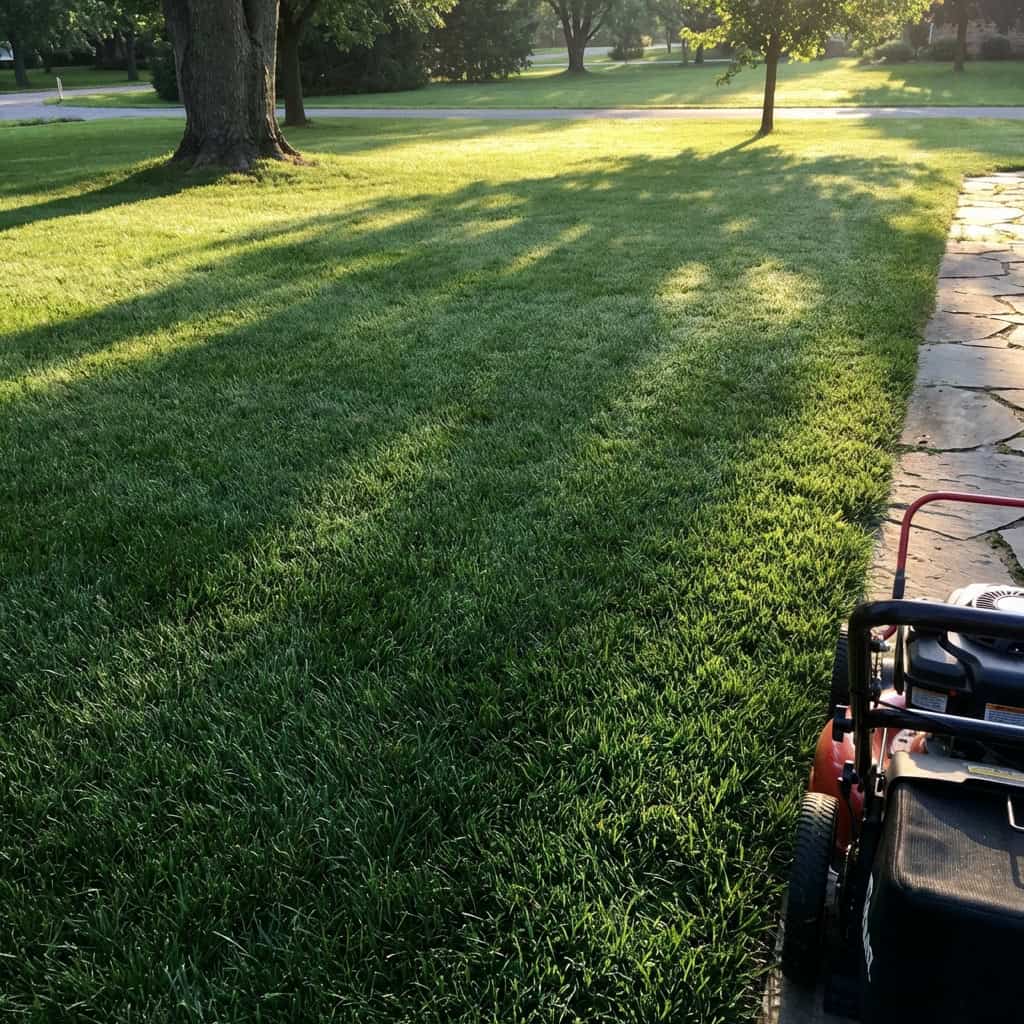
Every entry on this list is about chemicals, tools, and timing. This one is about the lawn itself.
A thick, dense, healthy lawn chokes out weeds naturally. Crabgrass needs sunlight to germinate — if your turf is thick enough that sunlight cannot reach the soil surface, many crabgrass seeds will never sprout even without a pre-emergent application.
This is why the best weed prevention program is also a good lawn care program. Mow at the right height — usually 3 to 4 inches for cool-season grasses, which shades the soil and reduces weed germination. Water deeply but infrequently to encourage deep root growth. Fertilize on a schedule to keep the turf thick and competitive.
Pre-emergent is your safety net. A healthy lawn is your first line of defense. The two together are nearly unbeatable.
17. You Will Never Eliminate Every Weed — The Goal Is Control, Not Perfection

This is the one that saves your sanity.
There are millions of weed seeds in your soil. Some of them will find a crack in the barrier. Some of them will blow in from your neighbor’s yard. Some of them were there before you moved in and they will be there long after you leave.
The goal of pre-emergent is not a zero-weed lawn. The goal is control — reducing the weed pressure from overwhelming to manageable. A well-timed pre-emergent program can eliminate 90 percent or more of annual weeds like crabgrass. The remaining 10 percent can be handled with spot treatments, hand pulling, or a targeted post-emergent application.
The people with the best lawns in your neighborhood are not spending every weekend pulling weeds. They are spending 30 minutes twice a year putting down pre-emergent at the right time — and then enjoying their lawn while everyone else is fighting a battle they already lost in March.
That is the difference. Not money. Not luck. Just timing.
Crabgrass wins because most people do not know it can be stopped before it starts. Now you know.
Get a soil thermometer. Watch the temperature. Put down your pre-emergent before the soil hits 55 degrees. Water it in. Do it again 8 weeks later. And in the fall, do it one more time.
Your lawn will look better this summer than it has in years. And you will spend the season enjoying it instead of fighting it.
Last update on 2026-04-03 / Affiliate links / Somes Images and Data from Amazon Product Advertising API