


I love filling my house with greenery.
It brings life to a room, cleans the air, and makes everything look finished.
But as a pet owner, bringing a new plant home is like navigating a minefield.
Many of the trendiest, most photogenic houseplants you see on Instagram are secretly poisonous to cats and dogs.
If your furry friend decides to take a nibble, you could be looking at a massive emergency vet bill—or worse.
Here are 19 common houseplants that are actually toxic to pets, and the safe alternatives you should buy instead.
1. Monstera Deliciosa (Swiss Cheese Plant)
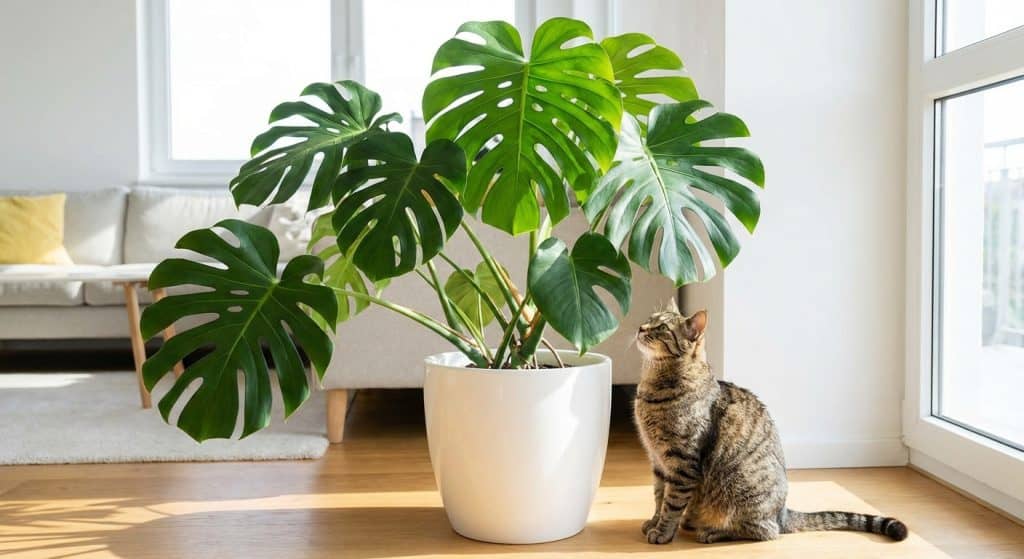
It’s the undisputed king of houseplant aesthetics.
But the Monstera contains insoluble calcium oxalate crystals.
If your cat or dog chews on a leaf, it feels like swallowing millions of microscopic glass needles.
It causes intense burning, drooling, and swelling of the mouth and airway.
The Pet-Safe Swap: Buy a Parlor Palm. It gives you that big tropical vibe but is 100% non-toxic.
2. Pothos (Devil’s Ivy)
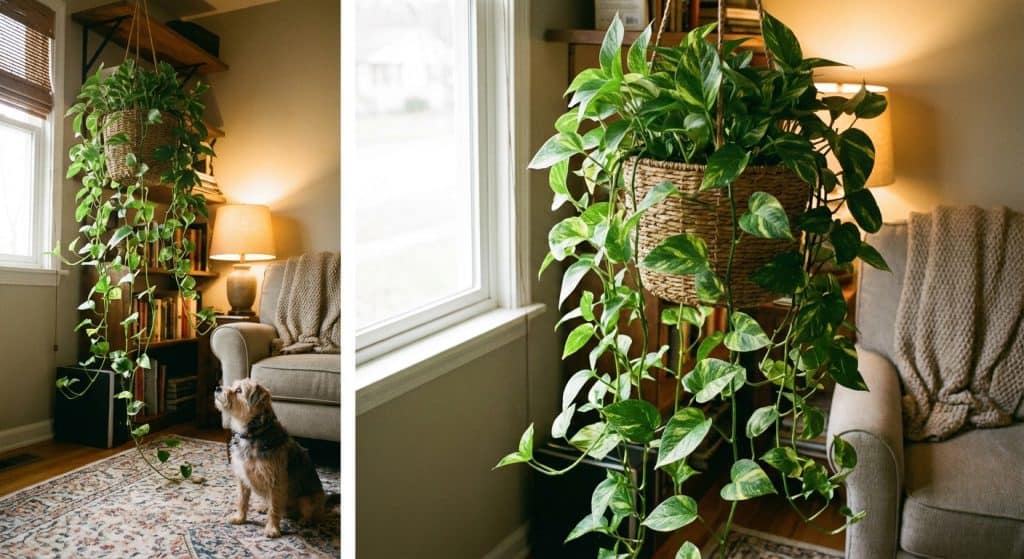
This is the ultimate beginner plant because it is nearly impossible to kill.
Unfortunately, it is highly toxic to both cats and dogs.
Like the Monstera, it contains sharp oxalate crystals that embed into the soft tissue of the mouth and throat.
Even a small bite will cause severe vomiting and oral pain.
The Pet-Safe Swap: Grow a Spider Plant. It trails beautifully from hanging baskets and is totally safe.
3. Aloe Vera
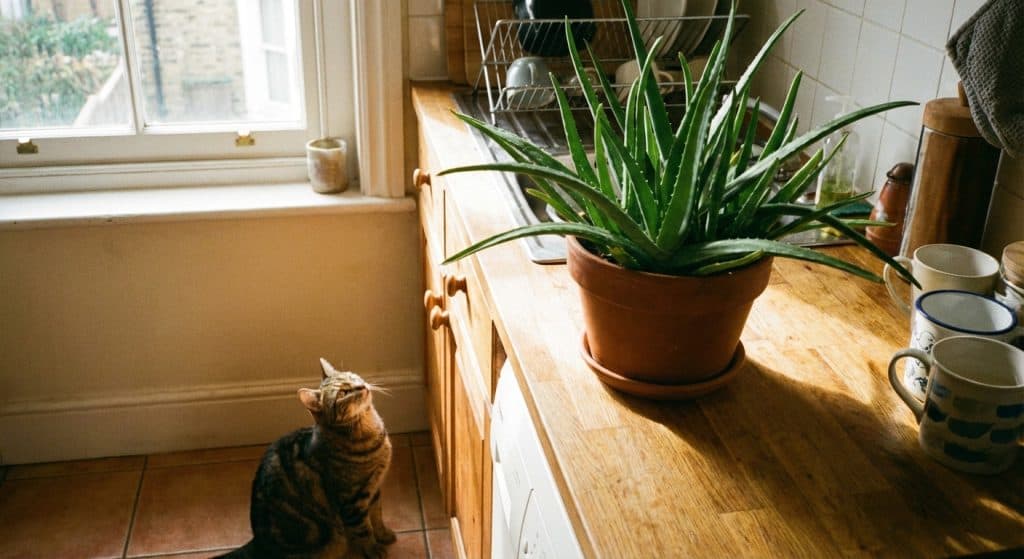
We keep it in the kitchen to soothe sunburns and cuts.
While the inner gel is fine for humans, the outer skin of the plant contains saponins.
These compounds are highly toxic to pets.
Eating it causes severe lethargy, vomiting, and diarrhea in dogs and cats.
The Pet-Safe Swap: Buy a Haworthia (Zebra Plant). It looks exactly like a mini Aloe but is completely safe.
4. Sago Palm
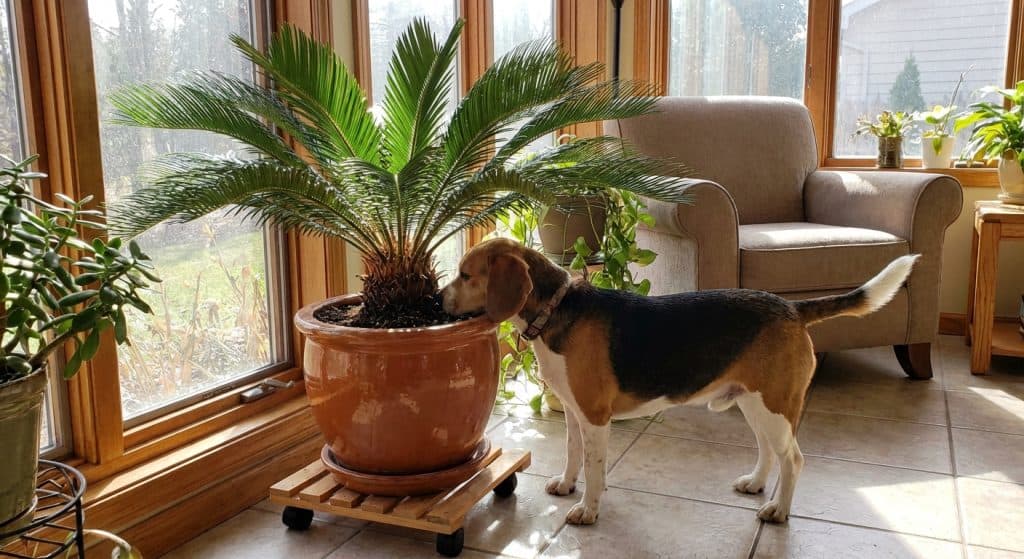
These look like cool miniature dinosaur trees and are sold everywhere.
Do not bring this plant into a home with pets.
Every single part of the Sago Palm is toxic, but the seeds are deadly.
Ingesting even a tiny amount causes severe liver failure and is frequently fatal.
The Pet-Safe Swap: Get a Ponytail Palm. It has a fun, textured trunk and sweeping leaves, with zero toxins.
5. Lilies (Peace Lily, Easter Lily, Stargazer)
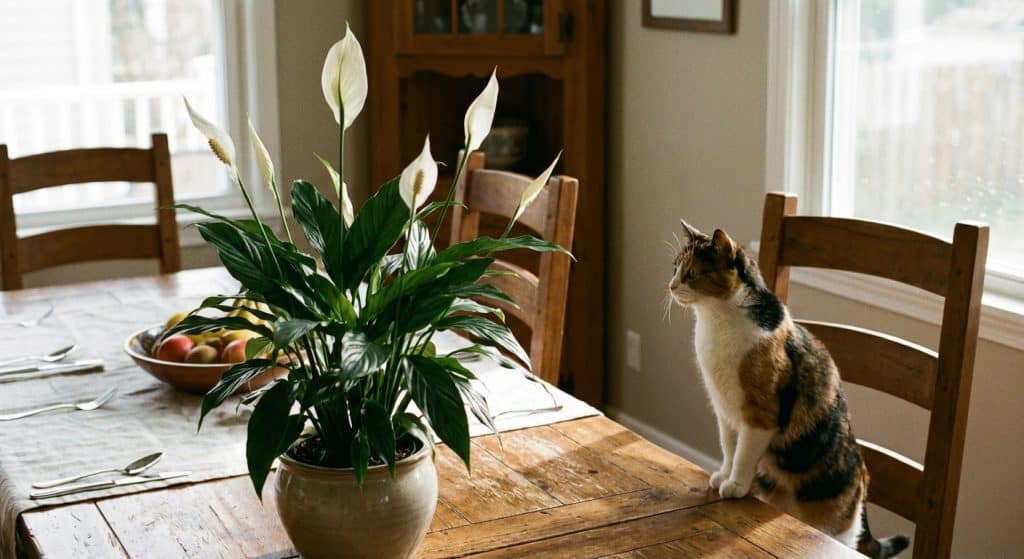
They produce stunning, elegant blooms that look great on a dining table.
But if you have a cat, true lilies are a death sentence.
Even licking the pollen off their fur or drinking the water from the vase can cause acute kidney failure in cats within days.
Peace Lilies (which aren’t true lilies) won’t cause kidney failure, but they will severely burn the mouth.
The Pet-Safe Swap: Buy a Moth Orchid (Phalaenopsis). They provide elegant blooms and are pet-safe.
6. Snake Plant (Sansevieria)
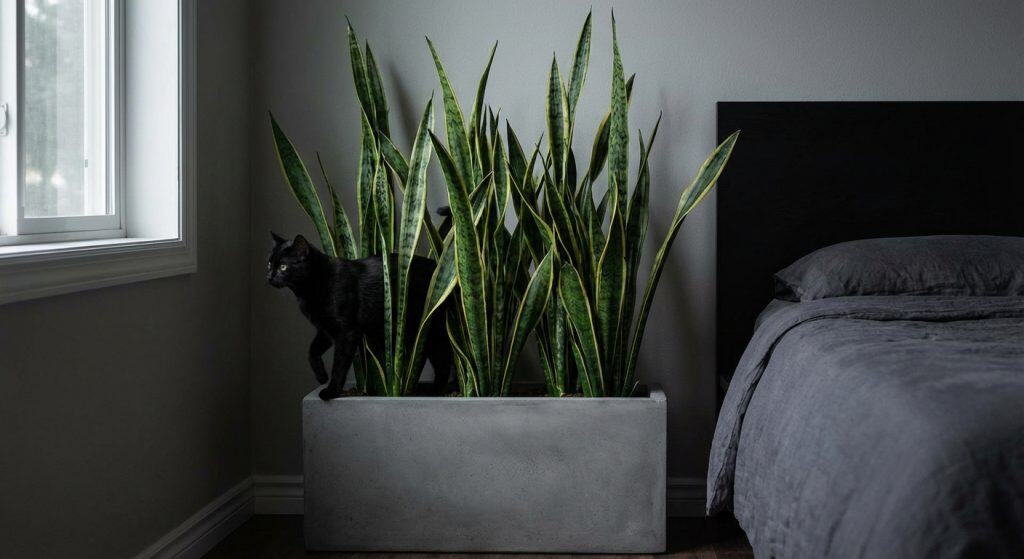
It thrives in dark corners and requires almost no water.
But the stiff, architectural leaves contain toxic saponins.
If your dog decides to use it as a chew toy, it will cause nausea, vomiting, and ruptured red blood cells.
The Pet-Safe Swap: Use a Cast Iron Plant. It is just as indestructible in low light but won’t harm your pets.
7. ZZ Plant
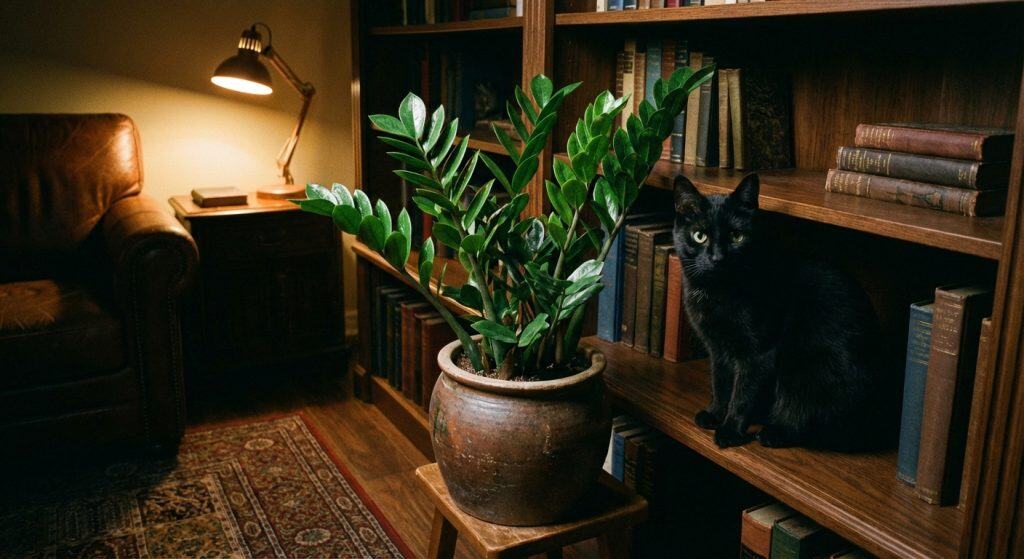
This is another favorite for modern, low-light spaces.
But the sap inside the thick stems and glossy leaves is toxic.
It acts as a severe irritant to both the skin and the digestive tract.
If your pet eats it, expect a frantic trip to the vet for vomiting and airway swelling.
The Pet-Safe Swap: Buy a Money Tree. It has a cool braided trunk, glossy leaves, and is perfectly safe.
8. Philodendron
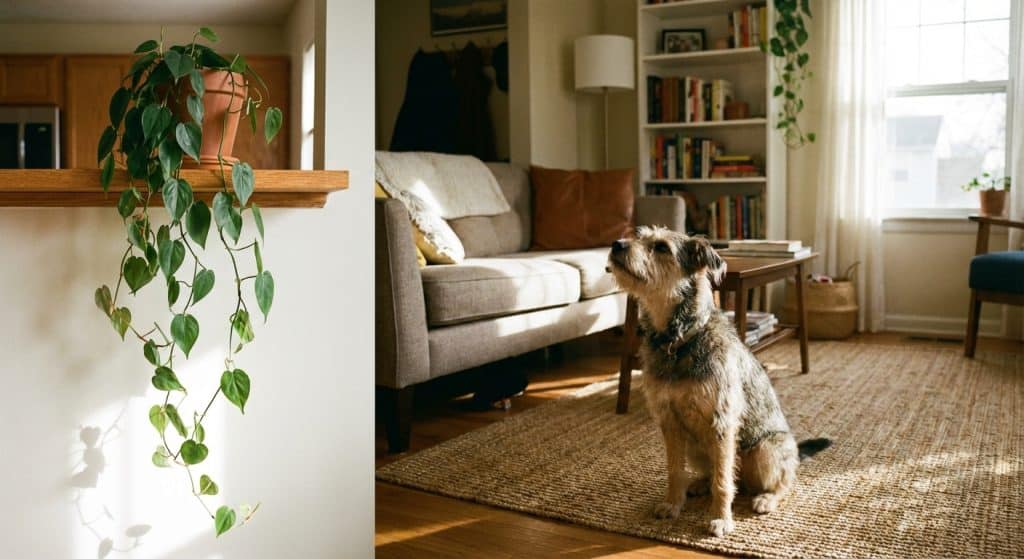
They have beautiful heart-shaped leaves and trail perfectly off a bookshelf.
But just like Pothos, they are packed with calcium oxalate.
Chewing on the leaves causes immediate, sharp pain and swelling of the tongue and throat.
In severe cases, the swelling can cut off your pet’s breathing.
The Pet-Safe Swap: Hang a Peperomia. They have similar heart-shaped leaves but no hidden dangers.
9. Jade Plant

This cute, fleshy succulent is a staple on window sills.
The exact toxic principle is unknown, but the danger is very real.
Eating a Jade Plant causes severe depression, vomiting, and a complete loss of coordination in pets.
Your dog or cat will act incredibly drunk and lethargic.
The Pet-Safe Swap: Buy a Burro’s Tail (Sedum). It’s a gorgeous, trailing succulent that is safe to nibble.
10. Dumb Cane (Dieffenbachia)
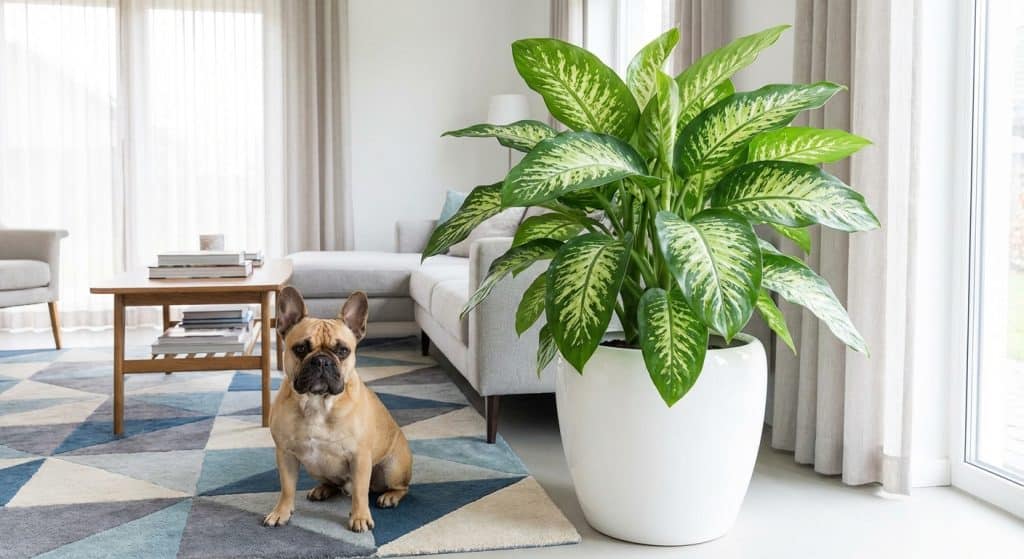
It has gorgeous, large variegated leaves that make a statement.
It earned the name “Dumb Cane” because chewing the plant paralyzes the vocal cords.
It causes such extreme swelling in the throat that humans and pets can literally lose the ability to make a sound.
The Pet-Safe Swap: Choose a Prayer Plant (Calathea). You get the same dramatic leaf patterns without the poison.
11. English Ivy
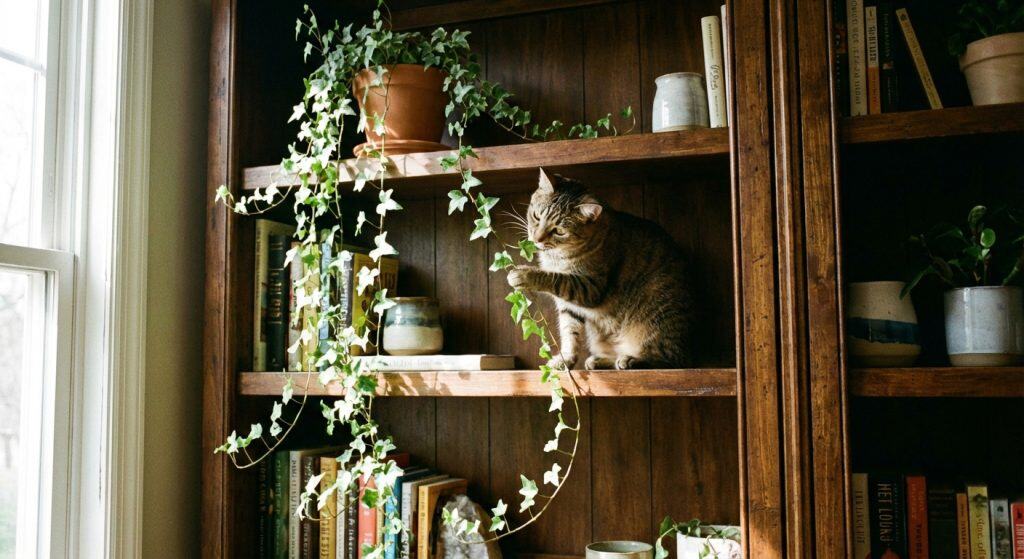
It looks incredibly romantic trailing off a mantle or bookshelf.
But the foliage contains triterpenoid saponins.
If ingested, it causes abdominal pain, hypersalivation, and severe vomiting.
The foliage is also known to cause contact dermatitis (skin rashes) in humans and pets.
The Pet-Safe Swap: Grow Swedish Ivy instead. It has a similar trailing habit but is entirely safe.
12. Fiddle Leaf Fig
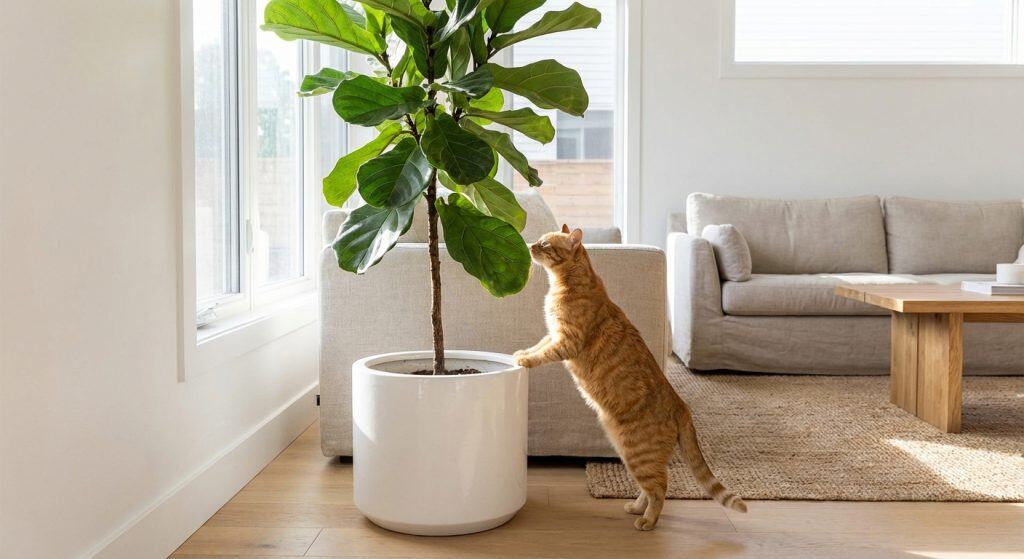
It is the ultimate designer tree for empty living room corners.
But Ficus plants have a milky, latex-like sap that is highly toxic.
If your dog chews on a dropped leaf, it will cause severe gastrointestinal distress.
The sap also causes painful blisters if it gets on their skin or in their eyes.
The Pet-Safe Swap: Buy a Banana Tree (Musa orientalis) for that massive, dramatic green look.
13. Rubber Tree (Ficus elastica)
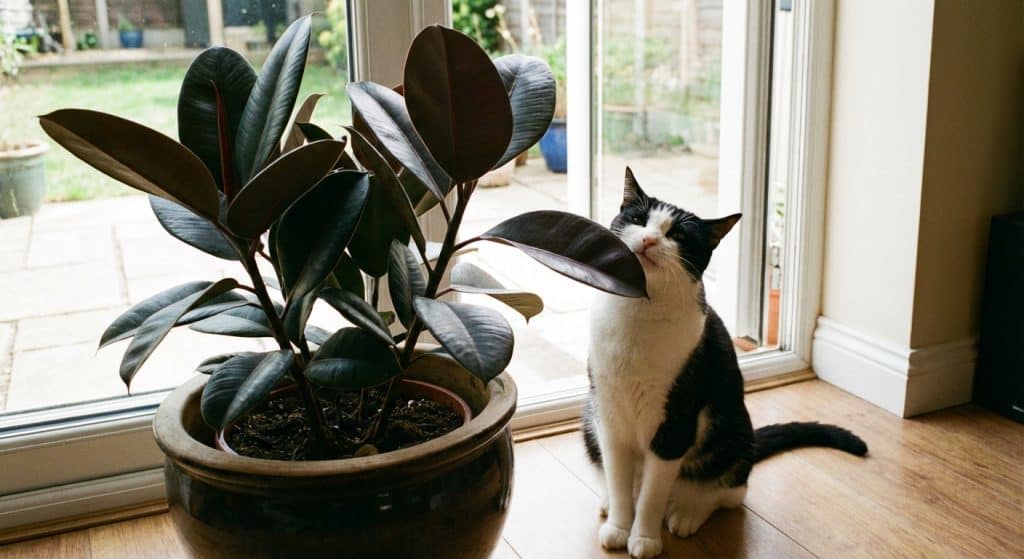
Loved for its deep burgundy, glossy leaves.
Like the Fiddle Leaf, it is part of the Ficus family and contains that same toxic latex sap.
Chewing on the leaves causes decreased appetite, vomiting, and skin irritation.
The Pet-Safe Swap: Buy an American Baby Rubber Plant (Peperomia obtusifolia). It looks similar but is non-toxic.
14. String of Pearls
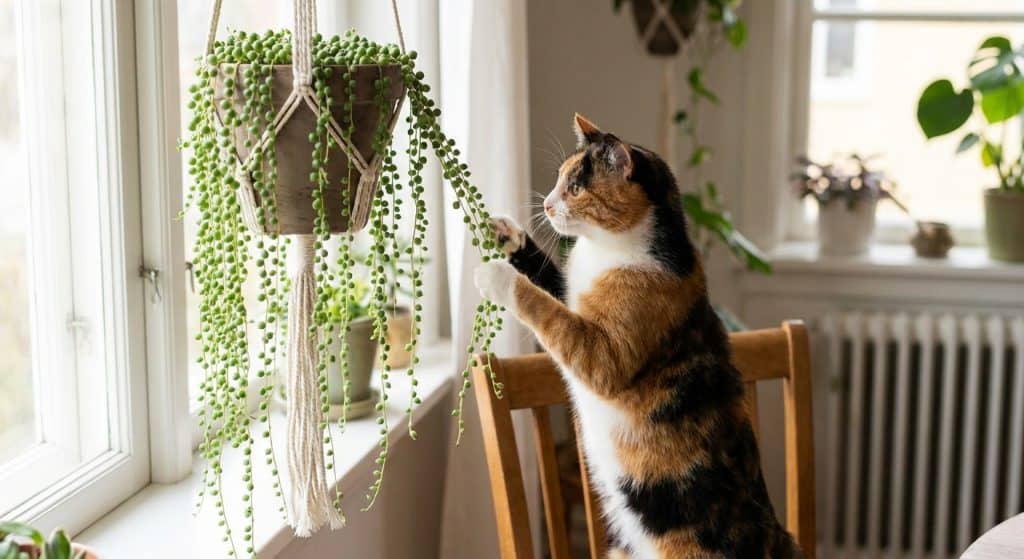
This plant looks like cascading green beads on a string.
Unfortunately, those little beads look exactly like fun cat toys.
If your cat bats at them and eats one, it will cause lethargy, drooling, and vomiting.
The Pet-Safe Swap: Buy a String of Turtles (Peperomia prostrata). It has the same trailing vibe but is totally pet-safe.
15. Elephant Ear (Alocasia)

They feature massive, dramatic leaves that look like they belong in a jungle.
But those giant leaves are packed with calcium oxalate crystals.
Biting into one causes immediate, agonizing pain in the mouth and throat.
The Pet-Safe Swap: Get a Calathea Medallion. It offers massive, beautiful foliage without the painful crystals.
16. Bird of Paradise
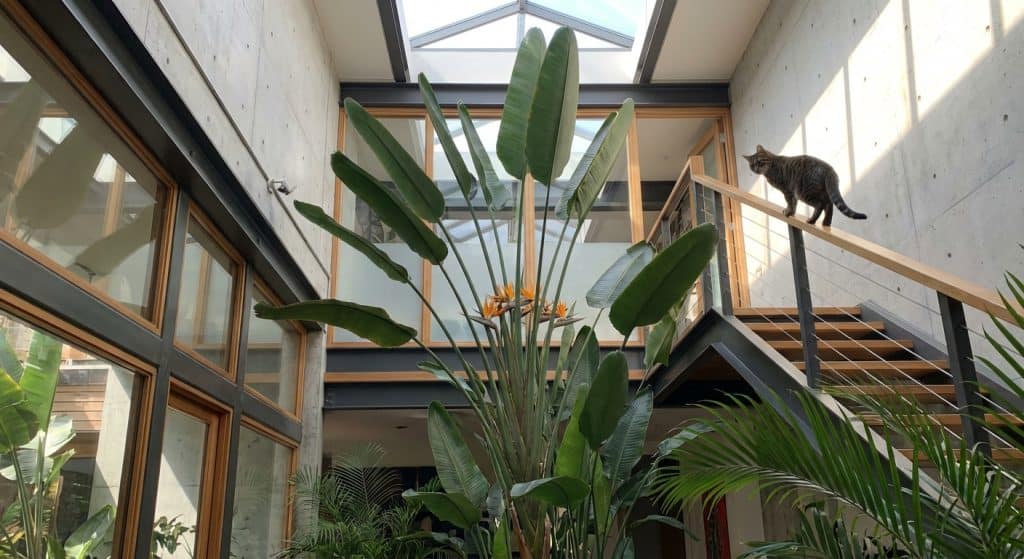
A massive tropical statement piece that looks amazing in a sunny window.
While the leaves are mostly okay, the flower and the seeds contain toxic compounds (hydrocyanic acid).
If your pet eats the bloom or the seeds, it causes severe nausea and vomiting.
The Pet-Safe Swap: Buy an Areca Palm. It gives you a massive, lush tropical canopy and is completely non-toxic.
17. Eucalyptus
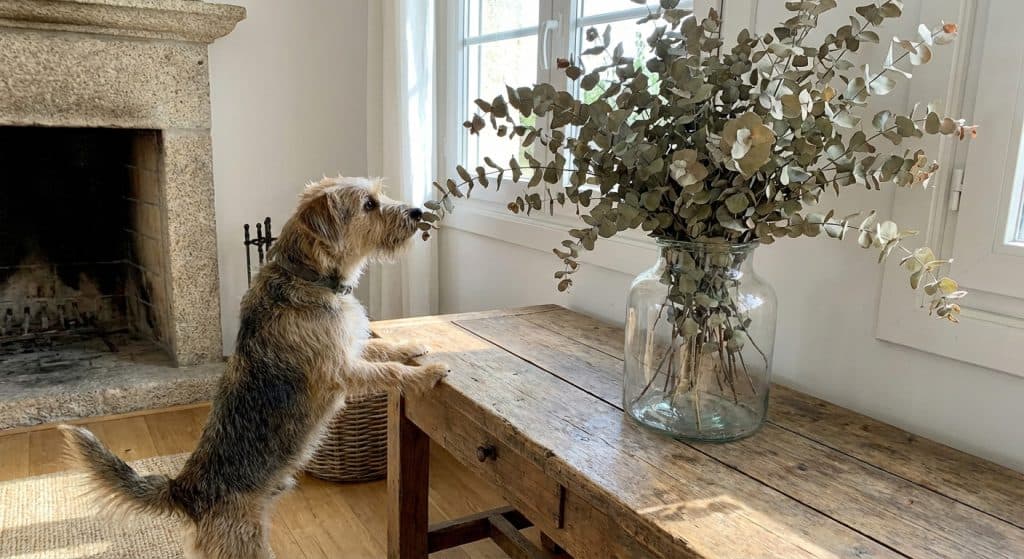
It is incredibly trendy to hang fresh eucalyptus in the shower for the spa-like scent.
But the essential oils in eucalyptus are highly toxic to cats and dogs.
Ingesting the leaves causes weakness, excessive drooling, and even seizures.
The Pet-Safe Swap: Hang a Boston Fern in your bathroom. It loves the humidity and is safe for curious pets.
18. Potted Spring Bulbs (Tulips & Daffodils)
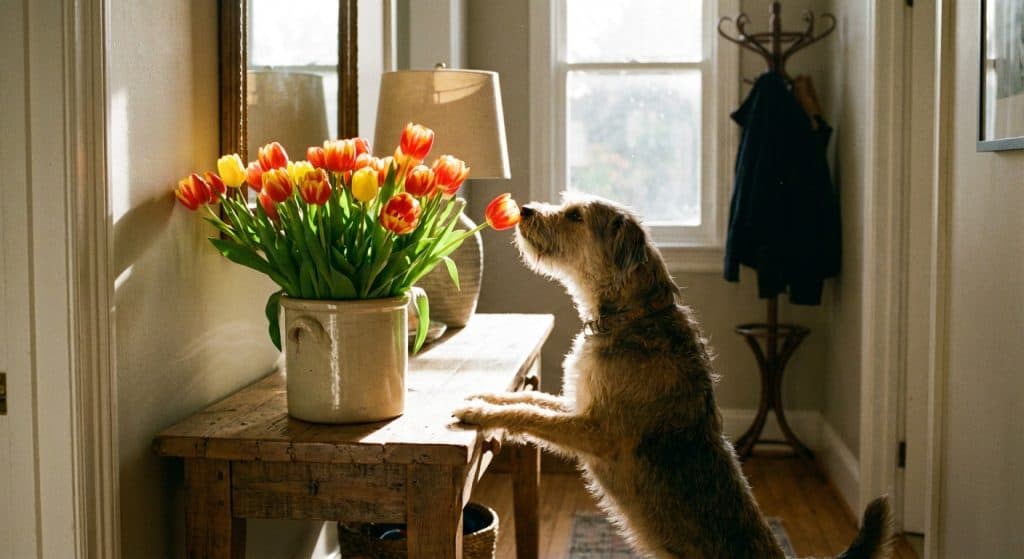
We love bringing potted tulips indoors to force spring blooms.
But the bulb of the plant is essentially a concentrated ball of toxins.
If a dog digs up the pot and chews the bulb, it causes extreme tremors and cardiac arrhythmias.
The Pet-Safe Swap: Buy African Violets. They offer bright, colorful indoor blooms year-round and are completely safe.
19. Poinsettia
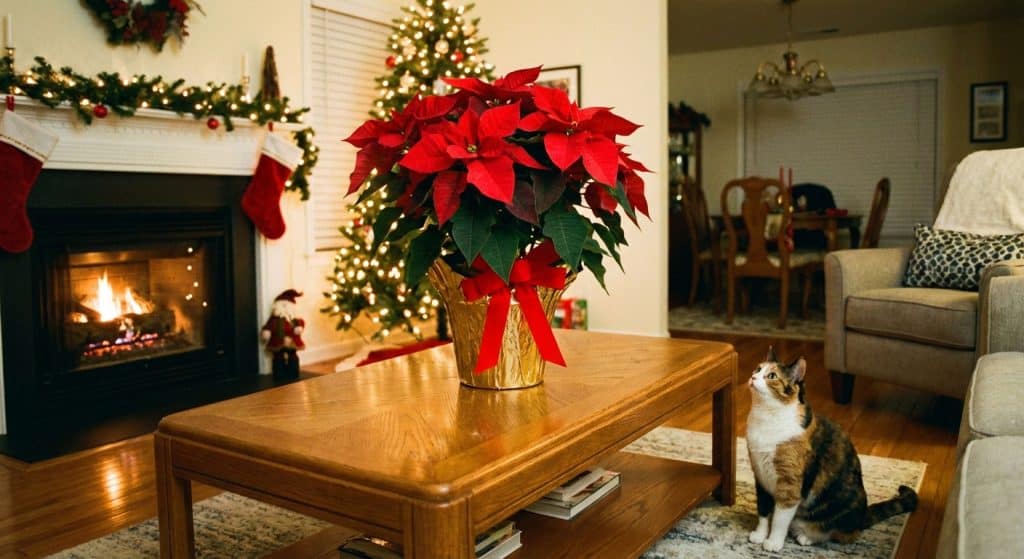
The classic holiday gift plant.
While its toxicity is sometimes exaggerated, it is still dangerous.
The milky white sap is a severe irritant.
It will cause mild to moderate vomiting, drooling, and itchy skin rashes if your pet rubs against a broken stem.
The Pet-Safe Swap: Decorate with a Christmas Cactus instead. It blooms beautifully in winter and is perfectly safe.
Conclusion
You don’t have to choose between having a beautiful home and keeping your pets safe.
There is almost always a non-toxic “lookalike” for every trendy poisonous plant on the market.
Before you buy anything from the garden center, always run the name through the ASPCA Toxic Plant Database.
It takes five seconds on your phone, and it could save you thousands of dollars at the emergency vet.
I have plants I thought were safe. Thanks for the info