


Have you looked at your grocery receipt lately?
Produce prices are climbing, and half the time, the quality just isn’t there.
But here is the secret most people miss:
You don’t need a farm to lower your grocery bill. You just need to be strategic.
Don’t fill your garden with cheap vegetables like potatoes or carrots that cost pennies at the store.
Fill it with the expensive stuff.
We’ve compiled the ultimate list of 20 high-value fruits, veggies, and herbs that are easy to grow and will pay for themselves ten times over.
1. Tomatoes
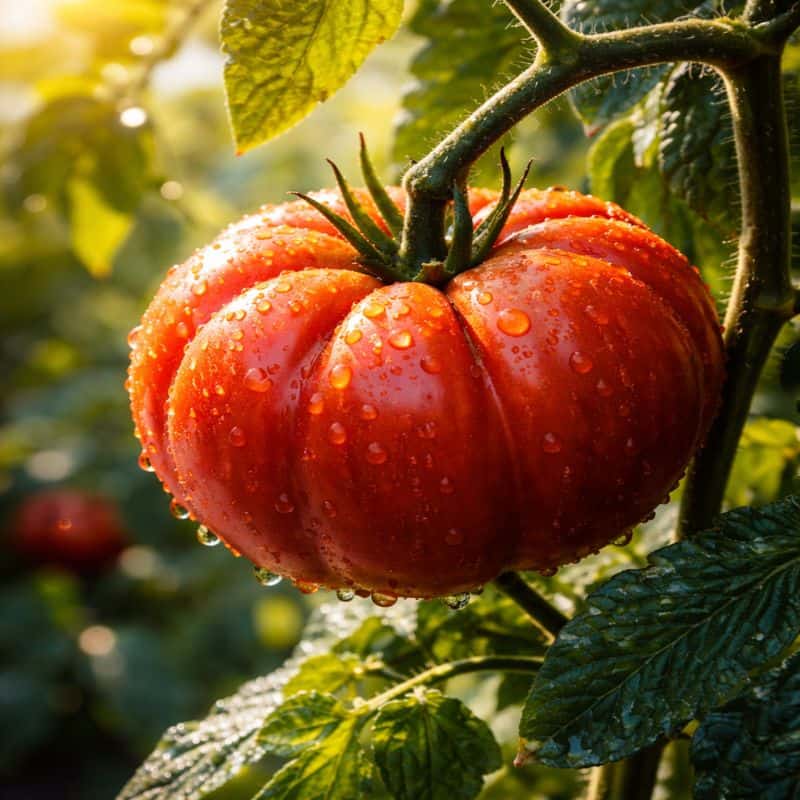
This is the gateway plant for almost every gardener.
Store-bought tomatoes are bred to be durable for shipping, which usually means they taste like wet cardboard. A homegrown tomato actually tastes like food.
Just two or three plants can yield buckets of fruit.
Whether you slice them for sandwiches or simmer them into sauce, the flavor difference is shocking. It’s the best return on investment you will find in the garden.
2. Zucchini
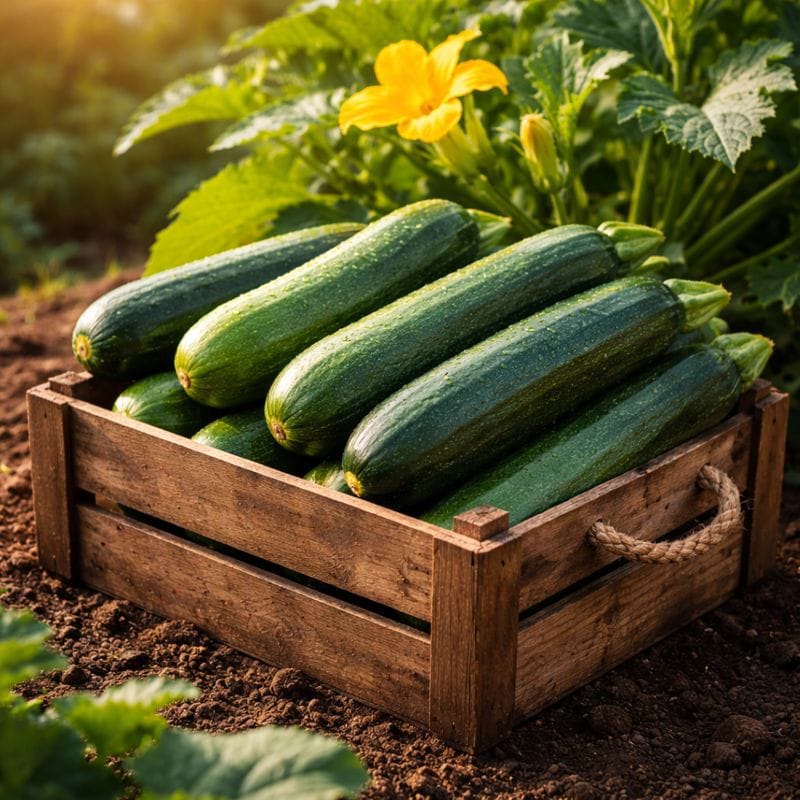
If you want to feel like a master gardener with zero effort, plant this.
Zucchini is notorious for being incredibly prolific. One or two plants will likely produce more than your family can eat.
You will be eating it grilled, roasted, and baked into bread all summer long. It keeps producing until the first frost, providing a constant source of fresh food.
3. Fresh Herbs (Basil, Cilantro, Parsley)
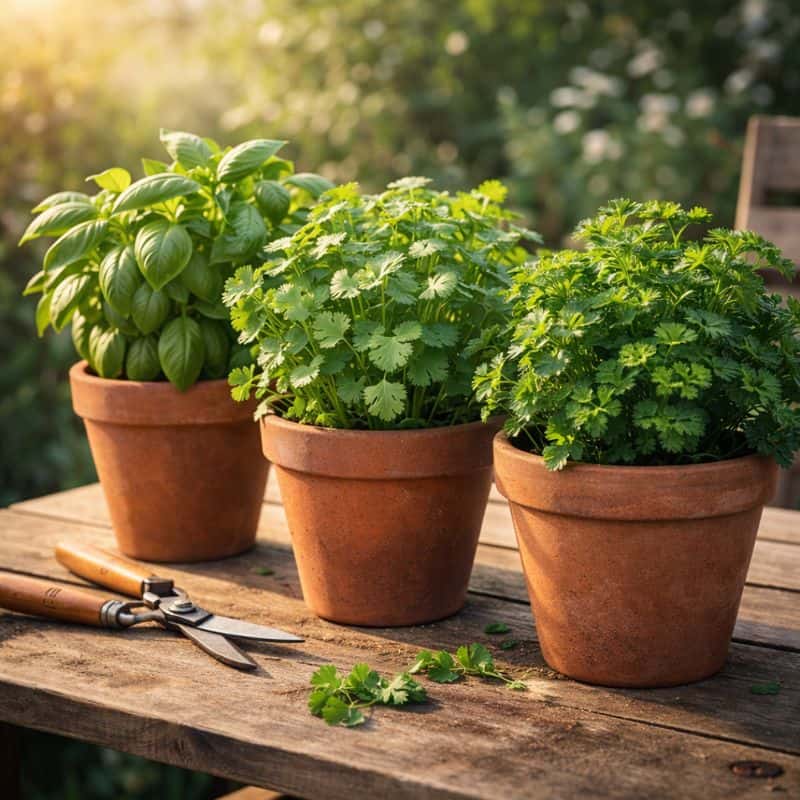
Buying herbs at the grocery store is practically robbery.
You pay $4 for a plastic clamshell that contains three sad sprigs. For the price of one packet of seeds, you can grow hundreds of dollars’ worth of herbs.
Basil thrives in the heat, while cilantro loves the cool spring air. Dry them or freeze them in oil, and you won’t buy herbs again for a year.
4. Pole Beans
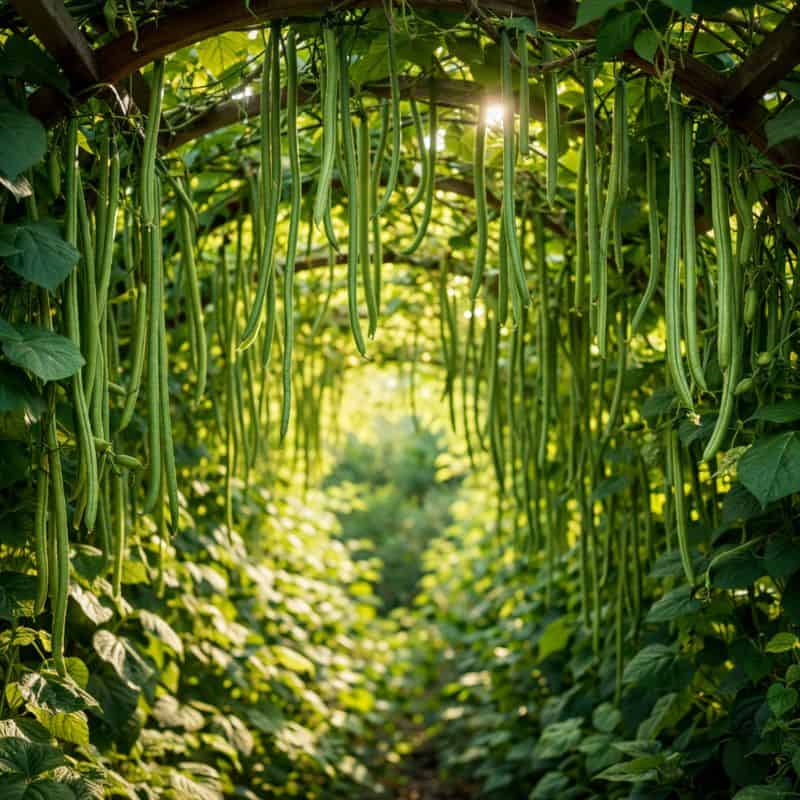
Bush beans give you one big harvest, but pole beans are the gift that keeps on giving.
They grow vertically, saving you precious ground space. As long as you keep picking them, the vines keep producing new beans.
They are tender, crunchy, and lack the fibrous strings found in older varieties. Fresh green beans are expensive per pound; these cost pennies.
5. Leaf Lettuce
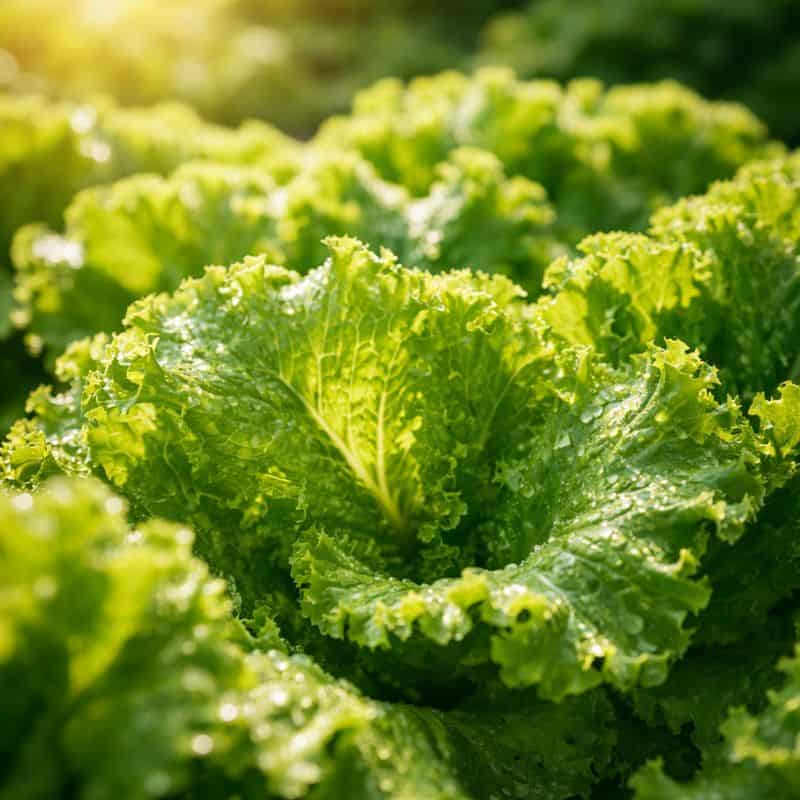
Bagged salads are convenient, but they are expensive and slime up in the fridge within days.
Lettuce is one of the fastest veggies you can grow—ready in about 30 days.
Use the “cut-and-come-again” method by trimming the outer leaves. The plant will keep growing new leaves from the center. You can have a fresh salad every single night for months.
6. Bell Peppers
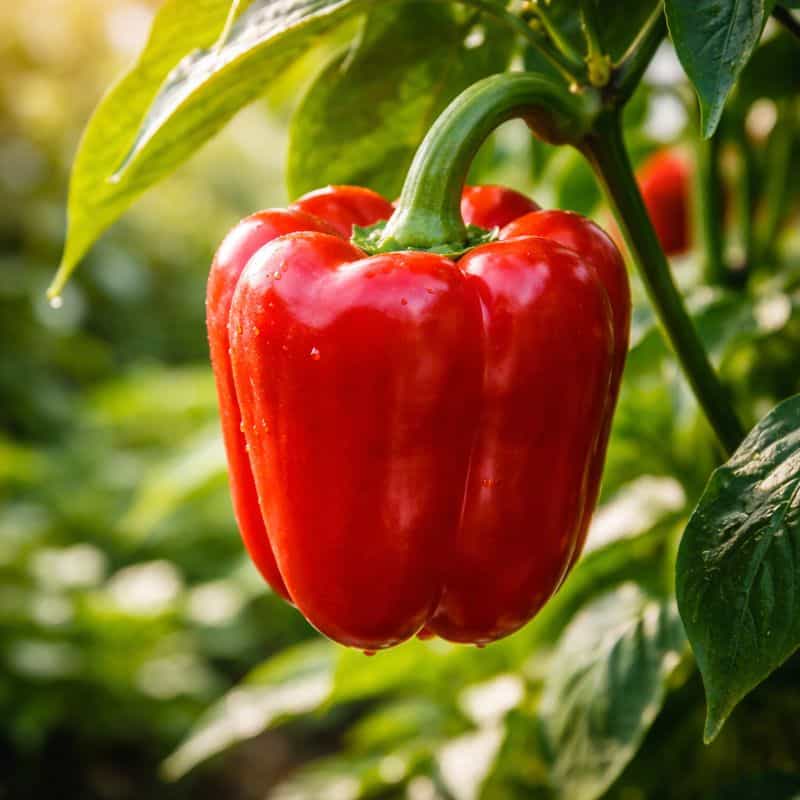
Have you noticed that red and orange peppers often cost $1.50 or more each?
Peppers take a little patience, but the payoff is huge. A healthy plant can produce 5 to 10 large peppers in a season.
Let them ripen on the vine to get that sweet flavor you pay a premium for at the store. Slice them and freeze them for easy fajitas in the winter.
7. Garlic
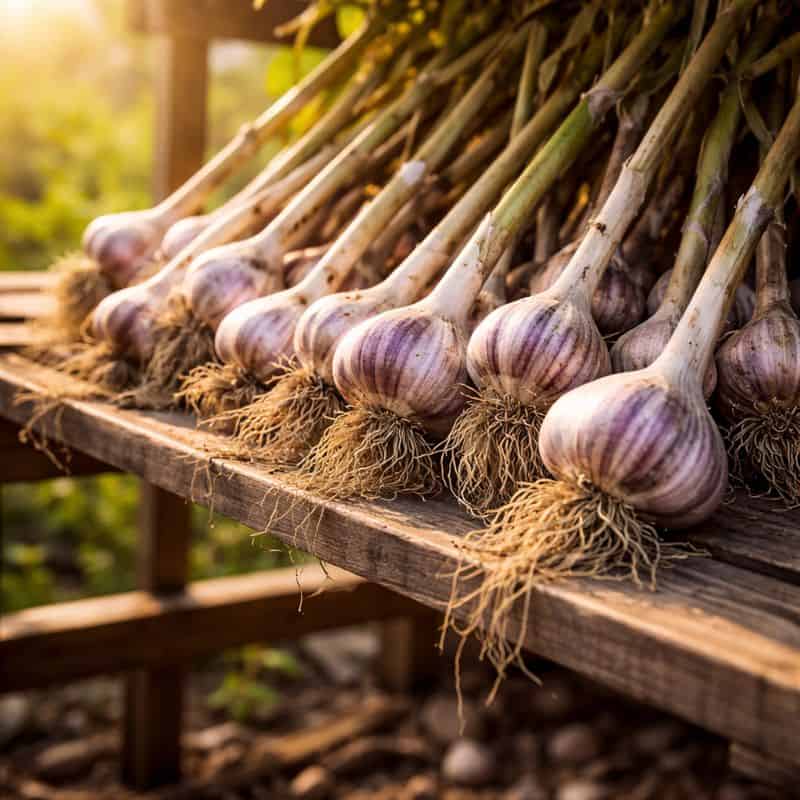
This is the definition of a “set it and forget it” plant.
You plant individual cloves in the fall and ignore them until summer. Gourmet garlic at the market is pricey, often over a dollar per bulb.
Homegrown garlic stores for months on your counter. Once you taste the spicy, robust flavor of fresh garlic, the jarred stuff won’t cut it.
8. Strawberries
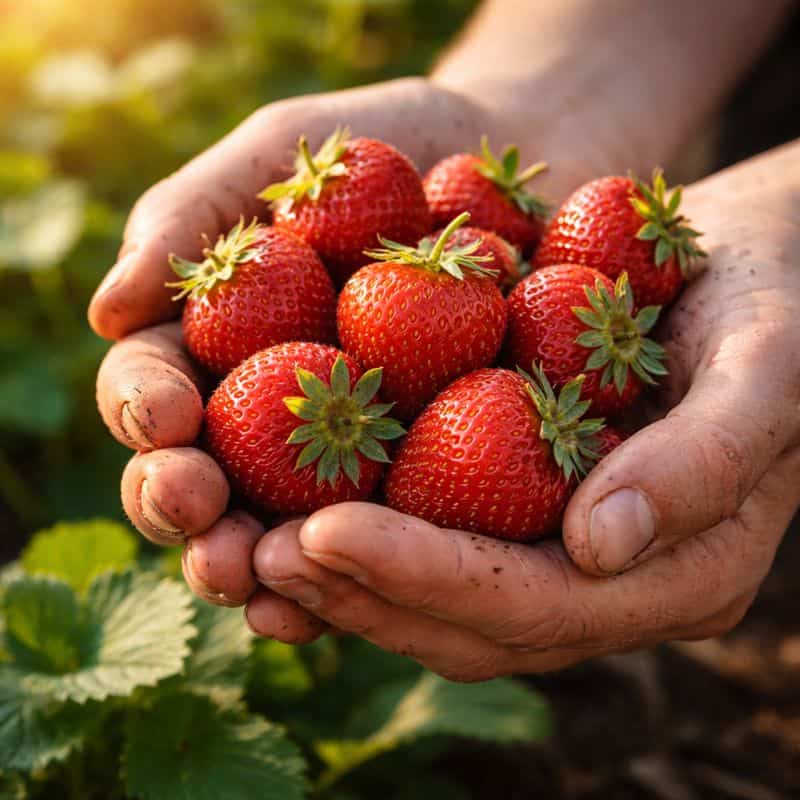
Berries are often the single most expensive item on a grocery list.
Strawberries are perennials, meaning they come back year after year. Plant a bed once, and you have free fruit for the next three or four seasons.
They are sweeter and juicier than the jumbo, watery ones shipped from halfway across the world. Your kids will likely eat them all before they even make it into the house.
9. Swiss Chard & Kale

These are the workhorses of the nutrition world.
Like lettuce, you can harvest the outer leaves continuously. They are incredibly heat-tolerant and don’t bolt as quickly as spinach.
A $4 bunch of organic kale at the store is a one-time meal. One kale plant in the garden provides that same amount weekly for six months.
10. Cucumbers

If you love pickles or summer salads, this is a must-have.
Cucumbers grow vertically on a trellis to save space. A single vine can easily pump out 15 to 20 cucumbers.
They grow so fast you can practically watch them get bigger overnight. The crunch of a cucumber picked five minutes ago is unmatched.
11. Sugar Snap Peas
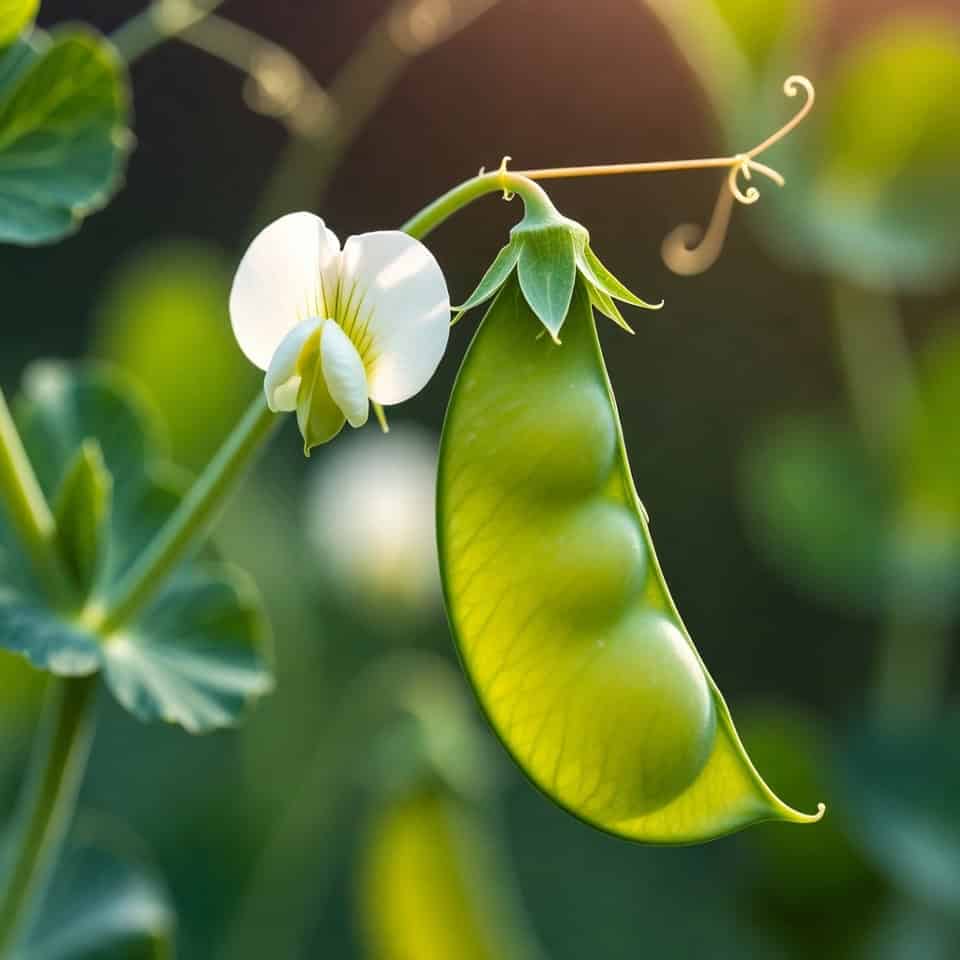
These are a luxury vegetable that costs a fortune per pound.
They love the cool weather, so you can grow them before your tomatoes are even in the ground. They are so sweet, they usually get eaten raw right in the garden as a snack.
Growing them utilizes the early spring season that usually goes to waste.
12. Asparagus
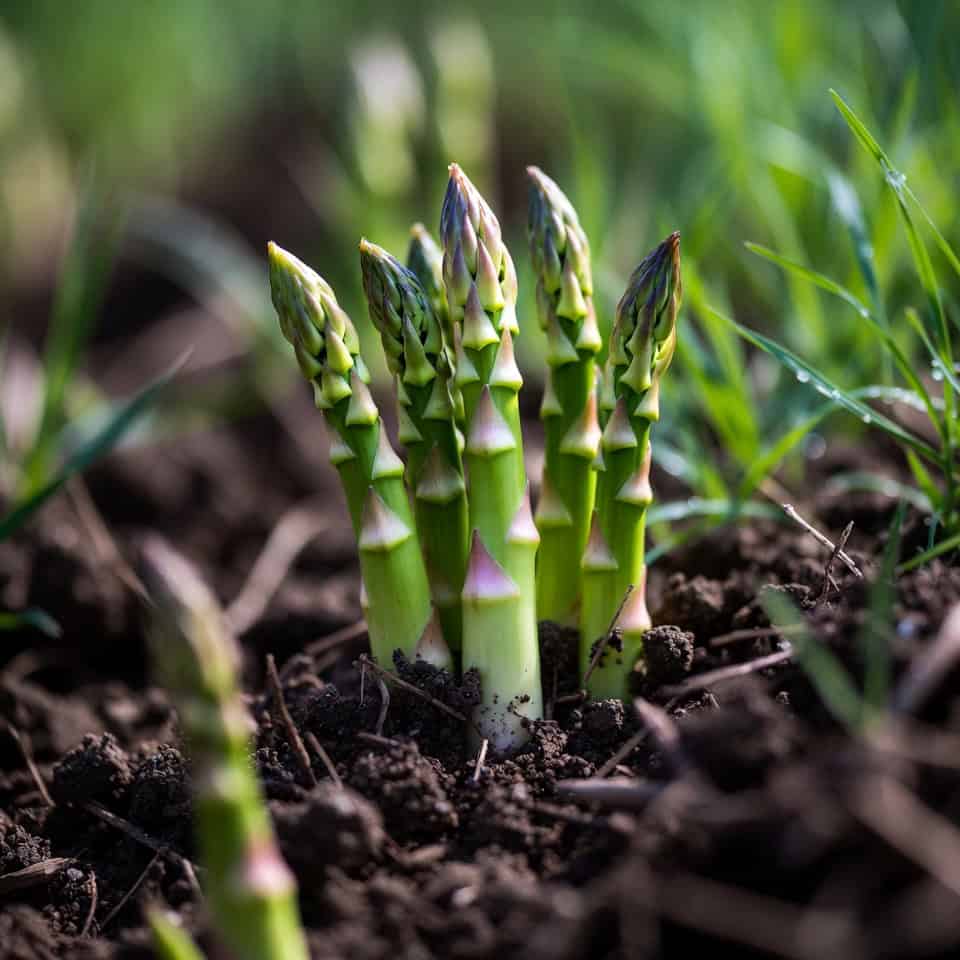
This is a long-term investment that pays dividends.
It takes a couple of years to get established, but then it produces for 15 to 20 years. Asparagus is notoriously expensive because it has to be hand-picked.
Having a permanent patch in your yard is like having a savings account that prints vegetables. There is nothing quite like the first spring harvest of tender asparagus spears.
13. Arugula
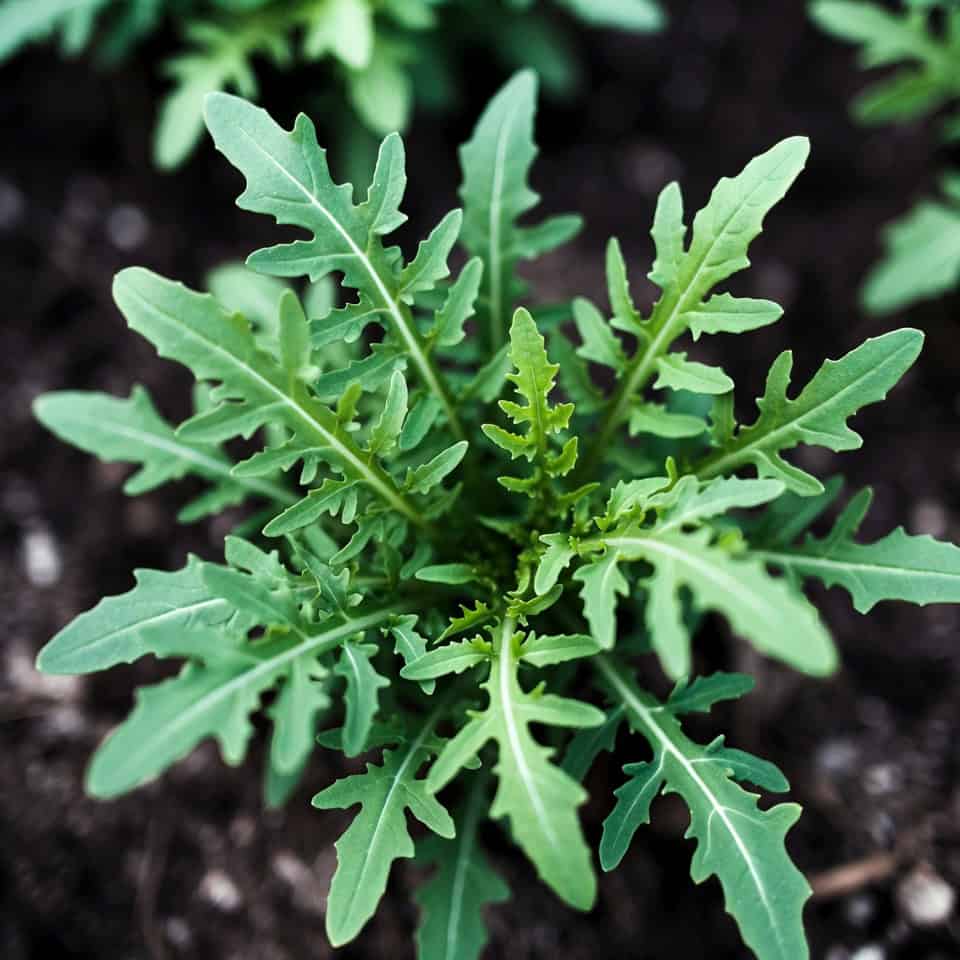
This fancy salad green adds a peppery kick to any meal.
It is often sold in small, expensive bags at the supermarket. In the garden, it grows like a weed and germinates in just a few days.
It’s hardy and handles cooler weather like a champ. Mix it with your mild lettuce for a salad that feels like it came from a restaurant.
14. Raspberries or Blackberries

If you have the space, cane berries are a financial game-changer.
A half-pint of raspberries can cost $6 or more. These bushes spread aggressively, meaning your yield increases every year.
They freeze perfectly for smoothies, jams, and baking. You will save hundreds of dollars a year just on this one variety.
15. Mini Sweet Peppers
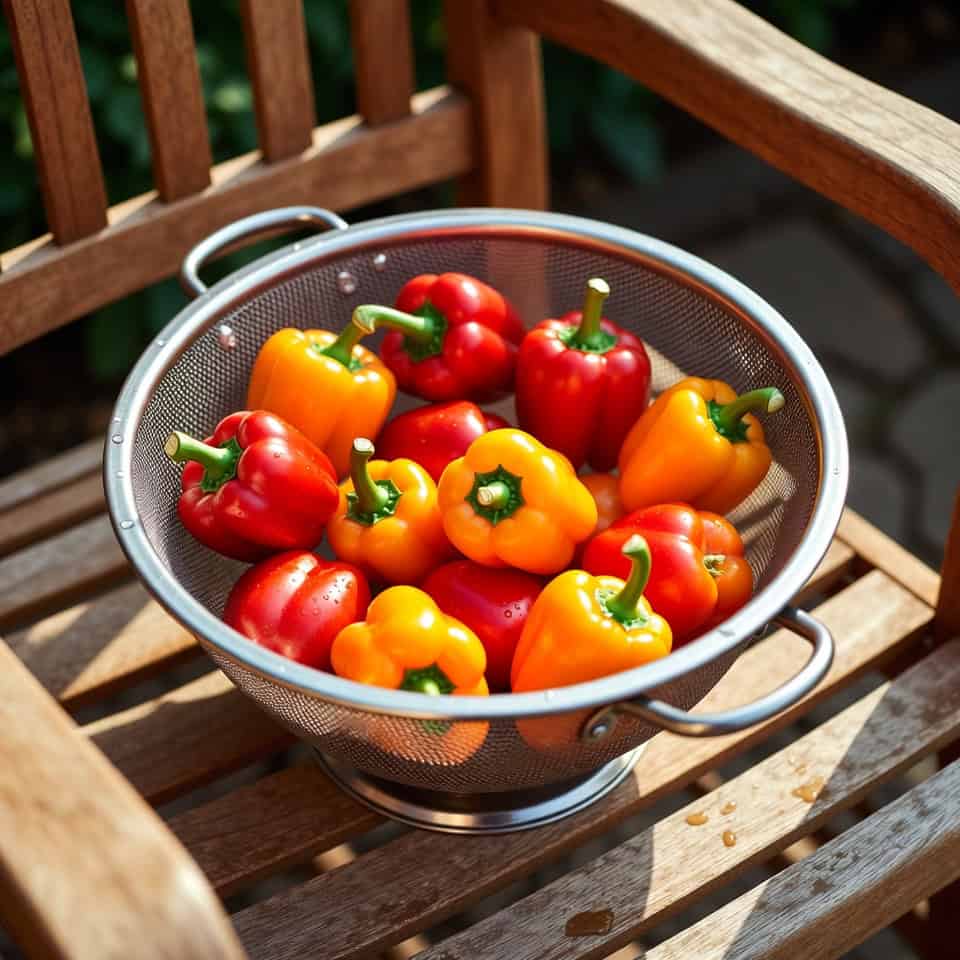
These are the perfect snack-sized vegetable.
They are prolific producers, often ripening faster than their larger bell pepper cousins. A bag of these at the store is a pricey convenience item.
Kids love them because they are sweet like candy and have very few seeds. Roast them whole with olive oil for an incredible side dish.
16. Spinach
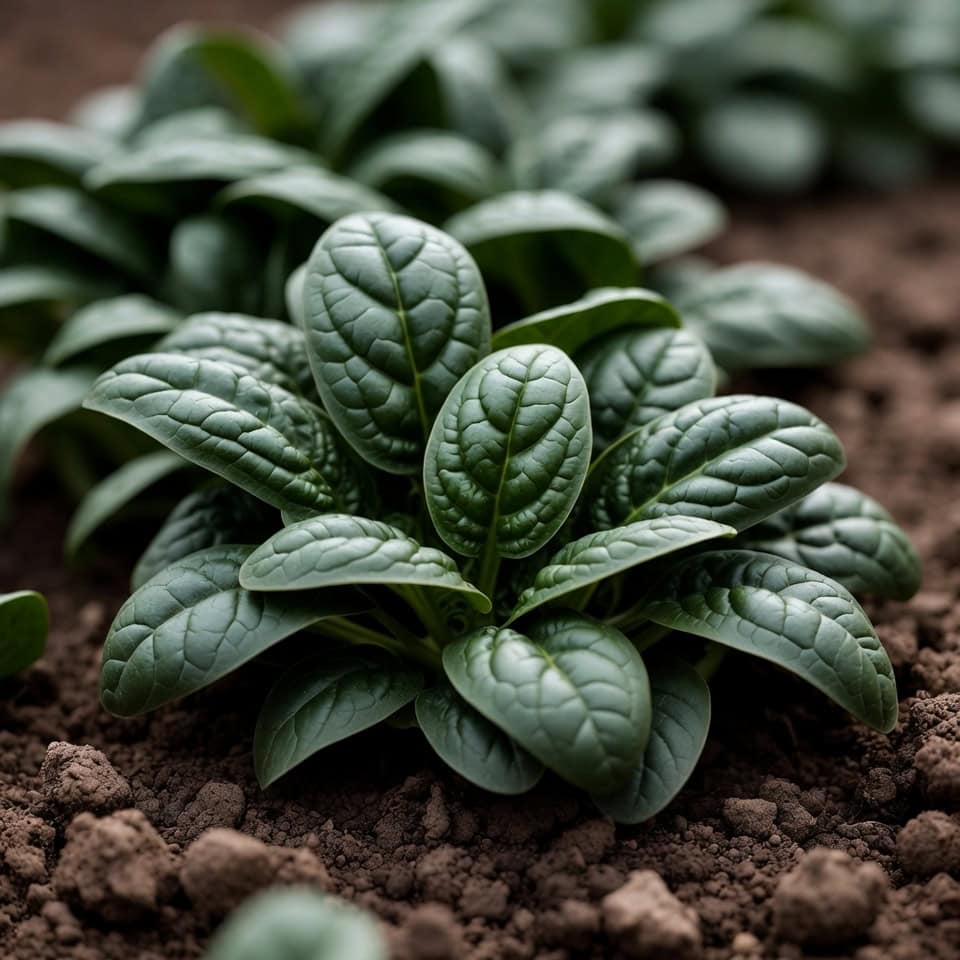
Spinach shrinks down to nothing when you cook it, so you need volume.
Buying those plastic tubs for a sautéed side dish gets expensive fast. Spinach loves the cold, making it perfect for early spring or late fall.
It is packed with iron and nutrients. Homegrown spinach is tender and sweet, lacking that metallic taste of preserved greens.
17. Walla Walla Onions
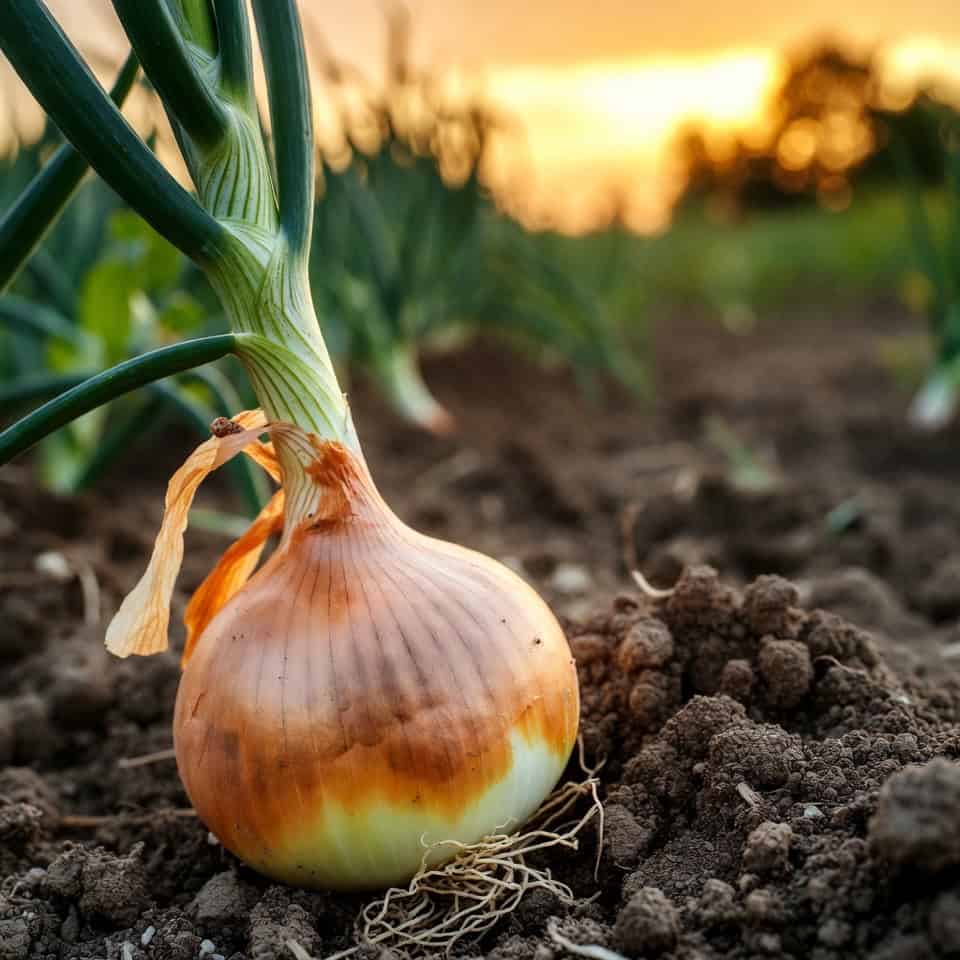
Sweet onions are a specialty item that commands a higher price.
They are incredibly versatile and form the base of almost every dinner recipe. Growing them yourself ensures they are fresh and haven’t been sitting in a warehouse for months.
They are easy to cure and store for later use. You will never cry over the price of onions again.
18. Cherry Tomatoes
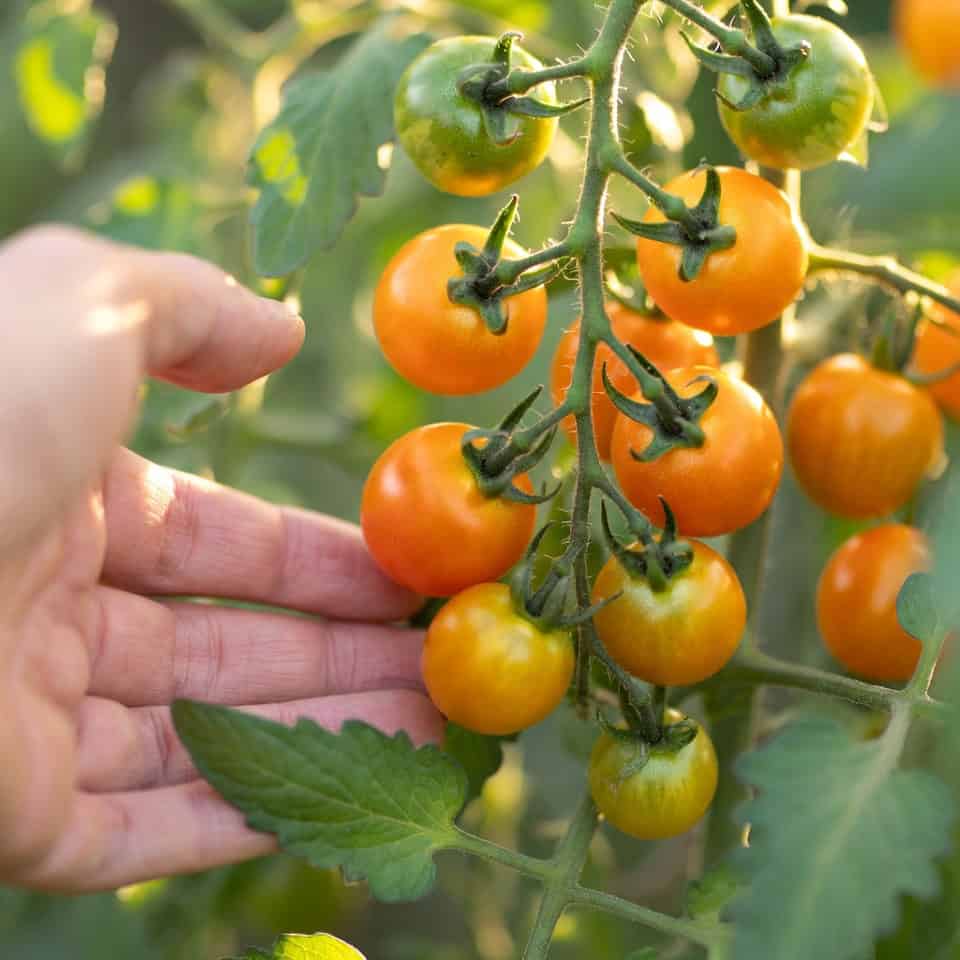
Even if your big tomatoes struggle, cherry tomatoes always deliver.
They produce hundreds of fruits per plant. They are the ultimate convenience food—no cutting required.
Varieties like ‘Sun Gold’ are sweeter than almost any fruit you can buy. They are perfect for container gardening on a patio or balcony.
19. Mesclun Mix
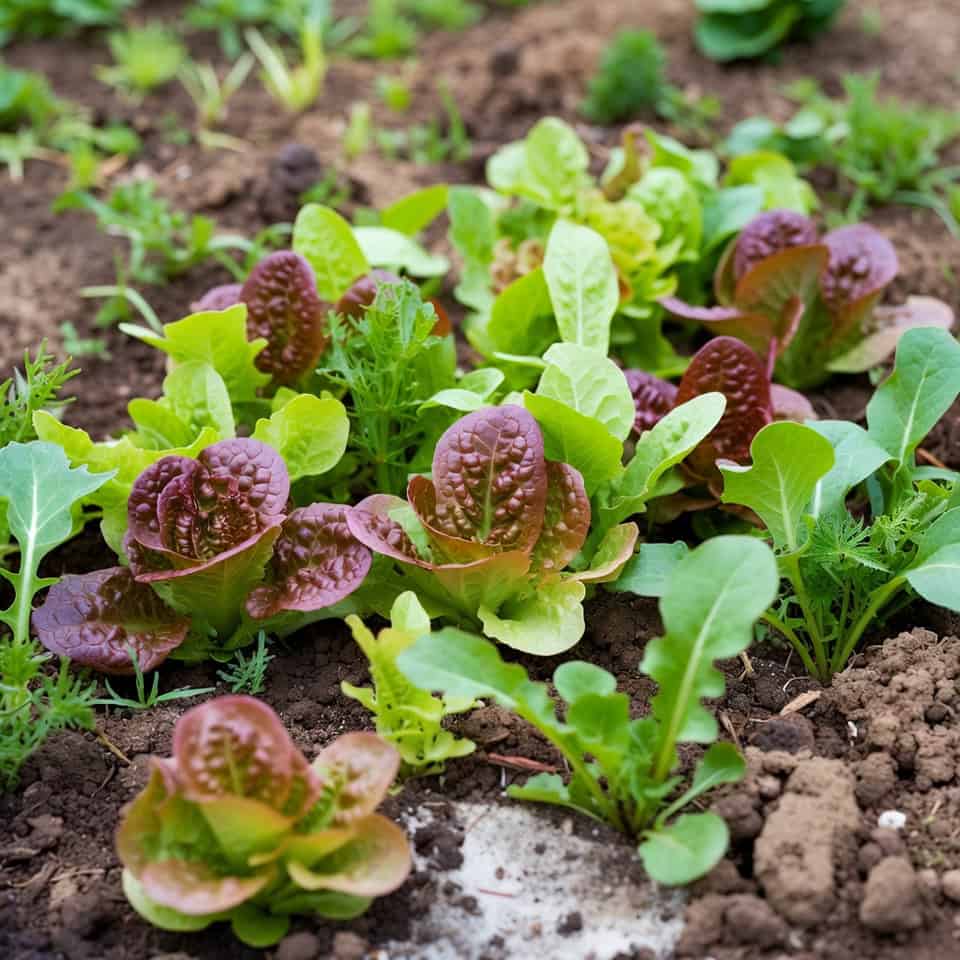
Why buy a mix when you can grow your own custom blend?
Mesclun is a mix of baby lettuces, endive, and greens. It grows rapidly and is designed to be harvested young.
It offers a variety of textures and flavors in a single bowl. It turns a boring side salad into a gourmet experience.
20. Jalapeños
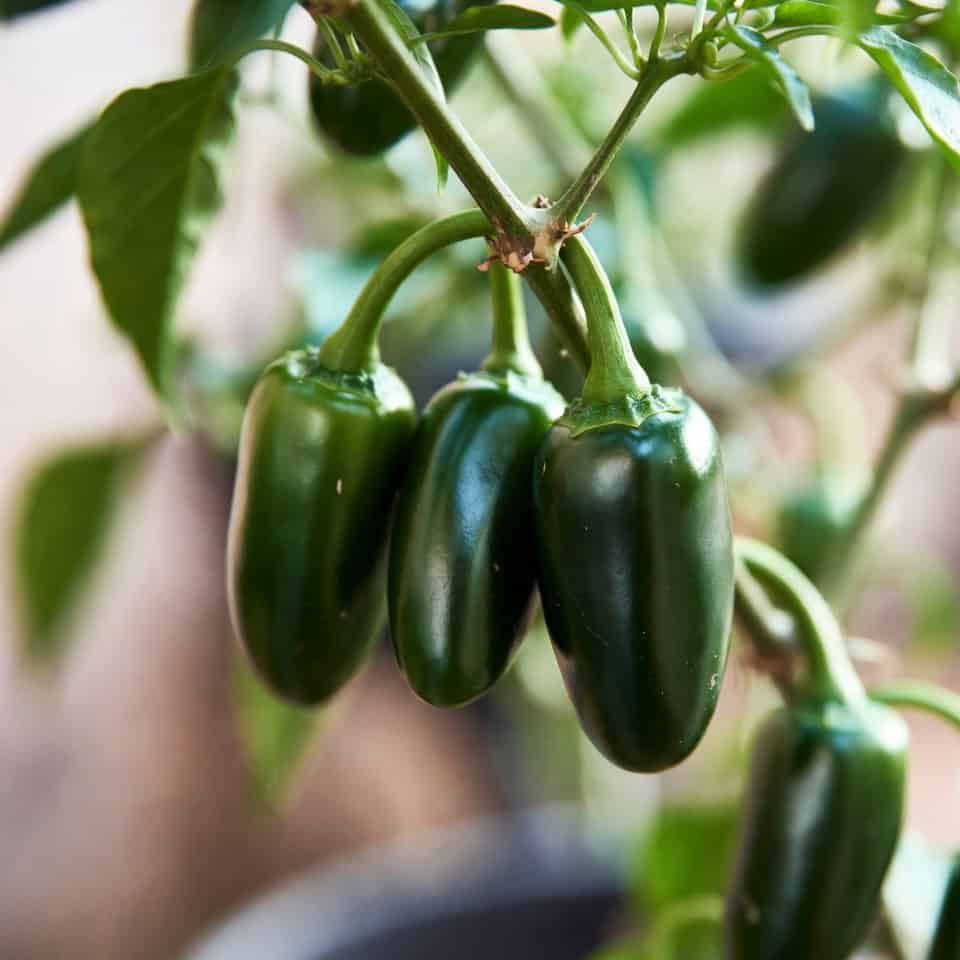
If you like heat, you need these in your garden.
Hot peppers are incredibly productive; a single plant can yield dozens of peppers. You can pickle them, dry them, or smoke them to make chipotle.
Store-bought peppers often lack heat or look shriveled. These are potent, crisp, and perfect for salsas.
Start Small, But Start Now
You don’t need to plant all 20 of these to see a difference. That would be overwhelming.
Just pick the two or three that your family eats the most. Even a few pots on a sunny patio can make a real dent in your grocery bill.
Gardening isn’t just about saving money. It’s about taking control of what you eat.
So grab a packet of seeds and get your hands dirty. Your wallet (and your tastebuds) will thank you.