

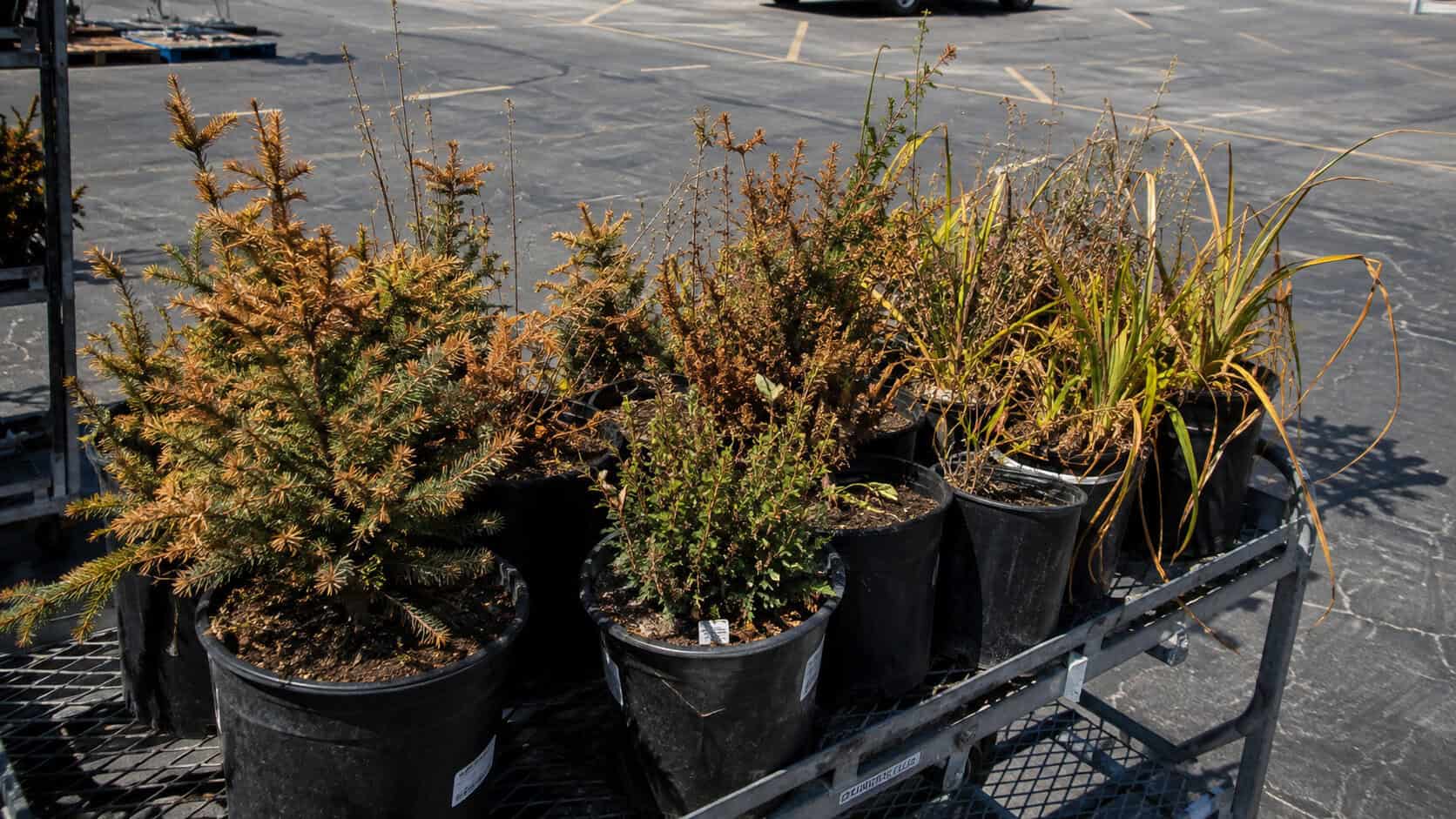
The $12 flowering tree looks like a steal. The red-leaf shrub is marked down to clear. The flat of glossy groundcover costs less than lunch.
Some of them are already illegal to sell in your state.
Big box stores buy plants by the truckload from a handful of centralized growers, and they stock whatever moves. Pretty sells. Cheap sells. Whether the plant will strangle your trees, poison your dog, spread ticks, or reappear in your neighbor’s yard as a lawsuit — that’s not on the tag.
A few of these plants are genuinely banned. A few are toxic. Several will cost you more to remove in five years than you’d spend on a proper plant today. And a couple carry hidden problems — chemicals, pests, disease — that you can’t see at the register.
Here are 27 plants to leave on the shelf, no matter how low the sticker goes.
1. Callery (Bradford) Pear
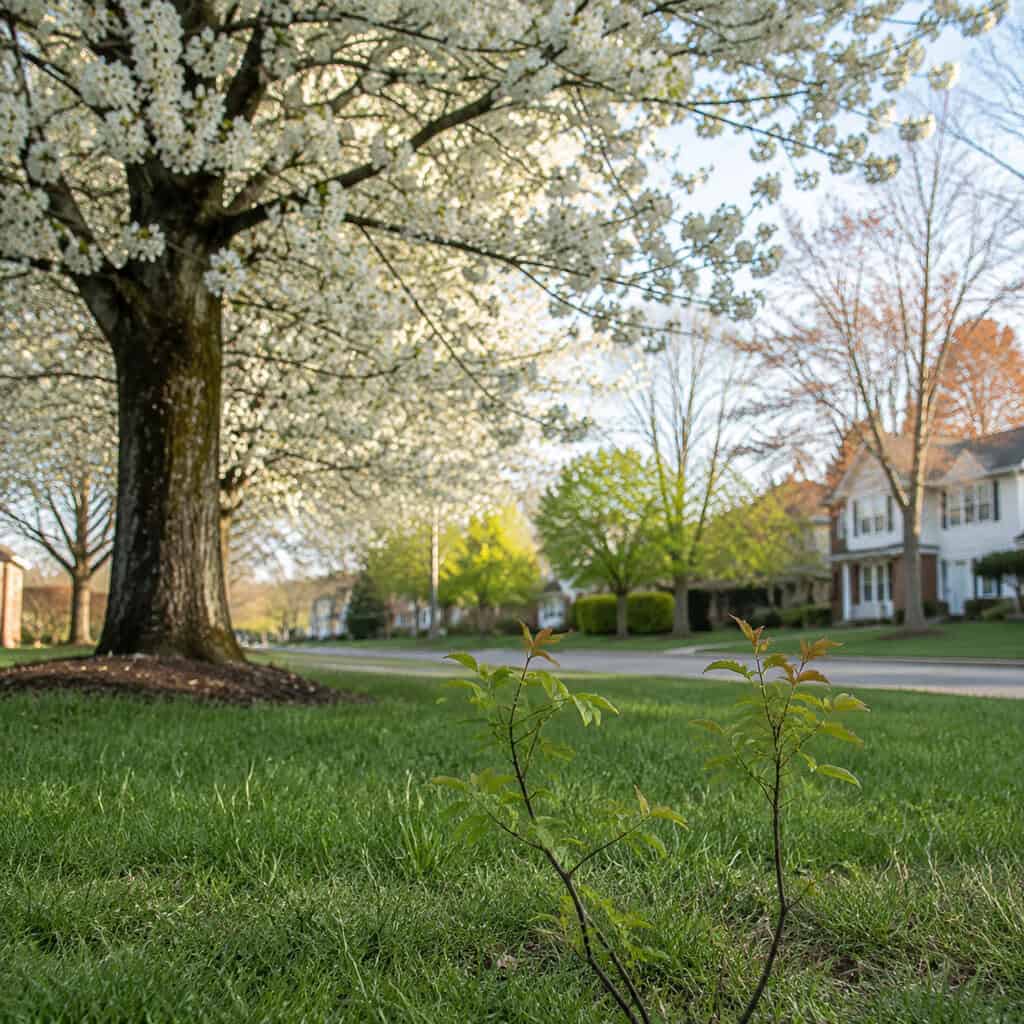
Start here. It’s the poster child.
The Callery pear was planted by the millions for its tidy shape and white spring blooms. Then it got loose. Cultivars that were supposed to be sterile cross-pollinated and produced fertile offspring, and now thorny thickets choke roadsides and fence lines across the eastern half of the country.
Ohio, Pennsylvania, South Carolina, and Illinois have banned or are phasing out its sale. The National Invasive Species Information Center flags it as one of the worst offenders in the trade.
The spring flowers also smell like rotting fish. And the tree tends to split apart in storms after about 15 to 20 years, right when it’s big enough to land on your roof.
Plant a serviceberry or a native dogwood instead. Never buy it.
2. Japanese Barberry

This one has a health angle most shoppers never hear about.
Barberry sells cheap because it checks two boxes homeowners love: burgundy foliage all season, and deer walk right past it. But its dense, thorny growth creates a humid microclimate at ground level — and that humidity is exactly what black-legged ticks need to survive.
Studies from the Northeast have repeatedly found more ticks, and a higher share of Lyme-carrying ticks, in barberry stands than in surrounding forest. The shrub holds moisture, shelters the white-footed mice that ticks feed on, and keeps humidity high enough for the ticks to thrive rather than dry out.
Translation: a hedge of barberry along your kids’ play area can quietly raise the Lyme risk in your own yard. If you already have it and you’re battling ticks in the lawn, the shrub may be part of the problem.
Barberry also escapes into woodlands and raises soil pH, which shifts the ground chemistry against native plants. Several states, including New York and Minnesota, restrict its sale for exactly these reasons. Penn State Extension lists it among the shrubs to skip entirely.
Want the red foliage and the deer resistance without the ticks? Look at ninebark cultivars or red-twig dogwood. If you’re building a yard around what deer won’t touch, there’s a whole roster of plants deer leave alone that don’t come with a public-health footnote. Never buy it.
3. Burning Bush (Winged Euonymus)
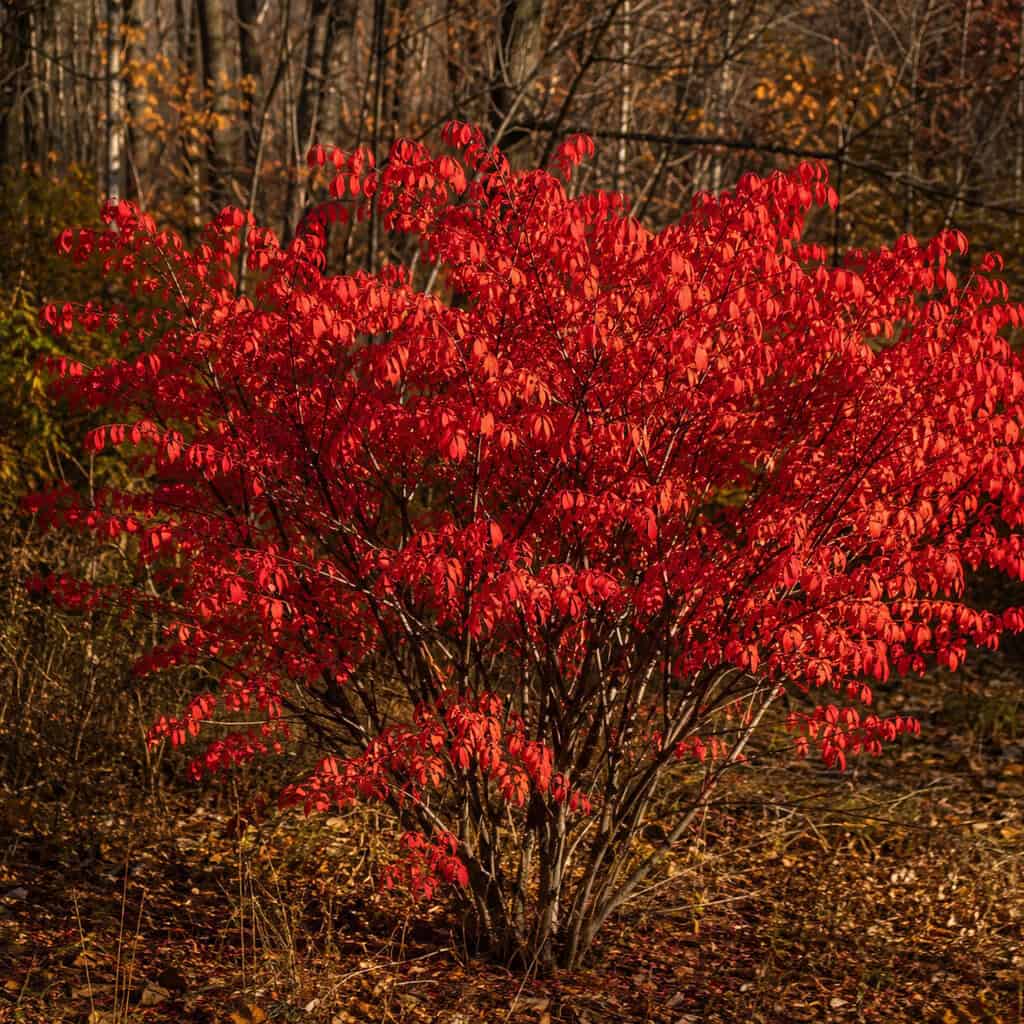
People buy it for one week in October.
The fall color is genuinely spectacular — a wall of electric crimson. But burning bush, especially the popular ‘Compactus,’ produces heavy crops of berries that birds carry deep into woodlands, where seedlings form dense understory thickets that shade out everything native.
Massachusetts and New Hampshire have banned its sale.
For the same fire-engine fall color, plant winterberry or Virginia sweetspire. Both feed wildlife the right way. Never buy it.
4. Butterfly Bush (Buddleia)
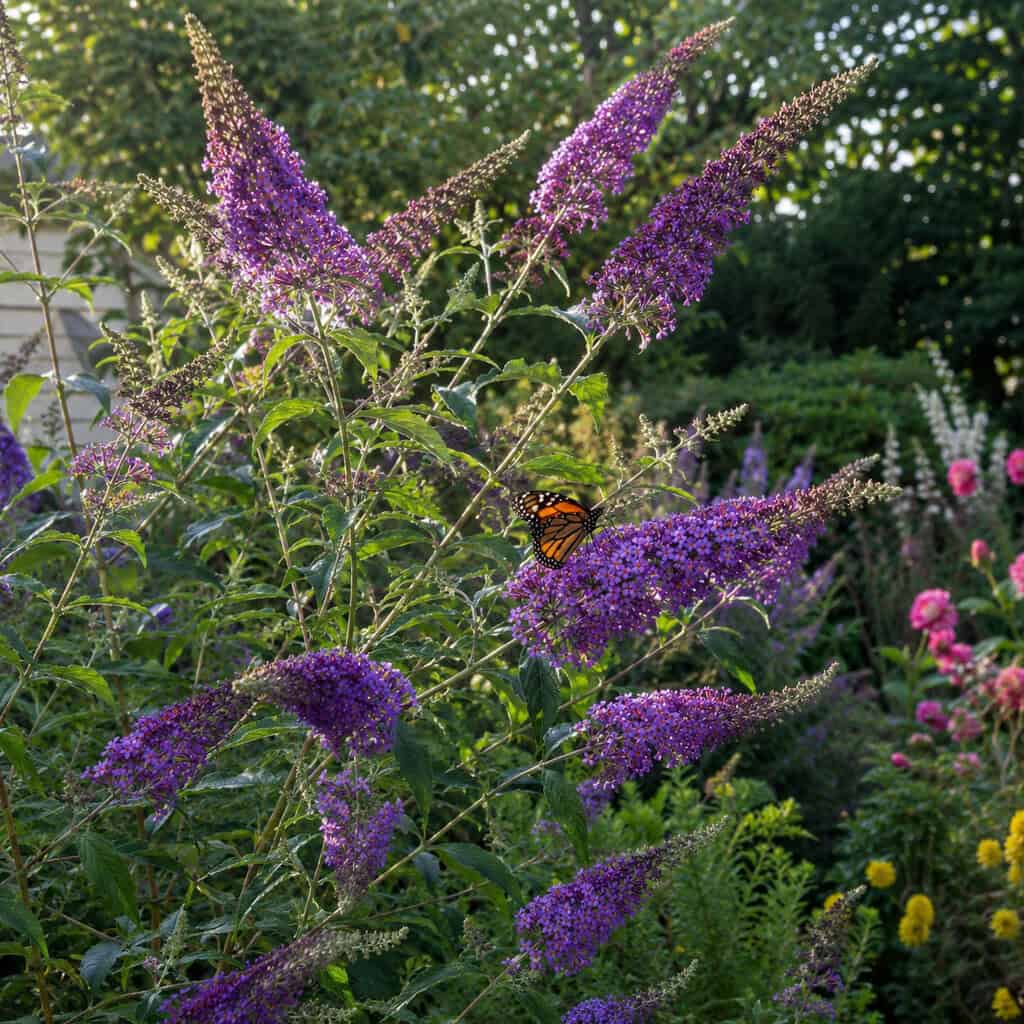
Read the irony on the tag: “pollinator magnet.”
Butterfly bush does draw adult butterflies to its nectar. What it doesn’t do is feed a single caterpillar — no native butterfly larvae can eat its leaves. So it pulls pollinators in while offering nothing to the next generation.
Meanwhile, a mature plant throws off enormous quantities of wind-borne seed that colonizes riverbanks and disturbed ground. Oregon restricts the fertile forms outright.
If you want a yard that actually raises butterflies, plant native milkweed and asters — the kind of pollinator plants that feed the whole life cycle. Sterile Buddleia cultivars exist if you love the flower, but check the label. Skip it.
5. Privet (Ligustrum)
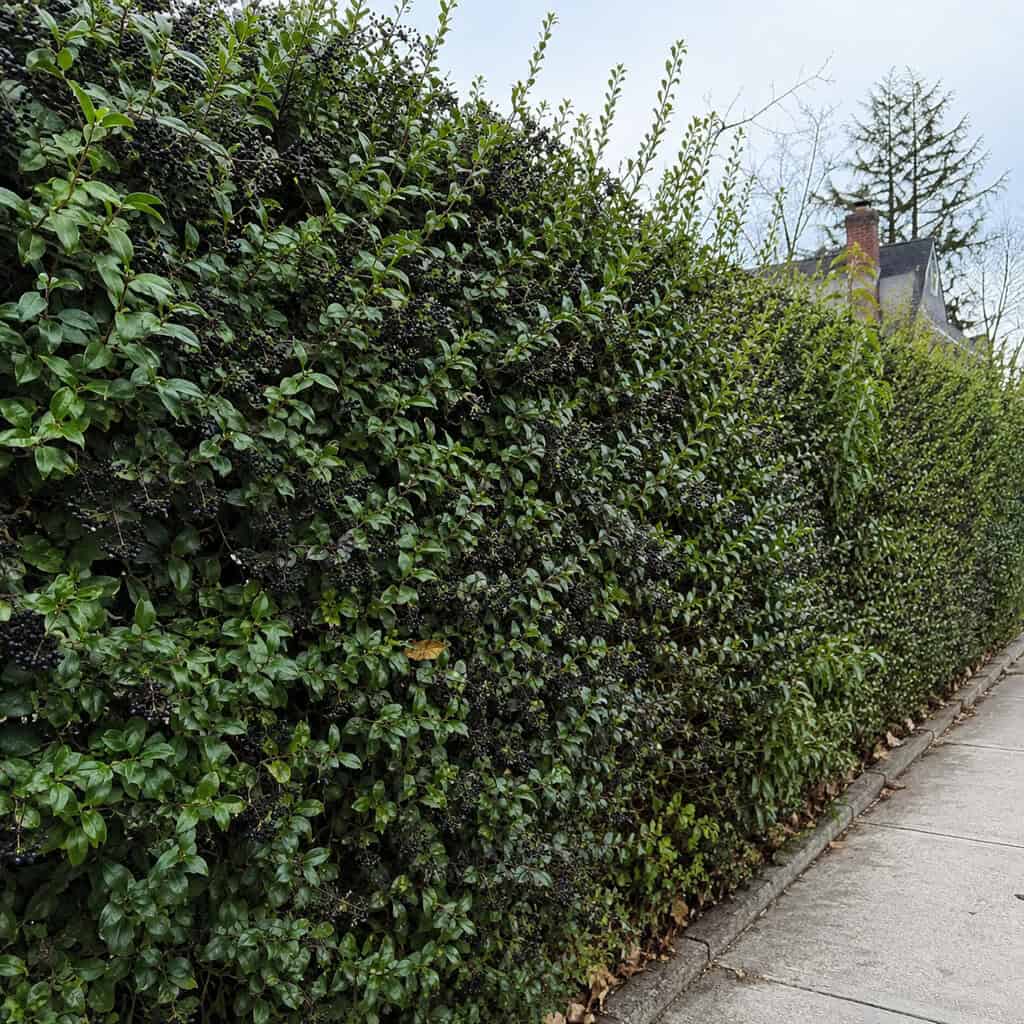
The default cheap hedge. That’s the whole appeal, and the whole problem.
Privet grows fast and takes shearing, so it’s been the budget privacy screen for a century. Birds eat the dark berries and scatter the seed everywhere, and escaped privet forms solid monocultures in forests that crowd out native understory completely.
Conservation groups routinely name it alongside Callery pear as a top invader.
For a fast hedge, use inkberry holly or arborvitae. Never buy it.
6. Norway Maple
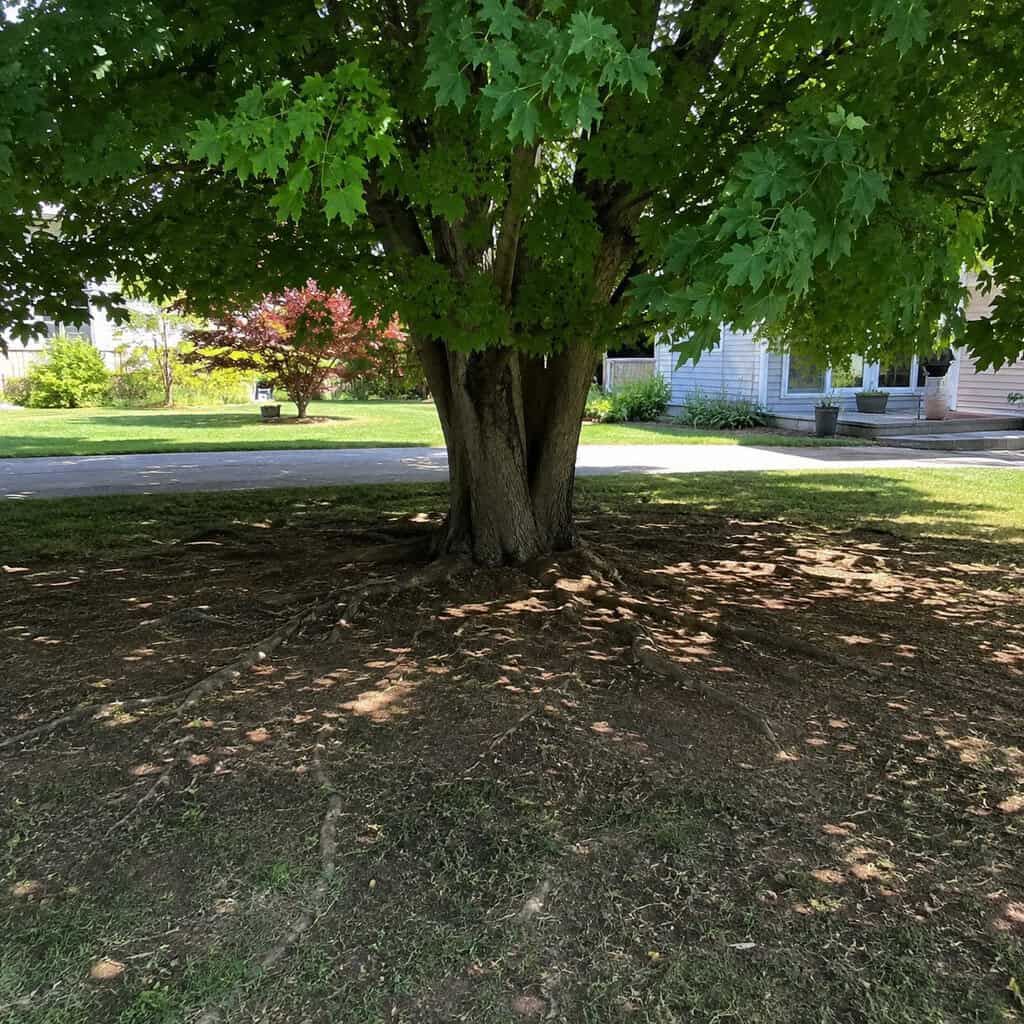
When a big-box chain pulls a plant on its own, pay attention.
The retailer Meijer voluntarily removed Norway maple from stores across five states after conservation pressure — a rare move in an industry that stocks whatever sells.
The tree casts such dense shade that grass and flowers refuse to grow beneath it, and its shallow, greedy roots surface and starve everything nearby. It also seeds prolifically into woodlands, where it displaces native sugar maples.
Want a shade tree that won’t kill your lawn? Choose a red maple, a hackberry, or an oak. Never buy it.
7. Mimosa / Silk Tree
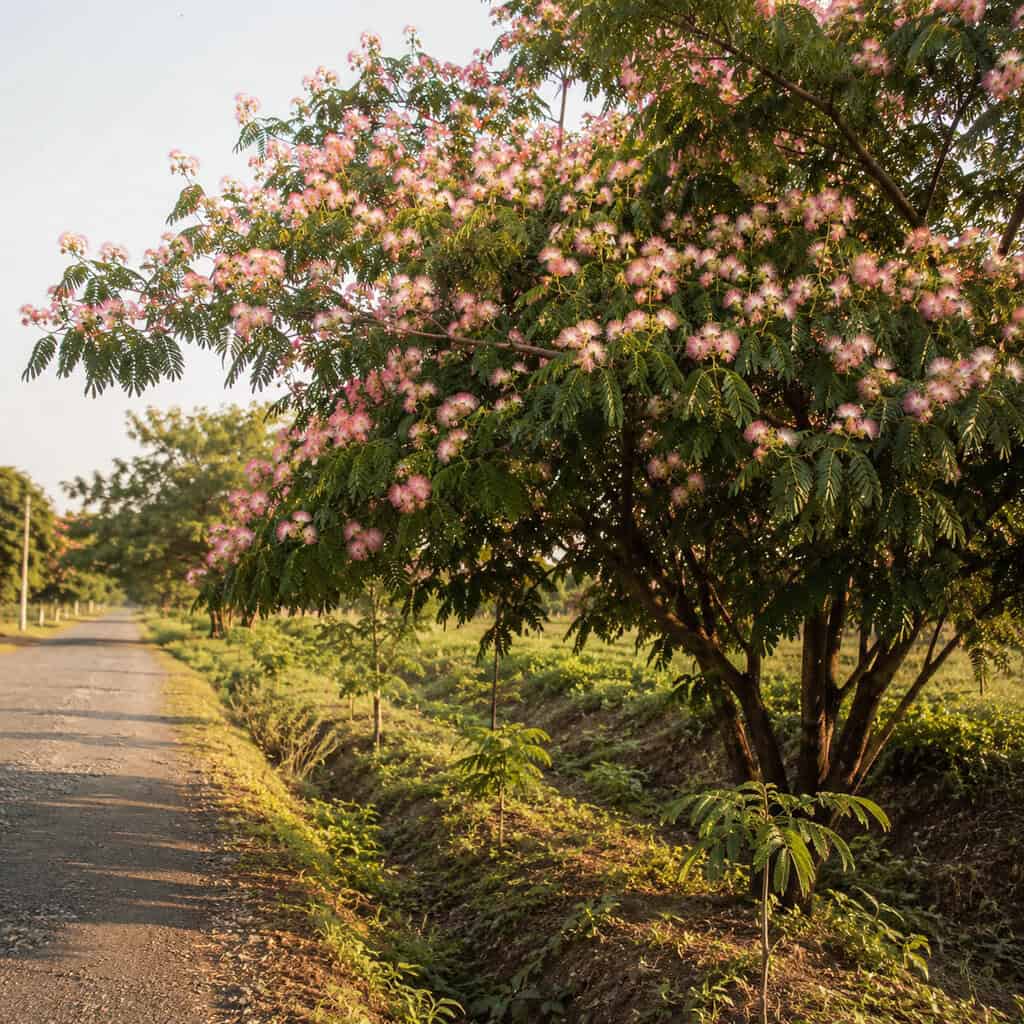
Those fluffy pink pom-pom flowers are a trap.
Mimosa (Albizia julibrissin) grows fast, blooms young, and seeds like it’s being paid to. It’s on Florida’s avoid list and spreads aggressively across the South, popping up along every roadside and creek.
Cut it down and it resprouts from the stump, often stronger. Removal is a multi-year fight.
For pink flowers without the invasion, look at eastern redbud. Never buy it.
8. Nandina (Heavenly Bamboo)

This one is a double threat, and it lands squarely in the pet-and-bird lane.
Nandina’s leaves and bright red berries contain cyanogenic glycosides — compounds that release cyanide when eaten. The North Carolina Botanical Garden has documented mass die-offs of cedar waxwings that gorged on the berries in late winter when other food ran out.
The berries and foliage are also toxic to cats and dogs.
On top of the poisoning risk, nandina spreads through the Southeast and shrugs off almost everything. If you share your yard with pets, cross-check it against the other landscaping plants that are toxic to dogs before you plant anything with berries. Never buy it.
9. Running Bamboo
This is the entry that ends up in court.
There are two kinds of bamboo. Clumping bamboo stays put. Running bamboo sends underground rhizomes 20, 30, even 100 feet sideways, throwing up new canes wherever they surface — including under fences and into your neighbor’s lawn, patio, and flowerbeds.
Homeowners have lost real money over it. Nuisance lawsuits over bamboo crossing property lines are well documented, and some towns have passed ordinances with fines running into the thousands for letting it spread. LegalClarity outlines how planting the wrong species can leave you liable for damage next door.
And the damage isn’t just cosmetic. Rhizomes exploit cracks in patios, driveways, and foundations, and they’ve been known to push through weak points in pipes and pool liners.
Removal is brutal. You can’t just cut it — every fragment of rhizome left in the ground resprouts. Full eradication often means excavating the entire root zone or years of repeated cutting and treatment, and professional removal can run into four figures for an established stand.
If you must have running bamboo for a privacy screen, the only responsible way is to grow it in a large above-ground container or inside a rhizome barrier buried 30 inches deep with a lip above grade — and even then you have to police the edges every season. For most people the honest answer is simpler. Never plant it in the ground.
10. English Ivy

Cheap flats of it stack up by the register every spring.
On the ground, English ivy forms a dense mat that smothers everything under it. Given a trunk, it climbs — and as it climbs a tree, it adds weight, traps moisture against the bark, and shades out the leaves until the tree declines and dies.
It also re-roots from the smallest fragment, so a single missed stem restarts the whole colony. UGA Extension lists it among the groundcovers worth pulling out on sight.
For evergreen shade cover, try native pachysandra or wild ginger. Never buy it.
11. Chinese & Japanese Wisteria
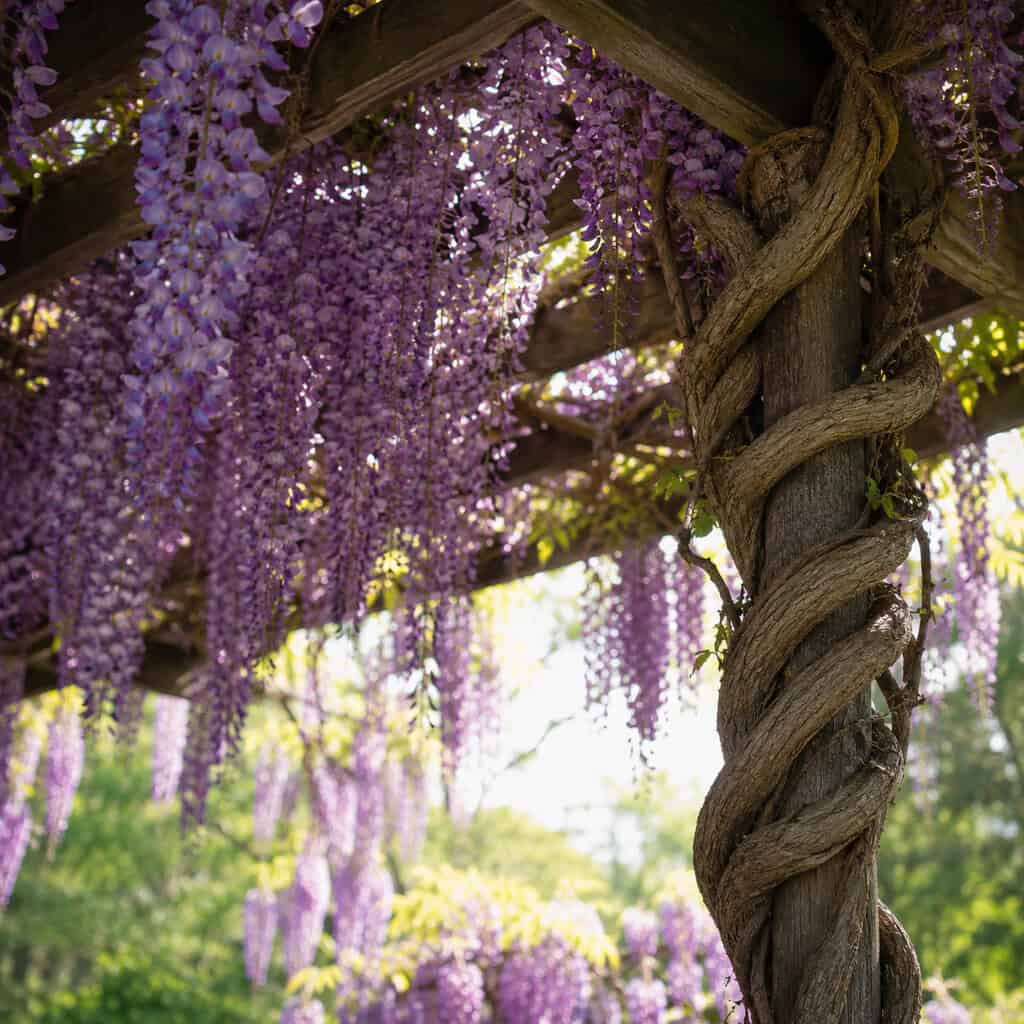
The waterfall of purple flowers is the sales pitch. The taproot is the fine print.
The Asian wisterias grow massive woody stems that wrap around tree trunks and girdle them, and they’ve been known to pull down arbors, gutters, and fences under their own weight. The taproot makes them nearly impossible to dig out once established.
American wisteria (Wisteria frutescens) gives you the same drama with far better manners.
Buy the native. Leave the imports. Never buy the Asian species.
12. Japanese Honeysuckle
It was introduced in the 1800s for fragrance and erosion control. That went sideways.
Today Japanese honeysuckle is a woody vine that climbs, twines, and blankets whole hedgerows, and birds spread its seed for miles. Several states list it as a noxious weed right beside Callery pear.
The smell is lovely. The removal is not — it re-roots and resprouts relentlessly.
For scent and hummingbirds, plant native coral honeysuckle instead. It behaves. Never buy it.
13. Autumn Olive

Once handed out for wildlife plantings. Now a menace nobody can undo.
Autumn olive fixes nitrogen, which sounds helpful until you realize it changes the soil chemistry in ways that favor more invaders. It casts dense shade, outcompetes natives, and produces heavy crops of berries that birds carry across enormous distances.
A few plants become a landscape problem within years.
If you want a berry-producing shrub for birds, plant native serviceberry or elderberry. Never buy it.
14. Scotch / Sweet Broom (Cytisus)
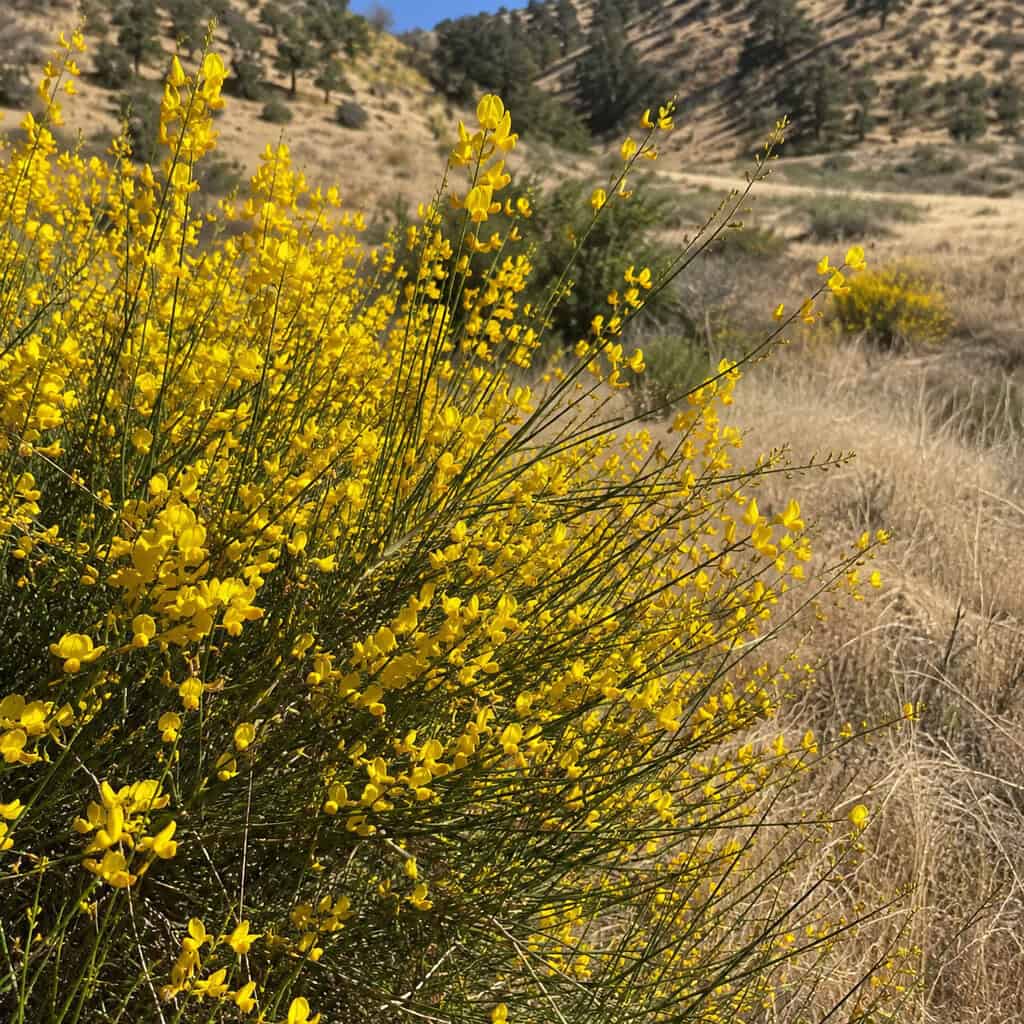
A West Coast headline waiting to happen.
A gardening expert filmed a display of broom for sale at a Home Depot and warned viewers to walk away, and Yahoo News covered the alarm. California’s Department of Food and Agriculture rates its environmental impact as high.
Broom is fragrant and covered in yellow flowers, and it fuels wildfire, chokes out native seedlings, and produces seed that stays viable in the soil for decades.
In the West, this is a hard pass. Never buy it.
15. Lantana
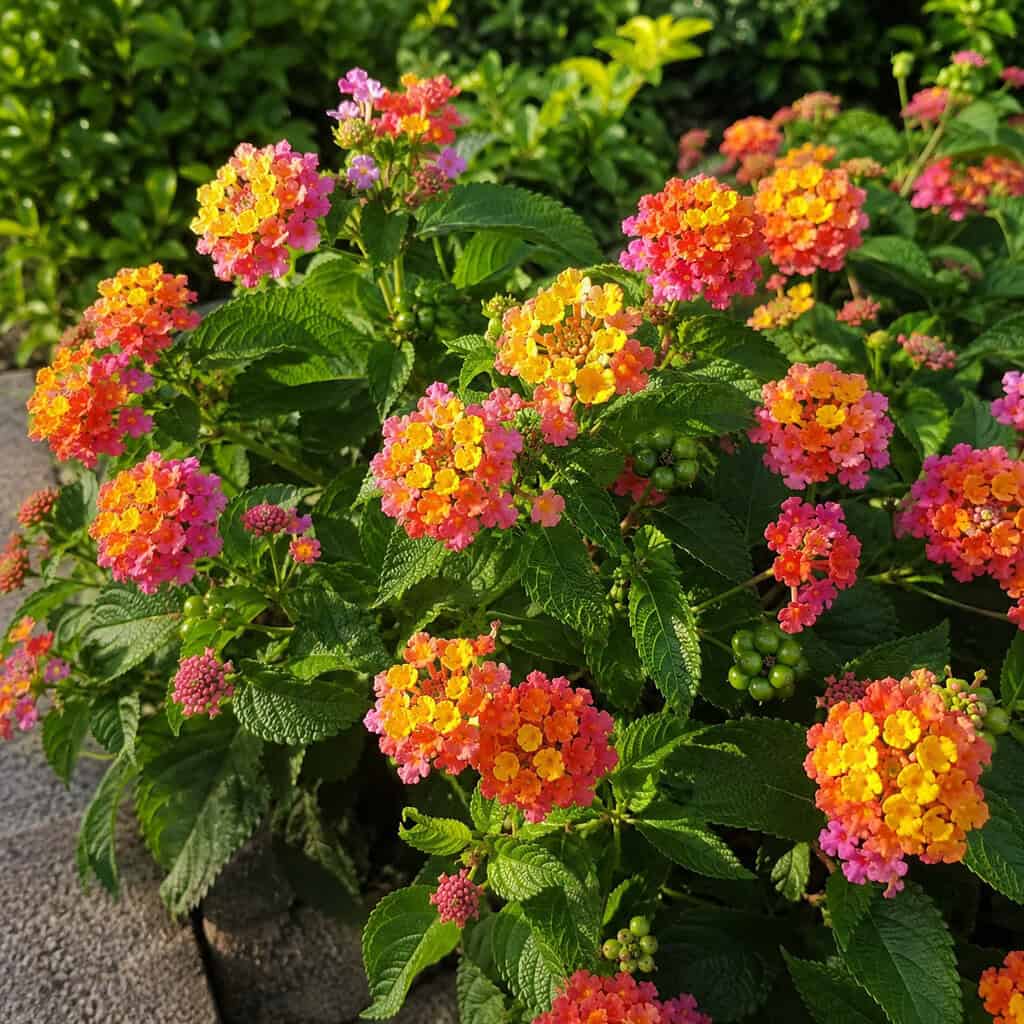
The classic impulse buy at the checkout endcap — and a problem on two fronts.
Lantana blooms nonstop and handles heat, which is why it’s stacked cheap at Lowe’s and Walmart all summer. But where winters are mild, from Florida to Texas to coastal California, it escapes and forms dense stands that crowd out everything else.
The unripe berries are also toxic to dogs, cats, and grazing livestock.
Sterile cultivars exist and behave better, but read the tag. In cold-winter zones it dies back and stays put, so northern gardeners have more room to enjoy it. Toxic, and invasive in warm zones.
16. Purple Loosestrife

Beautiful. Catastrophic. Occasionally still on a shelf.
Those tall magenta spikes are gorgeous in a rain garden right up until they aren’t — a single plant can produce over two million seeds in a season. Purple loosestrife takes over wetlands, clogs waterways, and pushes out the cattails and sedges that wildlife depends on.
It’s banned outright in many states.
For the same vertical purple, plant native blazing star or blue vervain. Never buy it.
17. Vinca (Periwinkle) & Wintercreeper
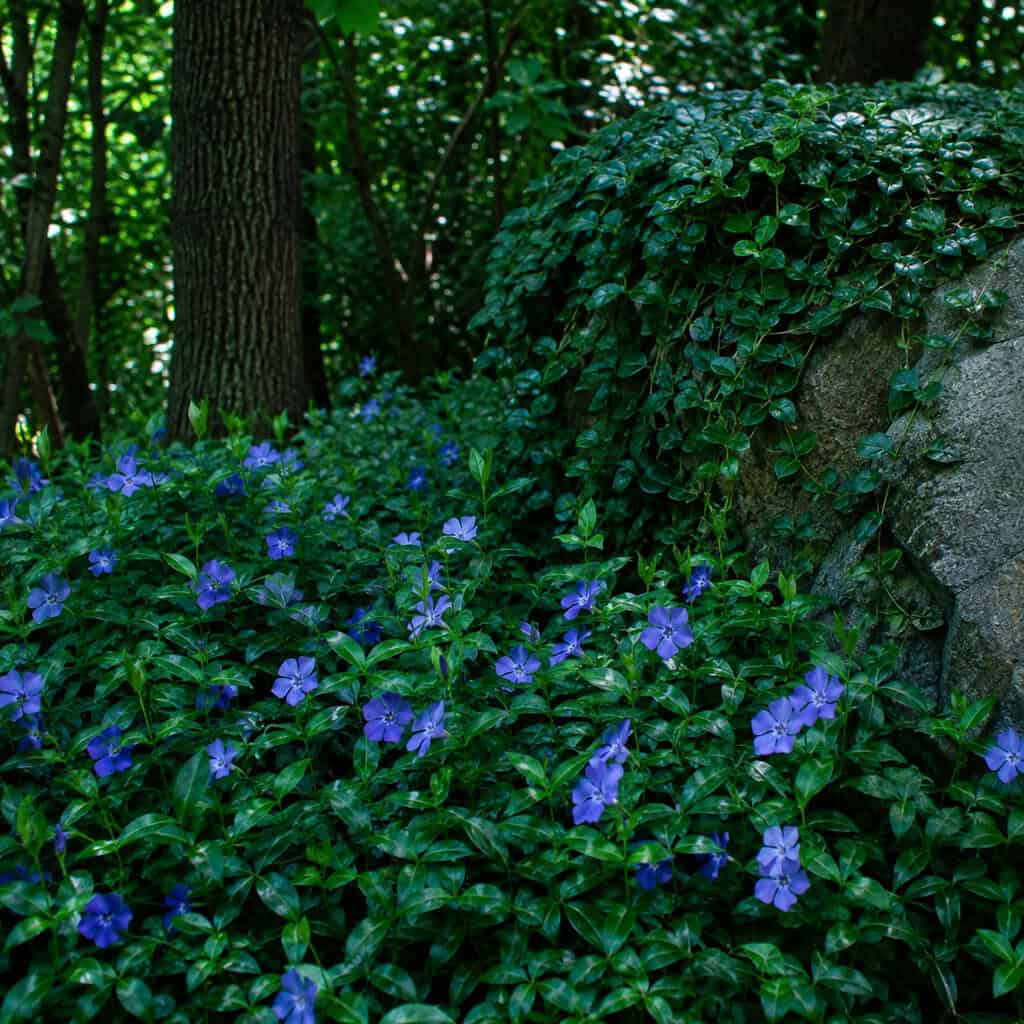
Same sales pitch, same problem, so they go together.
Both get sold as easy, low-maintenance evergreen groundcover for shade — plant it and forget it. That’s the trouble. They form dense mats that smother native wildflowers, and both slip out of the bed and into nearby woodlands with no help from you.
Wintercreeper will also climb like ivy if it finds a tree.
For a tough shade carpet that stays in bounds, look at native groundcovers or the ground covers that replace a lawn without staging an escape. Skip both.
18. Mint (Planted in the Ground)
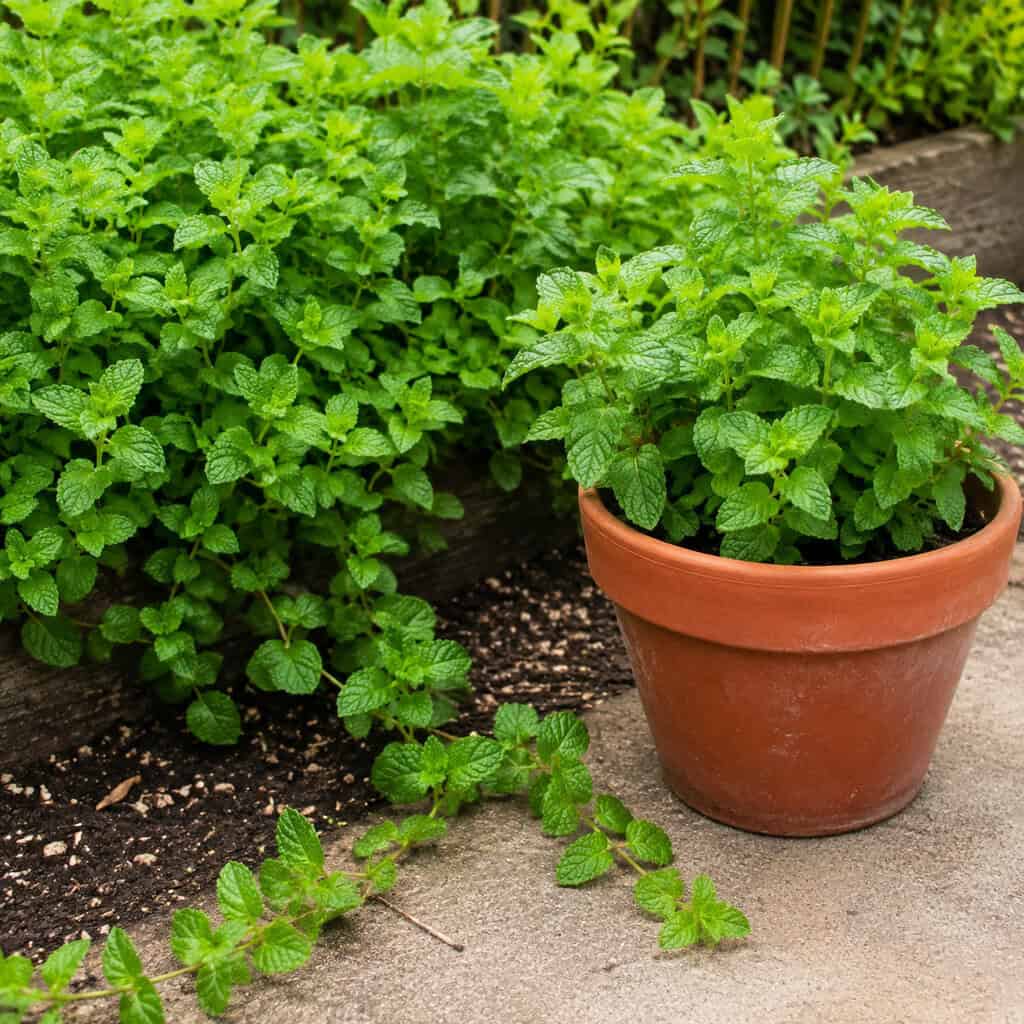
Not a national invasive. Just an absolute bully in your own beds.
Buy a $4 pot of mint, plant it in the garden, and within one season its runners will have traveled clear across the bed and into the lawn. It doesn’t care what you had planned for that space.
The fix costs nothing. Grow mint in a container — always — or sink a bottomless pot into the ground to trap the roots.
Same goes for its cousins in the mint family, like lemon balm and oregano. Only grow it in a pot.
19. “Bee-Friendly” Plants Treated With Neonicotinoids

The cruelest twist on the whole shelf.
A 2014 study called Gardeners Beware tested “bee-friendly” plants from big-box retailers and found that roughly half contained neonicotinoids — systemic insecticides that move into the pollen and nectar. The plant marketed to help bees can be laced with the chemistry that harms them.
It gets worse with milkweed: treated milkweed can be lethal to the monarch caterpillars it’s supposed to feed. The Monarch Joint Venture has flagged this exact risk.
Ask the store whether their stock is neonic-free, and if they can’t answer, buy from a nursery that can. A pollinator plant that poisons pollinators is worse than no plant at all. Ask before you buy.
20. Bargain Fruit & Shade Trees
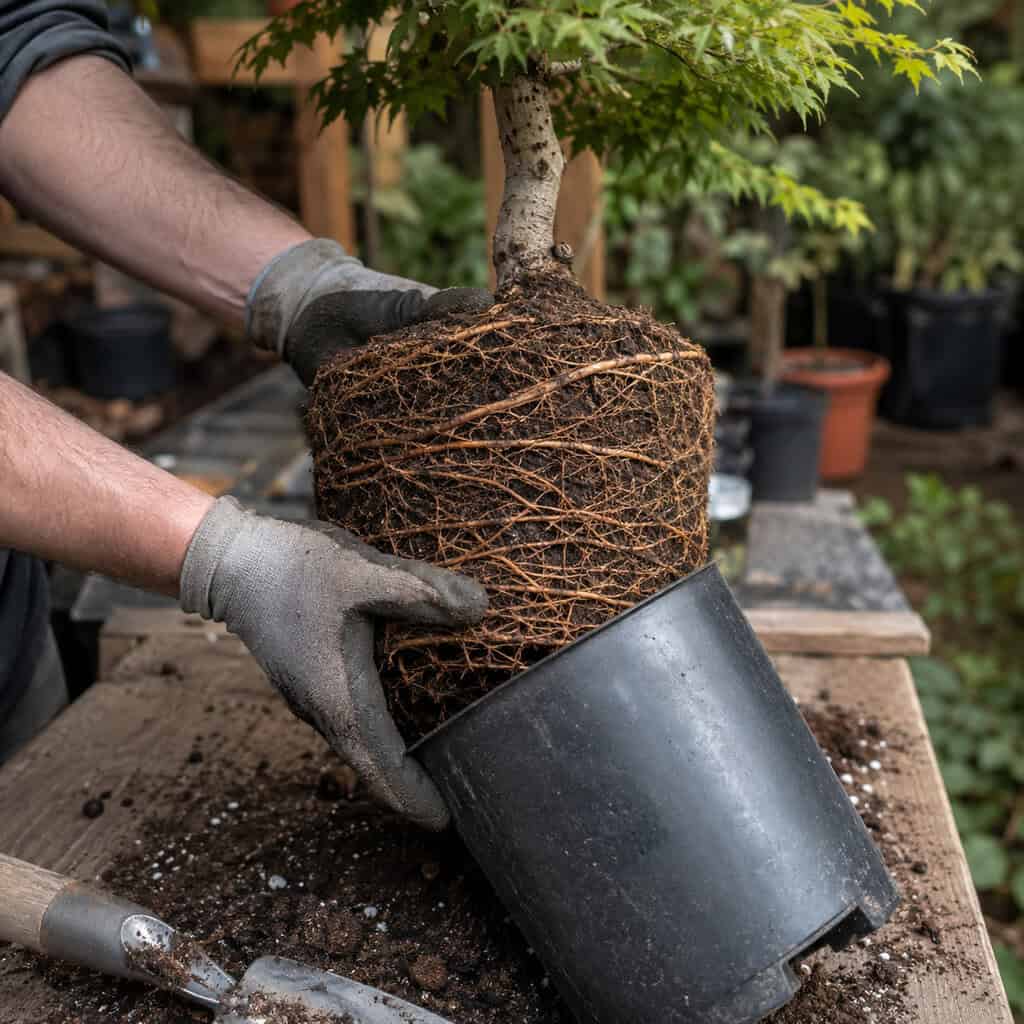
The cheapest tree is often the most expensive one you’ll ever own.
Growers have openly admitted dumping pot-bound, root-girdled stock into big-box contracts — trees that sat too long in the same container while their roots circled the pot. Sometimes they’re sold generically, labeled “red apple” with no variety named, so you don’t even know what you’re planting.
Those circling roots don’t fix themselves. As the trunk thickens, a girdling root can slowly strangle the tree from below, and it dies mysteriously five or eight years later — long after the return window closed. University of Florida IFAS details how container-grown trees develop these defects.
Before you buy any tree, slide it out of the pot and look at the roots. Tight, circling, matted roots are a no. Inspect the roots or walk away.
21. Clearance Houseplants With Hidden Pests

One marked-down plant can wreck your whole windowsill.
Retail greenhouses are warm, crowded, and humid — perfect breeding conditions for spider mites, mealybugs, scale, and fungus gnats. The plants get shipped and shuffled constantly, so pests jump from one to the next, and the eggs are usually invisible when you’re standing at the shelf.
Learn the leaf-flip check. Turn every leaf over and look along the veins and stem joints. Fine webbing means spider mites. Cottony white fuzz in the leaf crotches is mealybug. Small brown bumps that don’t scrape off easily are scale. A cloud of tiny flies rising from the soil means fungus gnats and probably overwatered potting mix.
Even a clean-looking plant deserves a quarantine. Keep any new houseplant separate from your collection for two full weeks and watch it. Mite and scale eggs hatch on a delay, so a plant that looked spotless on day one can show an infestation by day ten.
If you do spot pests and still want the plant, treat it before it joins the others: wipe the leaves, spray with insecticidal soap or neem, and drench fungus-gnat soil or let it dry hard between waterings. For a healthy start indoors, it’s worth knowing which indoor plants hold up best in the first place. Flip the leaves and quarantine.
22. Discount Tomato & Vegetable Starts
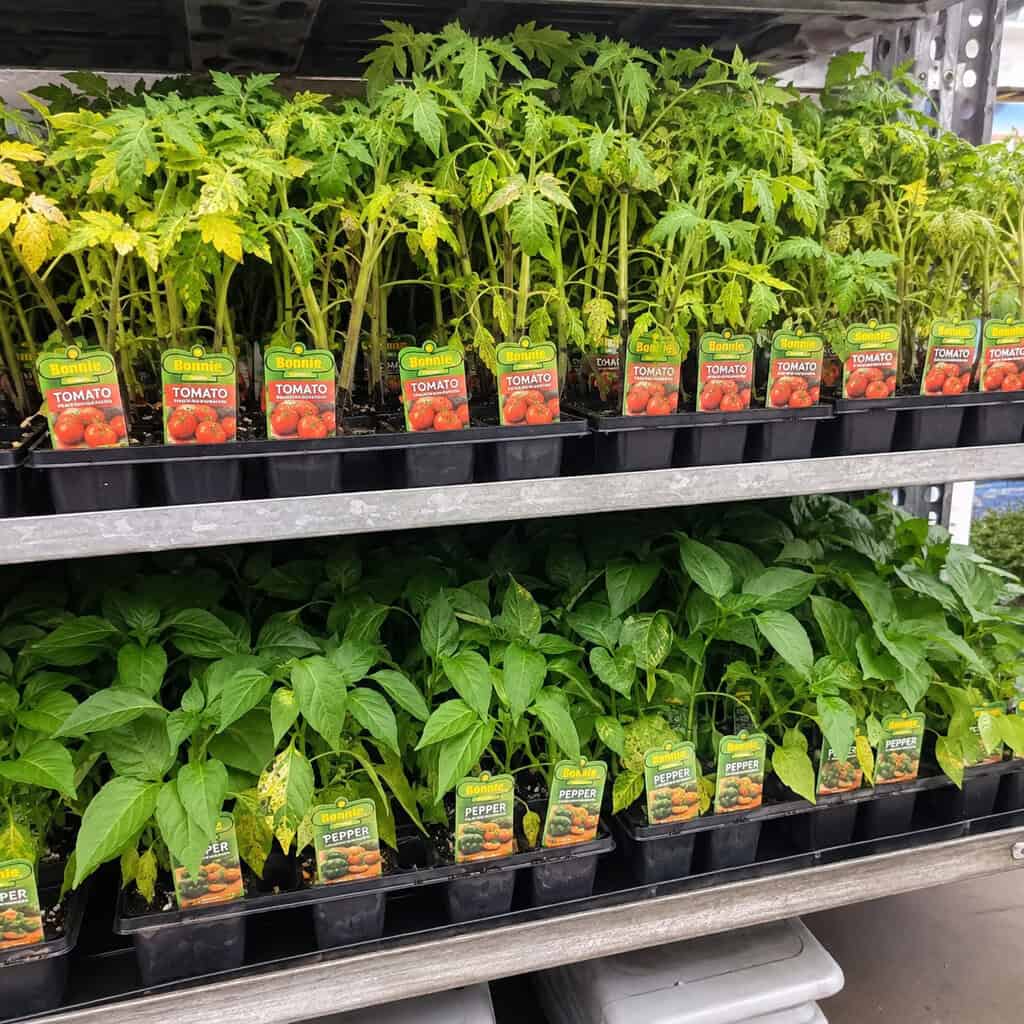
Cheap vegetable starts have a supply-chain problem you can’t see.
Big box vegetable transplants often trace back to one or two centralized growers, which means one infected batch can seed disease across thousands of stores at once. That’s not hypothetical.
In 2009, a late-blight outbreak was traced to infected tomato transplants sold at Lowe’s, Walmart, Home Depot, and Kmart from a single centralized supplier. It tore through home gardens and jumped to commercial farms up the East Coast — a Cornell plant pathologist called it the “bubonic plague for plants,” as Civil Eats reported.
Buy starts from a local grower who raised them on site, or start your own from seed. If you’re growing tomatoes, it also pays to know how cold is too cold for tomato plants before you set them out. Buy local or grow from seed.
23. Half-Dead Clearance Perennials & Conifers
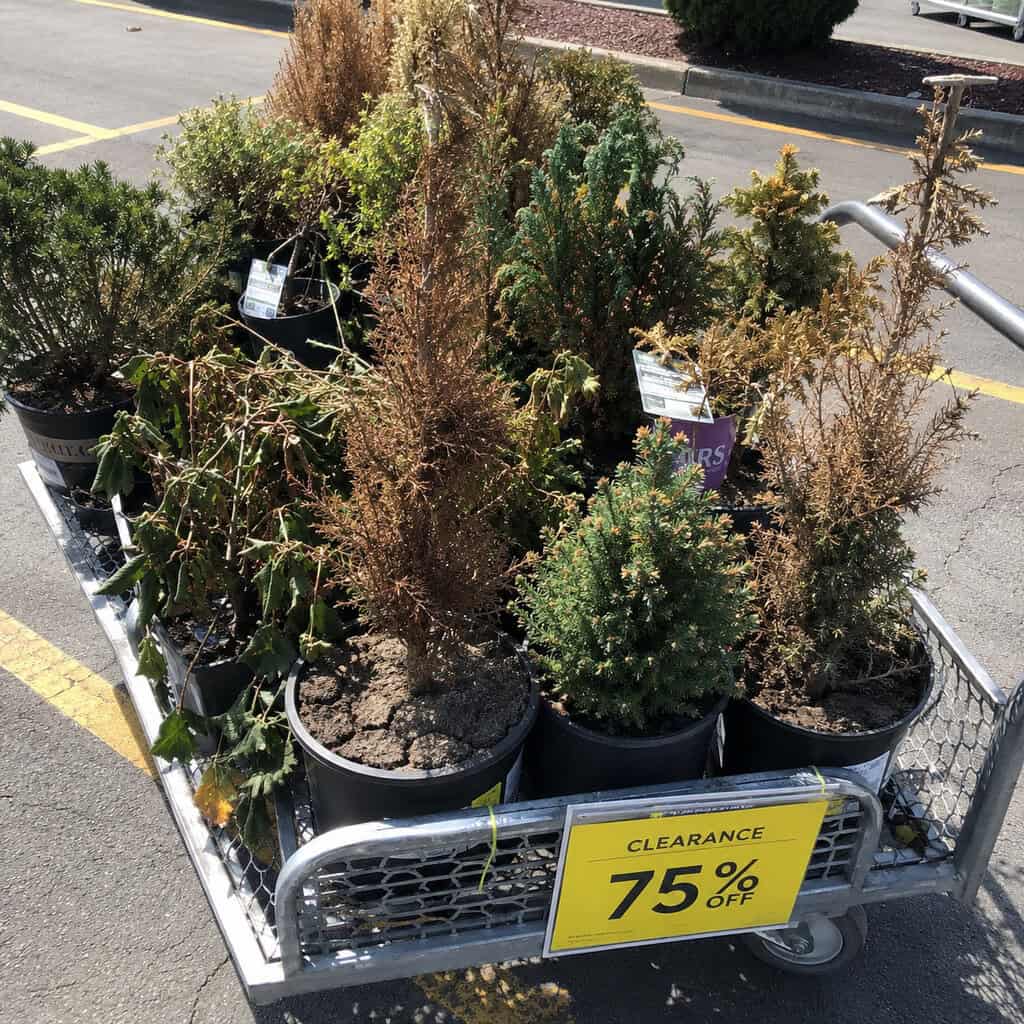
The rescue bargain almost never gets rescued.
That browning conifer at 75% off looks like a gamble worth taking. It isn’t. Evergreens that are dropping needles and browning from the inside have usually crossed a line they don’t come back from — conifers can’t refoliate bare branches the way deciduous plants can.
Stressed perennials are a slightly better bet, but a plant that’s been baking on a hot asphalt lot with no water has burned through the reserves it needs to establish. You’ll spend a season nursing it for results a healthy $8 plant would have given you in weeks.
Cheap only counts if the plant lives. That’s the whole point of “no matter how cheap.” Leave the clearance corpses.
24. Asparagus Fern
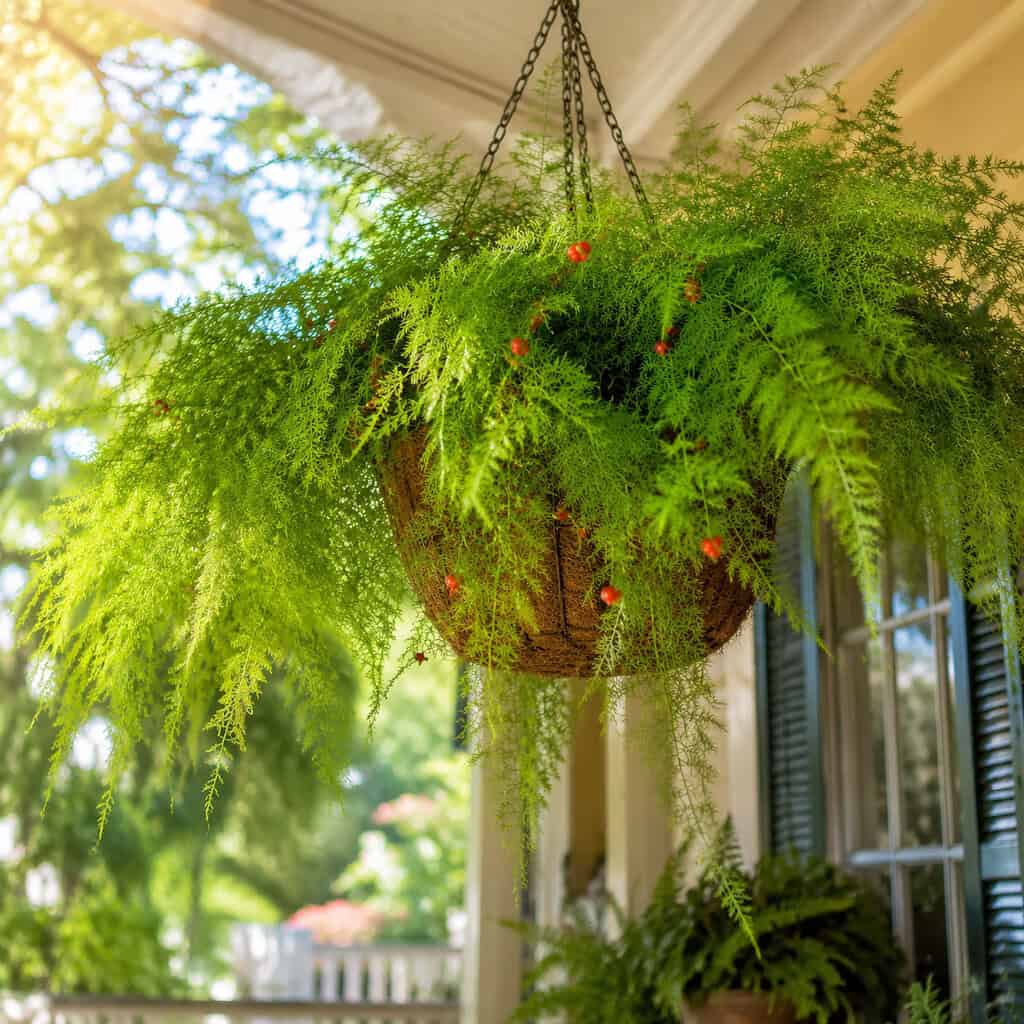
It isn’t even a true fern, and in the South it’s a genuine problem.
Sold as a soft, feathery filler for pots and hanging baskets, asparagus fern produces red berries that birds spread far and wide, and it’s invasive across Florida and other warm zones. Its thick, tuberous roots form a mass that crowds out anything nearby.
Those same roots make it a nightmare to dig out once it’s settled in.
For soft texture in a container, use a native fern or a trailing native instead. Skip it in warm climates.
25. Water Hyacinth
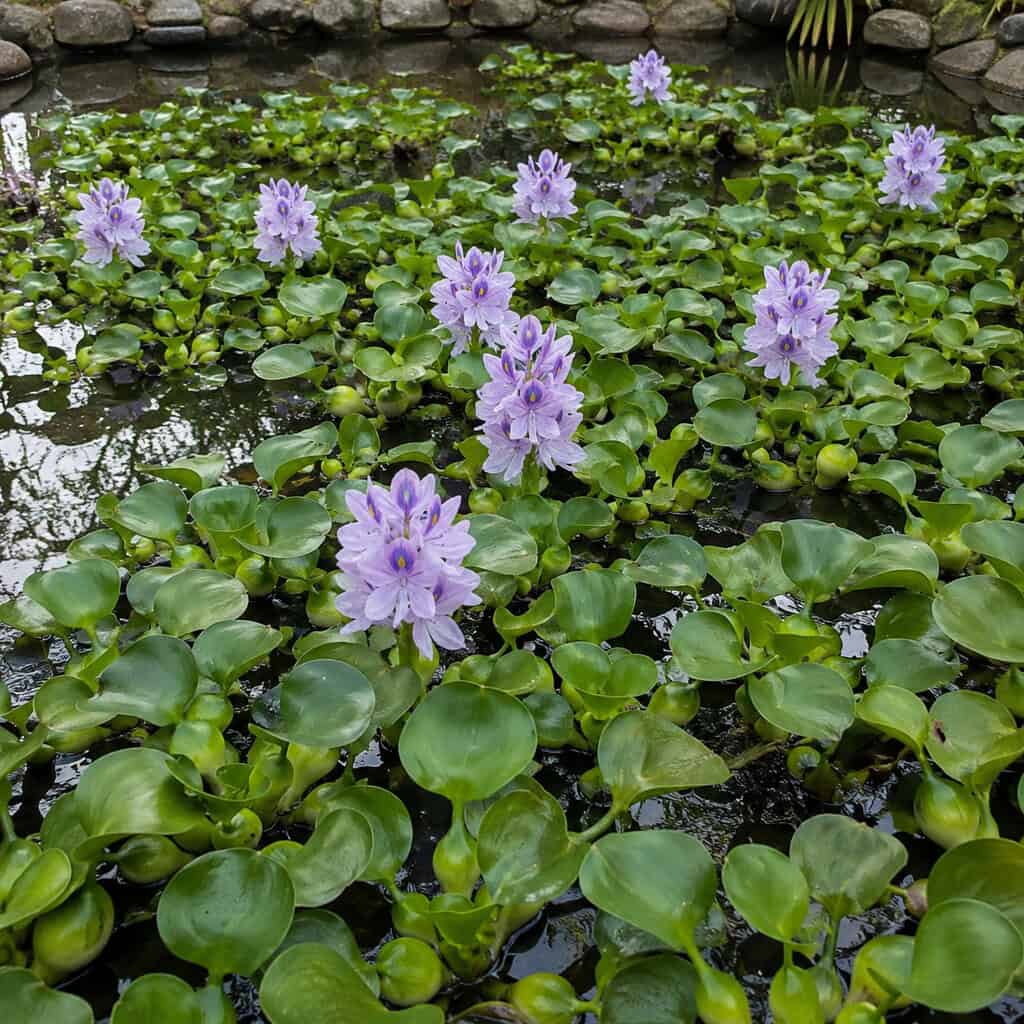
Sold for backyard ponds. Banned in a growing list of states for good reason.
Water hyacinth is one of the fastest-spreading aquatic plants on earth — it can double its coverage in a couple of weeks, forming mats thick enough to choke a waterway, block boats, and starve the water of oxygen until fish die.
All it takes is one storm, one bird, or one careless dump into a ditch, and it’s in the local watershed.
For a water feature, choose a native pond plant your extension office approves. Never buy it.
26. Princess Tree (Paulownia tomentosa)
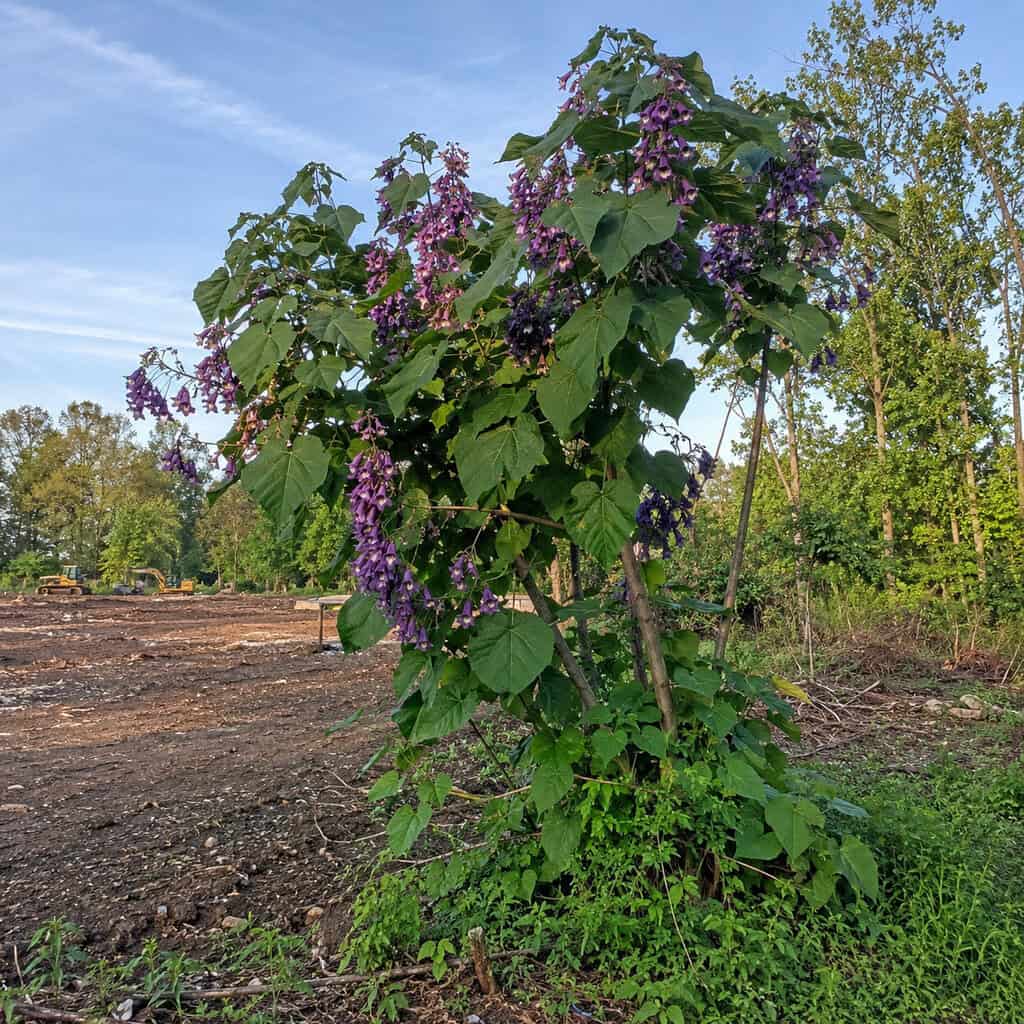
Marketed as the “fastest-growing tree in the world.” That’s not the selling point they think it is.
Princess tree can shoot up 10 to 15 feet in a single season, and it explodes into disturbed ground — road cuts, burn scars, cleared lots. A single tree throws off millions of tiny seeds that ride the wind for miles.
Fast growth means weak wood, too, so it breaks up in storms.
If you want quick shade, plant a fast native like a river birch. Never buy it.
27. Japanese Spirea
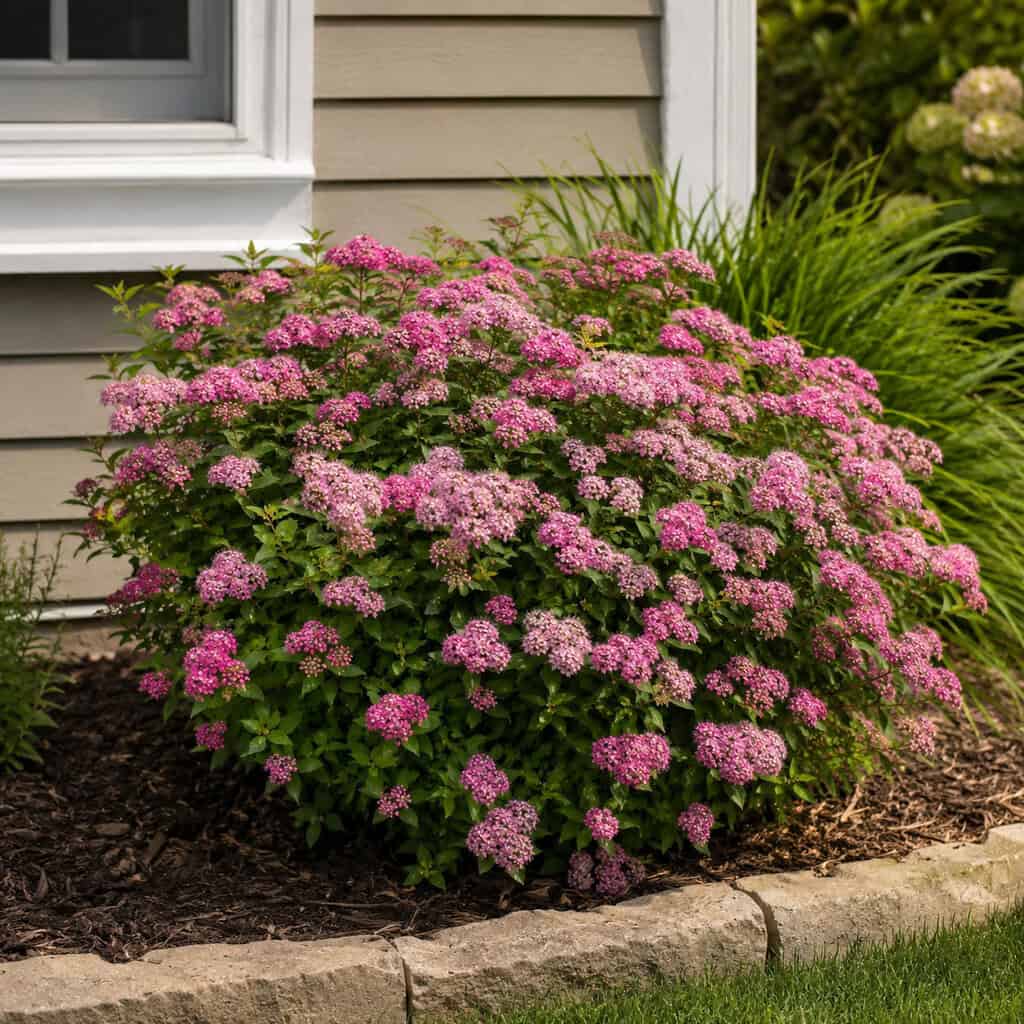
The one that slips past most shoppers.
Japanese spirea is such a common landscape shrub — pink flower clusters, compact habit, sold everywhere — that few people register it as invasive. But it seeds heavily into meadows and stream edges and forms dense stands that push out natives, and gardening pros increasingly name it on their avoid lists.
It’s an easy one to swap. Native spireas and meadowsweet give you similar flowers without the escape.
If privet and barberry already cover the “cheap shrub” slot for you, this is the sleeper to watch. Skip it.
The Takeaway
Every plant on this list earns its spot the same way: it’s cheap, it’s easy to find, and the tag never tells you the whole story.
The good news is that almost every one of them has a native swap that costs about the same and won’t turn into a decade-long project. When in doubt, snap a photo and check it against your state’s invasive species list or call your local extension office — they’ll tell you straight.
The bargain isn’t the low sticker. It’s the plant you never have to dig back out.
I’d add Sago Palms to your list. Not only is it a complete nightmare to remove. Usually requiring massive areas of lawn to be dug up to get its complete root system. The worse thing about Sago Palms are their toxicity. I worked in the veterinary world as a technician for 25 years. In Louisiana, where I moved to later in life, people here LOVE their Sagos. Yet, all it takes is for your cat or dog(especially) to lay under the plant to get a lethal dose of toxins that causes rapid-complete liver failure. EVERYTHING of this plant is toxic; sap, foliage, and especially the seeds since they look like fuzzy brown tennis balls. I’ve seen smaller dogs not even survive the drive to the end of their roads. If by chance, you have the financial ability, your pet somehow pulls through-the war has just begun. The toxins tend to get stored away deep within the liver, and will be released during normal flashing, and your pet is in liver failure once again. Unfortunately, for a pet to live once is a true miracle, but twice- I’ve never seen it.
Great article. Out here in the west, there was a blight that wiped out so much of the oleander that lined our freeways and provided privacy for our yards. But it’s making a comeback. And it is so very poisonous. All parts of it.
I’ve recently seen water hyacinth for sale on FB marketplace here in FL. Since it is illegal, what can be done to stop the spread of this plant?
We bought a house that already had a Princess tree. It multiplied several times with fast-growing stems near the mother plant. Eventually the mother plant died and now we have a huge dead tree in our back yard that is an eyesore. We are hoping a strong windstorm takes down the main stem.
It’s not an attractive plant. The giant fragrant flowers bloom before the leaves do.
We also have a mimosa tree in our front yard. It was a four-year-old little tree when we bought the house. Now it’s 30 feet tall. Its blooms attract bees. I personally love the tree and its bloom.