


Nothing about your yard looks like a pest problem. That’s the issue.
A bag of birdseed in the garage. A kiddie pool left face-up after a storm. Firewood stacked where it’s convenient. None of it reads as a mistake until you understand the chain: standing water makes mosquitoes, spilled food makes mice, and mice are the single biggest reason a snake decides your yard is worth living in.
Mosquitoes need about a week and a teaspoon of water. Mice fit through a quarter-inch gap. Snakes go where the food is.
Almost none of these fixes cost money. Most take a Saturday morning and a rake.
Here are 31 things in your yard quietly rolling out the welcome mat — and exactly what to do about each one.
1. The Bird Feeder Spill Zone
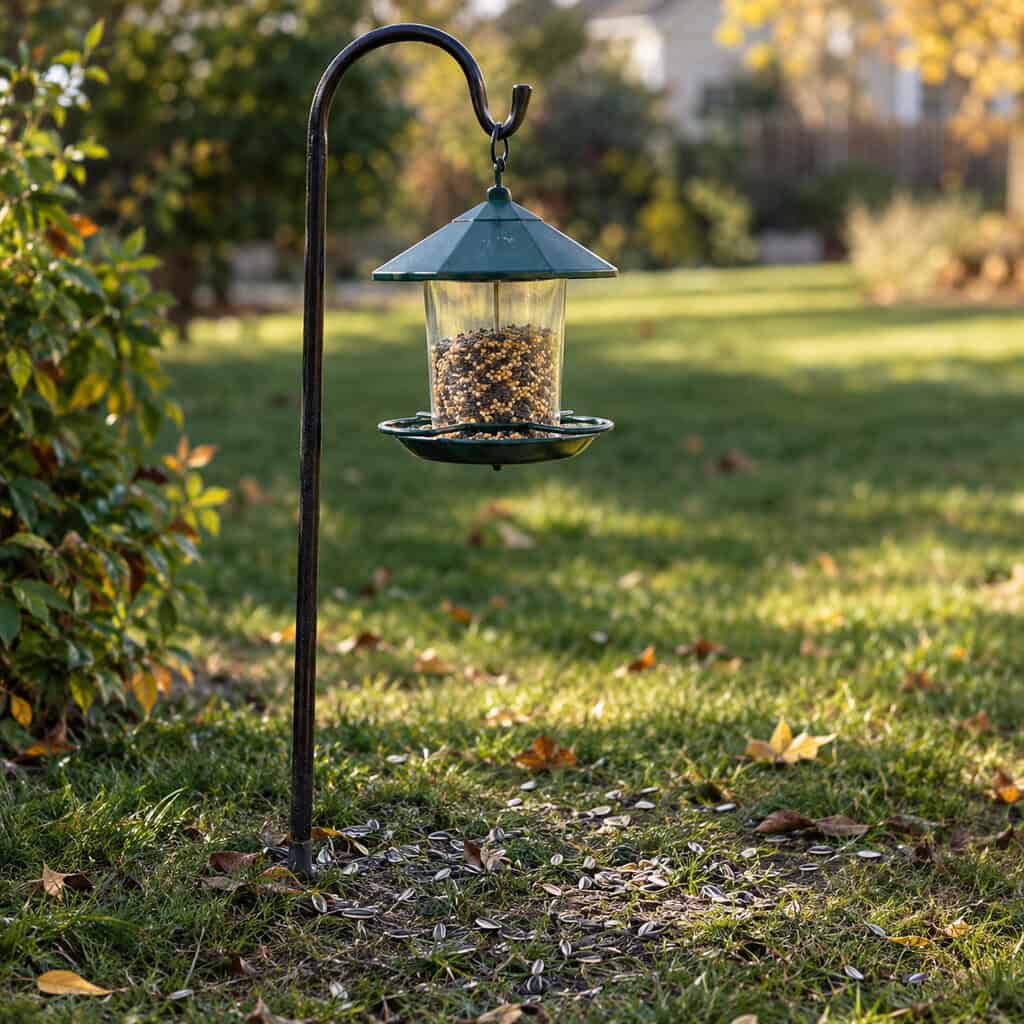
Every feeder drops seed. That seed sits in the grass, and mice find it within days.
Then the chain starts. Utah State University Extension spells it out plainly — seed on the ground pulls in rodents, and rodents are what bring snakes into a yard in the first place.
Install a seed-catching tray under the feeder. Rake the drop zone weekly.
And move the pole at least 15 feet from the house. A feeder against the siding is a rodent delivery system.
2. Clogged Gutters Holding a Shallow Pond
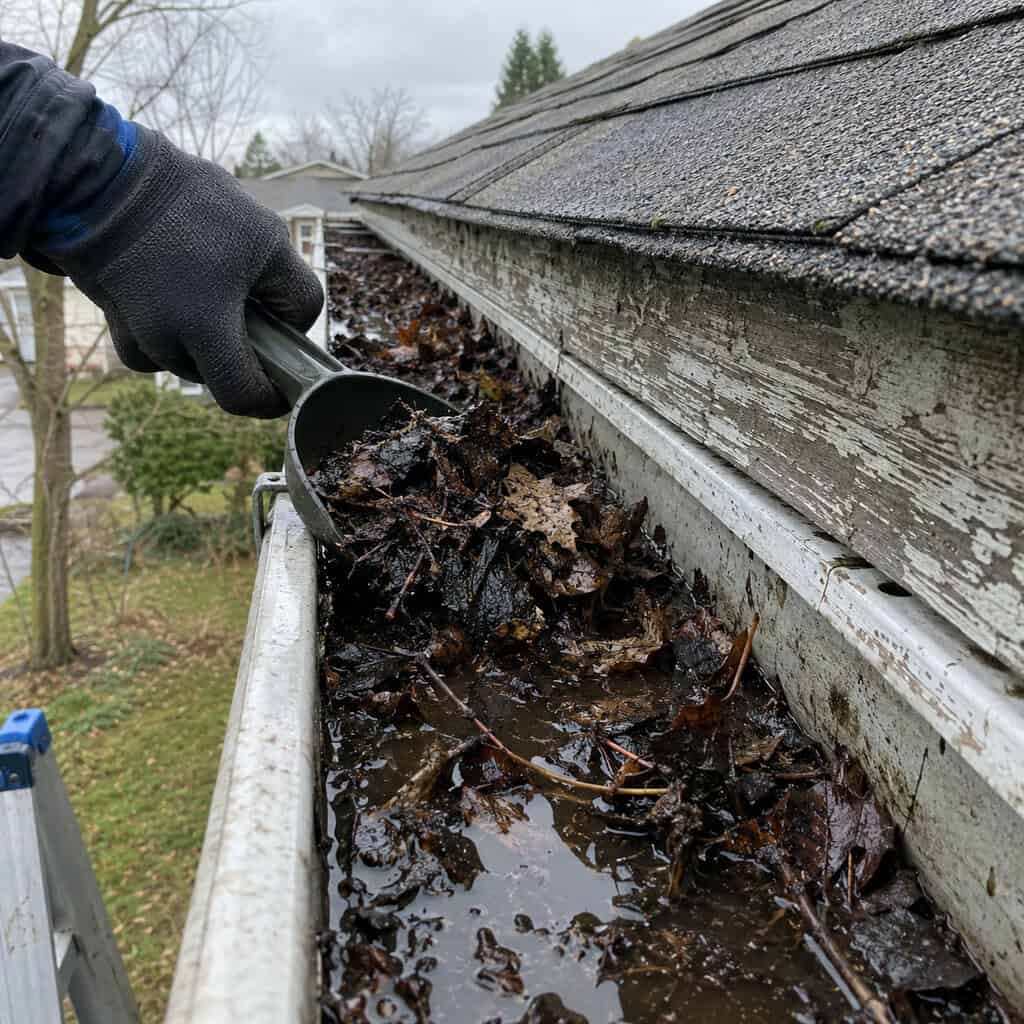
Twenty feet off the ground, in a trough nobody inspects, sits a layer of wet leaf sludge holding about an inch of water. That’s a complete mosquito habitat.
Container-breeding mosquitoes don’t need a pond. They need still water that sits undisturbed for roughly a week, and a packed gutter delivers that every time it rains.
There’s a second problem. A gutter that never drains stays permanently damp, which softens the fascia board behind it and gives roof rats a sheltered, elevated runway along the entire back of the house.
Clean them twice a year minimum — once after spring pollen and seed drop, once in late fall after the last leaves come down. If you have oaks or maples overhanging the roof, make it three times.
Do it properly. Scoop the sludge by hand into a bucket rather than blasting it toward the downspout, because flushing debris downstream just moves the clog where you can’t reach it. Then run a hose from the far end and watch the outlet — if water backs up, the downspout is plugged and needs a plumber’s snake fed from the bottom up.
Check the pitch while you’re up there. A gutter should fall about a quarter inch every ten feet toward the outlet, and sagging hangers are the usual reason a section holds water even when it’s clean.
Gutter guards help, but they aren’t maintenance-free. Fine mesh still collects shingle grit and pollen paste that need rinsing once a season.
3. Firewood Stacked on Bare Ground Against the House

Dark, dry, full of gaps, and touching your siding. It’s the most reliable mouse-and-snake condo in American yards.
Wood directly on soil also wicks moisture and rots from the bottom, which invites the insects snakes come looking for.
Get it onto a rack 18 inches off the ground. Move the stack at least 20 feet from the foundation.
Keep only a few days’ worth near the door, and never leave that smaller pile sitting through a whole winter.
4. Old Tires Piled Behind the Shed

Tires are the textbook mosquito nursery, and they show up on every health department’s list for good reason.
The casing holds water that shade keeps from evaporating, and the rim collects exactly the rotting organic gunk larvae eat. A single tire can produce thousands of mosquitoes over one season.
You can’t drill your way out of a stack of them. Haul them to a tire recycler — most charge $3 to $5 each.
5. Overgrown Shrubs Touching the Siding
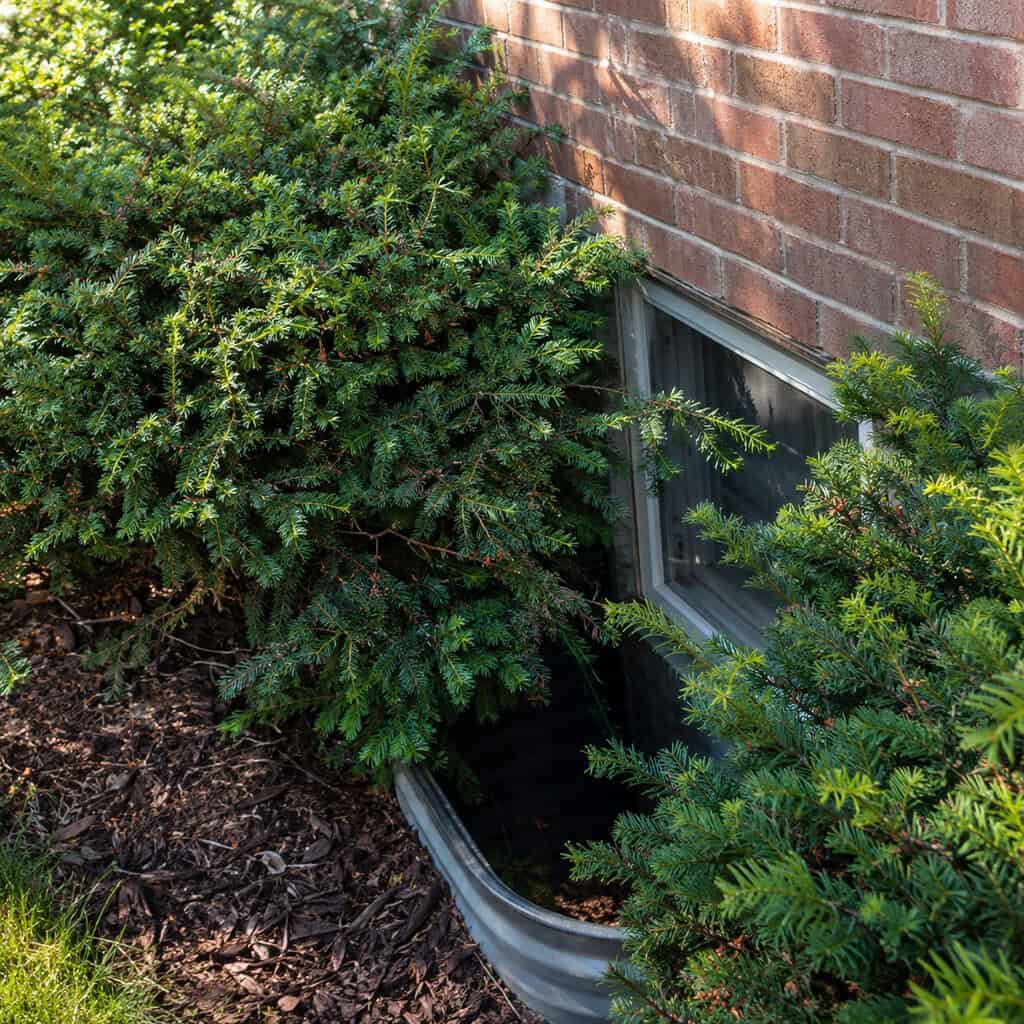
Foundation plantings that have grown into the wall give mice a covered highway to every gap in your house. They won’t cross open ground if they don’t have to, and a yew pressed against the brick means they never have to.
Integrated pest management guidance is specific here: keep a vegetation-free band of 12 to 18 inches around the entire structure.
Prune back hard. Gravel or bare mulch in that strip is fine — the point is visibility and open ground.
6. Saucers Under Every Potted Plant
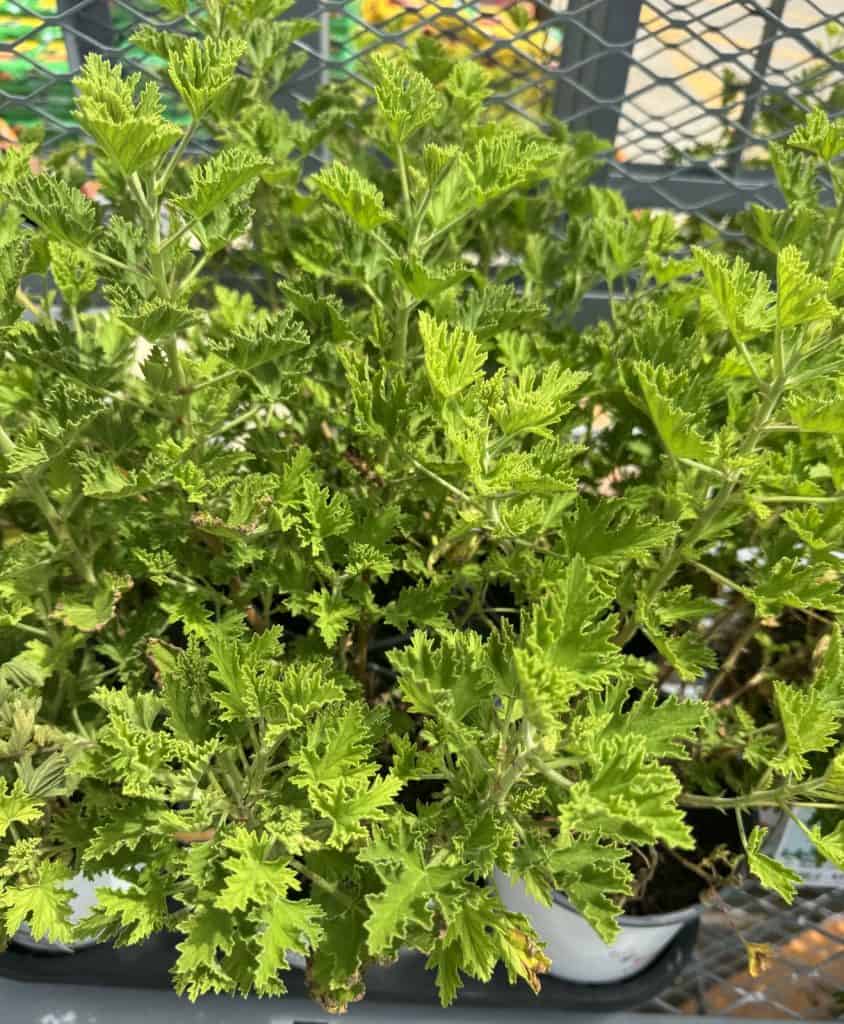
Gardeners install these on purpose, which is what makes them such a blind spot.
Each saucer is a miniature pond that refills every time you water. Aedes mosquitoes — the aggressive daytime biters — will breed in less than a teaspoon.
Dump them after every watering, or skip saucers entirely outdoors and set pots on pot feet.
7. The Decorative Rock Wall or Leftover Stone Pile
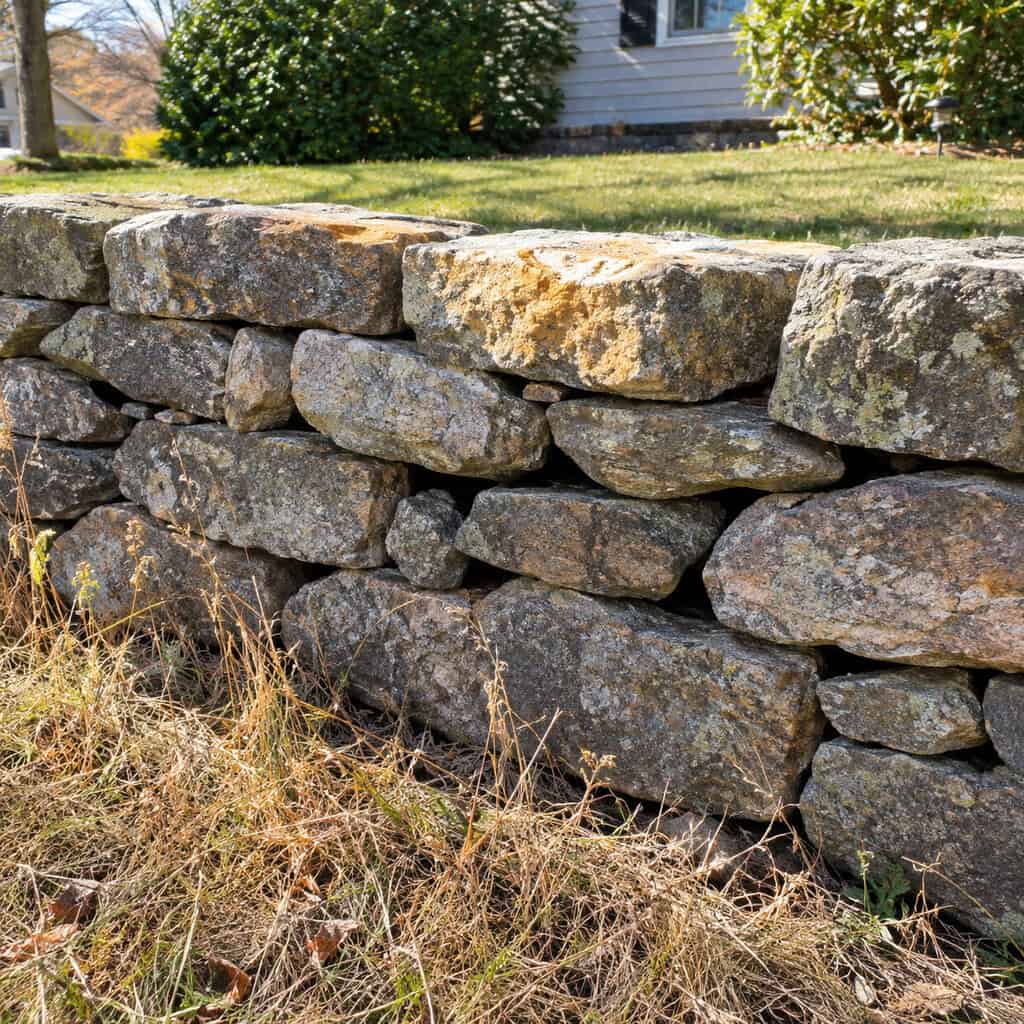
Stacked stone hands a snake three things at once: cover from hawks, chipmunk and mouse burrows underneath, and flat sun-warmed surfaces for basking.
A dry-stacked retaining wall that’s settled over a decade is riddled with voids you can’t see.
Haul away leftover stone piles — those have no reason to exist. For walls you want to keep, University of Illinois Extension notes that sharp lava rock is one of the few landscape materials shown to discourage snakes from basking near a structure.
8. The Ribbed Downspout Extension
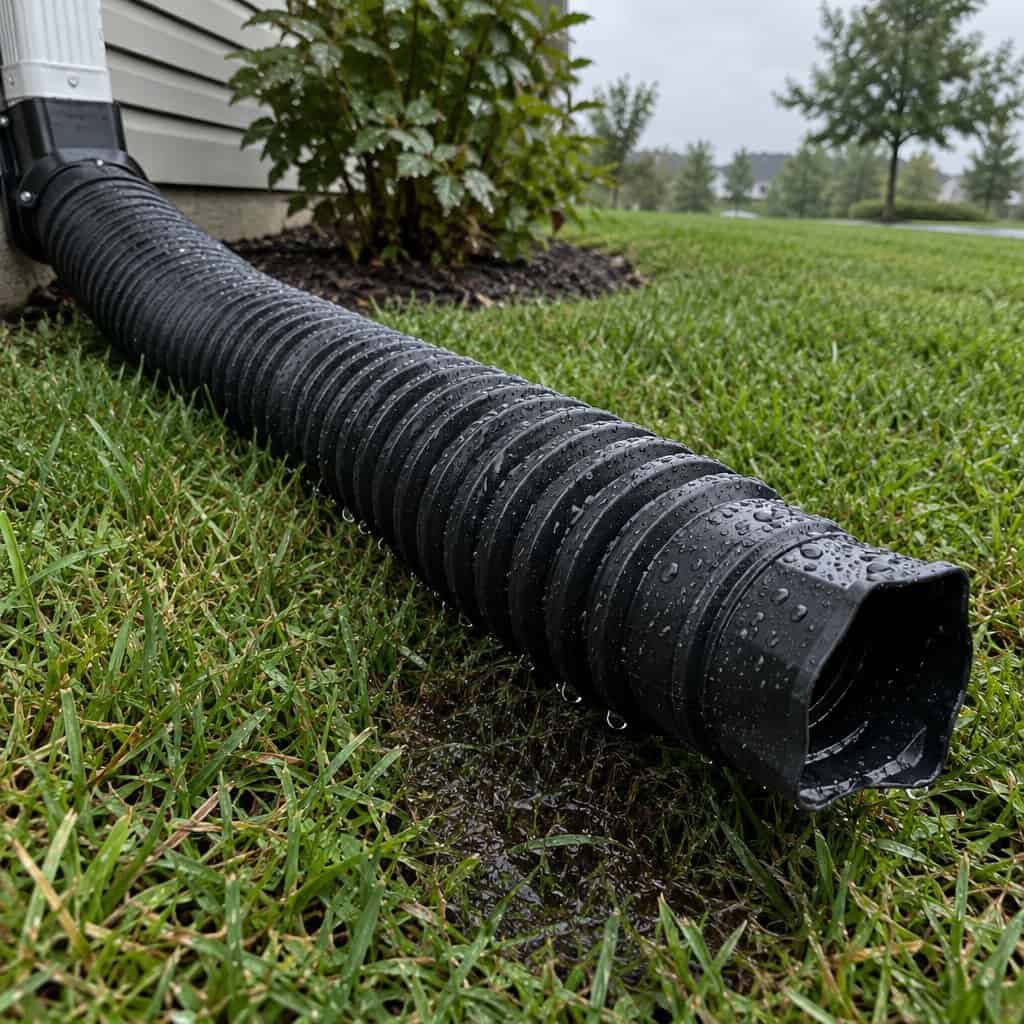
That flexible black corrugated pipe traps water in every single ridge.
It’s dark inside, it never fully drains, and no homeowner ever thinks to look. A hidden mosquito factory running the length of the house.
Replace it with smooth rigid PVC, pitched to daylight. Costs about $12 a section and ends the problem permanently.
9. Pet Bowls and the Open Bag of Birdseed in the Garage

Outdoor kibble is a buffet with a water chaser. Bring bowls in at dusk — that’s when rodents start moving.
The paper seed sack in the garage is worse. Mice chew through one overnight.
Move seed and kibble into metal cans or hard-sided bins with locking lids. Plastic tubs with snap lids slow mice down. They don’t stop them.
10. The Birdbath That Only Ever Gets Topped Off

Mosquitoes go from egg to flying adult in roughly seven days. Topping off a birdbath instead of dumping it lets an entire generation finish.
Dump, scrub the film off the basin, and refill every three to four days. Scrubbing matters — eggs stick to the sides above the waterline and hatch when you refill.
A solar bubbler solves it permanently. Moving water won’t support larvae, and birds prefer it anyway. If you’re already building a yard around pollinators and birds, the bubbler earns its keep twice.
11. The Gap Under the Shed or Deck Skirting

A dark crawl void with a two-inch entry is premium real estate. Mice first, then rats, then skunks and groundhogs, then the snakes that follow the rodents.
Expanding foam is not a fix. Mice chew through it in an afternoon, and so does everything bigger.
The real repair is a hardware cloth L-footer. Use galvanized quarter-inch mesh — half-inch stops rats but lets young mice through.
Dig a trench 10 to 12 inches deep along the skirting. Run the mesh down the face of the skirt, bend it at a right angle at the bottom, and lay that horizontal leg outward about 12 inches before backfilling.
The outward bend is the whole trick. Animals dig at the base of a barrier, hit buried mesh, and don’t think to back up and start over.
Fasten the top edge to the framing with galvanized staples or fender washers every six inches. Leave no gap wider than a pencil at the corners — rodent exclusion guidance is blunt about the fact that a sloppy seam makes the whole barrier decorative.
One warning: make sure nothing is living under there before you seal it. Scatter flour at the opening and check for tracks for three nights, or you’ll trap an animal that will die under your deck.
12. The Dense English Ivy or Pachysandra Mat

A continuous evergreen groundcover is a roofed tunnel system. Mice can live their entire lives under it without ever stepping into the open.
IPM guidance specifically recommends breaking up large single-species groundcover plantings with paths or strips of low turf.
Cut the mat into sections. Keep it off the foundation entirely, and never let ivy climb siding.
13. Kiddie Pools, Wagons and Toys Left Face-Up
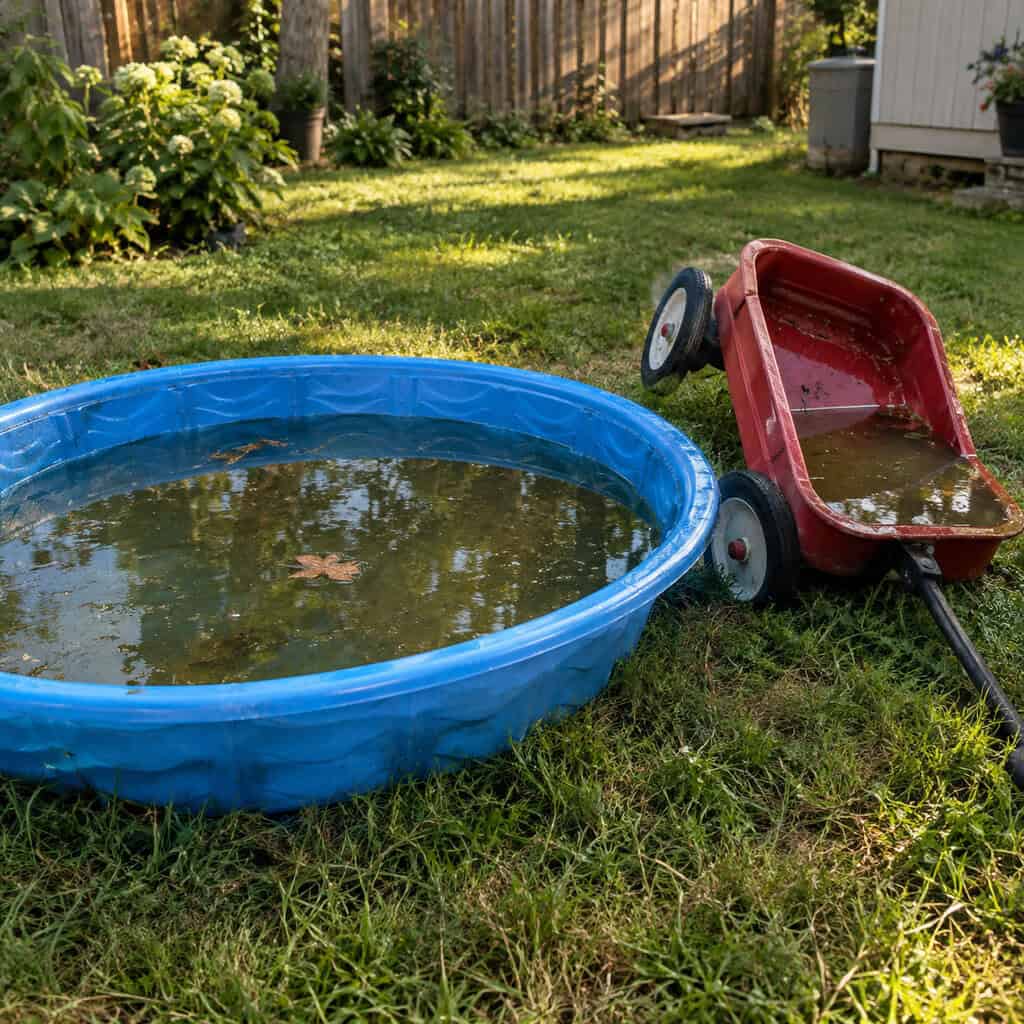
Anything molded with a concave surface becomes a nursery after one thunderstorm. Sandbox lids, wheelbarrows, sledding saucers, the cooler on the deck.
The fix is a habit, not a product. Tip, toss, turn and tilt everything that holds water, once a week.
Saturday morning, ten minutes, whole yard. That one routine does more than any sprayed barrier.
14. The Compost Pile With Kitchen Scraps In It
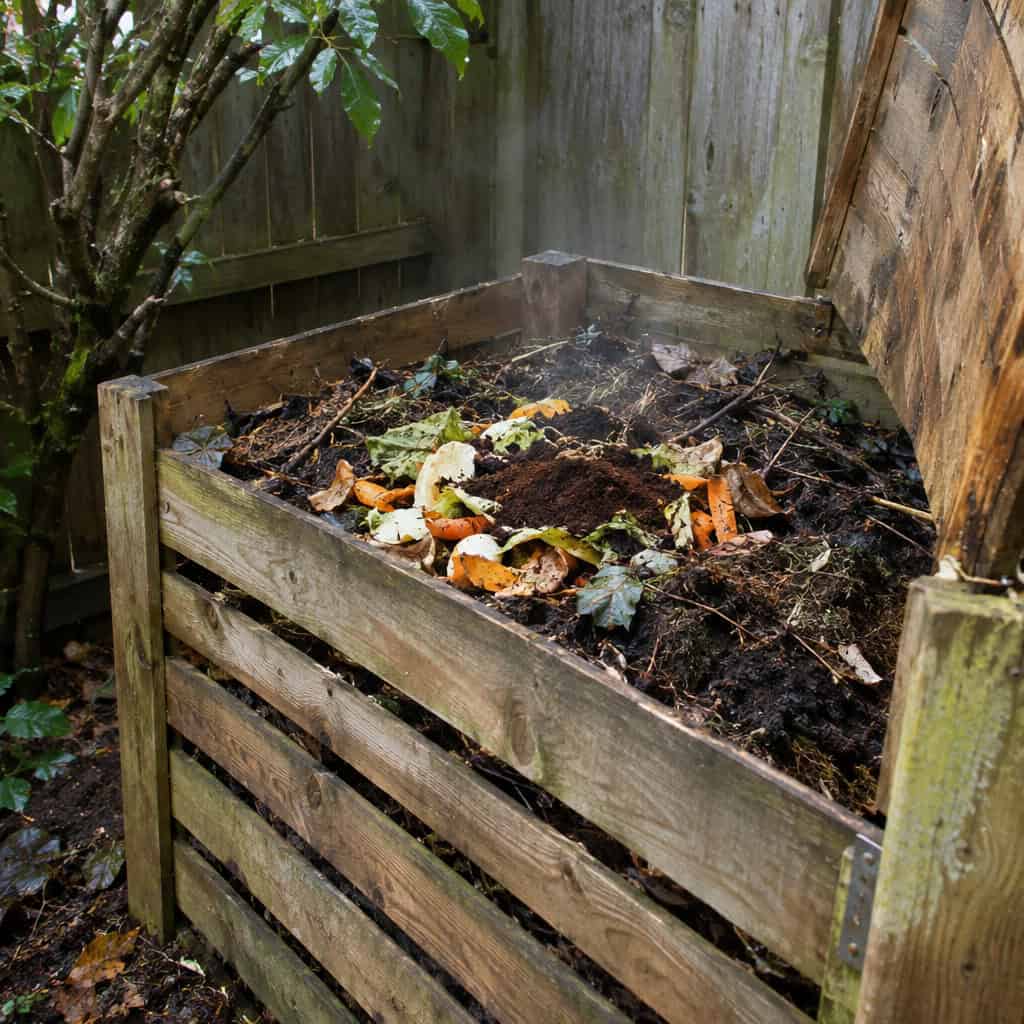
Food scraps in an open heap give rodents warmth, shelter and dinner in one location. In January, the pile’s own heat is the main attraction.
Keep an open pile to yard waste only — leaves, clippings, spent plants.
If you want to compost kitchen scraps, use a sealed tumbler raised off the ground. A good beginner composting setup still works fine; it just needs a lid that latches.
15. The Unmowed Strip Along the Back Fence
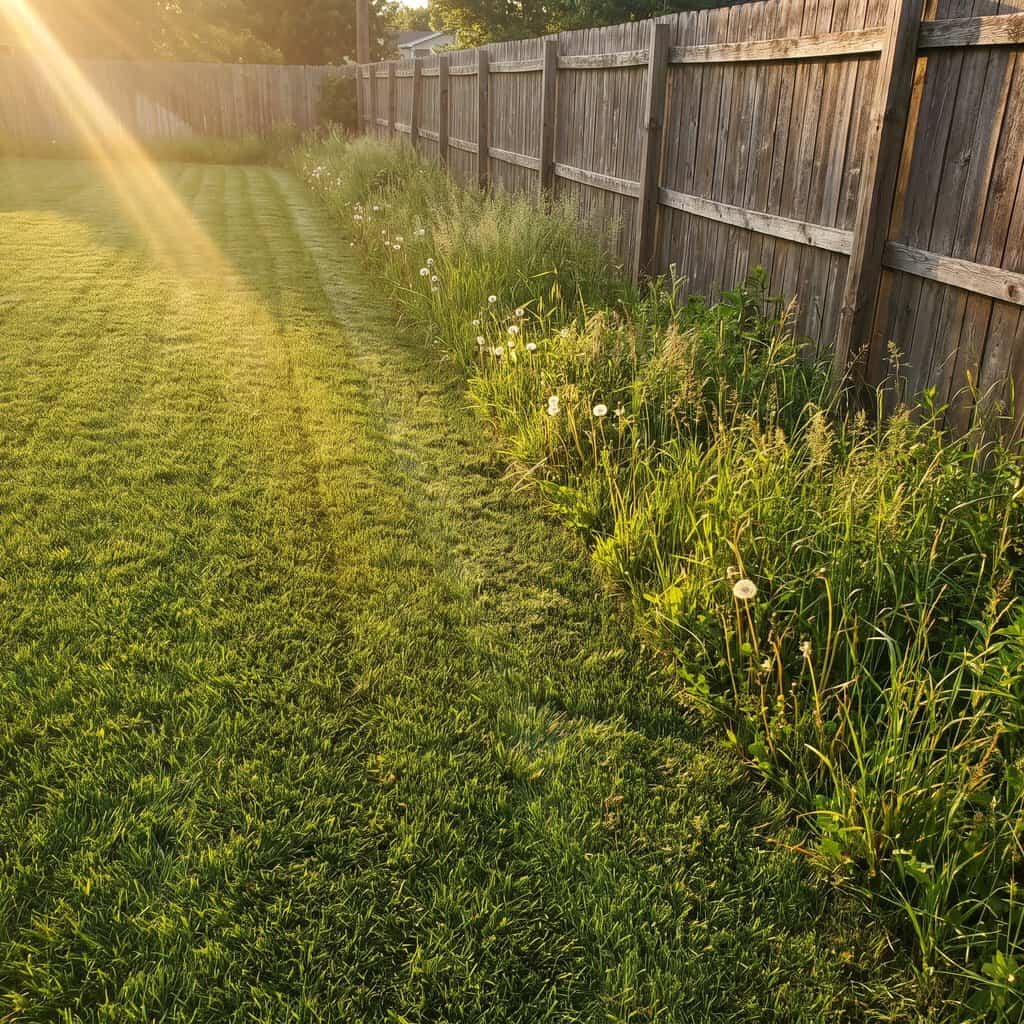
Every yard has the strip nobody gets to.
Tall grass is cover from hawks and owls, and cover is the only reason a mouse will cross open yard at all. Snakes learn those runways and hunt them.
Mow it. Trimming a two-foot strip along the fence line changes your risk more than anything sold in a spray bottle for the purpose.
16. A Tarp or Pool Cover With a Sagging Puddle
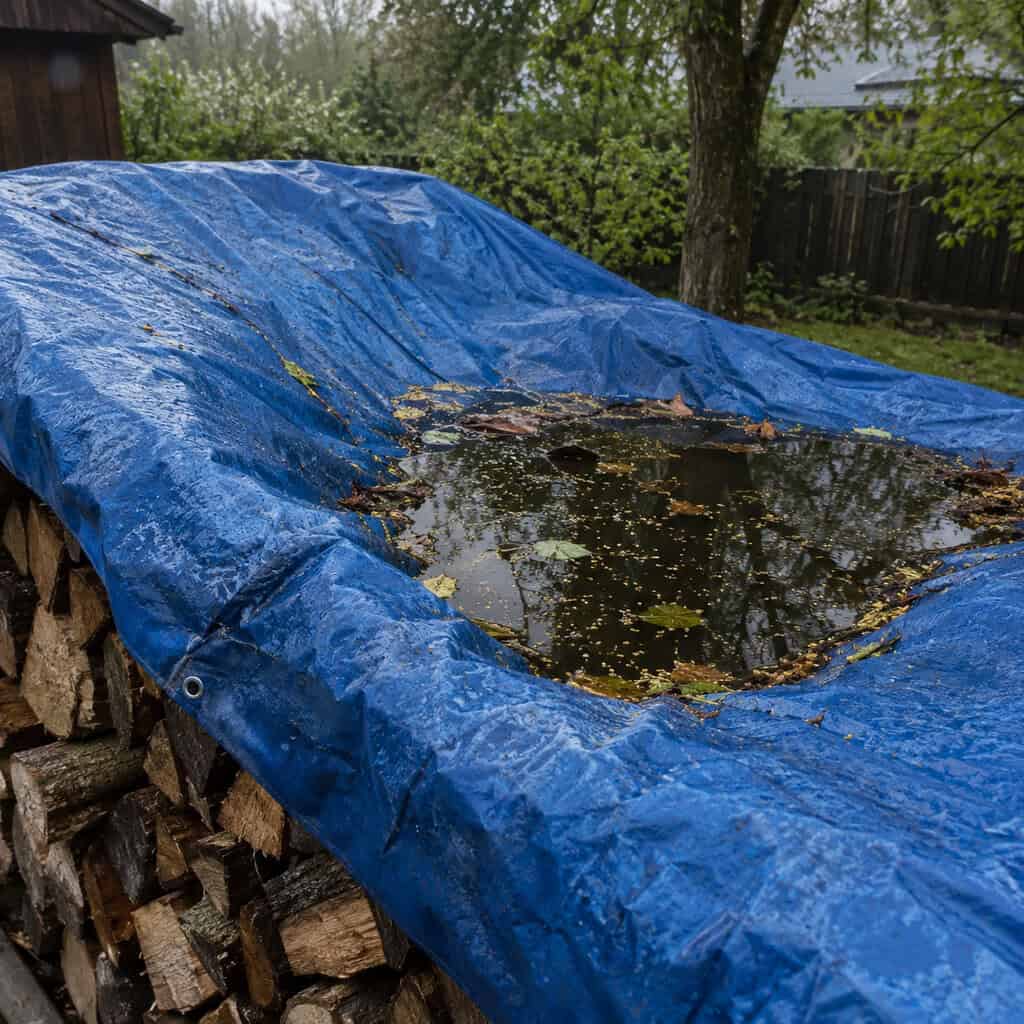
Firewood tarps, boat covers, winterized pool covers. Every sag is a shallow, warm, undisturbed pond, and mosquito surveillance crews find them over and over.
A pool cover with three inches of rainwater on it produces more mosquitoes than the pool ever would.
Pump the sag or re-tension the cover after every rain. A cover pump runs about $40 and does it automatically.
17. Fallen Fruit Under the Apple or Fig Tree

Dropped fruit ferments on the ground, and the guest list arrives in sequence: yellowjackets first, then mice and rats, then raccoons and opossums working the night shift.
By October a single unpicked apple tree can be feeding half the block’s rodent population.
Pick up daily during drop season. Unglamorous. Extremely effective.
18. Hollow Fence Posts and Uncapped Pipe Ends

Open vertical pipe fills with rain and never dries out. Chain-link posts, old clothesline poles, the cut ends of vinyl fencing.
It’s a sealed mosquito column you can’t see into and can’t dump.
Caps cost a dollar or two each. Walk the fence line once and the problem is over for good.
19. Leaf Litter Raked Into the Corners and Left There

Fall cleanup that stopped halfway is worse than no cleanup, because now the damp layer is concentrated in one spot.
Underneath, slugs, worms and beetles — a snake’s grocery store. Adult mosquitoes rest in that cool shade through the heat of the day.
Bag it or move it well away from the house. Leaving leaves for wildlife is reasonable in a back corner of the property; it isn’t reasonable against the foundation.
20. The Rain Barrel Without a Screened Lid

A rain barrel is a purpose-built 50-gallon mosquito habitat unless it’s sealed correctly.
Fine mesh — 16 to 20 openings per inch — belongs over the inlet, the overflow, and any spigot gap. People screen the top and forget the overflow, which is a wide-open door.
If yours is already active, a Bti dunk is harmless to pets and wildlife and kills larvae outright. There’s more on keeping mosquitoes out of rain barrels if you’re running several.
21. Trash and Recycling Bins Without Working Lids

A cracked lid or one propped open by an overfull bag is a nightly feeding station.
The upturned recycling lid in the side yard holds rainwater too. Two problems, one container.
Replace broken lids — most municipalities swap them free. Rinse bins a few times a season, and store them on a rack or pavers rather than directly on soil.
22. The Ornamental Pond With a Dead Pump

Moving water is fine. Fish-stocked water is fine. A pond with a failed pump becomes a breeding pool within days.
Stagnation is the trigger. Larvae need a calm surface to hang from, and even light circulation makes that impossible.
First move is the pump. Most failures are a clogged intake or a seized impeller, and pulling the housing and clearing the leaf mat fixes it more often than not. A replacement submersible for a small backyard pond runs $60 to $150.
Second move is fish. Gambusia — mosquitofish — eat well over a hundred larvae a day, and many county mosquito-control districts give them away free to residents. Goldfish and koi work nearly as well in a pond deep enough to overwinter them.
Third move is Bti, sold as mosquito dunks or bits. It’s a bacterial larvicide that targets mosquito larvae specifically and doesn’t harm fish, frogs, dogs or birds. One dunk treats roughly 100 square feet of surface for about 30 days.
If you’ve stopped enjoying the pond, drain it and fill it. A half-maintained water feature is worse than none at all.
23. The Water-Filled Hole in the Old Shade Tree
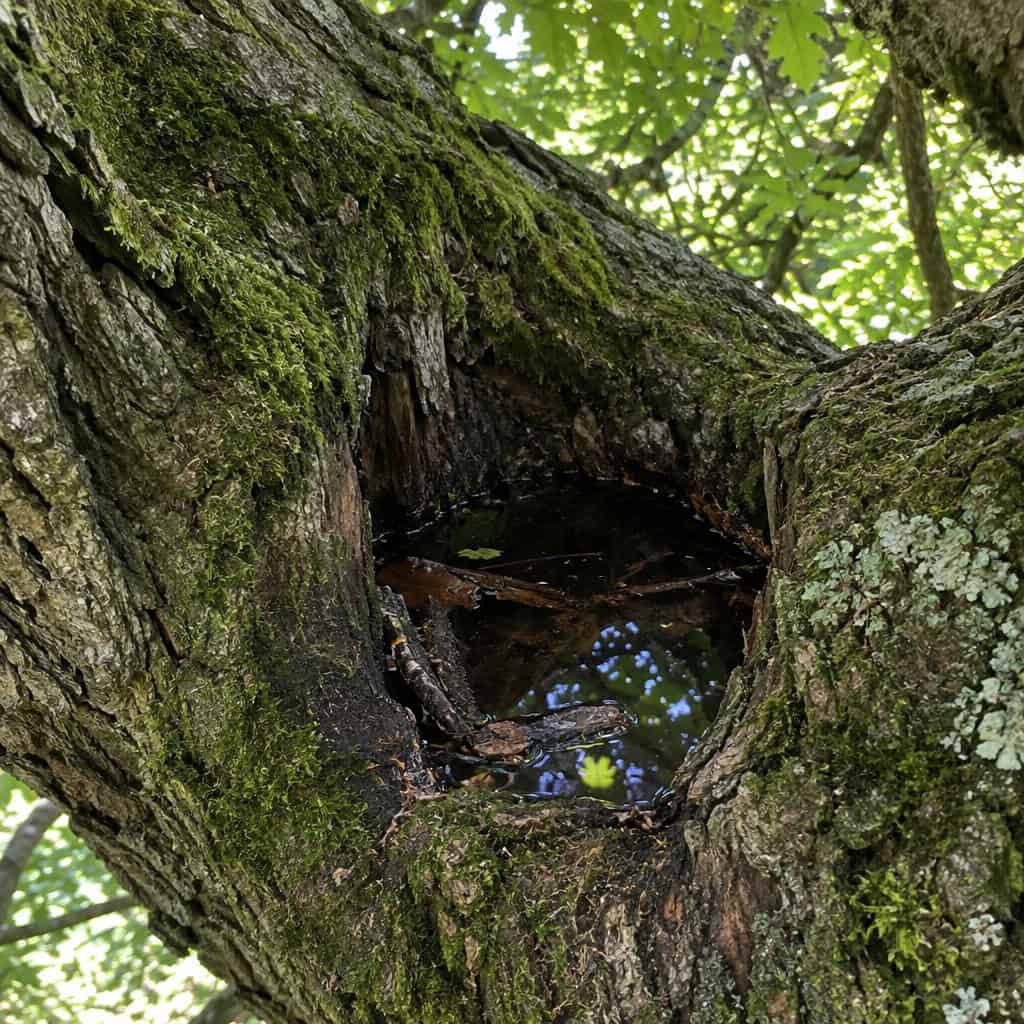
Natural tree cavities are the original container habitat — several mosquito species evolved to breed in nothing else, long before anyone invented a tire.
A hollow at a branch crotch 15 feet up holds water for weeks and is completely invisible from the ground.
Don’t fill it with concrete or foam. That traps moisture against live wood and accelerates decay.
Have an arborist assess it. Sometimes the answer is a small drainage modification; sometimes it’s pruning the limb that funnels water in.
24. The Rotting Stump and Its Root Cavity
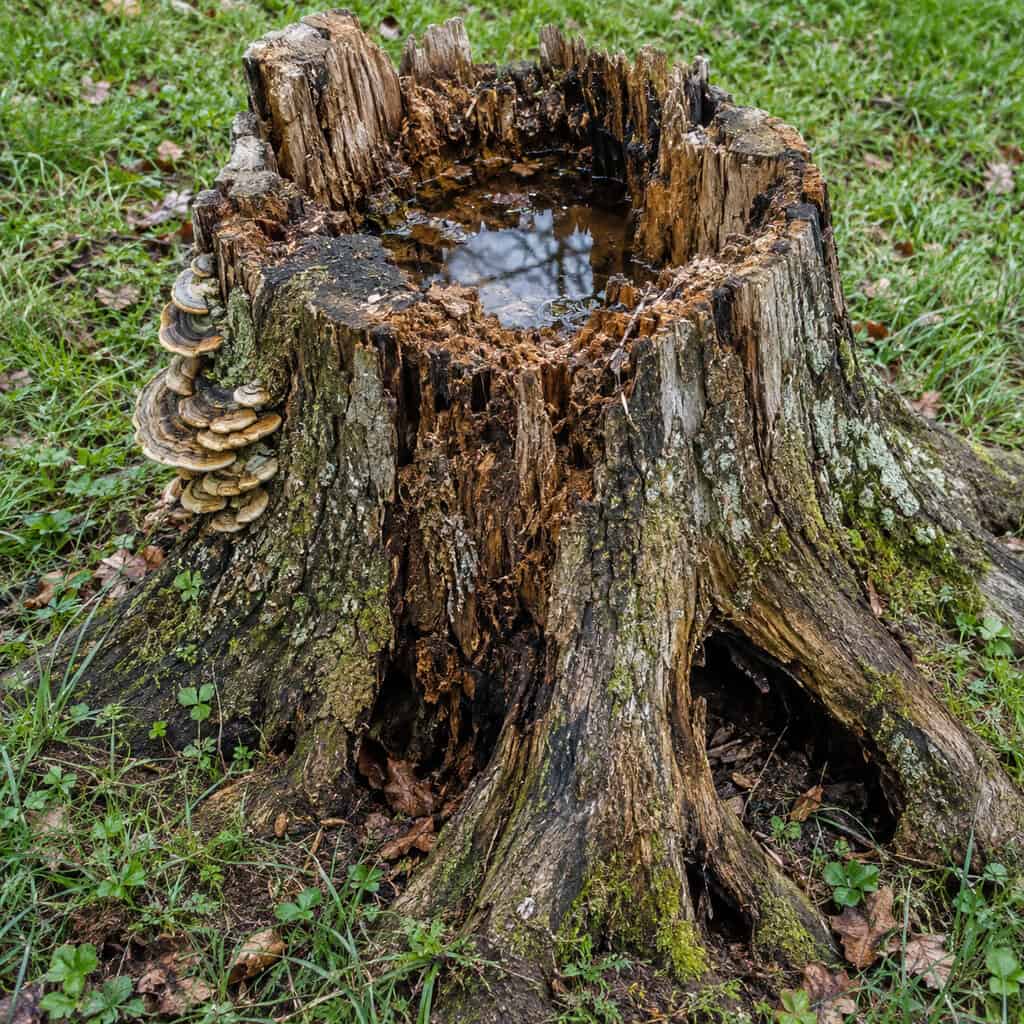
A stump left after a removal offers soft tunneling, a steady supply of insect prey, and a cool hollow center that holds water after every rain.
Mice nest in the decayed wood. Snakes den in the root voids below.
Grind it out, roots included. Partial grinding leaves the cavity intact underground, which is the part that actually matters.
25. The Dripping Hose Bib and the Hose Coiled on the Ground
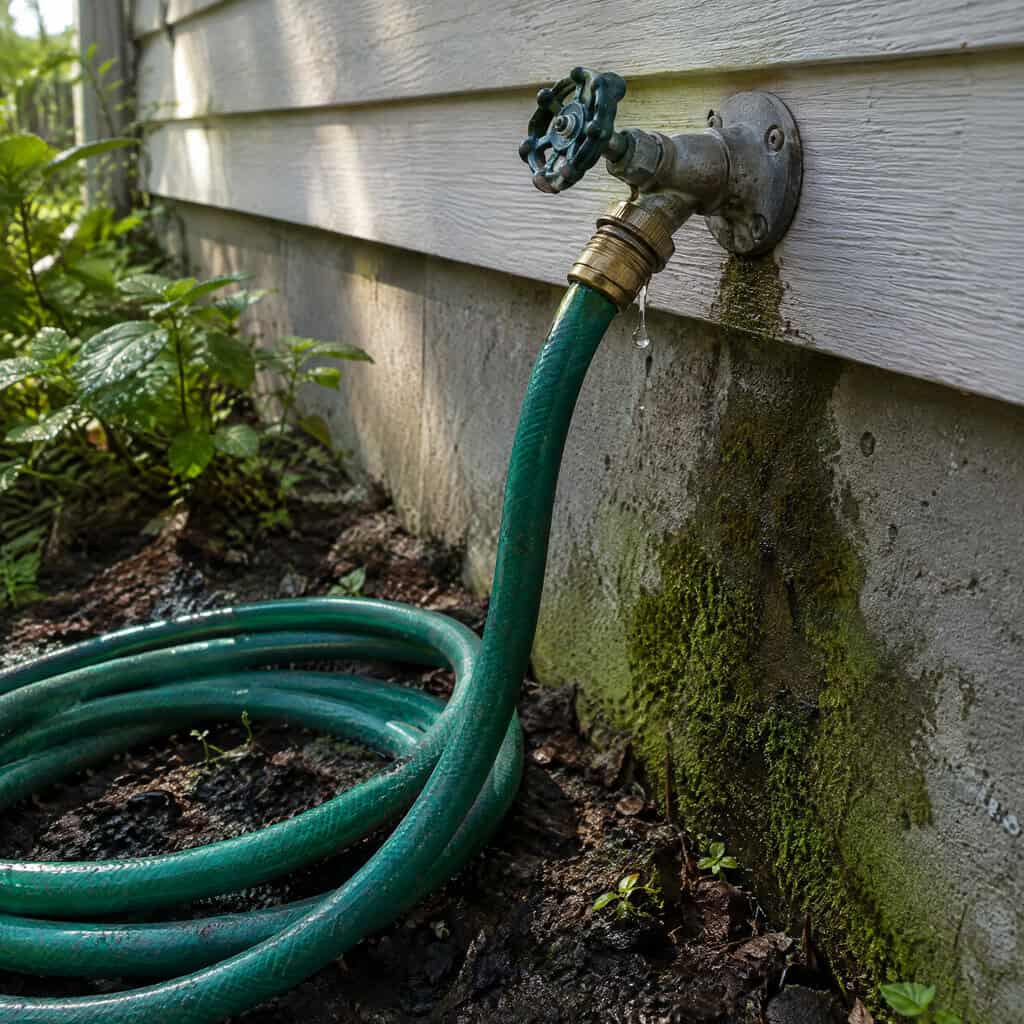
A slow leak keeps one patch of soil permanently damp. That’s drinking water for rodents and humid daytime cover for adult mosquitoes, six feet from your foundation.
A hose coiled on bare dirt does something separate — it creates a protected runway right along the wall.
Replace the hose bib washer. Hang the hose on a reel.
26. The Low Spot That Never Dries Out
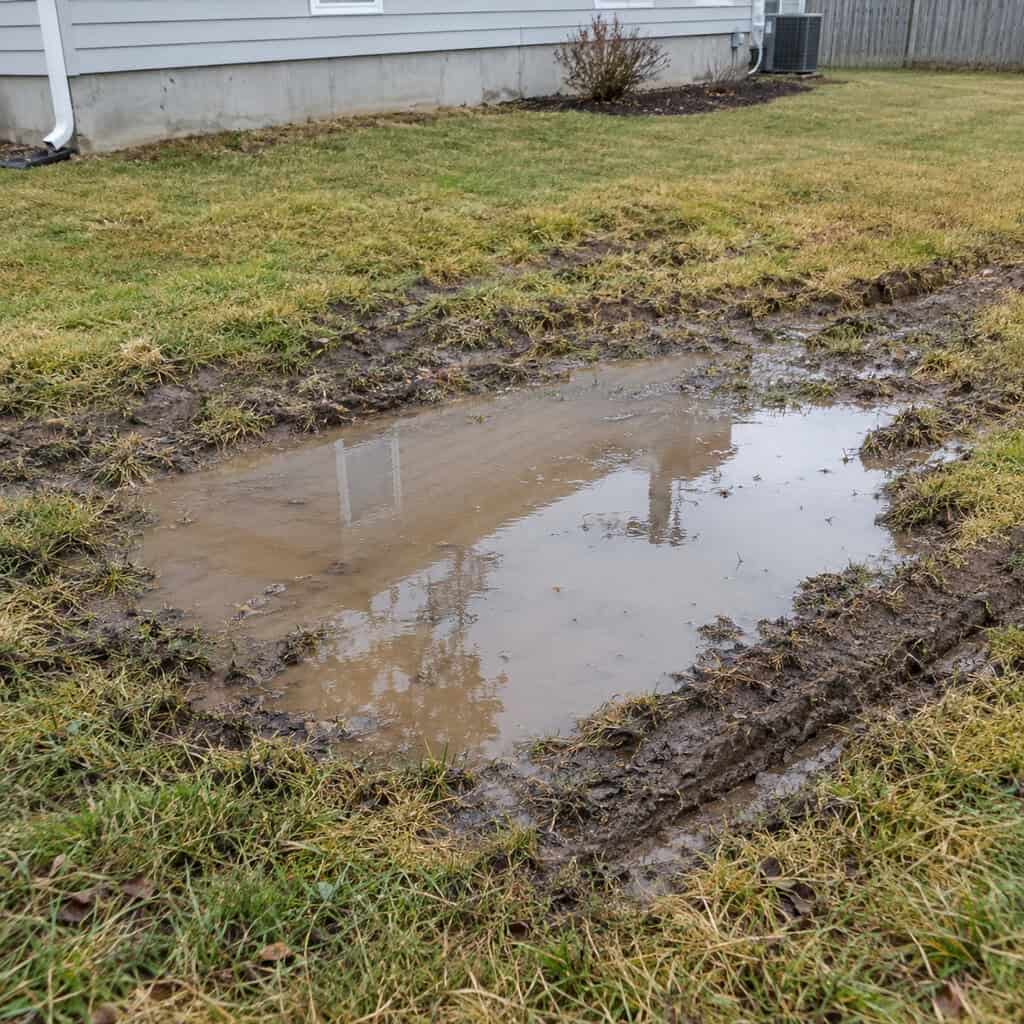
This is the expensive one.
Water that lingers more than about seven days completes a full mosquito generation. A spot that stays wet for three weeks after every storm isn’t a puddle — it’s a seasonal wetland forty feet from your living room.
The pest problem is the smaller half. A chronically soggy foundation line pushes hydrostatic pressure against your basement wall, saturates the soil that’s supposed to be supporting the footing, and sets up the freeze-thaw cycling that cracks concrete.
Start by diagnosing the cause. Wheel ruts from a delivery truck, settled fill over an old utility trench, a downspout dumping at the corner, or original grading that was never right — each has a different fix.
Soil should fall roughly six inches over the first ten feet away from the house. Walk the perimeter after a hard rain and watch where water goes. If it pools or runs toward the wall, grading is your answer and it’s often just a few yards of compacted fill.
Use clay-heavy fill against the foundation, not topsoil or sand, and compact it in layers. Loose topsoil settles within a season and you’re back where you started.
For low spots out in the yard, a French drain — perforated pipe in gravel, wrapped in filter fabric, sloped to daylight — moves water instead of hiding it. A dry well works where there’s nowhere downhill to send it.
If the problem is flooding during storms rather than permanent sogginess, the drainage fixes that stop yard flooding are the place to start before you call anyone.
In the meantime, Bti granules broadcast into standing water will stop the mosquito half while you solve the drainage half.
27. Dime-Sized Gaps and Unscreened Vents at the Foundation
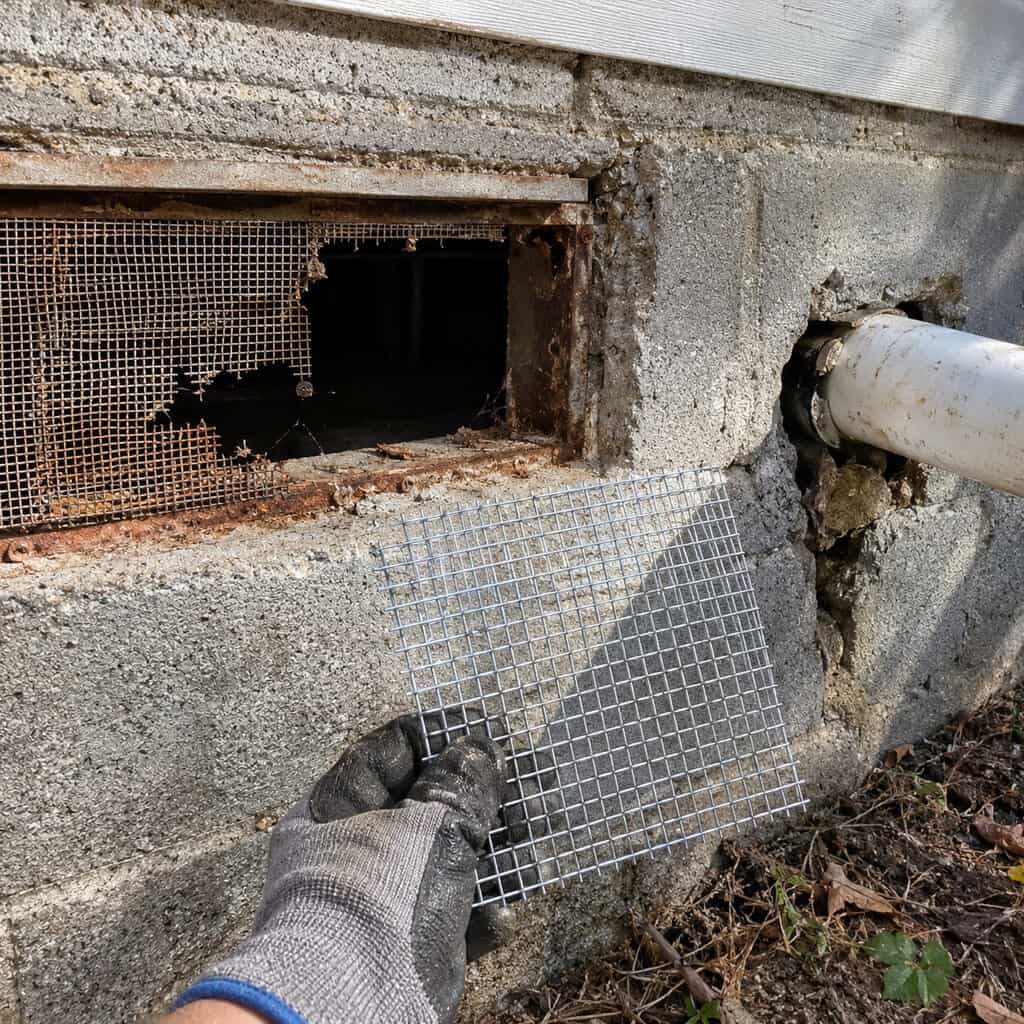
A house mouse squeezes through a quarter-inch opening — about the diameter of a pencil. A young rat needs half an inch.
Walk the foundation slowly on a bright day with a flashlight. Check where the water line enters, where the AC line set passes through, around the dryer vent, at the gas meter penetration, under the siding’s starter course, and every crawl space vent.
Crawl space vent screens are the most commonly failed component on an older house. The factory louver screen is usually thin aluminum that corrodes within fifteen years, and once it’s gone the vent is a four-by-eight-inch open door.
Back every repair with quarter-inch galvanized hardware cloth. Cut it oversize, press it into the opening, and cover it with mortar, masonry patch or expanding foam — the mesh does the work, the filler just seals air and water.
Steel wool alone is not a permanent fix. It rusts, it compresses, and determined rodents eventually work it loose. Copper mesh holds up far better if you want a fiber-type plug.
Doors matter too. A garage door seal worn thin at the corners leaves a gap you can slide a finger under, and that’s the most common rodent entry on a modern house. Replace the bottom astragal and add brush seals on the vertical jambs.
The University of Missouri Extension is clear that exclusion outperforms trapping and baiting over the long run. Traps handle the mice that are already inside. Sealing decides whether more arrive.
Here’s how the three main approaches actually compare.
| Sealing | Trapping | Habitat Cleanup | |
|---|---|---|---|
| Main target | Mice, rats | Mice, rats | All three pests |
| Effort | One weekend | Ongoing | Weekly, seasonal |
| Typical cost | $40-$150 materials | $20-$60 per season | Near zero |
| Lasts | Years | Days | Until it rains again |
| Stops snakes | Indirectly | Indirectly | Directly |
Trapping treats symptoms. The other two columns are where the actual results live.
28. The “I’ll Deal With It Later” Pile
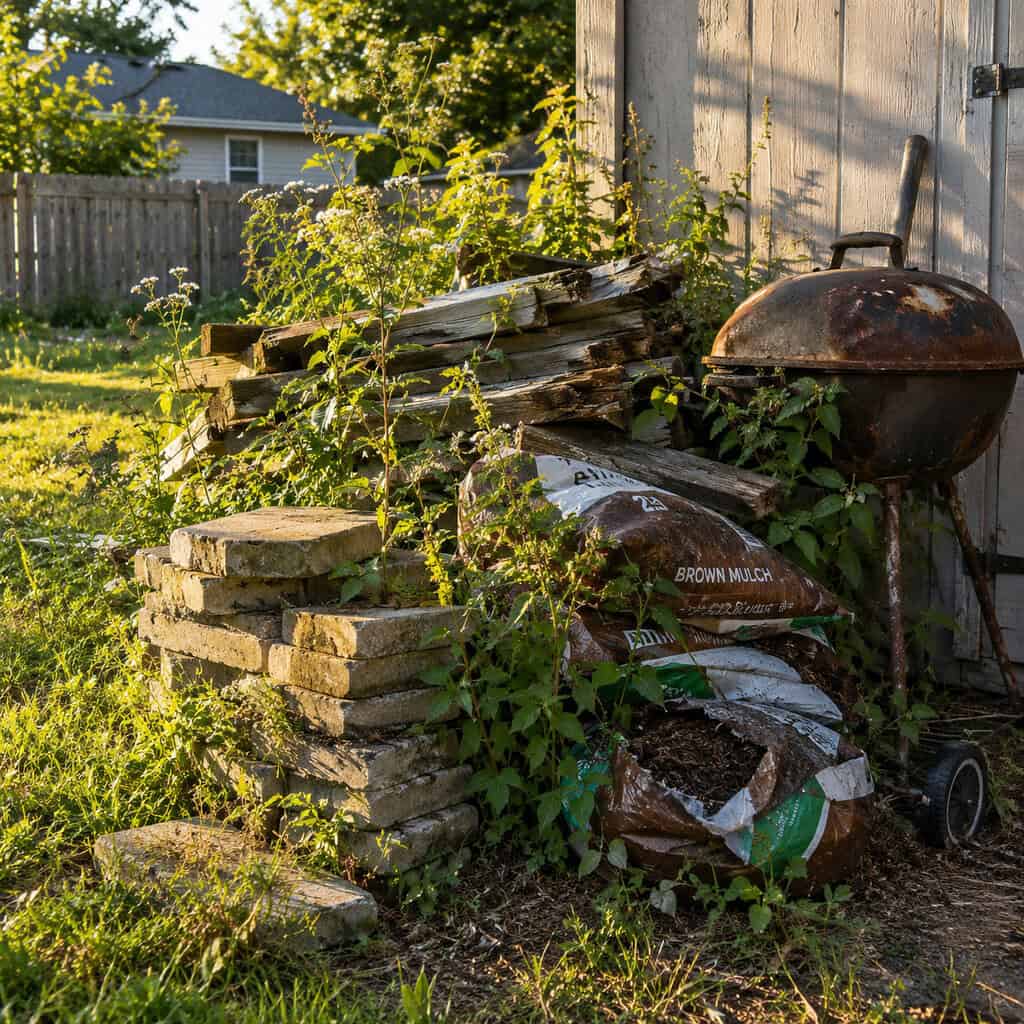
Leftover pavers. Lumber scraps. Four bags of mulch from a project two springs ago. The old grill.
Everyone has one. It’s rodent harborage, snake den and a dozen water-holding surfaces all at once.
UC Statewide IPM Program notes that long-standing piles of wood and rock are exactly what burrowing pests settle under. Time is what makes a pile dangerous, not size — a neat stack that hasn’t moved in two years is more of a problem than a messy one from last month.
Move it, even if you just move it. Relocating a pile every few months keeps anything from committing to it.
29. The Tire Swing
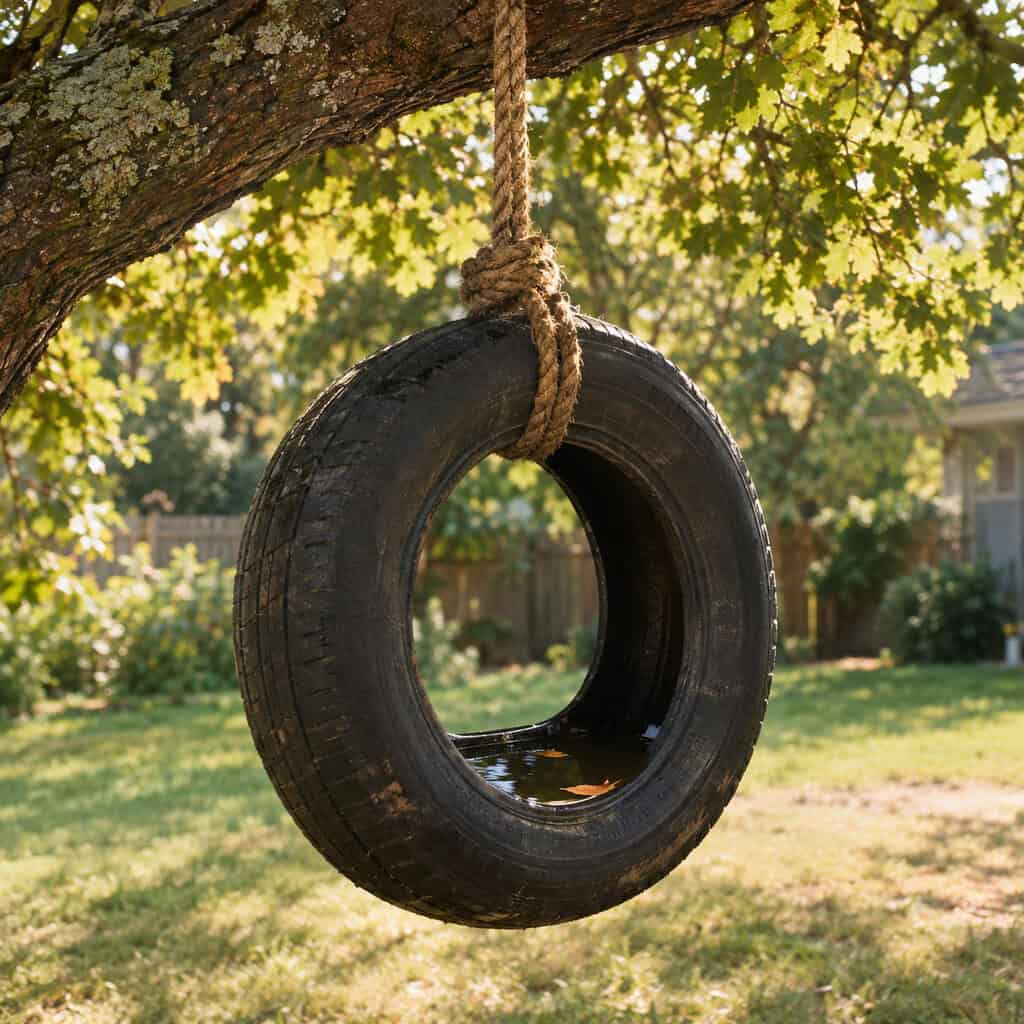
Charming, memorable, and holding about a gallon of rainwater in the bottom curve right now.
Kids play directly over an active mosquito breeding site all summer.
Drill two half-inch holes at the lowest point of the arc. Takes ninety seconds and the swing works exactly the same.
30. Bromeliads and Other Water-Holding Plants
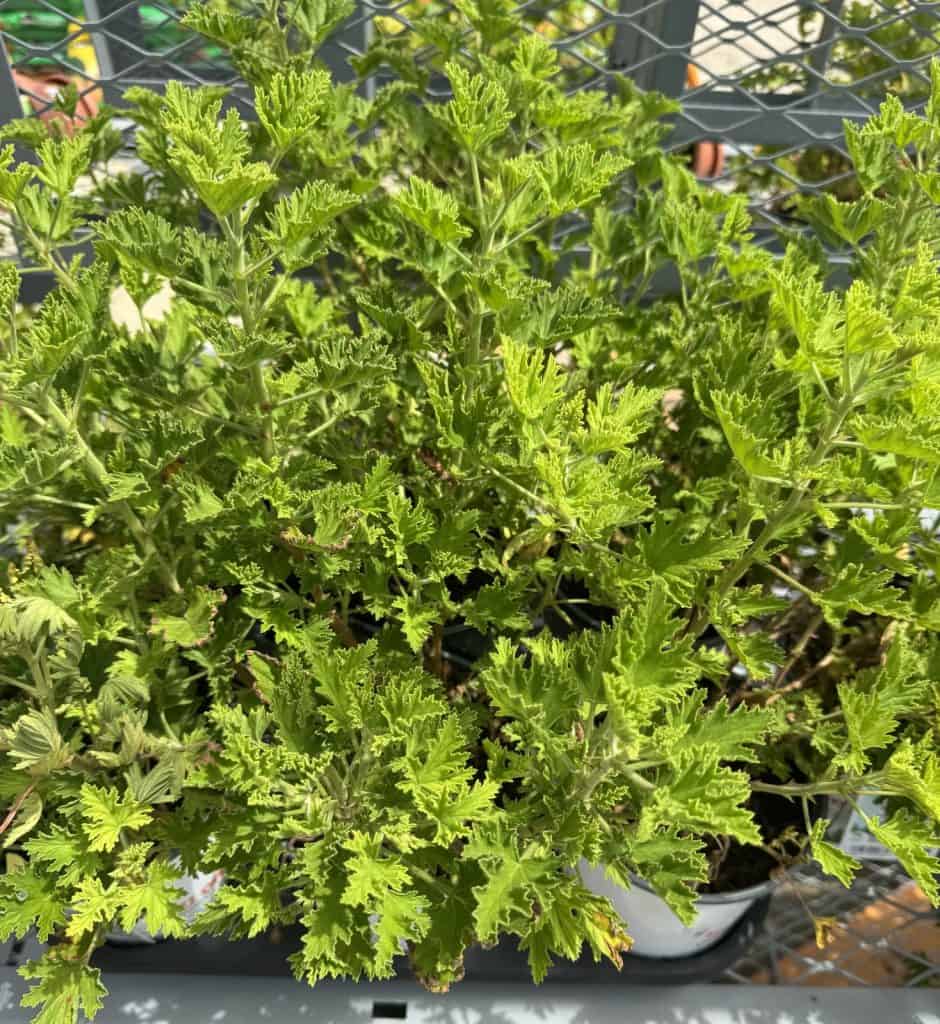
In Florida, the Gulf Coast and Southern California, the tank bromeliad is a genuine mosquito producer — the leaf axils hold water by design, and several species breed in nothing else.
Miami-Dade has run public campaigns about them specifically.
Flush each plant with a hose once a week so the water turns over. Don’t rip them out, and don’t pour bleach in them — that kills the plant.
31. The Backyard Chicken Coop and Spilled Feed

Backyard poultry exploded after 2010, and rodent populations followed the feed.
Scratch grain on the ground at dusk is the strongest rodent attractant most suburban yards have ever had. Snakes come for the mice, then discover the eggs.
Feed in the morning only, and remove what’s left before dark. Store feed in galvanized cans, and run quarter-inch hardware cloth — not chicken wire — along the coop base and buried in an L-footer.
Chicken wire keeps chickens in. It stops nothing from getting in.
Most of this list is maintenance you already knew about, pointed at a consequence you didn’t. The gutter isn’t just a gutter. The woodpile isn’t just a woodpile.
Walk your property this weekend with one question in mind: where would I live if I were a mouse?
Then go fix the three worst answers.