

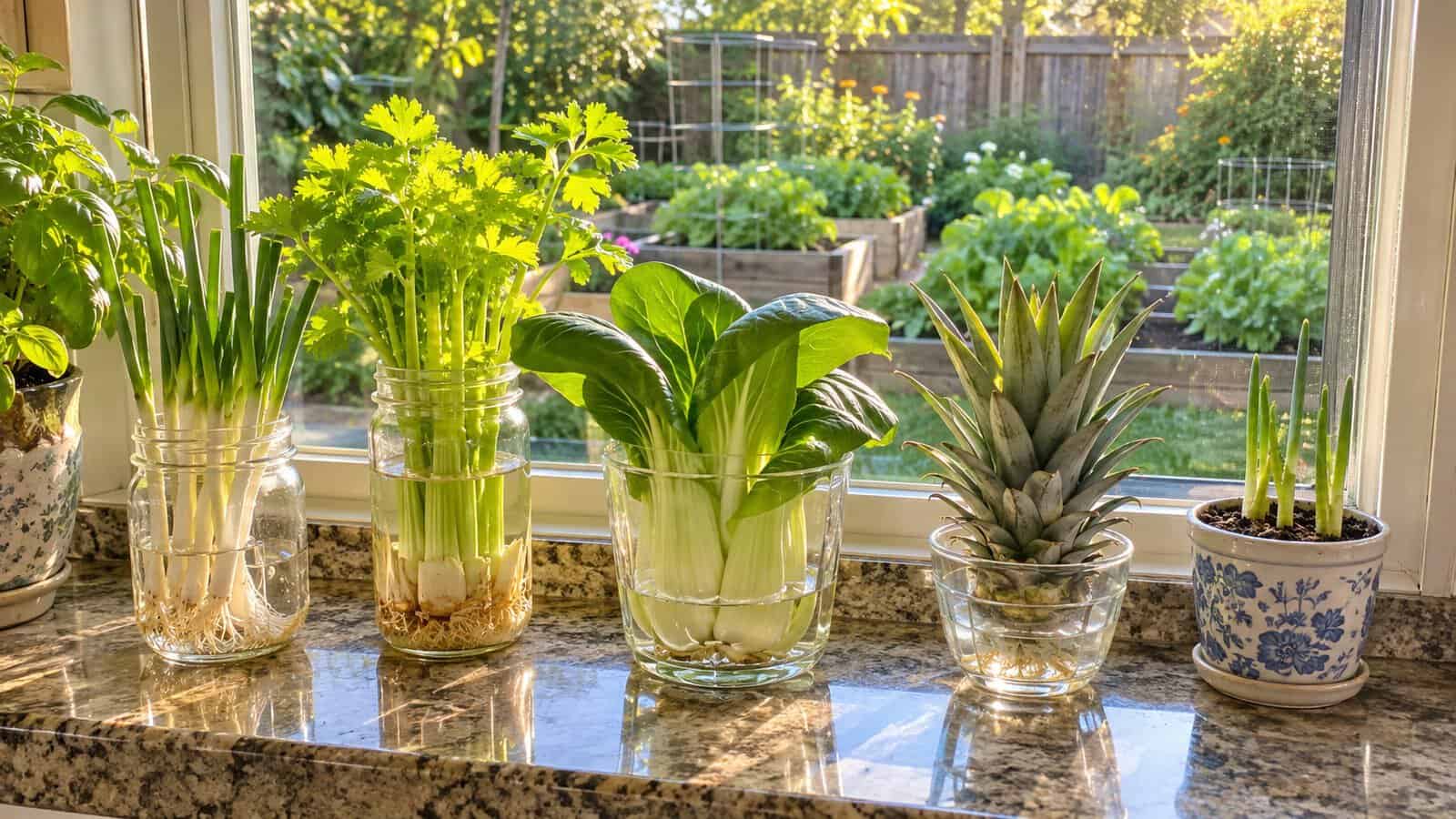
Some kitchen scraps will give you a second harvest by next weekend. Others take a full season, and a few are really houseplants that happen to start in the fruit bowl.
Knowing which is which saves a lot of slimy jars on the windowsill. The 23 scraps below cover quick greens from a glass of water, crops that need a pot or garden bed, and long projects worth doing for the fun of it.
Two rules apply to almost all of them. Change standing water every day or two, and move anything with roots into soil once it looks settled, because water alone runs short on nutrients fast.
Organic produce tends to work better, since some conventional potatoes, sweet potatoes, and ginger are treated to slow sprouting in storage.
1. Pineapple Top

Twist the leafy crown off a ripe pineapple rather than cutting it, then peel away the lowest leaves to expose about an inch of stem. Let it sit on the counter for two or three days so the base dries and firms up.
Plant it in a 6-inch pot of loose, sandy potting mix, or stand the stem in a jar of water until short roots appear in two to three weeks. Bright light matters more than anything else.
Outdoors it is hardy only in zones 11 and 12, so most growers keep it as a houseplant and bring it inside below 50°F. Fruit can take two years or longer, if it comes at all.
2. Leek Root Ends

After slicing leeks for soup, save the bottom 2 inches with the roots still attached. Stand the pieces upright in a short glass with water reaching about halfway up the white section.
Fresh green growth pushes up from the center in about a week. The new leaves are thinner and milder than the original, closer to a chive than a full leek, which makes them handy for eggs, potatoes, and broth.
For a longer run, plant the rooted ends in a pot or bed 6 inches apart with the white part buried. Leeks tolerate light frost, so spring and fall plantings both work.
3. Sweet Potato Slips
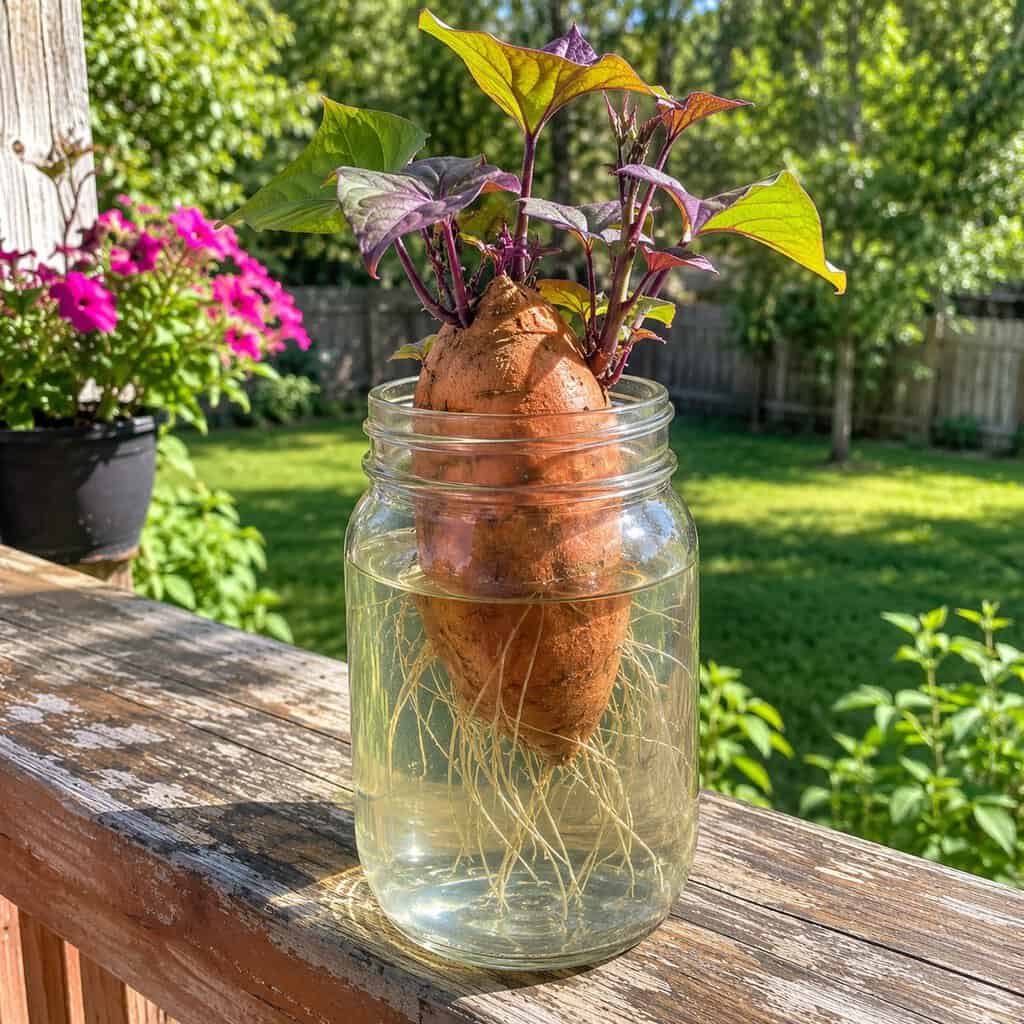
One organic sweet potato can supply a whole row of plants. Set it in a jar with the narrow root end down and the bottom third underwater, or lay it sideways in a tray of damp potting mix.
Expect four to six weeks before the leafy shoots, called slips, appear, so start in late winter. Snap each slip off once it reaches 6 inches and root it in water for about a week.
Plant slips outside three to four weeks after your last frost, when soil reaches 65°F, spacing them 12 to 18 inches apart. Tubers are ready in 90 to 120 days, usually before the first fall frost.
4. Watercress Stems

Bunched watercress from the produce aisle is one of the easiest scraps to root. Pull out a handful of the healthiest stems, pinch off any yellow leaves, and set them in a glass of cool water.
Small white roots usually show along the stems within five to seven days. Change the water daily, since watercress naturally grows in moving streams and sours quickly in still water.
Once roots are an inch long, plant the stems in a pot of rich mix set in a saucer kept full of water. Partial sun keeps the peppery leaves tender, and frequent snipping delays flowering.
5. Tomato Seeds
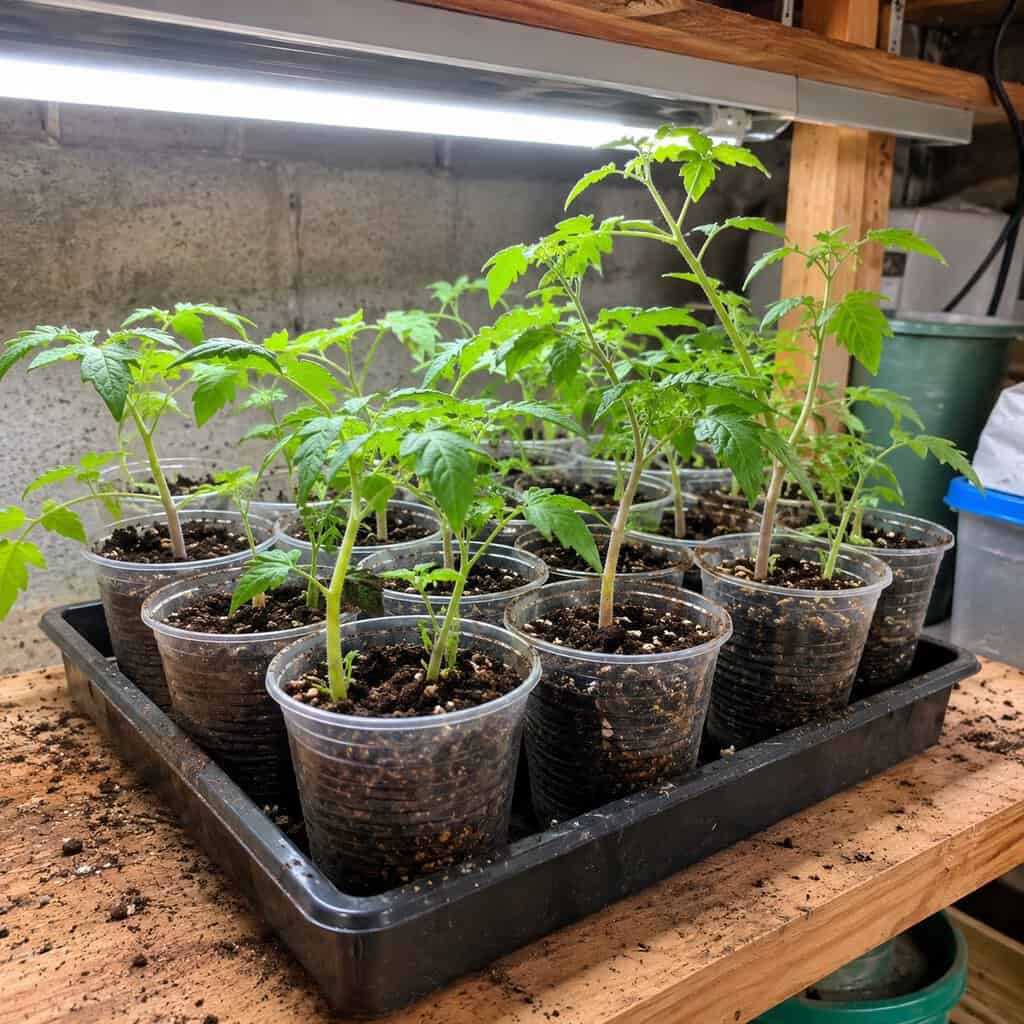
Seeds from a ripe heirloom or farmers market tomato are the best bet. Supermarket tomatoes are usually hybrids, and their offspring can come out smaller, oddly shaped, or less flavorful.
Squeeze the seeds and gel into a cup with a little water and leave it for two or three days. This light fermentation strips the gel coating that slows germination. Rinse, dry on a plate, and store in a paper envelope.
Sow a quarter inch deep indoors six to eight weeks before your last frost. Move seedlings outdoors once nights stay above 50°F, in a spot with at least 8 hours of sun.
6. Bok Choy Base

Full-size and baby bok choy both regrow quickly from the core. Slice the leaves off about 2 inches up and set the base, cut side up, in a saucer with a half inch of water.
Pale new leaves unfold from the middle within a few days, and short roots follow by the end of the first week. That is the moment to move it into a pot of moist soil, before the base starts to soften.
Bok choy is a cool-season green that bolts fast in hot weather. Regrow it in spring, fall, or a bright indoor window, and pick the outer leaves at 4 to 6 inches.
7. Lemongrass Stalks

Look for stalks at an Asian grocery or farmers market that still have a firm, bulb-like base. Trim the tops to about 5 inches and stand them in a few inches of water on a bright sill.
Roots can take anywhere from one to three weeks. Plant once they reach an inch, and use a pot at least 12 inches wide, since a single stalk multiplies into a dense clump.
Lemongrass is perennial in zones 9 through 11 and can reach 3 to 4 feet in a hot summer. In colder areas, cut it back in fall and bring the pot indoors before temperatures drop below 40°F.
8. Avocado Pit

Rinse the pit clean and push three toothpicks into its sides at a slight downward angle. Rest it on a glass with the broad end submerged and the pointed end up.
Roots and a split in the pit can take two to eight weeks, so keep the water topped off and refreshed weekly. When the stem reaches about 12 inches, cut it back by half to encourage branching, then pot it in fast-draining mix.
Treat it as a leafy houseplant. Seed-grown avocados can take 5 to 13 years to fruit, rarely match the parent, and survive outdoors only in zones 9 through 11.
9. Mint Stems
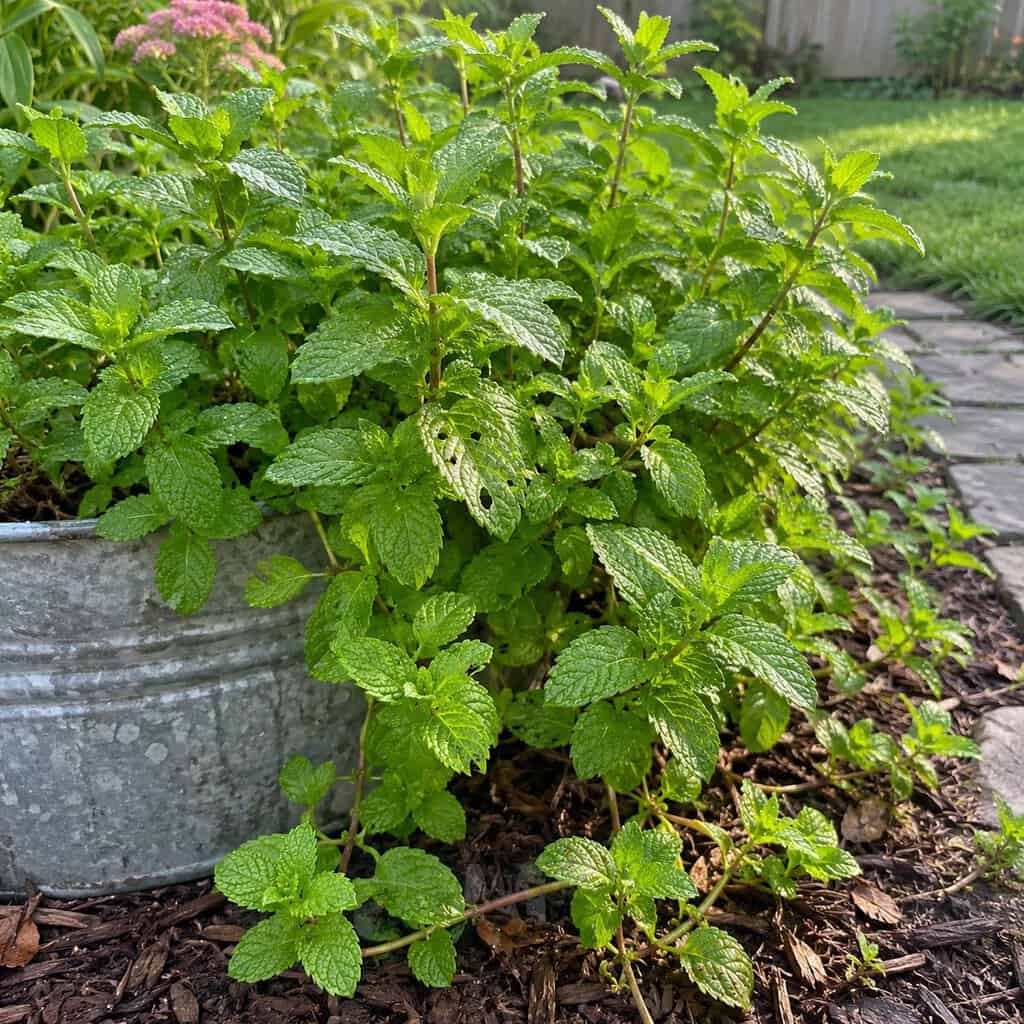
Leftover mint from a recipe or a pitcher of iced tea roots faster than almost any other herb. Cut 5-inch stems just below a leaf joint, remove the bottom leaves, and drop them in water.
Roots typically appear within a week. Pot several cuttings together in a 10-inch container for a full plant by midsummer.
Keep it out of open garden beds. Mint spreads underground by runners and is hardy in roughly zones 3 through 9, so it returns every spring wherever it lands. A container sunk in the ground with 2 inches of rim showing helps hold it in place.
10. Garlic Cloves
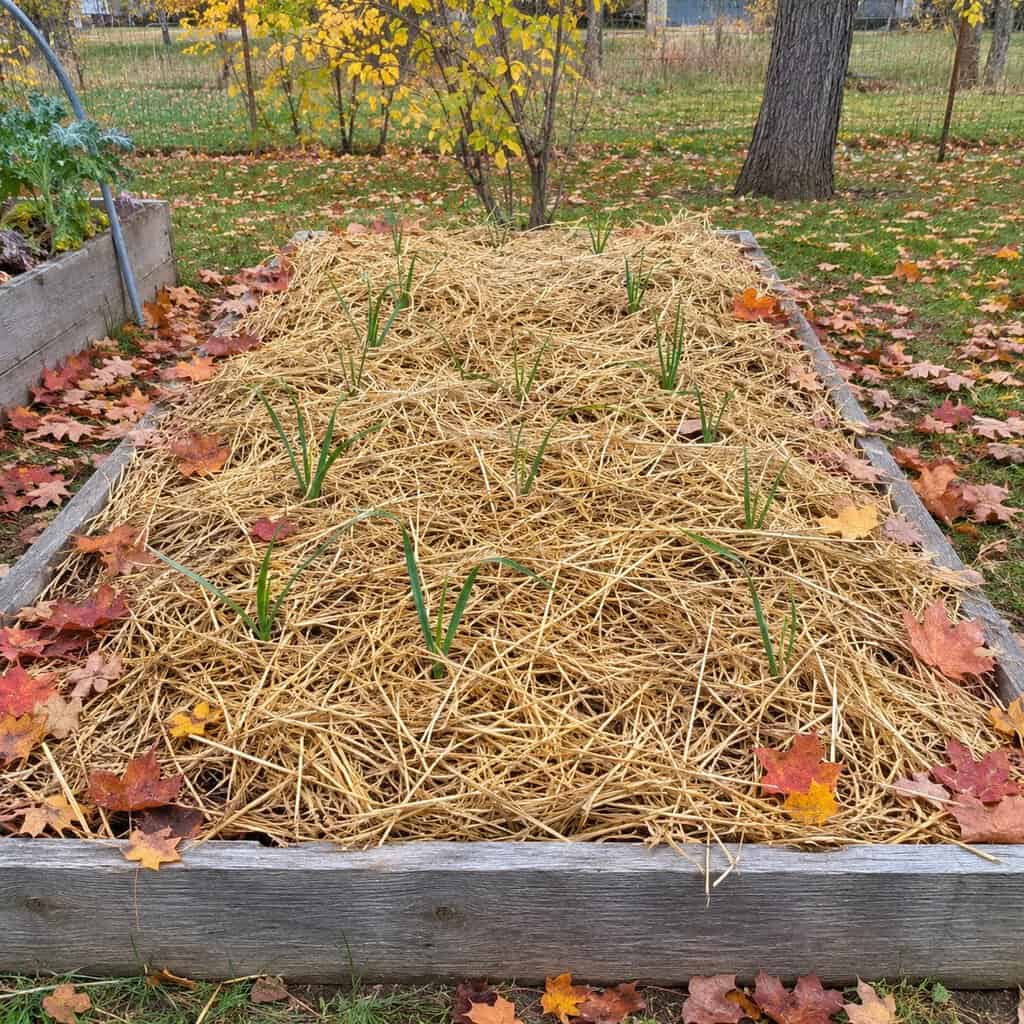
Garlic is a fall project. Break a firm head into cloves, leave the papery skins on, and plant the largest ones 2 inches deep and 6 inches apart, tip up, four to six weeks before the ground freezes.
Most supermarket garlic is a softneck type grown in California, which does best in mild winters. In zones 3 through 6, a hardneck head from a farmers market usually performs better.
Cover the bed with 4 inches of shredded leaves or straw. Harvest the following summer once the lower third of the leaves turn brown, then cure the bulbs in a dry, shady spot for two weeks.
11. Romaine Lettuce Base

Romaine regrowth is modest, so it helps to know what to expect. A 2-inch base set in a half inch of water will sprout a small rosette of leaves in about a week, enough for a sandwich or two.
Leaves grown only in water tend to turn bitter and stretch toward the light. Planting the base in moist potting mix after the first roots appear gives sturdier, better-tasting growth.
Lettuce prefers temperatures between 45 and 75°F. A north or east window in spring or fall works well, and picking outer leaves keeps the plant going a little longer.
12. Dried Beans
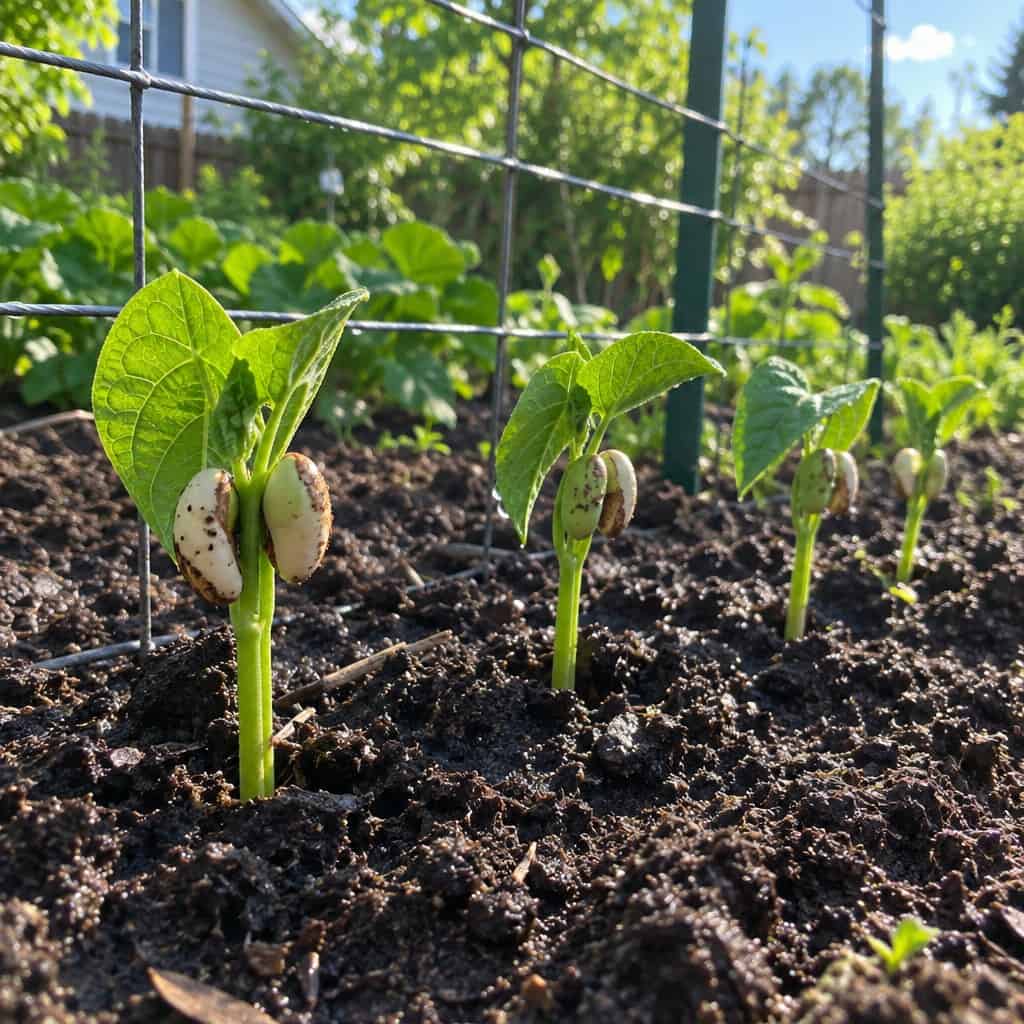
A bag of pinto, black, or kidney beans from the pantry holds hundreds of usable seeds, as long as the beans are less than a couple of years old.
Test a few first. Wrap ten beans in a damp paper towel inside a plastic bag, and if six or more sprout within a week, the bag is worth planting.
Sow beans 1 inch deep and 3 inches apart after the last frost, once soil reaches 60°F. Some plants will stay compact while others may vine, so a short trellis nearby helps. Leave pods on until dry and rattling, roughly 90 to 100 days, for a fresh pantry supply.
13. Pepper Seeds

Save seeds from a fully ripe red, yellow, or orange pepper. Green bell peppers are picked before the seeds mature, and their seeds often fail to sprout.
Dry the seeds on a plate for a week, then sow them a quarter inch deep eight to ten weeks before your last frost. Peppers want soil at 75 to 85°F, and a heat mat under the tray can cut germination time from three weeks to about one.
Store bell peppers are often hybrids, so results vary. Jalapenos and other hot peppers from a market stall tend to come closer to the original.
14. Turmeric
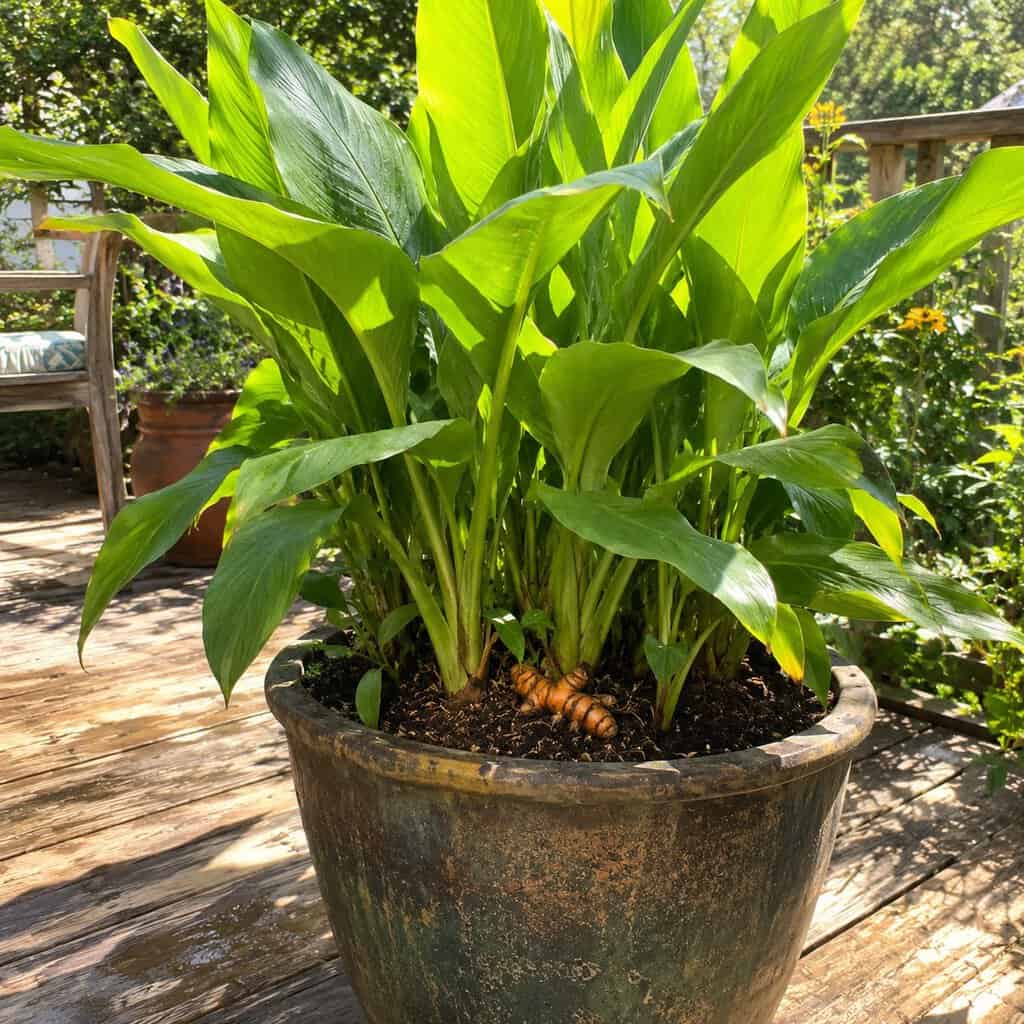
Fresh turmeric, sold near the ginger in many supermarkets, sprouts reliably if you choose plump pieces with small pinkish or yellow buds. Pass over any that look shriveled or soft.
Start them in late winter, laying the pieces flat 2 inches deep in a wide pot. Turmeric stays dormant until soil warms to around 70°F, so a heat mat or a warm spot indoors helps.
The plant reaches about 3 feet with broad, banana-like leaves and needs eight to ten months to fill out. When the foliage yellows in fall, tip out the pot, break off the orange rhizomes, and save a few for next year.
15. Green Onion Roots

Scallions give the fastest return of any scrap here. Keep the white ends with about an inch of stem, stand them in a narrow glass, and keep the roots just covered.
New green tubes stretch an inch or more within three days. Snip what you need, leaving at least an inch of green so the plant can recover.
After three or four cuttings in water, the flavor weakens and the stems thin out. Moving the bunch into a pot of soil or a sunny garden spot keeps it productive for months, and in mild zones the clump often survives winter.
16. Shallots
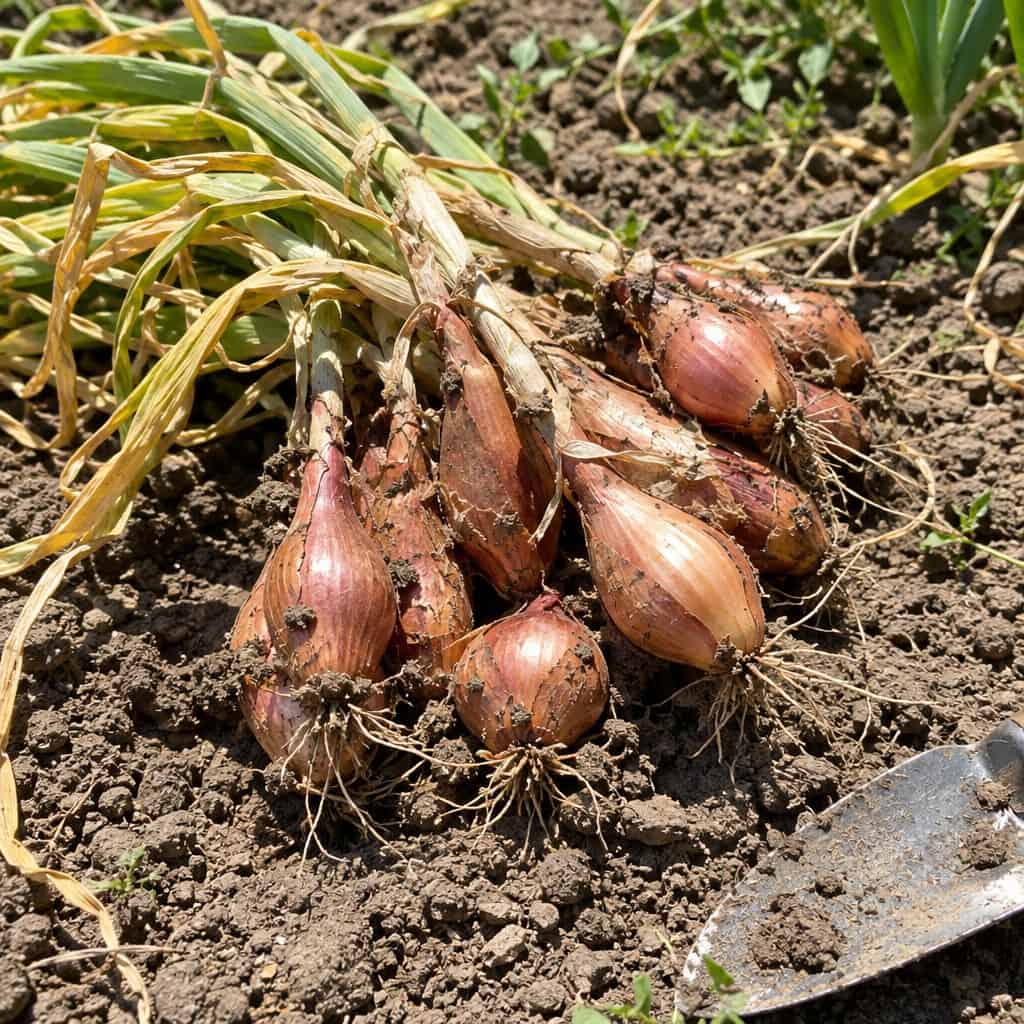
A single grocery shallot planted whole can divide into a cluster of four to eight new bulbs by summer. Choose firm bulbs with dry, papery skins and no soft spots.
Plant each one so the pointed tip sits just at the soil surface, 6 to 8 inches apart in full sun. In zones 7 and warmer, fall planting gives the biggest clusters. Elsewhere, plant as soon as the ground can be worked in early spring.
Harvest when the tops yellow and fall over, usually in midsummer. Dry the clusters for two weeks, and they will keep in a cool pantry for several months.
17. Basil Stems

Grocery basil sold with stems intact roots easily, as long as it has not been chilled to the point of blackened leaves. Take 4- to 6-inch tips, cutting just below a pair of leaves.
Strip the lower leaves and keep the stems in a glass away from cold drafts. Roots form in one to two weeks, and the cuttings can go into potting mix once roots reach about an inch.
Basil is a warm-weather annual that stalls below 50°F. Pinch off the top set of leaves every week or two, and the plant will branch out instead of flowering.
18. Beet Tops
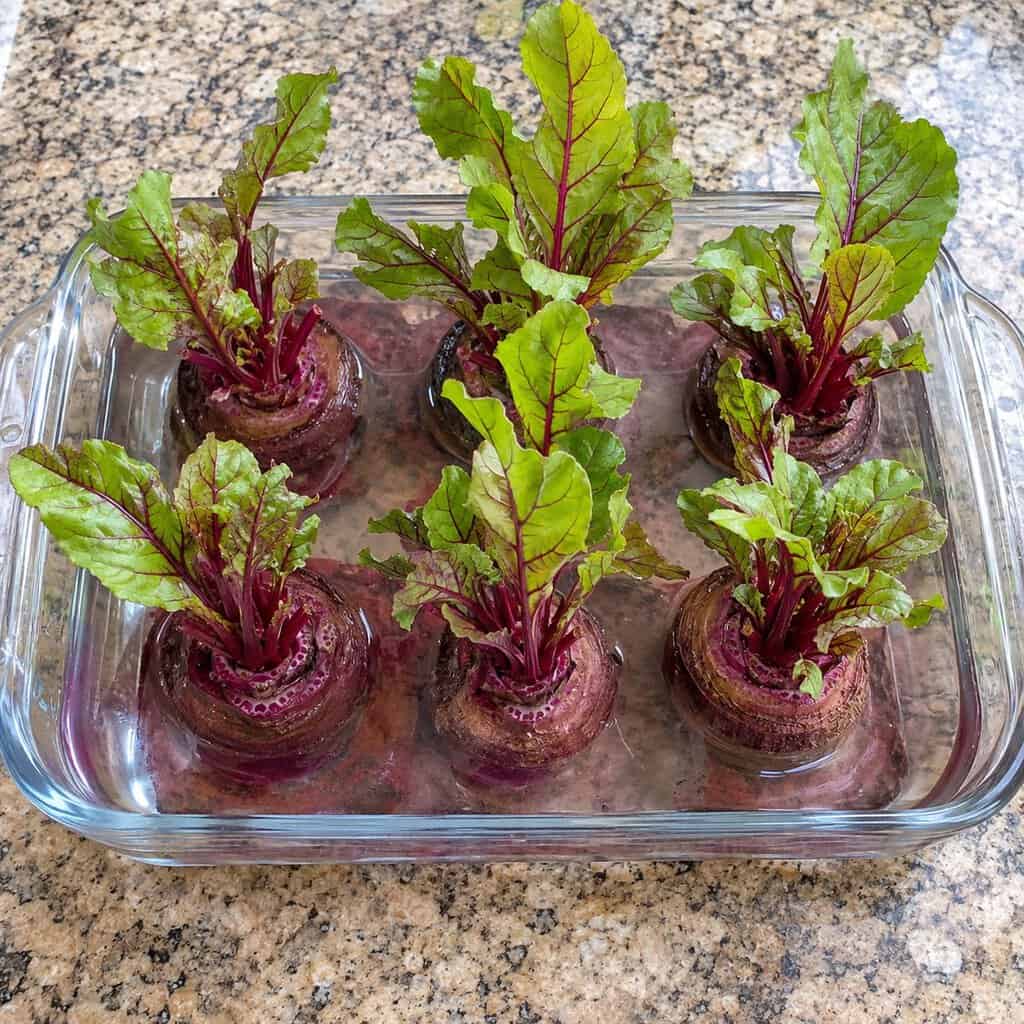
Beet greens are the payoff here, not a new beet. Slice off the top inch of the root, keeping any stubs of stem, and set it in a shallow dish with water covering the bottom half.
Small leaves with red veins emerge within four to five days. Once they reach 3 or 4 inches, cut them for salads or a quick sauté, the same way you would use chard.
Several tops lined up in a baking dish give two or three rounds of cutting before the root pieces wear out. Swap the water every other day to prevent rot.
19. Sprouting Potatoes

A potato that has started sprouting in the pantry is ready to plant. Organic potatoes are the better choice, since many conventional ones are treated to delay sprouting.
Cut large potatoes into egg-sized chunks with at least two eyes each and let them cure for a day or two. Plant 4 inches deep and 12 inches apart, two to three weeks before your last frost date.
As stems grow, pile soil or straw around them, leaving the top few leaves exposed. Small new potatoes are ready around 60 days, and full-size ones at 90 to 120. A 10-gallon grow bag works well on a patio.
20. Lemon Seeds

Lemon seeds sprout best fresh, before they dry out. Rinse off the pulp and, for faster results, peel away the thin outer coat with a fingernail.
Plant them a half inch deep in a small pot of moist potting mix, cover the pot loosely with a plastic bag, and keep it warm. Seedlings usually appear in two to four weeks.
The result is a glossy, fragrant houseplant for a sunny window. Fruit from a seed-grown lemon may take five years or more, and trees survive outdoors only in zones 9 through 11, so bring pots inside before the first frost.
21. Celery Base

The root end of a celery bunch has enough stored energy to start over. Cut straight across about 2 inches up and set the base in a bowl with a half inch of water.
Yellow-green leaves curl up from the center in about a week, while the outer ribs soften and brown. Peel away the mushy outer pieces before they spoil the water.
Celery is a heavy drinker, so once roots show, plant the base in rich soil that never dries out. The new stalks stay thin and leafy, closer to cutting celery than a supermarket bunch, and they are excellent for stock.
22. Winter Squash and Pumpkin Seeds
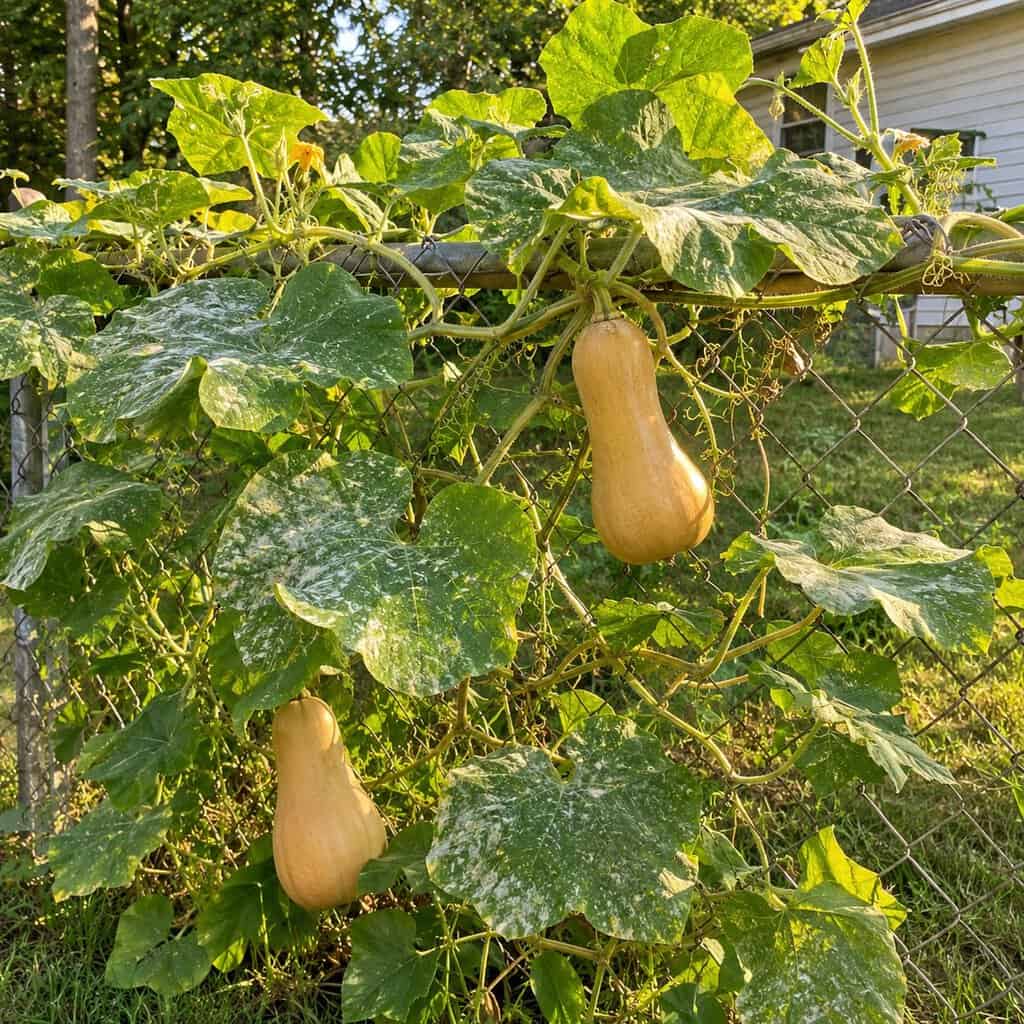
Seeds from butternut, acorn, spaghetti squash, and pumpkins are fully mature by the time the fruit is sold, so they sprout well. Skip zucchini and yellow squash, which are picked young and hold unripe seeds.
Rinse off the strings, dry the seeds on a screen or plate for one to two weeks, and keep them in a paper envelope over winter.
Sow 1 inch deep in late spring once soil reaches 70°F. Give each plant a 4-by-6-foot patch or a sturdy fence to climb. Squash cross easily in the field, so the new fruit may not match the one you saved.
23. Ginger

Choose a plump, smooth piece of ginger with visible yellowish buds at the tips of the fingers. Soak it overnight in warm water to rinse off any growth retardant used in storage.
Set it horizontally an inch deep in a wide, shallow pot, buds facing up, and keep it at 75 to 85°F. Shoots can take three to eight weeks, so steady warmth and light watering matter most.
Grow it in bright, indirect light through summer. Small pieces can be snapped from the edge after four months, while a full harvest comes at eight to ten. Ginger stays outdoors year-round only in zones 9 through 11.
Where to Start This Week
For quick results, begin with green onions, bok choy, and watercress, which show new growth within days. Ginger, sweet potato slips, and garlic reward a little planning around the calendar.
Keep a small tray by the sink for scraps in progress, and note planting dates for anything headed outdoors. A few weeks of fresh water and a sunny window usually show which ones are worth repeating.