

Privacy is one of those things you don’t think about until you really need it.
A new neighbor moves in, a treeline comes down, a deck goes up next door — and suddenly the backyard you used to love feels exposed. The instinct is to find something fast. Something that fills in before next summer.
That instinct is where most privacy plantings go wrong. The shrubs marketed as “fast-growing” often come with hidden costs — disease, invasiveness, neighbor lawsuits, or simply growing far bigger than anyone expected.
These are the privacy shrubs people plant for a quick fix, then quietly regret for years.
1. Leyland Cypress
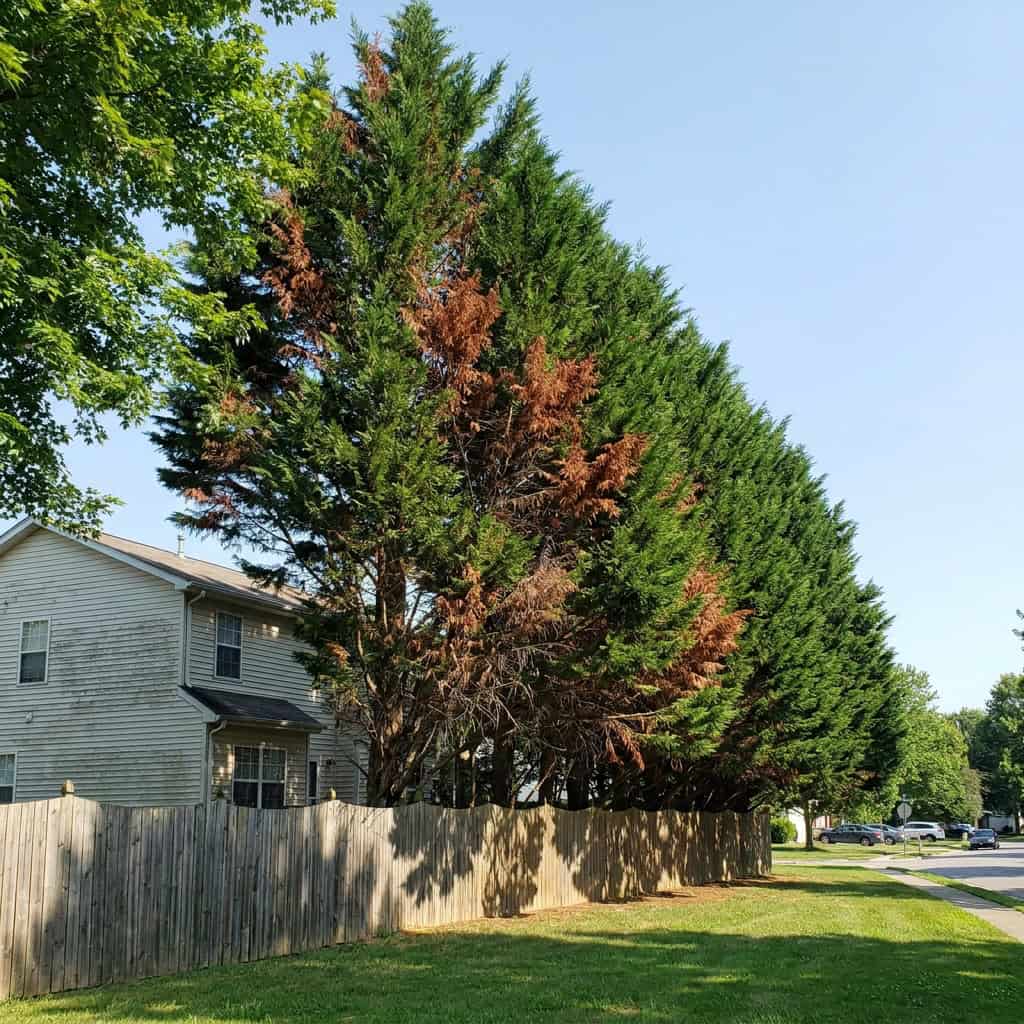
Leyland cypress is the most famous fast-growing privacy plant in America. It can add three to four feet of height per year and form a green wall in just a few seasons.
For decades, it was the default answer to “how do I block out my neighbor.” Big box stores still sell it by the thousands every spring.
The problem is that Leylands are now plagued by seiridium canker, botryosphaeria canker, bagworms, and root rot — and most of those issues can’t be cured. Healthy trees also grow to 60 or even 90 feet tall and 15 feet wide.
A privacy hedge becomes a maintenance crisis the moment it gets sick. And eventually, it almost always does.
2. Thuja Green Giant

Thuja Green Giant is the modern answer to Leyland cypress. Marketed as faster, hardier, and more disease-resistant, it grows three to five feet per year.
Garden centers sell it as the perfect solution for instant privacy. Many homeowners plant a row of small saplings five feet apart, expecting a tidy hedge.
What they don’t realize is that Green Giants reach 40 to 60 feet tall and 12 to 20 feet wide. Within ten years, that “hedge” becomes a wall of overcrowded trees competing for light and air.
A fast grower doesn’t stay small. It just gets large faster.
3. Emerald Green Arborvitae
Emerald Green is the go-to for homeowners who want something neat and narrow. It tops out around 15 feet and stays slim, which feels manageable.
Nurseries push it constantly. It’s affordable, easy to find, and looks tidy right out of the pot.
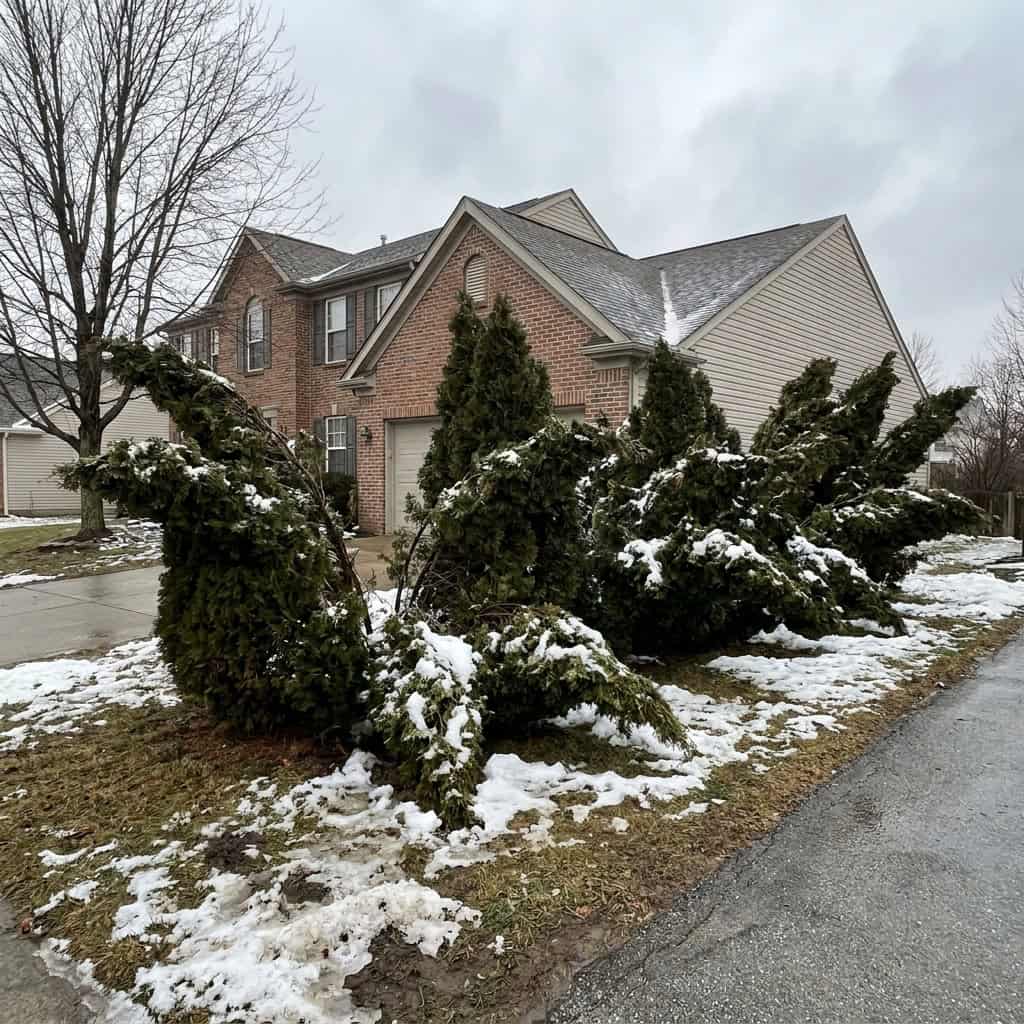
The trouble starts the first hard winter. Heavy snow splays the branches open like a peeled banana, and many never recover their shape. Deer also treat them like a salad bar, stripping them bare from the ground up.
It looks polished in the spring catalog photos. By February, it looks like a casualty.
4. Privet
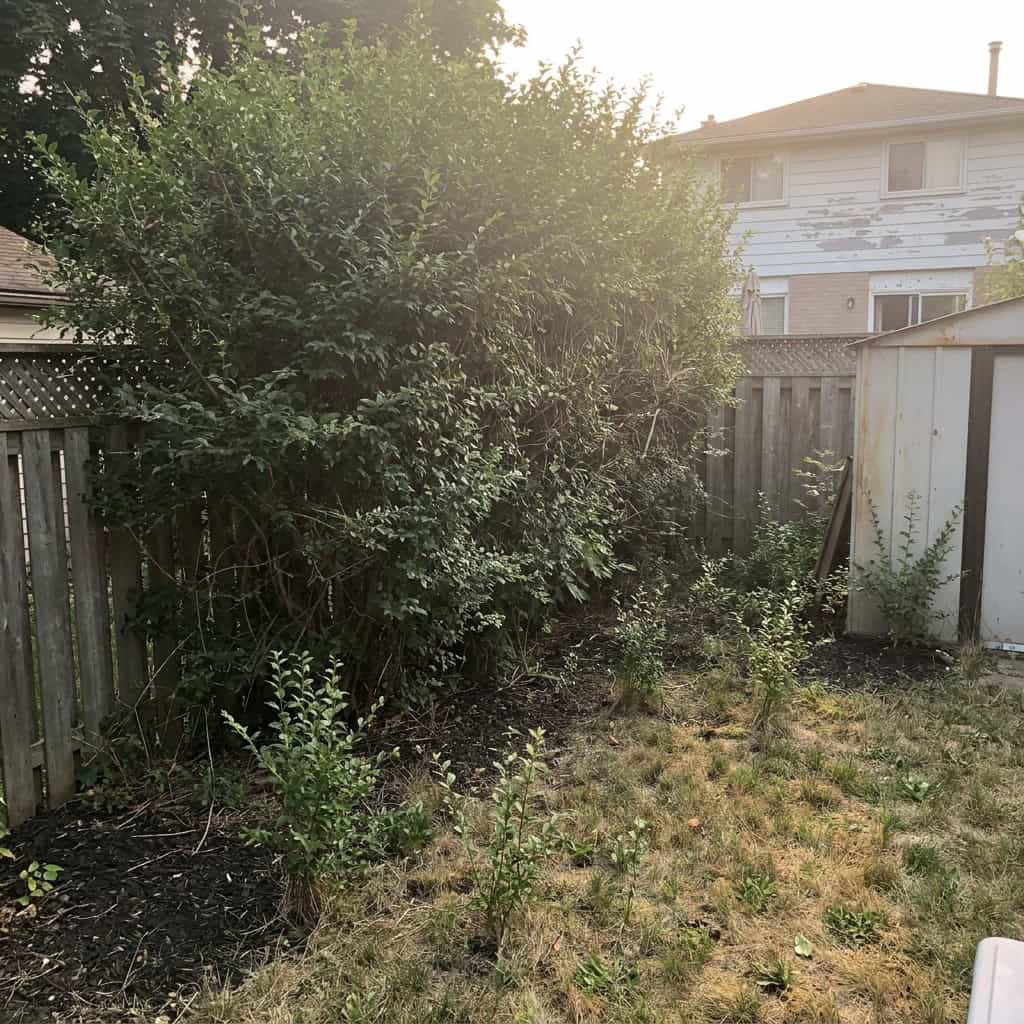
Privet has been a classic American hedge for over a century. Plant it in spring, shear it twice, and you have a wall of green by fall.
It tolerates almost any soil, takes sun or shade, and shrugs off neglect. That’s why people love it.
It’s also listed as invasive across most of the eastern and southern United States. Birds eat the berries and spread seedlings into surrounding woods, where privet forms dense thickets that smother native plants.
Convenience comes with consequences. Privet’s are ecological.
5. Forsythia
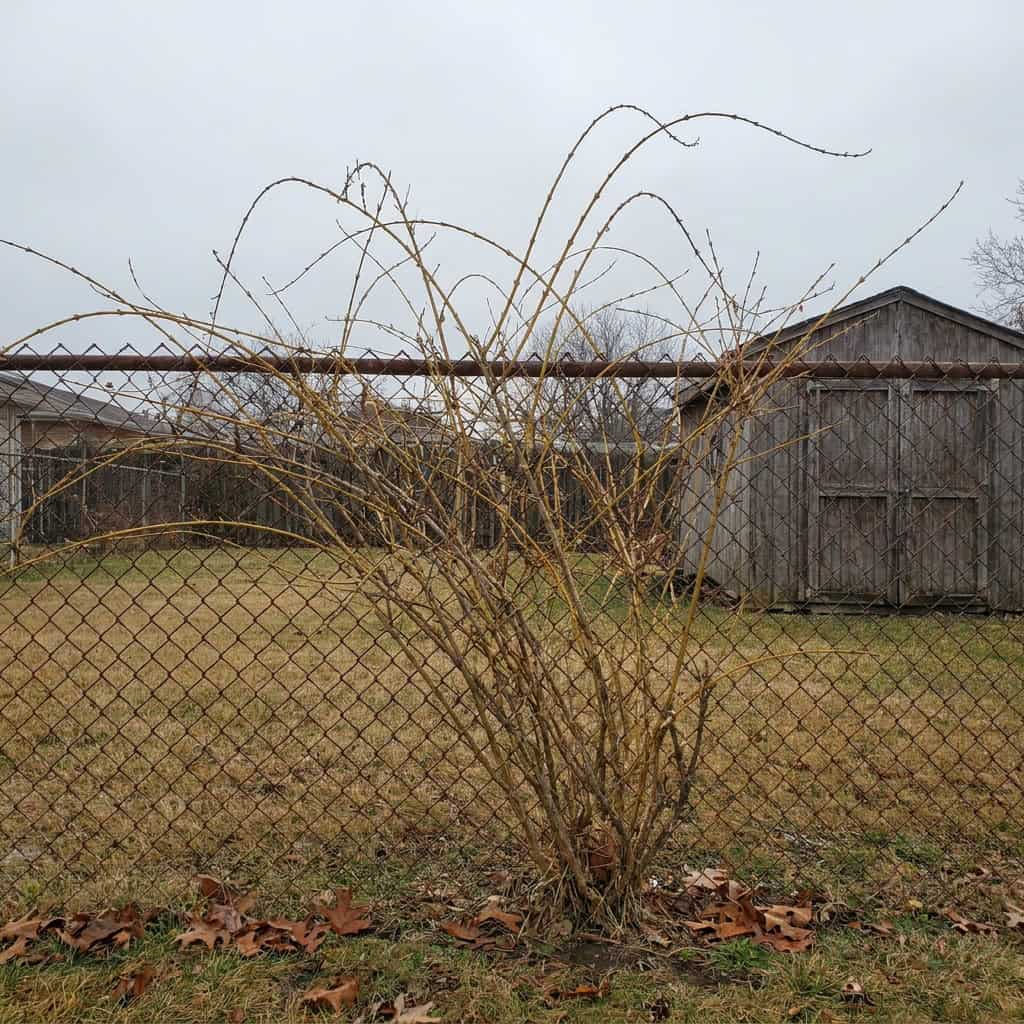
Forsythia explodes with bright yellow flowers in early spring, often before anything else has woken up. It grows fast and forms a thick screen in just a few seasons.
That spring color is hard to resist. It’s also why it ends up in so many yards.
The privacy lasts about two weeks. Once the flowers drop, you have a leggy mass of green branches that goes completely bare in winter. Pruning is constant if you want anything resembling structure.
Two weeks of glory. Ten months of yardwork.
6. Burning Bush
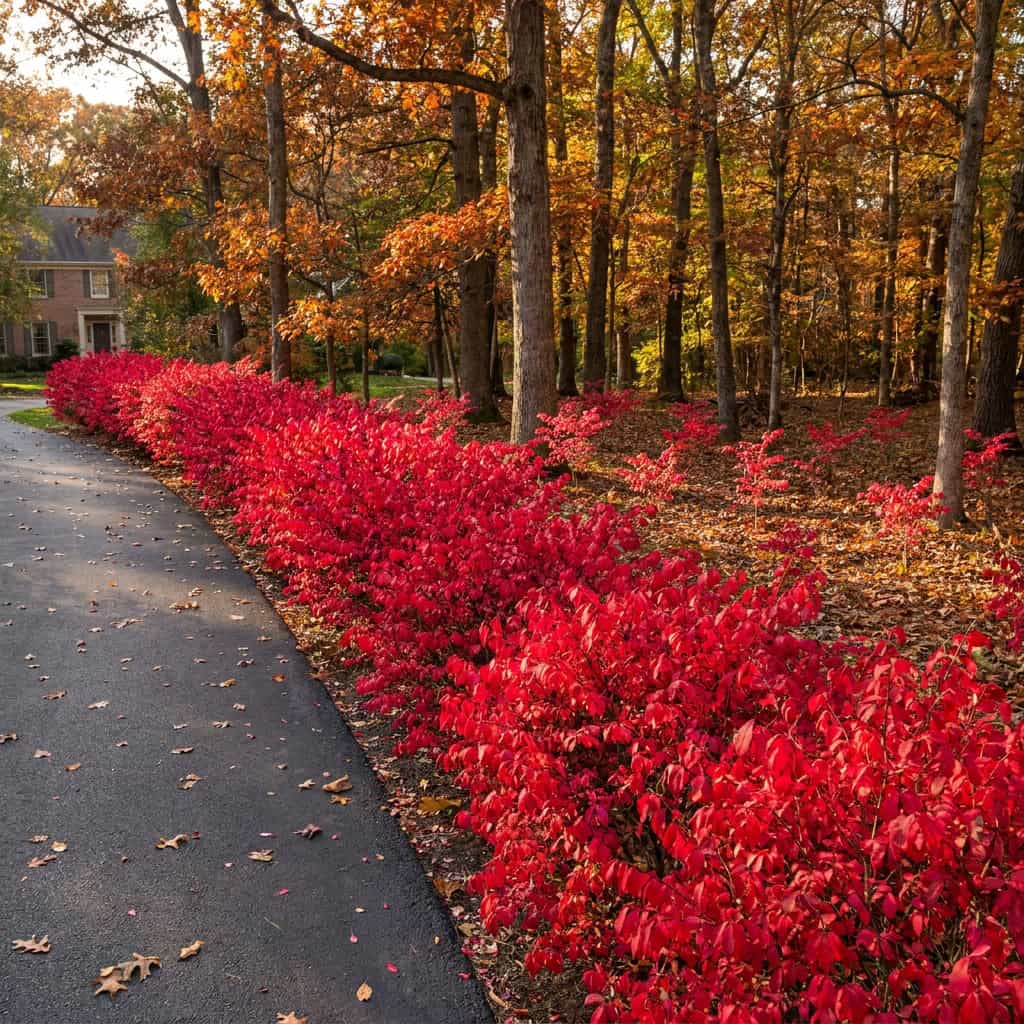
Burning bush earned its name honestly. The fall color is a fluorescent red that stops cars in driveways.
It grows fast, takes shearing well, and forms a dense hedge in just a few seasons. It was once the most popular privacy shrub in suburban America.
It’s also invasive in much of the country and has been banned or restricted in states like Massachusetts, New Hampshire, and Maine. Seeds spread into forests where it crowds out native understory plants.
A few weeks of brilliant color. A growing list of states where you legally can’t plant it.
7. Cherry Laurel
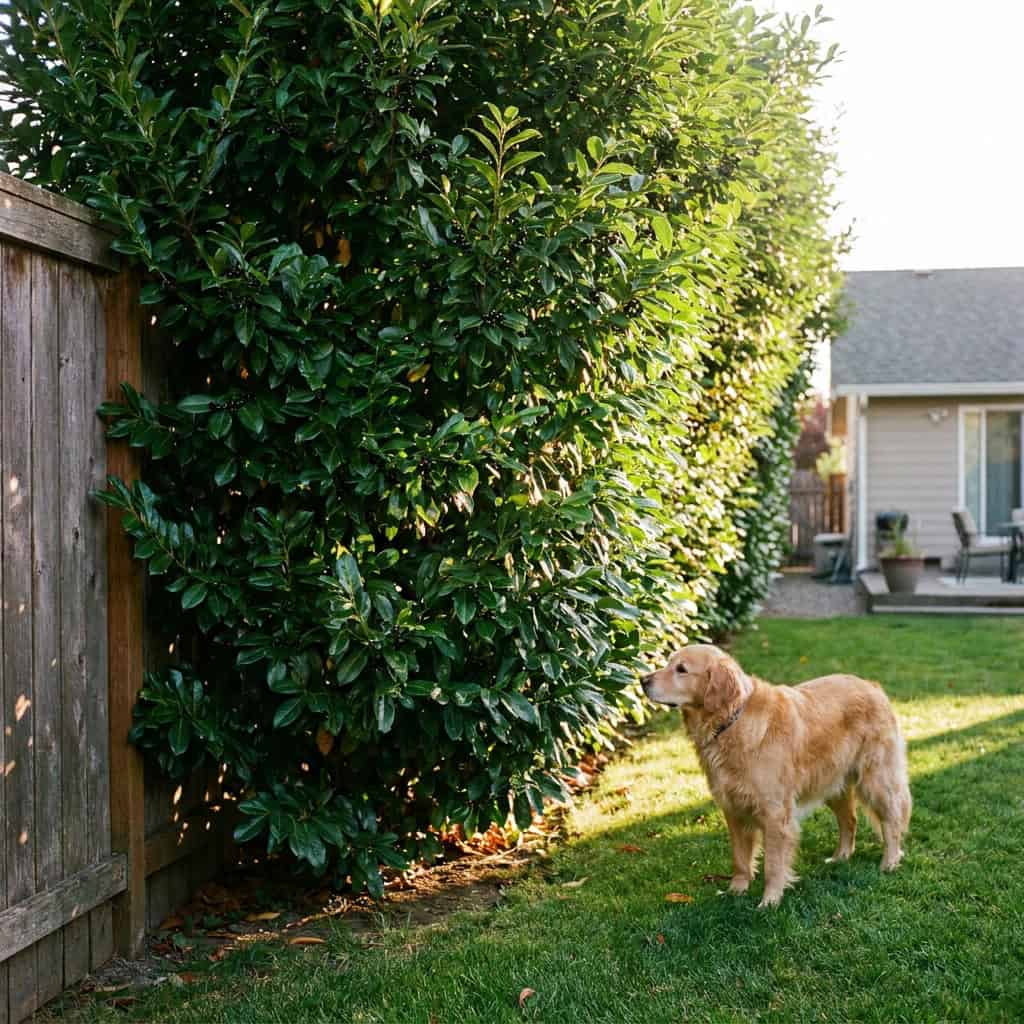
Cherry laurel grows fast, stays evergreen, and produces glossy leaves that look like they belong in a magazine spread. Many homeowners reach for it as a step up from boring boxwood.
It’s especially popular in the mid-Atlantic and the South, where mild winters let it thrive.
The leaves and seeds contain cyanide compounds. They’re toxic to dogs, cats, livestock, and curious kids who pick the small black berries. In several states, cherry laurel has also escaped cultivation and become invasive.
Glossy doesn’t mean safe.
8. Red Tip Photinia
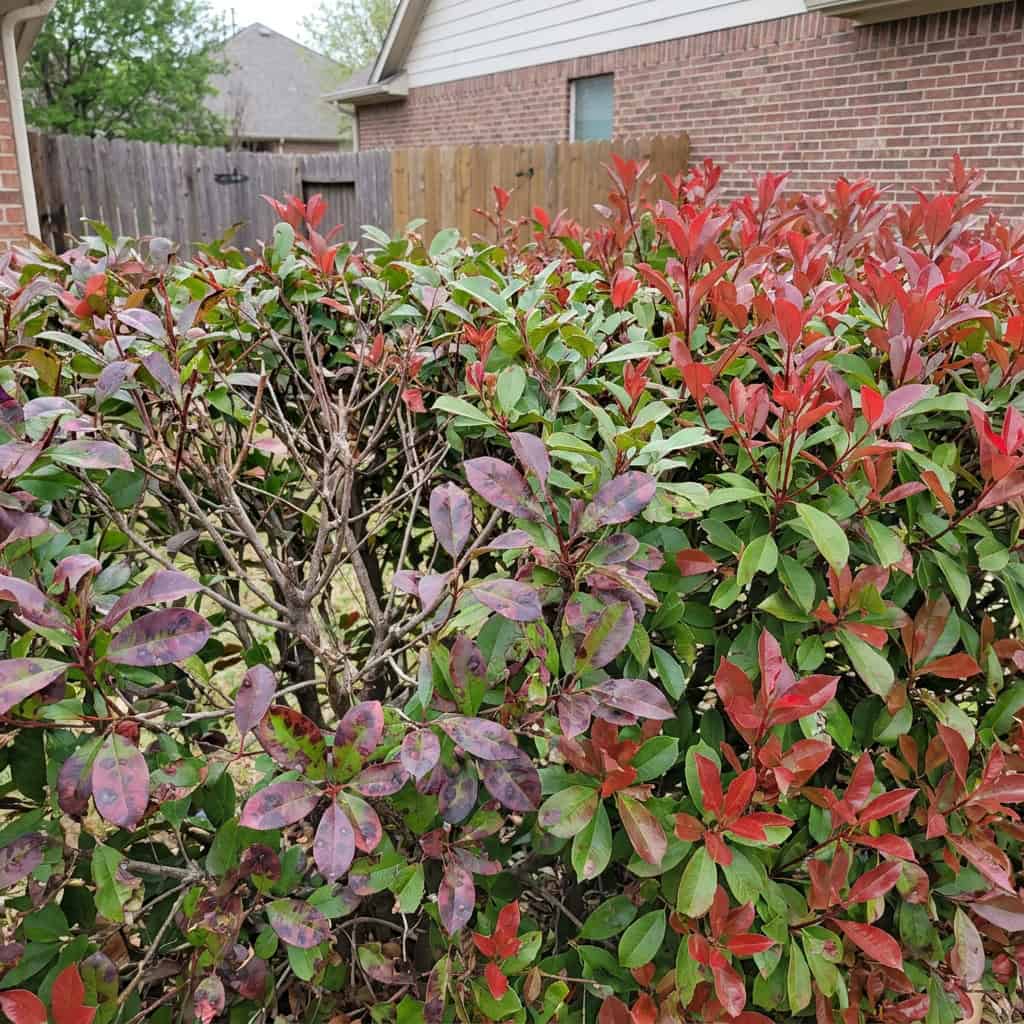
Red Tip Photinia was once everywhere in the South. The new spring growth comes in deep red, fading to glossy green, which made it irresistible as a privacy hedge.
It grows fast, takes shearing, and fills in within a few years.
Then entomosporium leaf spot hit. The fungal disease moves through Red Tip hedges like wildfire, defoliating shrubs and killing entire rows. There’s no real cure once a planting is infected.
What was once a Southern landscape staple is now a cautionary tale.
9. Italian Cypress

Italian cypress brings a Tuscan, vertical look that’s hard to replicate. It grows fast and tall while staying narrow, which makes it appealing for tight side yards or driveway entrances.
In Mediterranean climates, they’re stunning.
In most of the U.S., they’re a problem. Bagworms can defoliate them in a single season, fungal cankers cause brown sections that never recover, and humid summers stress them constantly. Many die within ten years of planting.
The look is European. The reality rarely cooperates.
10. Eastern Red Cedar

Eastern red cedar is native, tough, and grows fast in poor soil. It’s often planted as a low-cost windbreak or privacy screen.
It also handles drought, salt, and cold without complaint.
The downsides are quieter. It’s the alternate host for cedar-apple rust, which can devastate any apple, crabapple, or hawthorn within a mile. Its pollen is also one of the most aggressive allergens in North America — heavy enough to coat cars in yellow dust.
Tough doesn’t mean trouble-free.
11. Bush Honeysuckle
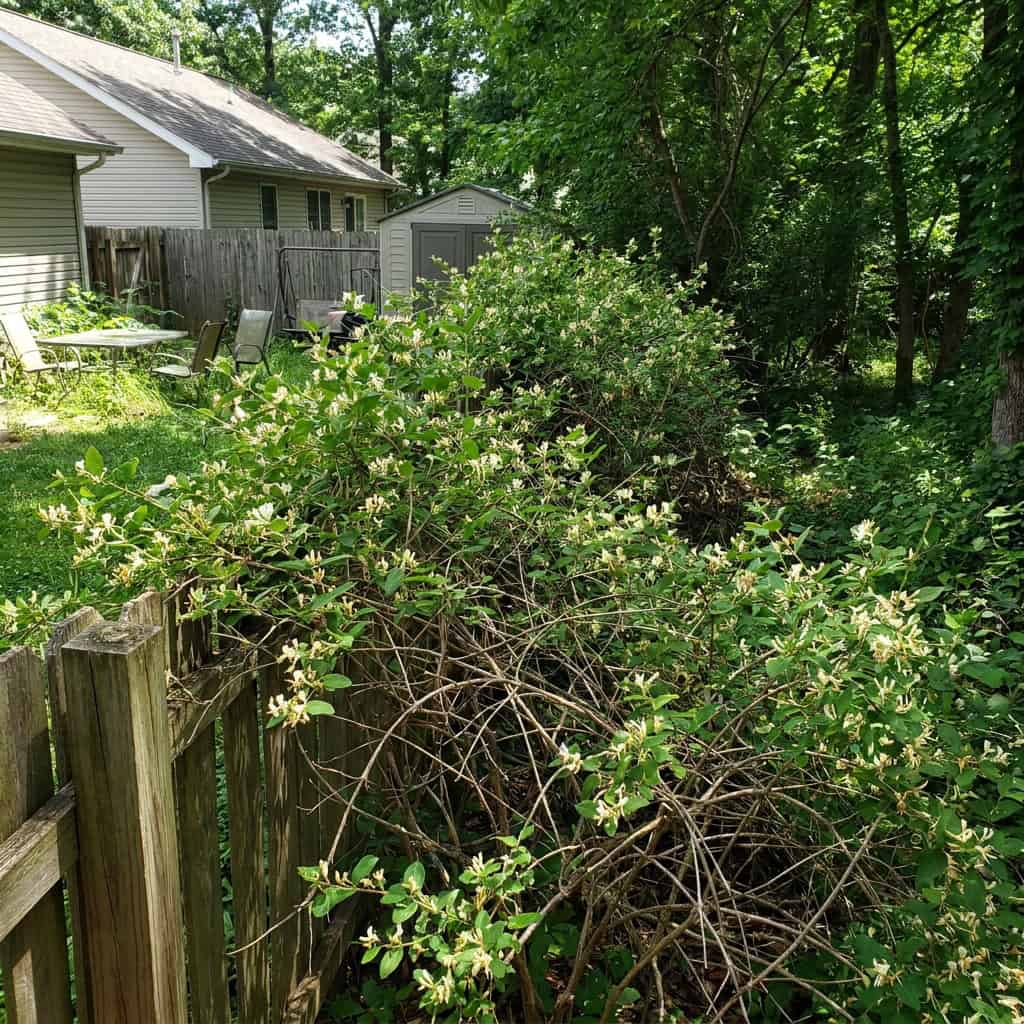
Bush honeysuckle grows almost embarrassingly fast. It’s fragrant in spring and fills in a property line in two or three seasons.
For decades, it was sold as a low-maintenance hedge plant.
It’s now considered one of the most destructive invasive shrubs in the eastern United States. It crowds out native plants, alters forest ecosystems, and is nearly impossible to remove once established.
A privacy hedge today. An ecological disaster tomorrow.
12. Russian Olive
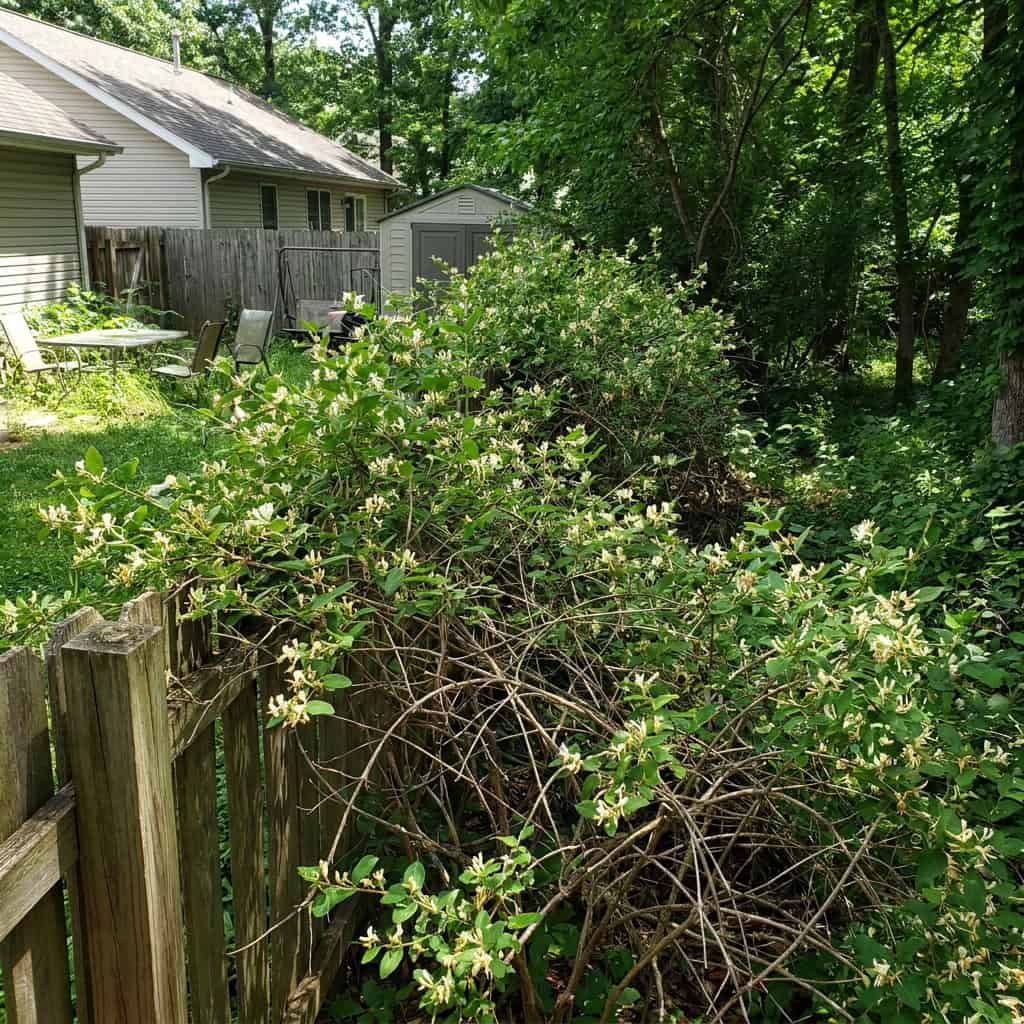
Russian olive has silvery-green leaves that catch the light beautifully. It tolerates poor soil, drought, salt, and wind, which made it a favorite for highway plantings and farm windbreaks.
Homeowners with tough sites still plant it for the same reasons.
It’s also invasive across much of the West, Midwest, and mid-Atlantic. Birds spread the seeds for miles. The branches are armed with sharp thorns that make removal painful, and several states have banned it outright.
Silver leaves. Sharp thorns. Banned in places. Skip it.
13. Lilac
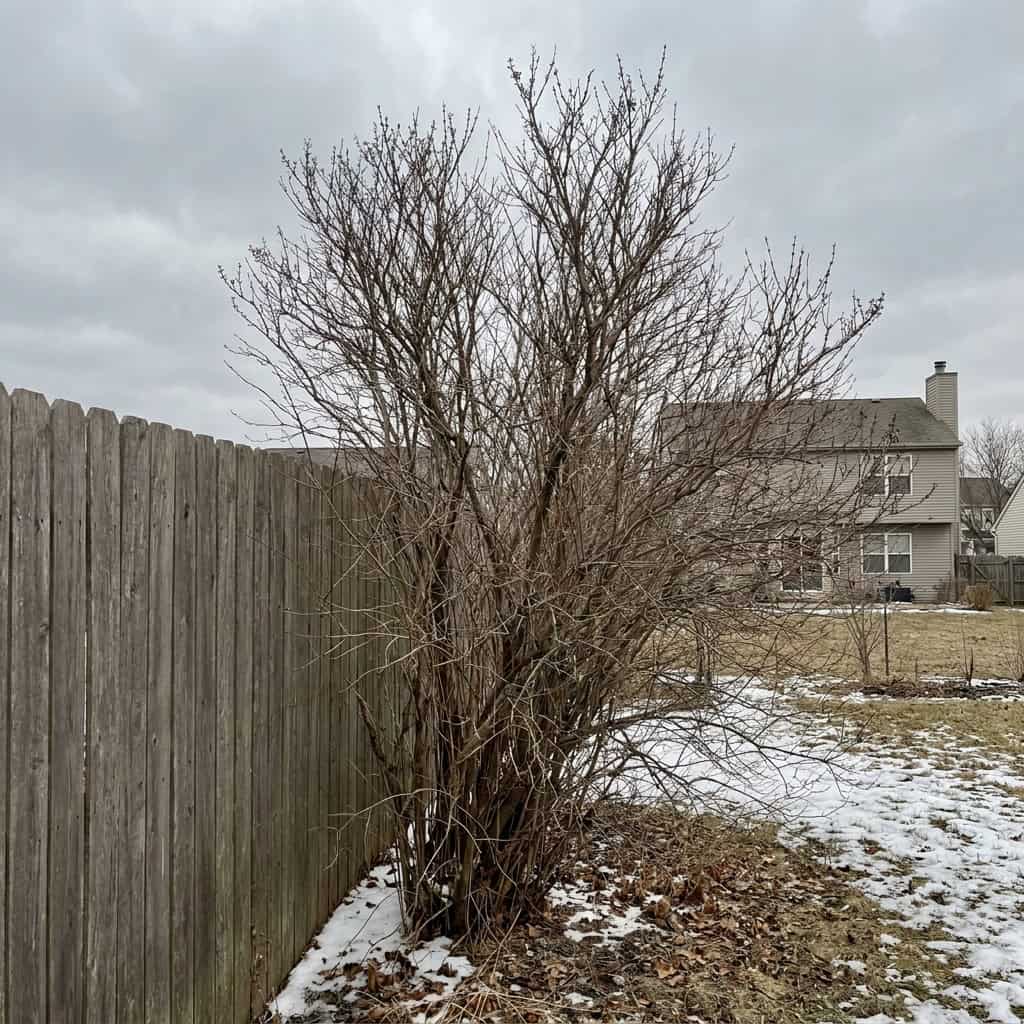
Lilac is a sentimental favorite — fragrant, classic, and instantly nostalgic. It grows fast and can form a thick screen six to ten feet tall in just a few years.
The bloom in May is hard to argue with.
The privacy is not. Lilacs are deciduous, which means they drop every leaf in fall and offer zero winter screening. They also struggle with powdery mildew in humid summers and need yearly pruning to stay shaped.
Two weeks of perfume. Five months of bare sticks.
14. Rose of Sharon
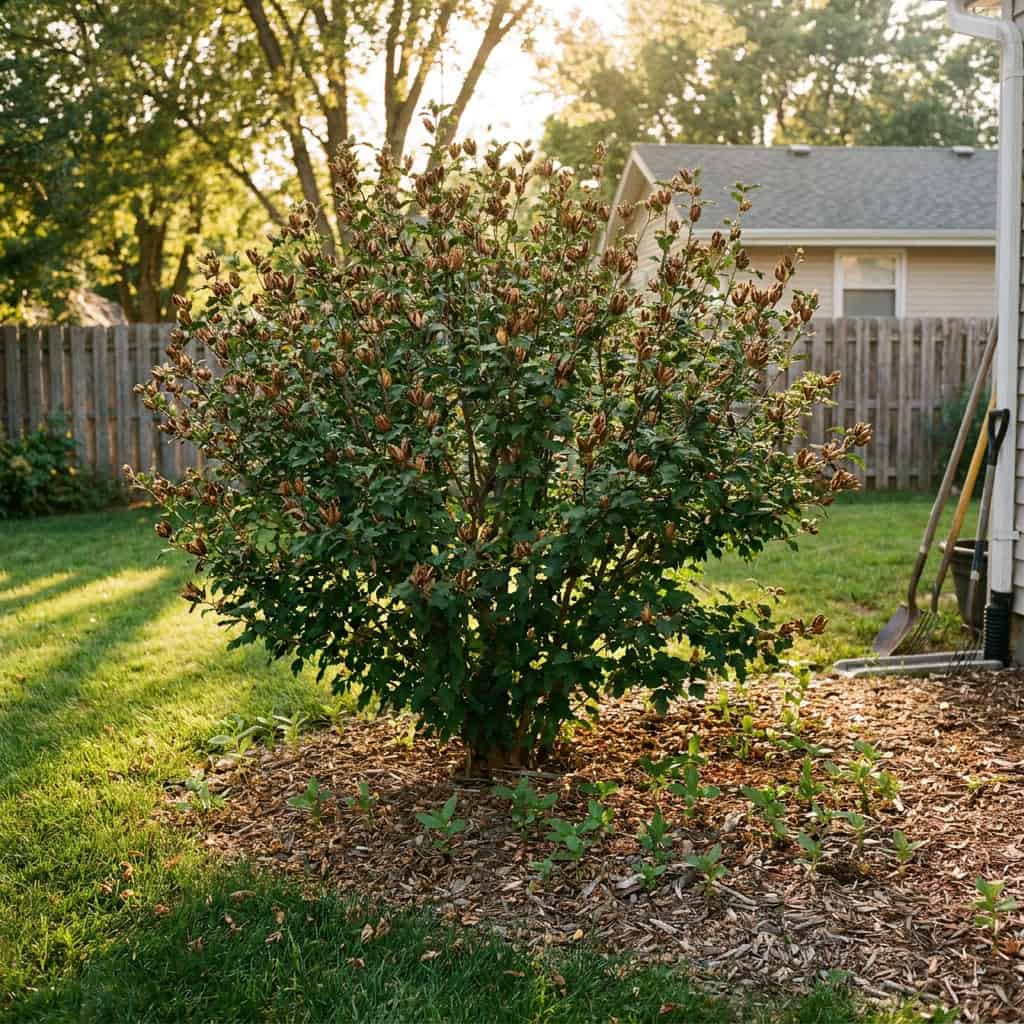
Rose of Sharon blooms heavily through late summer, when most other shrubs have already finished. It grows fast and can reach screen height in a few seasons.
Many homeowners plant it for the flowers and the privacy combined.
The problem is the seeds. A single mature plant can drop hundreds of viable seeds per year, and they sprout everywhere — flower beds, lawn, cracks in the driveway. Within five years, you’re pulling volunteer seedlings constantly.
One plant becomes a hundred faster than anyone expects.
15. Butterfly Bush
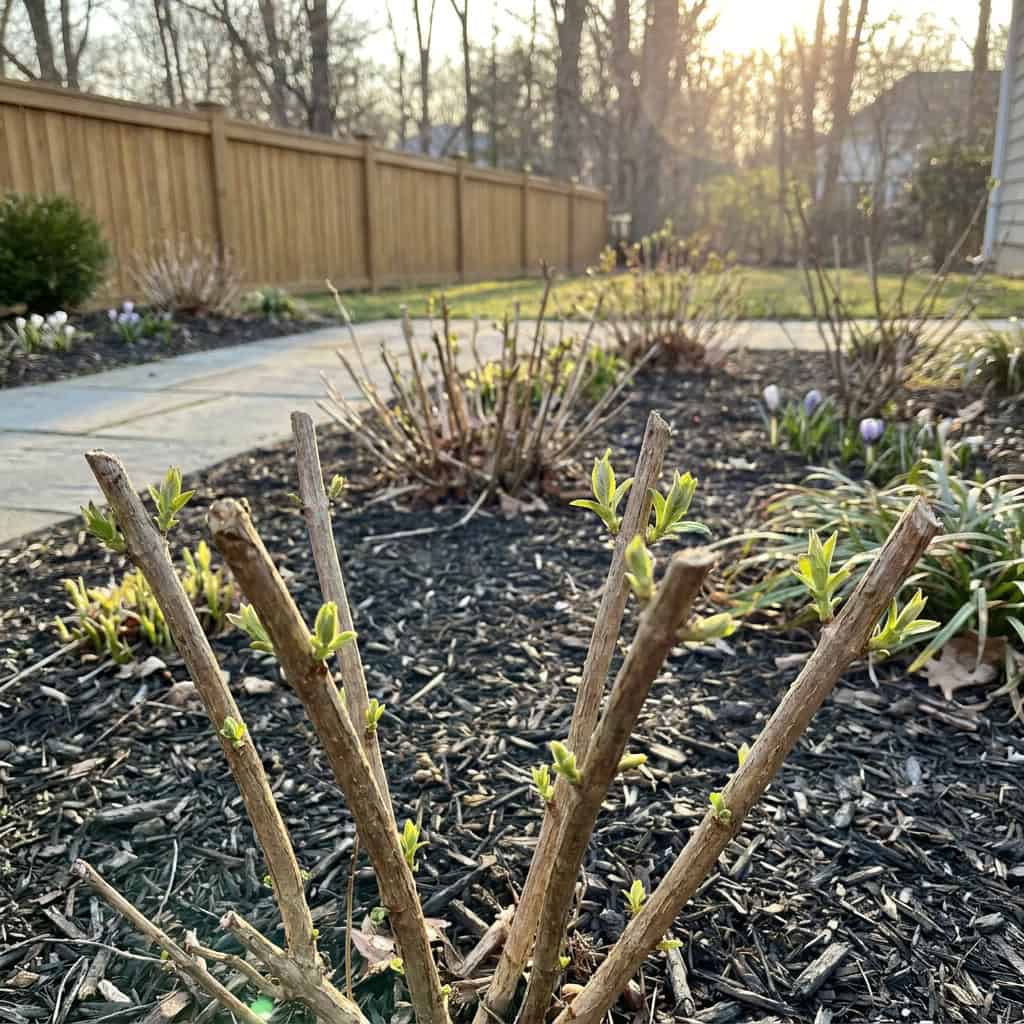
Butterfly bush grows fast, blooms heavily, and attracts pollinators in waves. Garden centers display it prominently for those reasons.
It’s especially appealing for people who want a quick screen with seasonal color.
It’s also listed as invasive in many states, including Oregon, Washington, and parts of the Northeast. On top of that, it dies back hard each winter — sometimes to the ground — so the “privacy” disappears every year. You’re rebuilding the screen from scratch every spring.
Beautiful in July. Gone in November. Privacy it isn’t.
16. English Yew
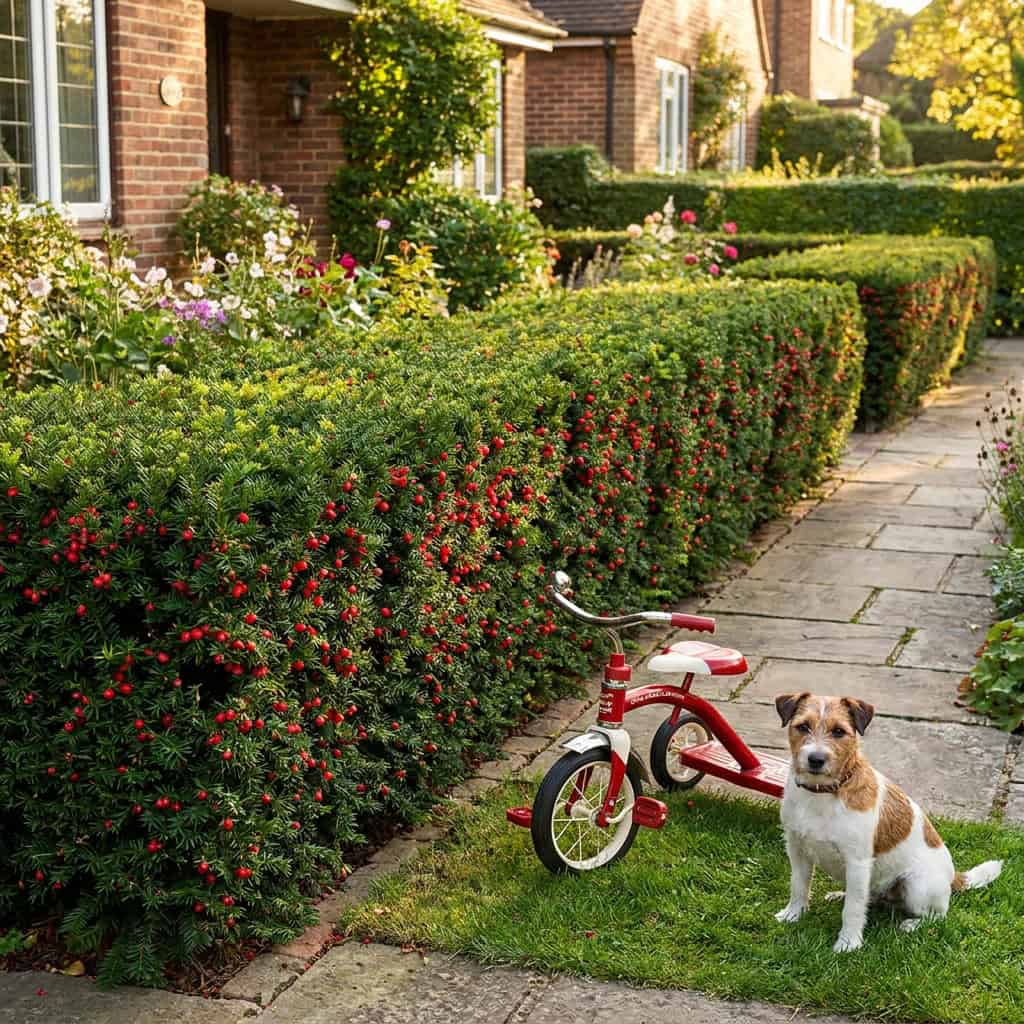
English yew is dense, dark green, and one of the most elegant hedges in classical landscaping. It tolerates shearing better than almost any other evergreen.
It also grows faster than people think — especially the upright varieties.
Every part of the plant is toxic. The needles, bark, and seeds contain taxine, a compound that can kill livestock, dogs, and people. Children and pets pulling at the bright red berries is a real risk.
Beautiful, formal, and one of the most poisonous plants in the landscape industry.
17. Nandina
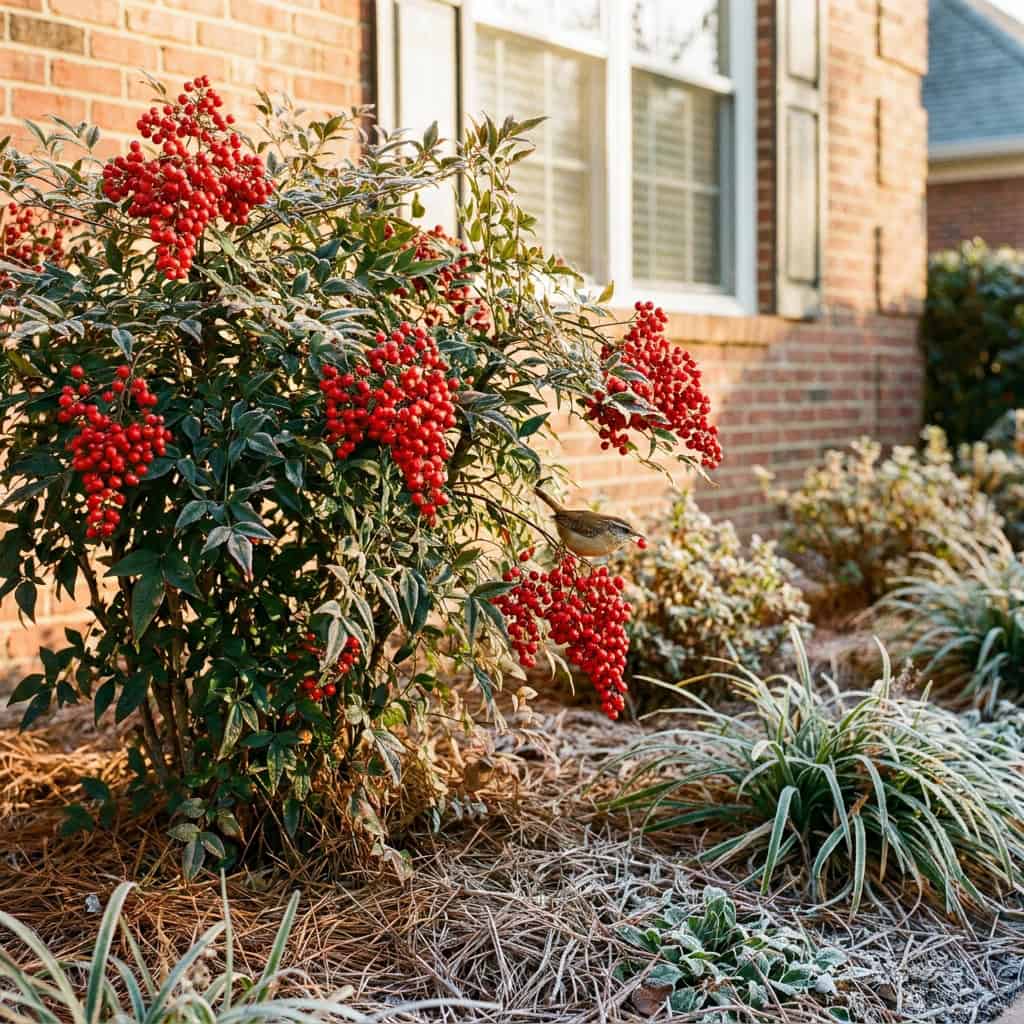
Nandina, sometimes called heavenly bamboo, grows fast and produces clusters of bright red berries that hold all winter. It’s a staple of Southern landscaping.
The leaves turn red in fall, the berries stay through January, and the plant takes almost any condition.
The berries contain cyanide compounds. Documented bird deaths — particularly cedar waxwings — have been traced to flocks gorging on nandina fruit. The plant has also escaped cultivation across the Southeast.
Pretty berries. Dead birds. Not the trade most homeowners would make if they knew.
18. Mock Orange
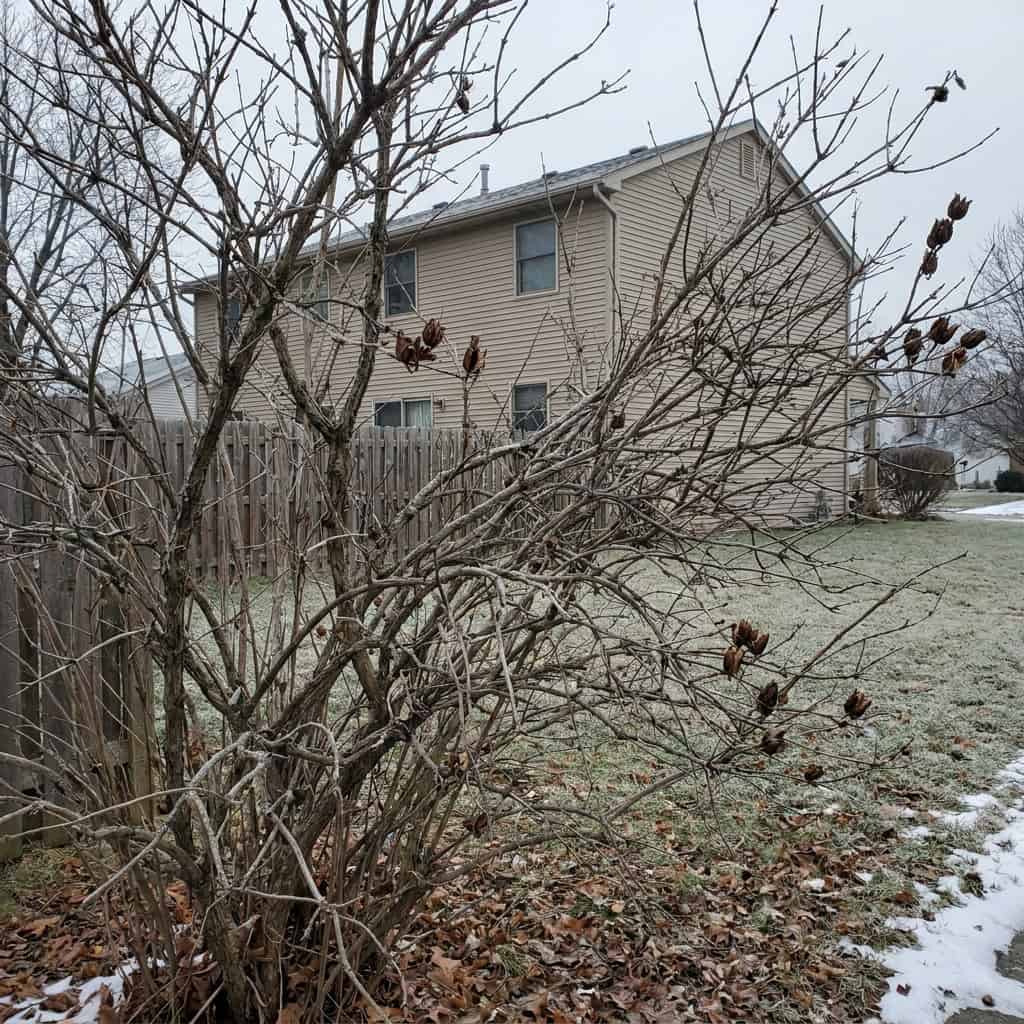
Mock orange offers fragrant white flowers and a quick screen in just a few seasons. The scent in June is legitimately wonderful.
It’s an old-fashioned shrub that still shows up in plant catalogs every spring.
The privacy is mediocre. It’s deciduous, leggy, and quickly loses its lower foliage without aggressive yearly pruning. By winter, you’re looking through a tangle of bare branches.
Great smell. Bad screen.
19. Elderberry
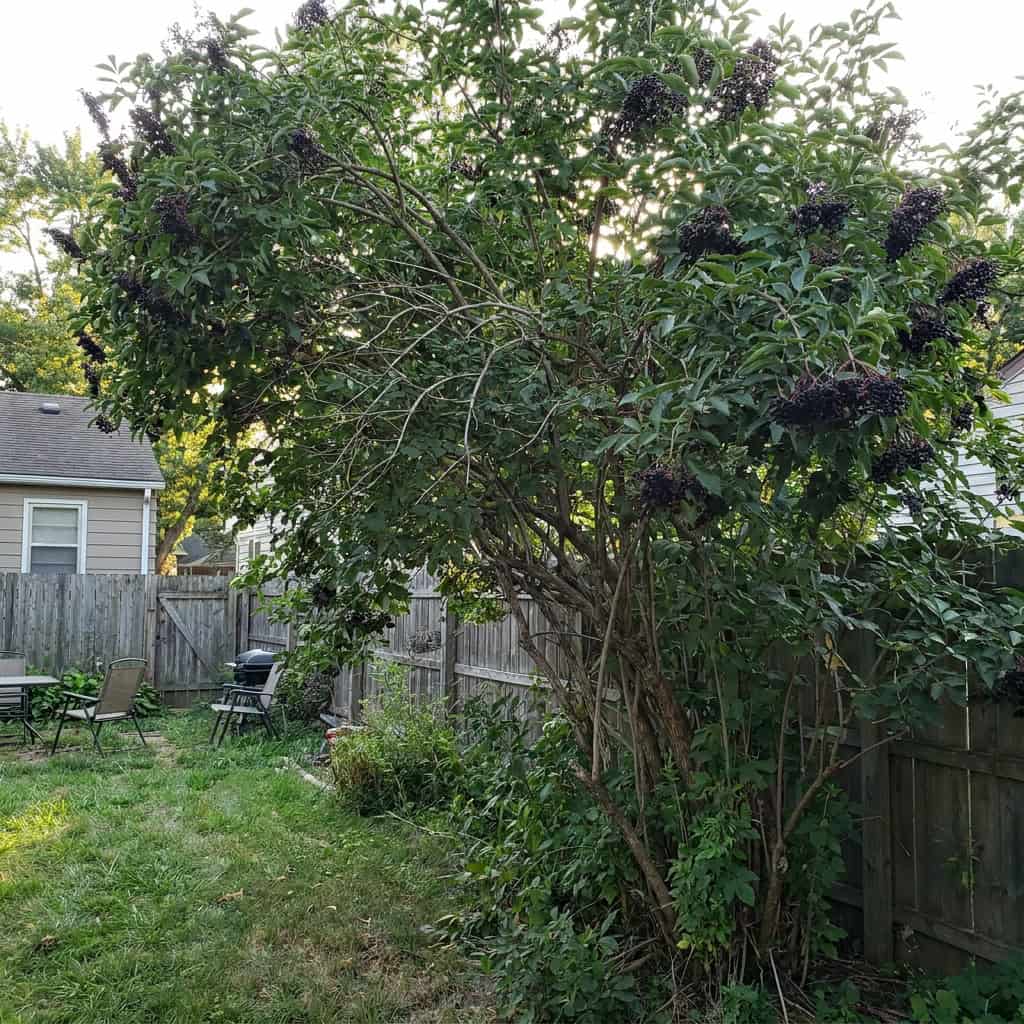
Elderberry grows fast, looks lush in summer, and produces clusters of dark berries that birds love. Native varieties get promoted constantly for ecological landscaping.
It fills in quickly and reaches eight to twelve feet without much help.
It also gets enormous and ratty without yearly hard pruning. Suckers pop up across the planting area, the form gets sloppy by midsummer, and it goes completely bare in winter.
Native. Fast. High maintenance. Pick two.
20. Staghorn Sumac
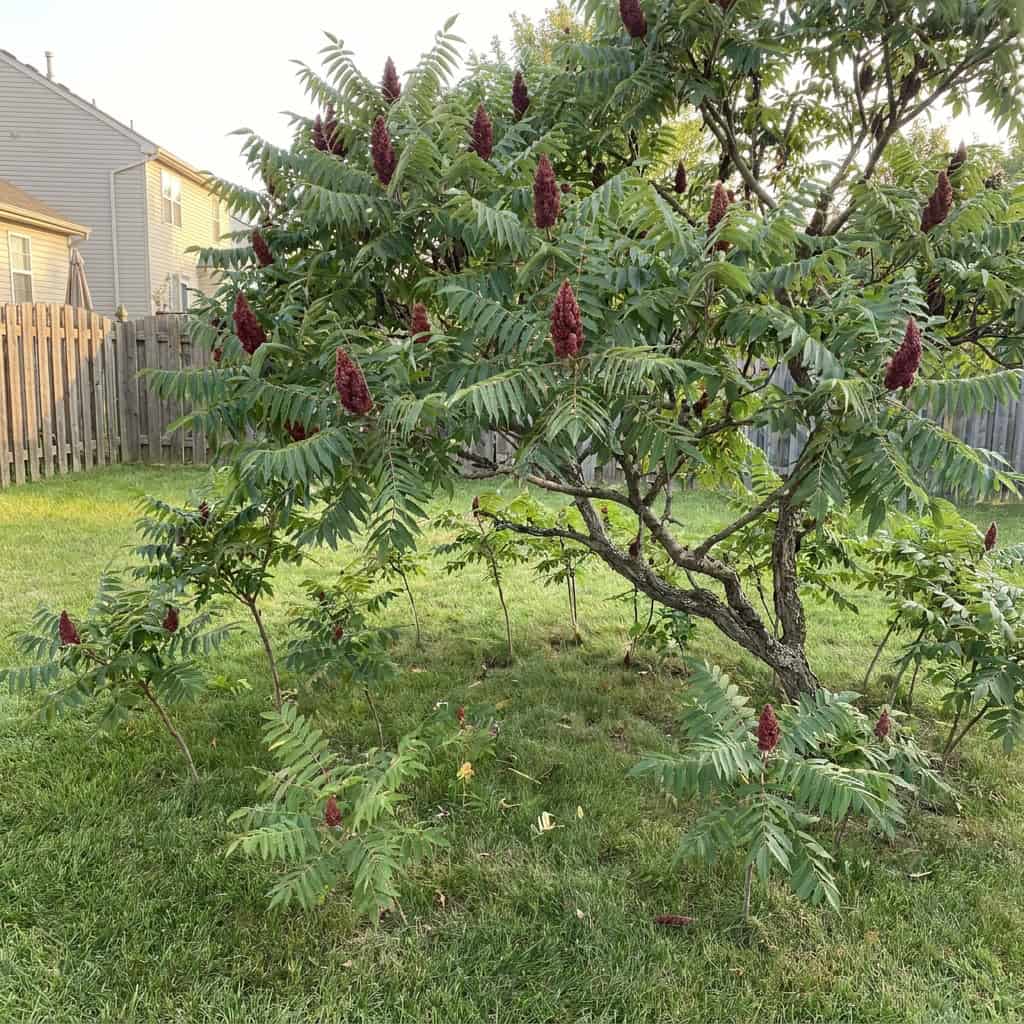
Staghorn sumac has dramatic fern-like leaves and famous fall color in fiery reds and oranges. It grows fast and reaches privacy height in just a few seasons.
It’s also a tough native that handles poor soil and full sun.
The trouble is underground. Sumac spreads aggressively by root suckers, sending up new shoots across the yard, into the lawn, and through any neighboring bed. Removal often takes years of cutting and digging.
You don’t plant sumac. You start sumac.
21. Running Bamboo
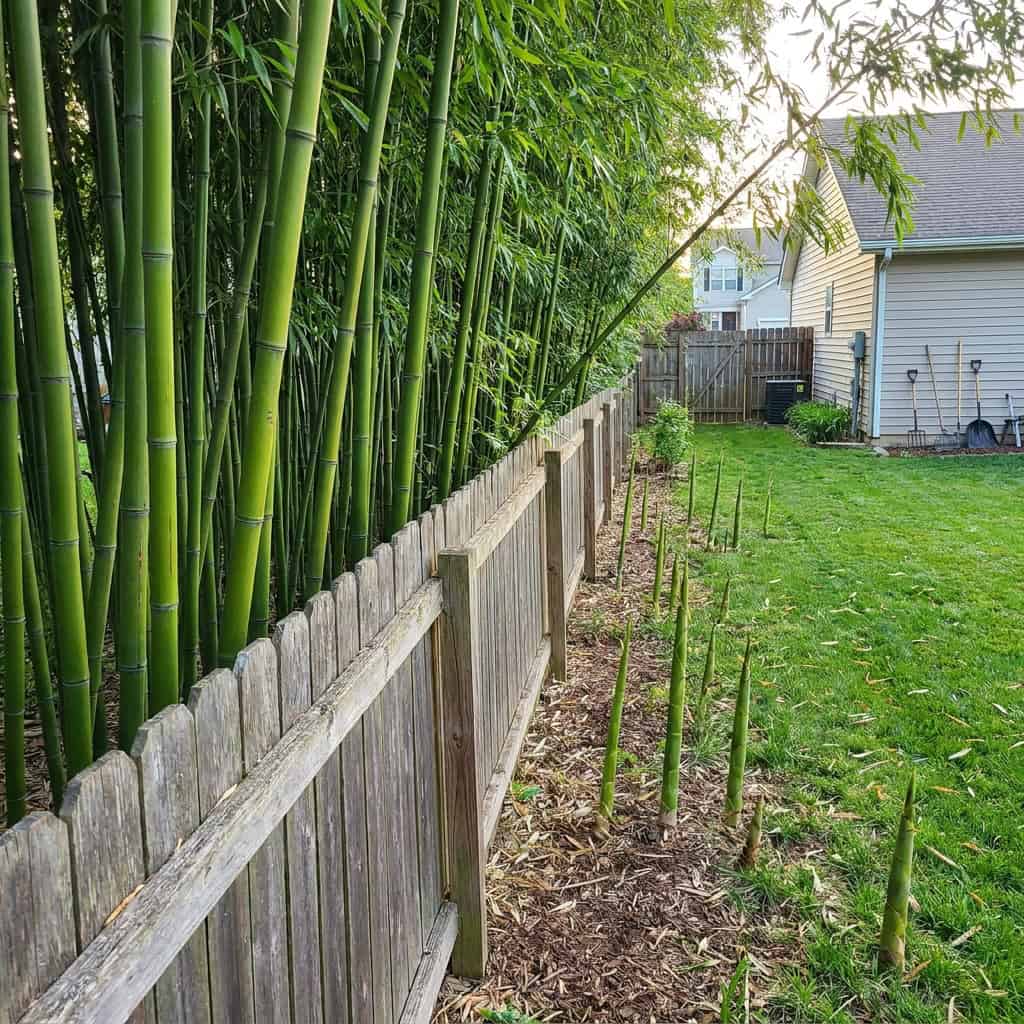
Running bamboo is the fastest privacy screen most homeowners will ever plant. A small grove can reach fifteen feet in two seasons.
It looks exotic, sounds peaceful in the wind, and the marketing photos are gorgeous.
It also spreads through underground rhizomes that can travel twenty feet or more — under fences, driveways, even foundations. Multiple states and municipalities have banned running bamboo specifically because of neighbor disputes, code violations, and documented lawsuits over encroachment damage.
Few landscape choices end up in court. This one does.
22. Hybrid Willow
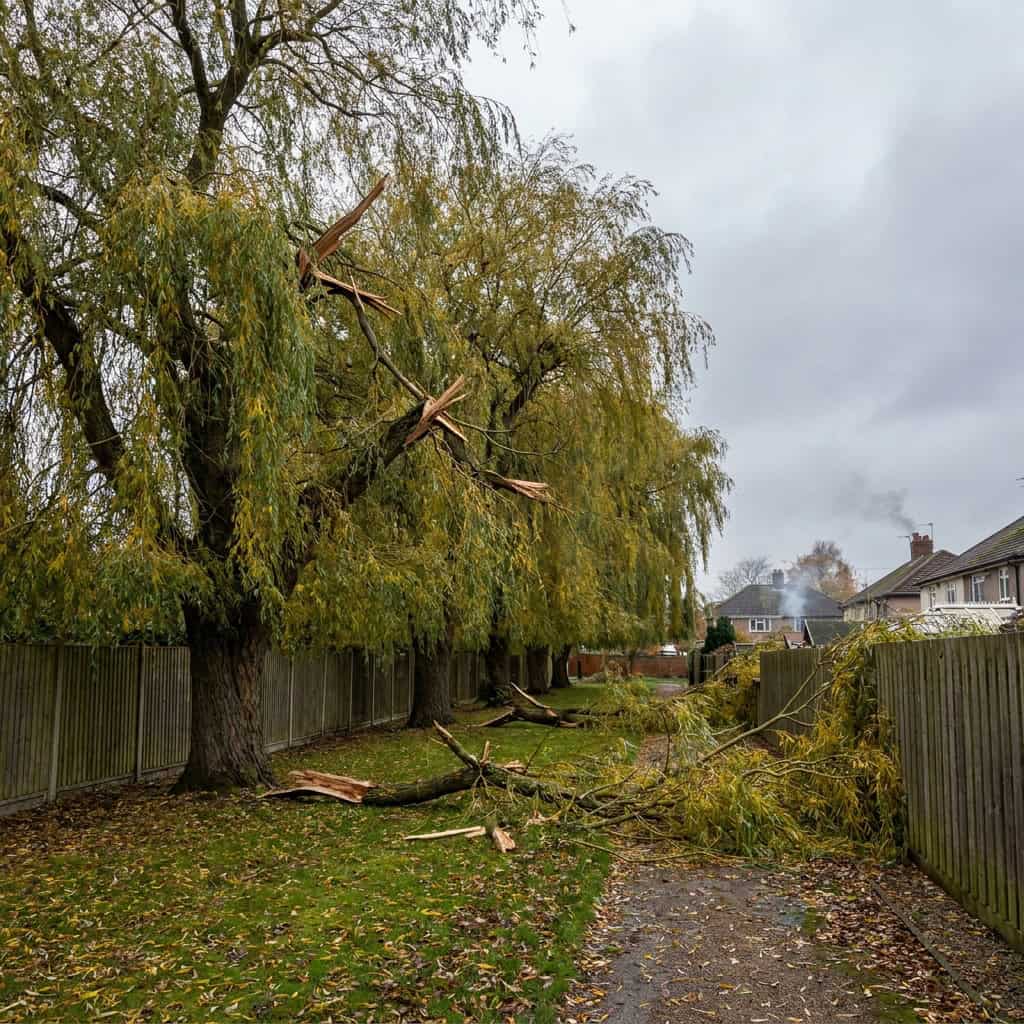
Hybrid willows are marketed as the fastest privacy screen on earth, with claims of six to ten feet of growth per year. Mail-order ads have sold them as an “instant fence” for decades.
The growth rate is real.
So is the wood. Hybrid willows have weak, brittle limbs that snap in storms, shallow invasive roots that wreck septic systems and sidewalks, and a typical lifespan of just fifteen to twenty years. By the time they reach mature height, they’re already failing.
Fast growth. Short life. Big mess.
23. Pampas Grass
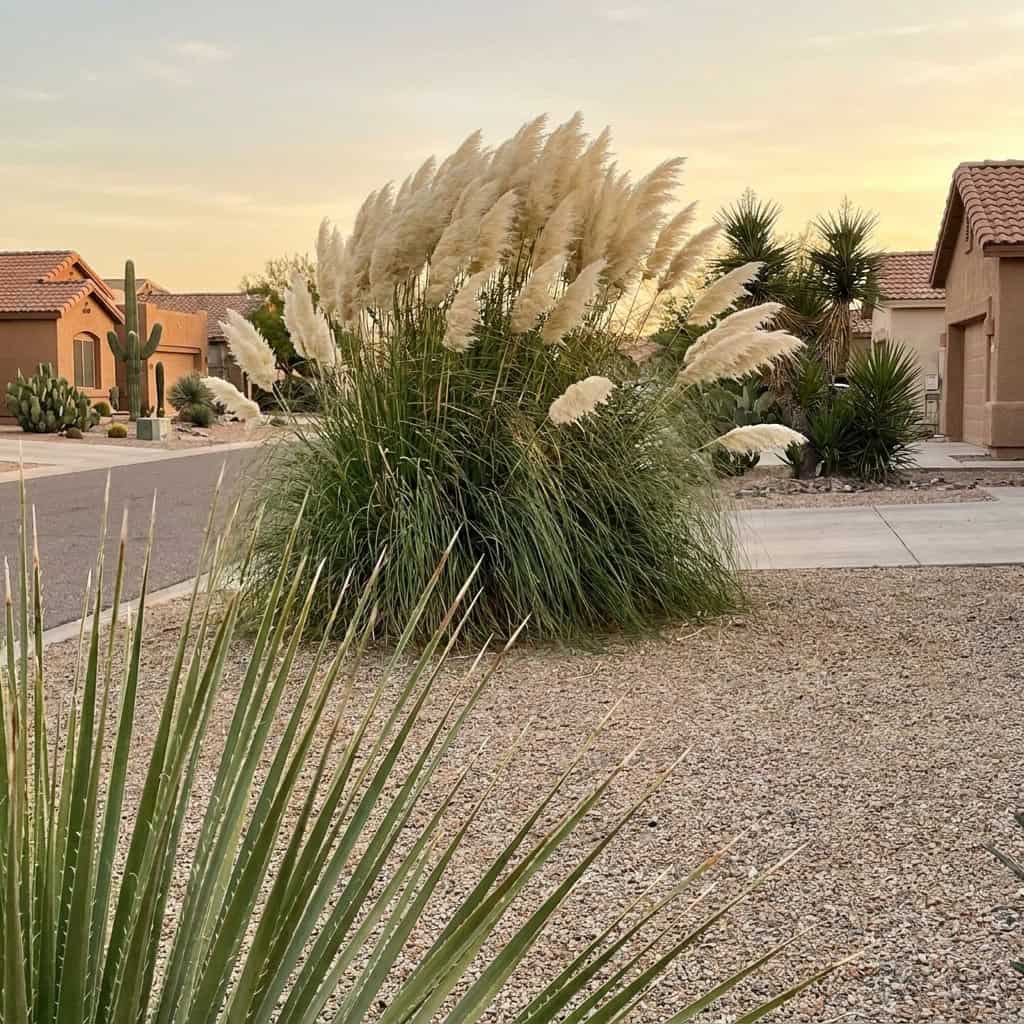
Pampas grass produces dramatic feather-like plumes that wave above ten-foot stalks. It grows fast, fills space, and looks stunning along driveways and pool fences.
It’s a staple of warm-climate landscaping.
It’s also classified as invasive in California, Hawaii, and parts of the Southeast. The leaves are razor-sharp — capable of leaving real cuts — and dry clumps are notorious fire hazards in drought-prone climates.
Striking from a distance. Dangerous up close. A lot of risk for some plumes.
Final Thoughts
Fast doesn’t always mean better.
Most privacy regrets start the same way — a homeowner reaches for something quick, the shrub delivers on the speed promise, and the real costs show up later. Disease, invasiveness, toxicity, or just sheer size that nobody planned for.
A little research upfront prevents years of removal work later. The best privacy plantings aren’t the fastest. They’re the ones that still work in year ten.
I read this article because I need to replant a hedge where red tip photinia stood and is mostly dead now. The info on what NOT to plant was helpful but I was hoping at the end to see recommendations on what TO plant. Any info on that question?
I agree! A Google search for the best screening plants recommends many of those listed in this article.
Have had a number of these plants for 40+ years with NO problems. Of course like ANY planting, appropriate / timely maintenance / trimming is ALWAYS part of property care. Keep ’em trimmed and they do just fine! Though Honeysuckle is NEVER welcomed on our property and pulled out immediately when it sprouts!
All is so true. The next question is alternatives. And suggestions? I live is the drought stricken area of Utah in the Southwest corner of the state bordering AZ and NV.