

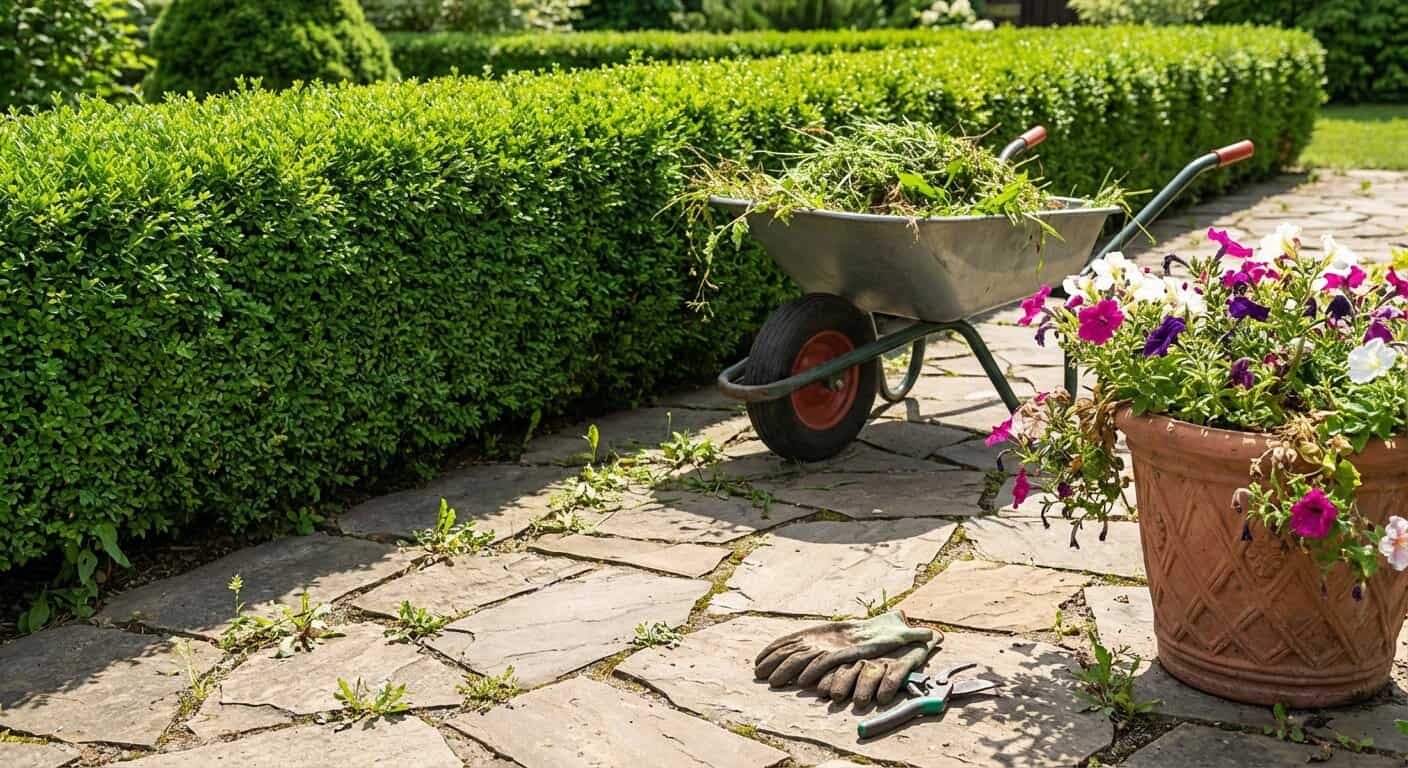
A beautiful yard can be deceiving.
Some landscaping features look incredible in photos or right after installation, especially when everything is fresh and perfectly maintained. But once weather, growth, and everyday life step in, many of those eye-catching choices quietly turn into extra work.
These are the yard features people love at first glance—then slowly realize how much effort they actually require.
1. Gravel Walkways

Gravel walkways look clean, modern, and low-maintenance when they’re first installed. They’re often chosen as a simple alternative to concrete or pavers.
Many homeowners like gravel because it’s relatively inexpensive upfront and easy to put down. A few bags of stone can transform a path in a single weekend.
The issues usually appear over time. Gravel shifts underfoot, spreads into surrounding areas, and slowly sinks into the soil below.
Weeds still find a way through, even with landscape fabric. What started as a “low-effort” solution often turns into constant raking, edging, and weed control.
2. Decorative Rock Beds

Rock beds are often marketed as a long-term replacement for mulch. They look neat, structured, and permanent when freshly installed.
At first, they seem like a smart choice. There’s no bark to blow away and no need for frequent replacement like mulch.
Over time, leaves, dirt, and organic debris settle between the rocks. Weeds eventually appear, and pulling them becomes harder than dealing with soft soil.
Cleaning rock beds usually means hand-picking debris or spraying weeds, making them more work than they appear.
3. Perfectly Edged Borders

Sharp, clean edges give a yard a polished, professional look. They make garden beds stand out and create strong visual lines.
The problem is that edges don’t stay crisp for long. Grass creeps, soil erodes, and weather slowly softens those clean lines.
Maintaining perfect edges requires frequent trimming and redefining. Miss a few weeks, and the whole border starts to look messy.
What looks effortless in photos often becomes a recurring maintenance chore.
4. Manicured Hedges

Neatly trimmed hedges add structure and elegance to a yard. They’re often used to define spaces or create privacy.
When hedges are young and freshly trimmed, they look controlled and intentional. That neat appearance doesn’t last long without effort.
Hedges grow quickly and unevenly. Keeping them shaped requires regular trimming, sometimes multiple times per season.
Once they fall behind, restoring them takes even more work.
5. Water Features

Fountains and ponds add sound and movement to outdoor spaces. They create a peaceful, relaxing atmosphere.
Many people underestimate how much upkeep water features require. Leaves, dirt, and algae build up faster than expected.
Even small features need cleaning, refilling, and occasional repairs. Pumps clog, liners shift, and water quality declines.
What looks serene often becomes another regular maintenance task.
6. Dense Flower Beds

Full flower beds look lush and colorful early in the season. They’re designed to create maximum visual impact.
As plants grow, overcrowding becomes an issue. Airflow decreases, moisture builds up, and disease spreads more easily.
Thinning plants becomes necessary just to keep them alive. Deadheading and cleanup increase as well.
What starts as abundance slowly turns into constant management.
7. Mulch-Heavy Landscaping

Fresh mulch instantly makes a yard look clean and finished. It hides bare soil and helps retain moisture.
Over time, mulch breaks down, washes away, and blows into unwanted areas. It needs frequent refreshing to maintain its appearance.
Too much mulch can trap moisture against plant stems, causing rot and other problems.
Maintaining that “fresh mulch” look requires more effort than many expect.
8. Curved Garden Borders

Curved borders feel natural and visually interesting. They soften the look of a yard and create movement.
The downside is maintenance. Curves are harder to mow and edge cleanly compared to straight lines.
Every pass with a mower requires extra precision. Edging becomes slower and more tedious.
What looks graceful often adds time to routine yard work.
9. Climbing Plants On Structures

Vines climbing fences or pergolas look charming and romantic. They’re often used to add height and greenery.
Once established, many climbing plants grow aggressively. They tangle, trap moisture, and creep into unwanted areas.
Pruning becomes essential to prevent damage to structures. Neglect leads to rot, pests, or structural wear.
That charming look requires ongoing attention to maintain.
10. Decorative Garden Fencing

Short accent fences add visual structure to flower beds. They give the yard a finished appearance.
Over time, these fences lean, rust, fade, or rot. Weather takes a toll quickly.
Keeping them straight and clean often requires repairs or repainting. Eventually, replacement becomes necessary.
They look simple—but age fast.
11. Large Decorative Planters

Oversized planters make bold statements in a yard. They’re often placed near entrances or patios.
Large containers dry out quickly and require frequent watering. They also need quality soil and seasonal care.
In colder climates, they may need to be emptied or protected in winter. Moving them isn’t easy.
What looks low-effort often adds hidden tasks.
12. Ornamental Grasses

Ornamental grasses add texture and movement. They’re popular in modern landscaping.
Many varieties require yearly cutting and cleanup. Dead growth builds up quickly if neglected.
Some grasses spread aggressively and need dividing. Without maintenance, they lose their appeal.
They’re beautiful—but not hands-off.
13. Intricate Garden Paths

Stepping stones and patterned paths look elegant. They create visual interest through the yard.
Over time, stones shift and sink. Weeds grow between gaps.
Realigning stones and clearing growth becomes routine. Repairs add up slowly.
Complex designs bring complex upkeep.
14. Raised Beds With Decorative Trim

Decorative trim gives raised beds a polished look. It adds visual interest and contrast.
Trim often traps moisture, speeding up rot. Repairs come sooner than expected.
Replacing trim takes time and effort. Simple designs last longer.
Style sometimes shortens lifespan.
15. Hanging Baskets

Hanging baskets instantly draw the eye upward. They add color and charm.
They dry out quickly and need frequent watering. Miss a day in hot weather, and plants suffer.
Replacing plants becomes common. Maintenance adds up fast.
They’re beautiful—but demanding.
16. Bright White Yard Features

White planters and stones look crisp and clean. They stand out visually.
They also show dirt, stains, and wear immediately. Keeping them clean takes effort.
Sunlight yellows surfaces over time. Scrubbing becomes routine.
That bright look doesn’t stay bright on its own.
17. Layered Landscaping Designs

Layered plantings look professional and intentional. They create depth and interest.
Different plants grow at different rates. Pruning and watering become complicated.
Cleanup takes longer each season. Maintenance multiplies.
Complex designs require complex care.
18. Decorative Ground Covers

Ground covers promise to fill space effortlessly. They look tidy at first.
Some spread aggressively and trap debris. Others become hard to control.
Removing them is difficult once established. Maintenance sneaks up over time.
Easy doesn’t always mean simple.
19. Garden Statues And Decor

Garden decor adds personality and charm. It reflects personal style.
Decor collects dirt, fades, tips over, or cracks. Weather takes its toll.
Cleaning and repositioning becomes routine. Pieces need replacing.
Decoration adds duties.
20. Perfectly Spaced Plants

Uniform spacing looks intentional and balanced. It’s visually satisfying.
Plants grow unevenly. Adjustments become necessary.
Maintaining symmetry requires effort. Nature rarely cooperates.
Precision demands attention.
21. Fence-Line Planting

Plants along fences soften hard edges. They add greenery.
Access becomes difficult. Trimming and pruning take longer.
Overgrowth creates headaches. Maintenance increases.
Tight spaces create extra work.
22. Mixed-Material Landscaping

Combining stone, wood, metal, and mulch looks stylish. It adds contrast and texture.
Each material ages differently. Maintenance multiplies.
Repair schedules vary. Effort increases.
Variety adds complexity.
23. Symmetrical Yard Layouts

Symmetry looks organized and clean. It feels intentional.
Uneven growth shows immediately. Corrections become constant.
Balance takes effort. Nature resists control.
24. Decorative Landscape Lighting

Landscape lighting adds ambiance and safety. It extends outdoor enjoyment.
Bulbs burn out. Wires shift. Fixtures move.
Maintenance becomes ongoing. Adjustments are frequent.
Light comes with labor.
25. “Low-Maintenance” Yard Trends

Many trends promise less work. They sell simplicity.
In reality, work is just hidden. Maintenance shifts rather than disappears.
Awareness upfront prevents regret later.
Final Thoughts
A beautiful yard doesn’t have to mean constant work.
Understanding which features quietly add effort makes it easier to plan wisely. A little realism upfront can save time, money, and frustration for years to come.