

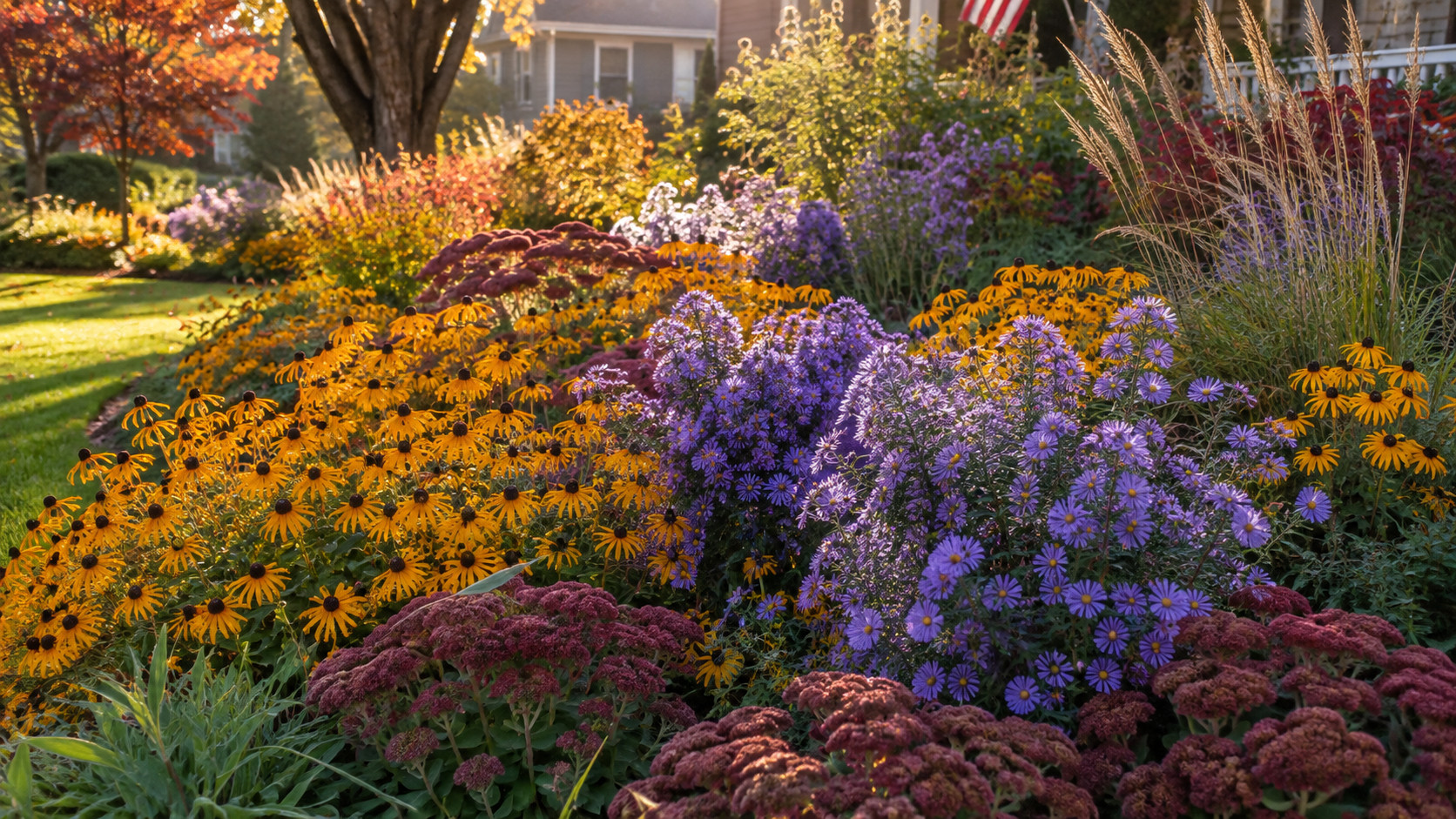
By late September, most gardens have called it a season. The petunias are leggy. The daylilies are done. Everything looks like it’s shrugging toward winter.
But some perennials are just getting started.
These are the plants that carry a yard from the tired end of summer straight through the first frost — golden daisies, rosy sedum heads, purple asters humming with bees when almost nothing else is open. Plant a handful of them and your border keeps working while the neighbors’ beds go brown.
A few even rebloom on cue if you shear them at the right moment. Others save their best show for October on purpose.
Here are 23 perennials that keep blooming into fall — and how to get the most out of each one.
1. Stella D’Oro Daylily
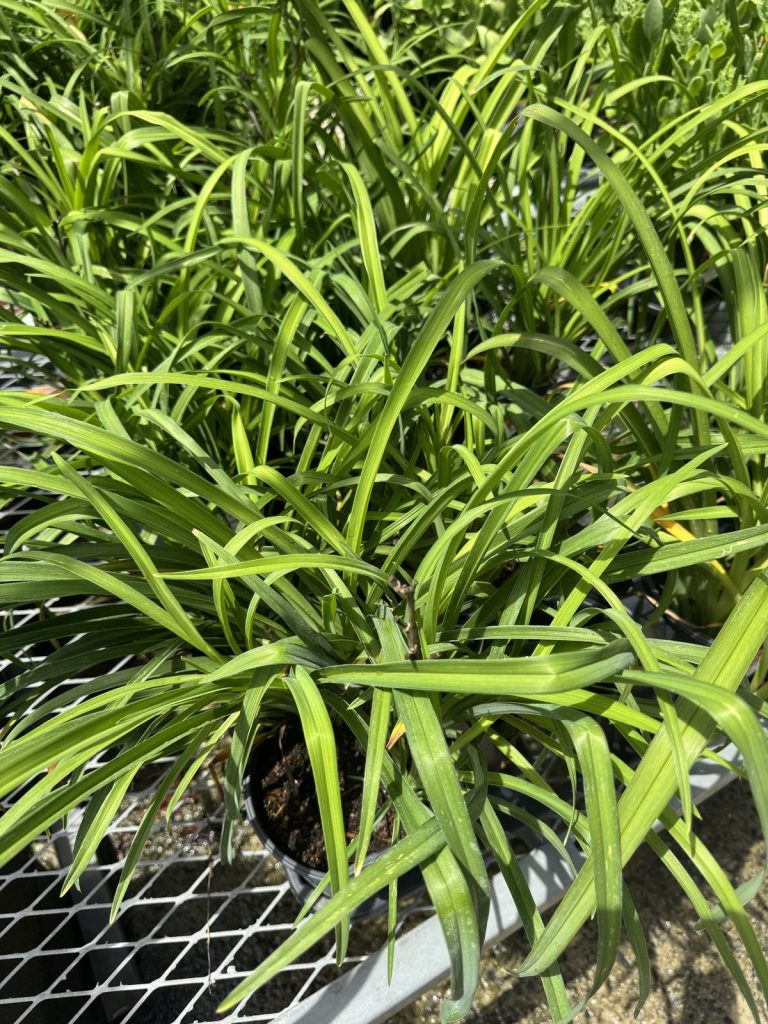
Odds are you already grow it. Stella D’Oro is the best-selling daylily in the country, and it’s the plant that kicked off the whole reblooming craze.
Those golden trumpets don’t come once and quit. They arrive in waves from early summer straight into early fall — four months of color or more from a plant that asks almost nothing back.
Deadhead the spent blooms and you’ll push even more flowers. It’s hardy through Zones 3 to 9 and shrugs off heat, drought, and clay.
Cheap, everywhere, and nearly impossible to kill. That’s exactly why it earns the top spot.
2. Zagreb Coreopsis
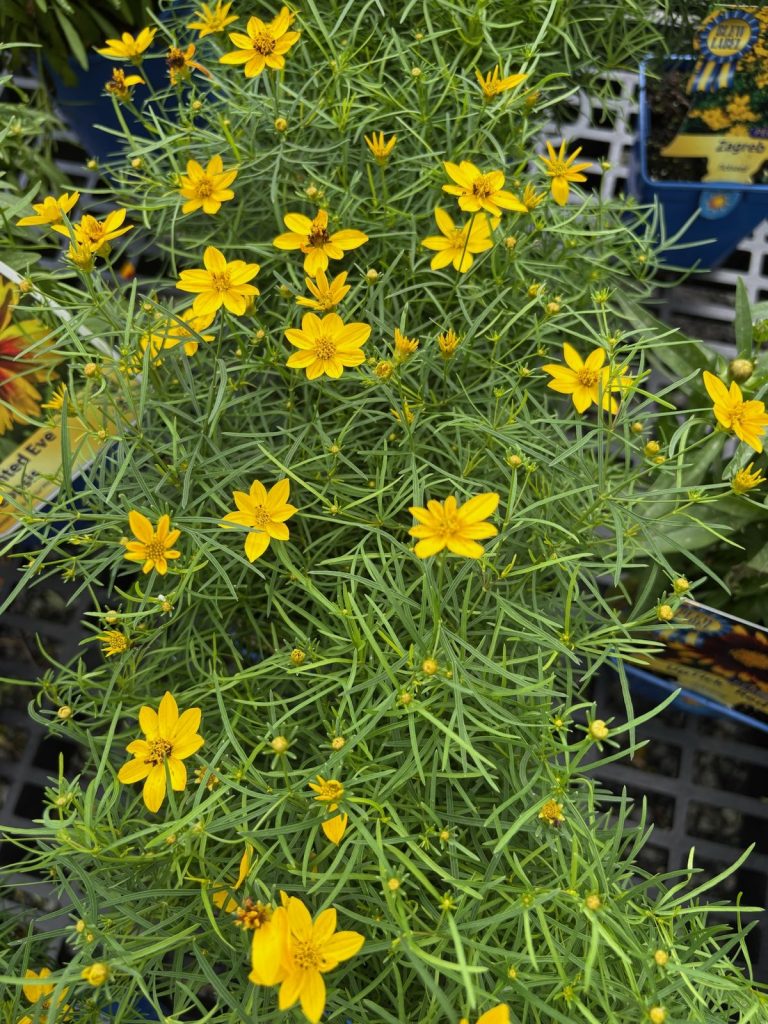
An airy cloud of threadleaf foliage topped with small golden daisies. Zagreb pumps them out from midsummer until frost.
Here’s the trick most people miss. Shear the whole plant back by about a third in early August, and it reflushes with a fresh flush of fall bloom instead of fading out.
The cultivar was bred at the University of Zagreb in Croatia and picked up an RHS Award of Garden Merit in 2001. Bees love it, deer usually leave it alone, and it spreads into a tidy drift over a few seasons.
3. Black-Eyed Susan

If one flower announces fall, it’s this one. Golden petals around a dark chocolate cone, blooming from late July right up to the first hard freeze.
The workhorse variety is ‘Goldsturm,’ named Perennial Plant of the Year back in 1999. The newer ‘American Gold Rush’ took the same honor in 2023 and shrugs off the leaf spot that plagues older types. Both are native and both are tough as nails, per the North Carolina Extension Gardener Plant Toolbox.
Leave the seed heads standing when the petals drop. Goldfinches will strip them all winter. It’s one of the easiest ways to feed birds and skip a few fall cleanup jobs at the same time.
4. Coneflower ‘Magnus’
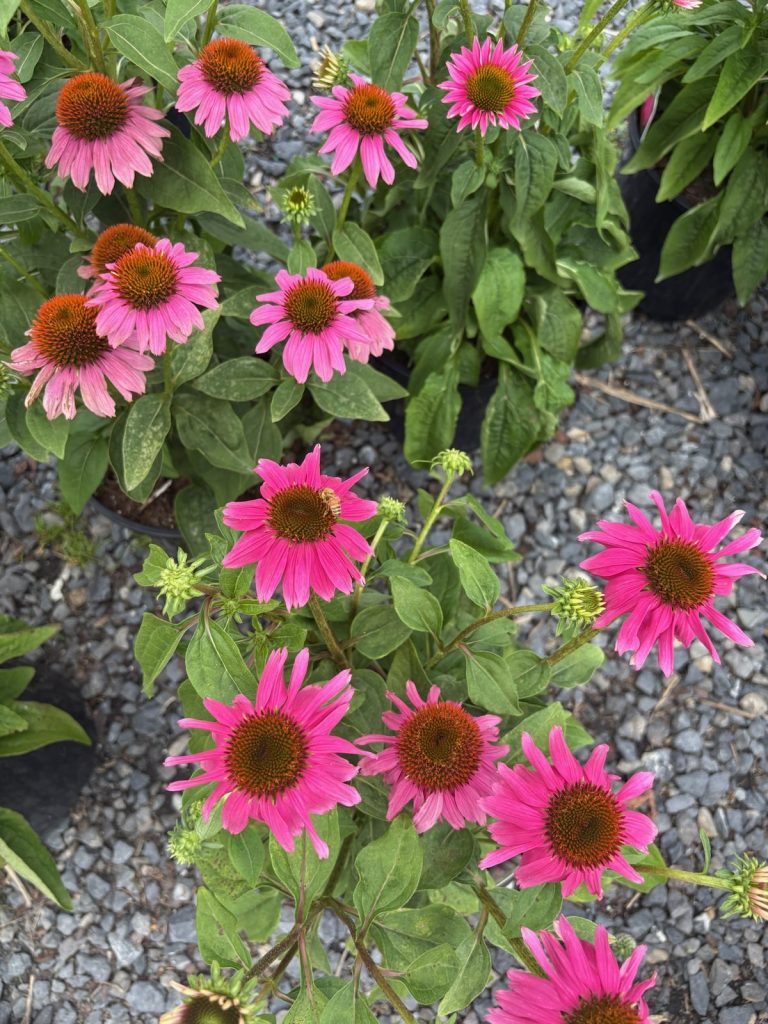
The classic purple coneflower. Broad rosy-purple petals, a big spiny orange cone, and the toughness that made it the benchmark every other Echinacea gets measured against.
‘Magnus’ was Perennial Plant of the Year in 1998, and it earned it. This plant is long-lived, drought-proof, and happy in lousy soil.
It blooms from midsummer well into fall. Leave the cones up and finches will feed on the seeds into winter, which is reason enough to skip the shears.
5. Coneflower ‘PowWow Wild Berry’

Deep magenta, and it stays that way. Where a lot of coneflowers fade to a washed-out pink as the blooms age, ‘PowWow Wild Berry’ holds its color right to the end.
It’s a compact, seed-grown Echinacea that won an All-America Selections award in 2010. Blooms cover the plant from summer until frost.
Best part for a busy gardener? It keeps flowering with no deadheading. Plant it and walk away.
6. Coneflower ‘Cheyenne Spirit’
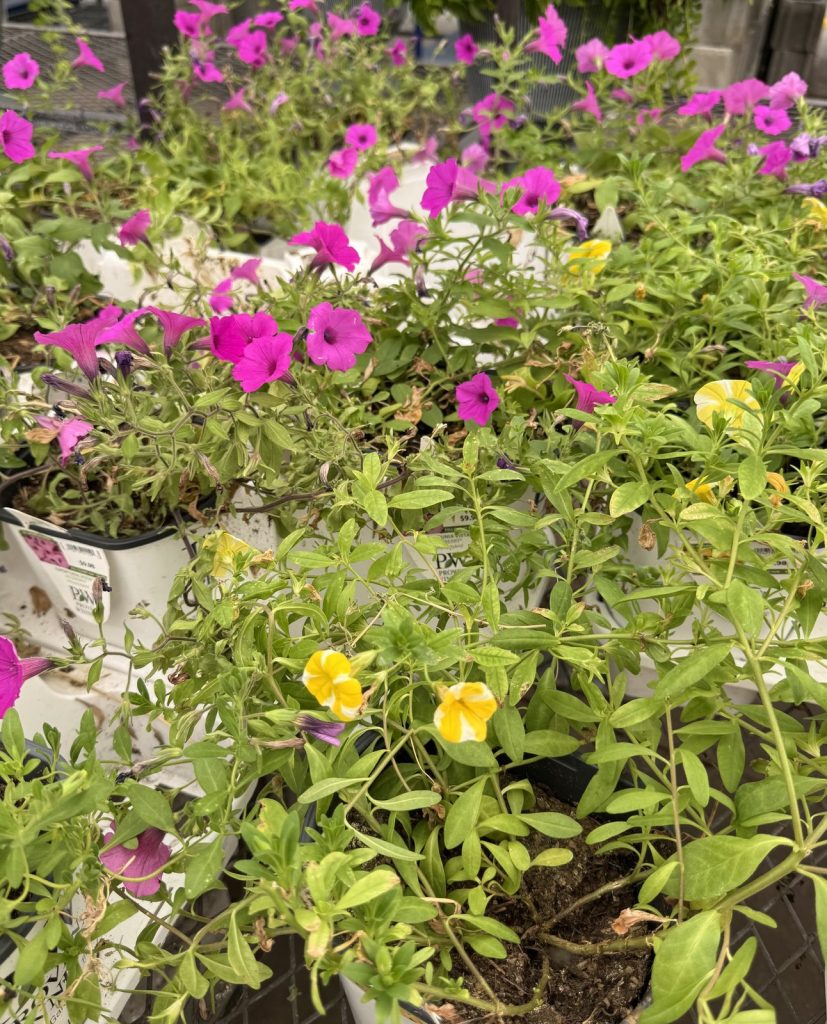
One packet, a whole sunset. ‘Cheyenne Spirit’ opens in cream, gold, orange, scarlet, and purple across a single planting.
It swept both an All-America Selections award and a Fleuroselect Gold Medal, and it blooms the first year from seed. The plant replaces spent flowers on its own, rolling right into fall.
The color range makes it a favorite for anyone who wants a warm, painterly bed without buying five different plants. Echinacea in general is one of the most reliable performers you can put in full sun, according to Clemson Cooperative Extension.
7. Coneflower ‘White Swan’

The clean one. Drooping white petals around a coppery-orange cone, and it comes true from seed year after year.
‘White Swan’ is the dependable long-bloomer that gives the whole coneflower group a crisp color break. Set it next to ‘Magnus’ or ‘PowWow Wild Berry’ and the white makes the purples pop.
It flowers summer into fall and feeds pollinators the entire run. A quiet classic that never disappoints.
8. Autumn Joy Stonecrop
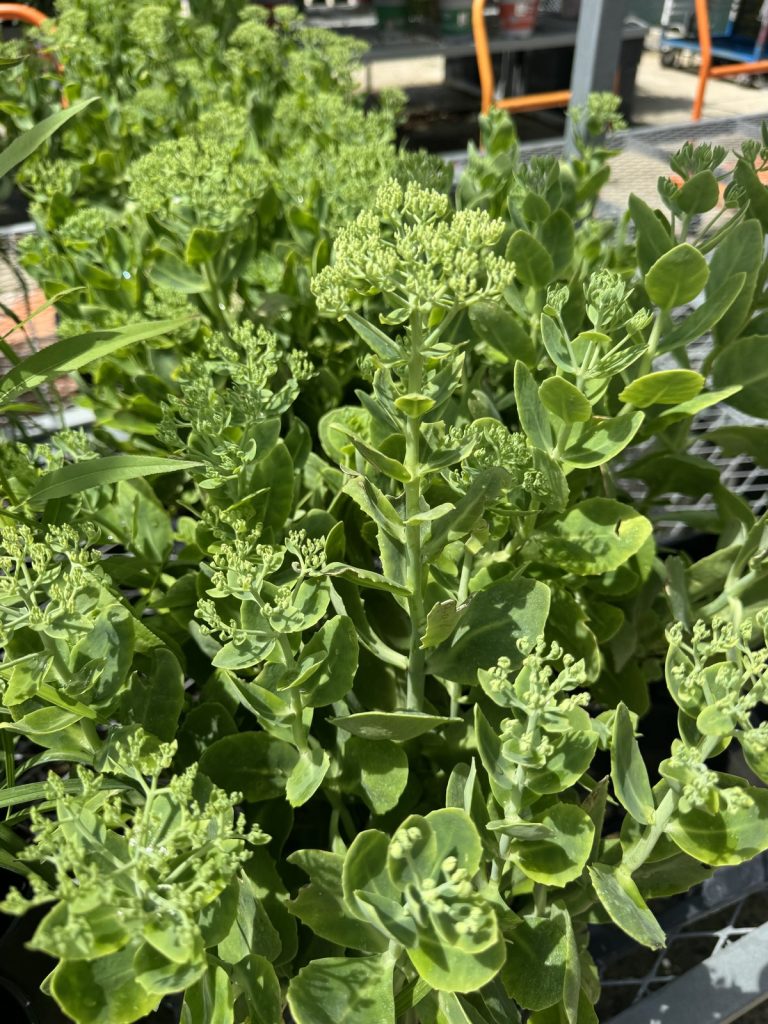
The definitive fall sedum. It works all summer building broccoli-like clusters of tight green buds, then finally opens.
The flowers start dusty pink in late summer, deepen to rosy-red, then fade to bronze. That color shift runs about eight weeks.
And it doesn’t stop there. The dried seed heads stand right through snow, catching frost on cold mornings. Deer-resistant, drought-proof, hardy in Zones 3 to 9 — this is a plant you cut back once in spring and forget about.
9. Catmint ‘Walker’s Low’
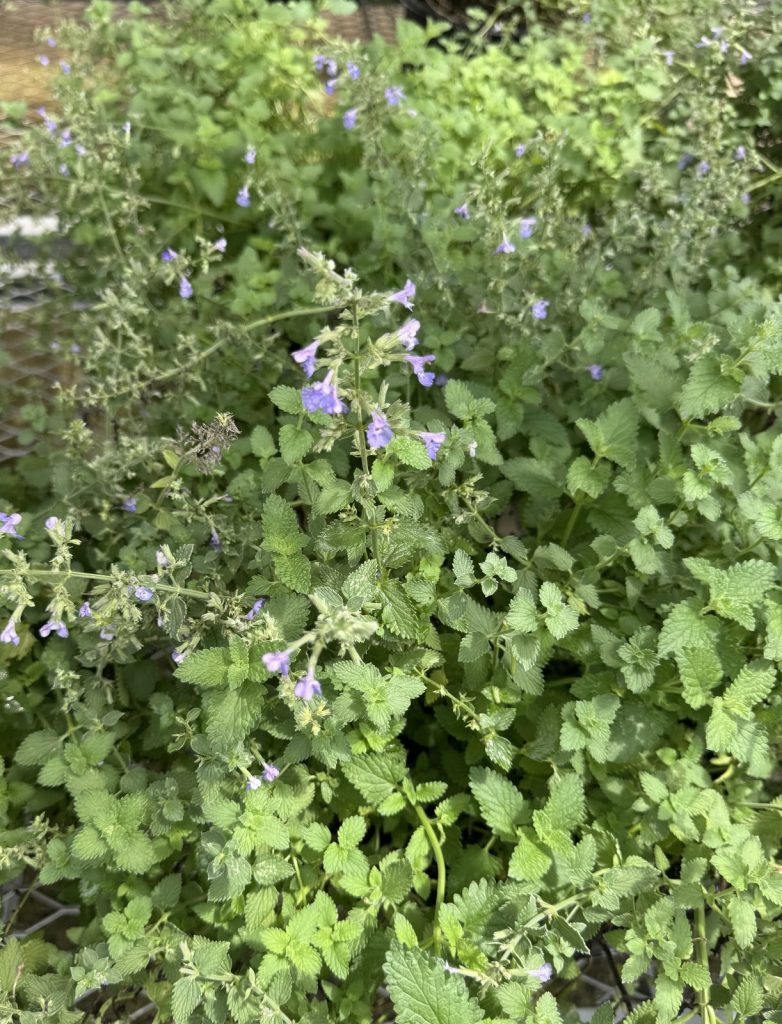
Everybody plants it for summer. Almost nobody gives it the shear that unlocks fall.
Cut ‘Walker’s Low’ back hard after its first flush fades in midsummer, and it comes roaring back with a second haze of lavender-blue that carries into autumn.
It was Perennial Plant of the Year in 2007. Deer skip it, bees swarm it, and it laughs at drought. Give it that mid-season haircut and it earns its keep twice.
10. Russian Sage
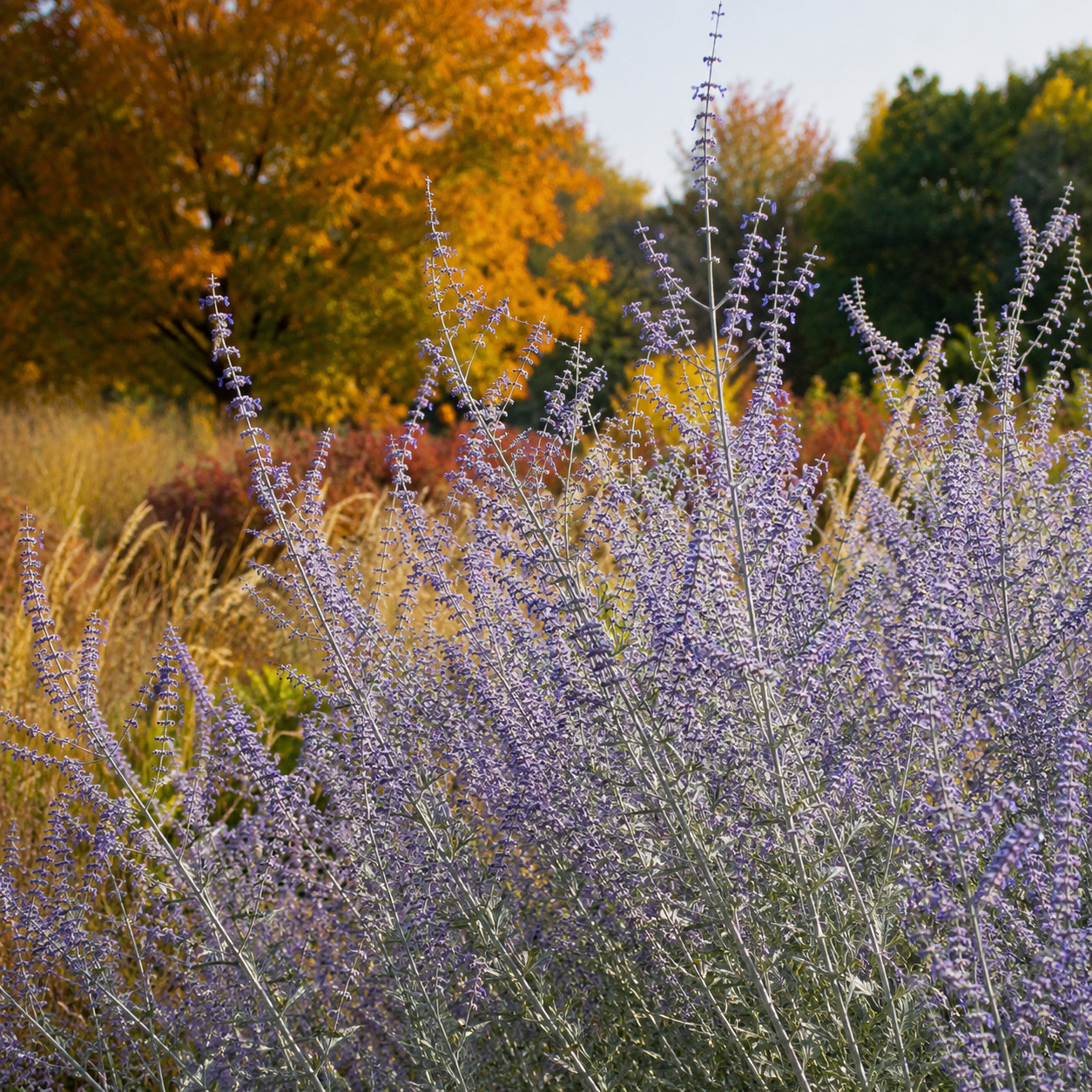
Silvery, aromatic stems topped with a froth of tiny lavender-blue flowers. It blooms from midsummer clear through October.
Even after the flowers fade, the purple bracts hang on, so the plant reads as blooming far longer than it technically is. That’s a bonus most perennials can’t offer.
A past Perennial Plant of the Year, it’s drought-tolerant and deer-proof — the lavender substitute for gardeners in cold climates where true lavender sulks. If you’ve wondered whether lavender belongs in your fall garden, Russian sage is often the safer bet up north.
11. Encore Azaleas: Autumn Angel, Autumn Carnation & Autumn Moonlight
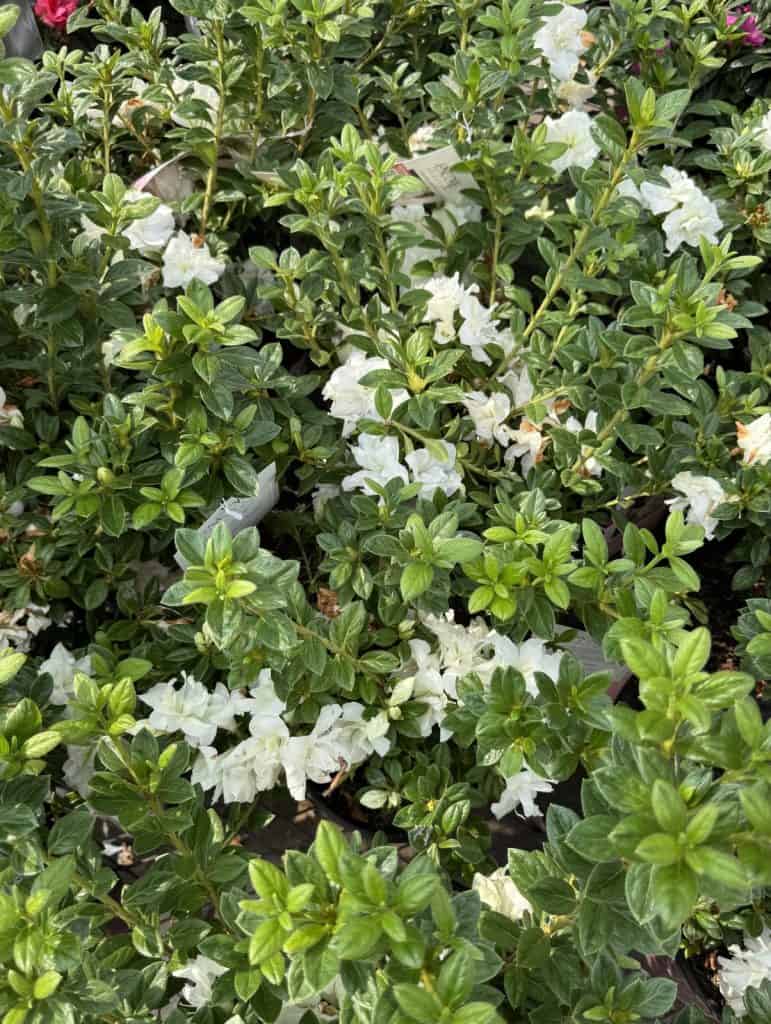
A shrub that acts like a perennial. Encore azaleas were the first reblooming azaleas, debuting in 1998, and they flower again in fall when the old-fashioned kinds have been done for months.
Autumn Angel is pure white. Autumn Carnation is a ruffled pink with purple-tinged foliage in cool weather. Autumn Moonlight is a white semi-double.
All three are evergreen, so they hold their leaves through winter too. Give them at least four to six hours of sun a day or the fall rebloom stays thin.
12. Helenium (Sneezeweed)

Don’t let the name scare you. Sneezeweed doesn’t cause allergies — the name comes from an old practice of drying the leaves for snuff, not from pollen.
What it does bring is fire. Daisy-like blooms in red, orange, and gold from August through October, exactly when the border needs warmth.
Cut the plants back by half in late spring for a bushier, sturdier stand come fall. Hardy in Zones 3 to 8, and deer generally pass it by.
13. Aster ‘Purple Dome’
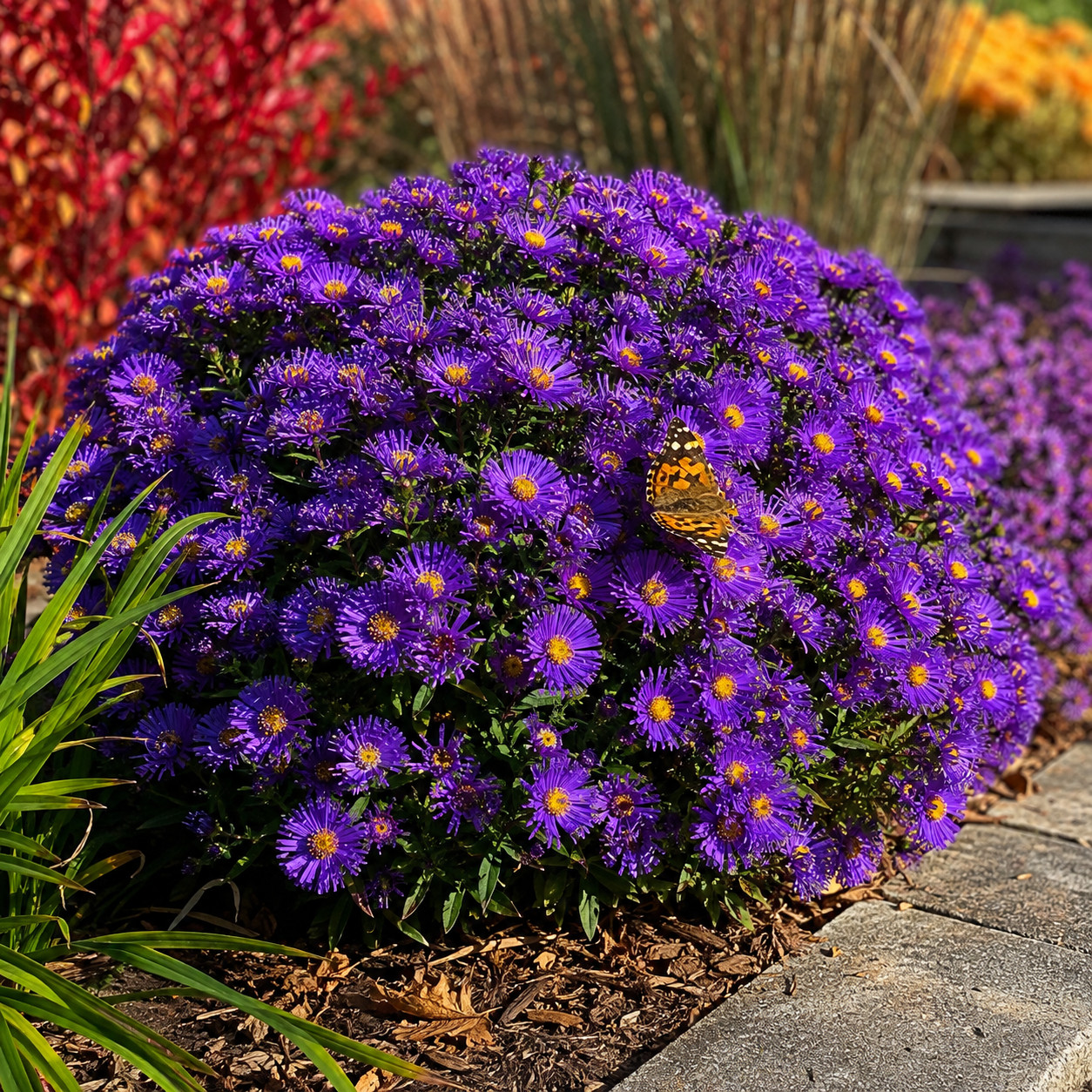
No fall garden is complete without an aster. ‘Purple Dome’ is the one that behaves.
Instead of the floppy, sprawling habit of tall asters, this native forms a neat mound and blankets itself in deep-purple daisies about an inch and a half across.
It blooms late summer through fall and pulls in bees and butterflies when almost nothing else is open. That late nectar matters — it’s one of the best pollinator plants to fill your yard with butterflies right before frost.
14. Goldenrod ‘Fireworks’

Goldenrod gets blamed for hay fever it never caused. The real culprit is ragweed, which blooms at the same time and has wind-borne pollen. Goldenrod’s pollen is heavy and insect-carried.
So plant it without guilt. ‘Fireworks’ sends out arching golden sprays in September and October that genuinely look like a burst of light.
It’s native, drought-tough, and pest-proof, and late pollinators cover it. A knockout at the back of an October border.
15. Joe Pye Weed

A native giant that too few people plant. Joe Pye Weed towers on strong stems, topped with big mauve-pink clouds of bloom.
Monarchs and bees can’t stay away from it. From midsummer into fall, it’s one of the busiest plants in the yard.
Put it at the back of the border for drama and height. It carries color deep into the season without any staking if the soil stays evenly moist.
16. Japanese Anemone

Elegance, late. Poppy-like flowers in white or soft pink float on tall wiry stems that sway in every autumn breeze.
It fills the gap that opens up in late summer and blooms until a hard frost. Look for ‘Honorine Jobert,’ a pure white classic, or the shorter pink ‘Pamina.’
It thrives in part shade where most fall stars refuse to perform. Be patient — it’s slow to settle in, then it spreads once it’s happy.
17. Pink Turtlehead

Look closely at a bloom and you’ll see it. The hooded pink flowers really do resemble a turtle’s head, mouth slightly open.
This native is one of the rare fall bloomers that loves moist shade, which makes it a natural for a damp, shady spot where grass won’t grow or the edge of a rain garden.
Deer strongly dislike it. And the odd flower shape is a welcome break from a bed full of daisies.
18. Japanese Toad Lily

The plant that rewards a close look. Toad lily opens small orchid-like flowers, white and heavily freckled with purple, right along its arching stems.
They appear just as the season winds down, from late summer into early fall. From a distance it’s subtle. Up close it’s stunning.
Tricyrtis hirta is a shade-lover that forms slow colonies over the years. Tuck it beside a walkway where people will actually notice the detail.
19. Sheffield Pink Mum
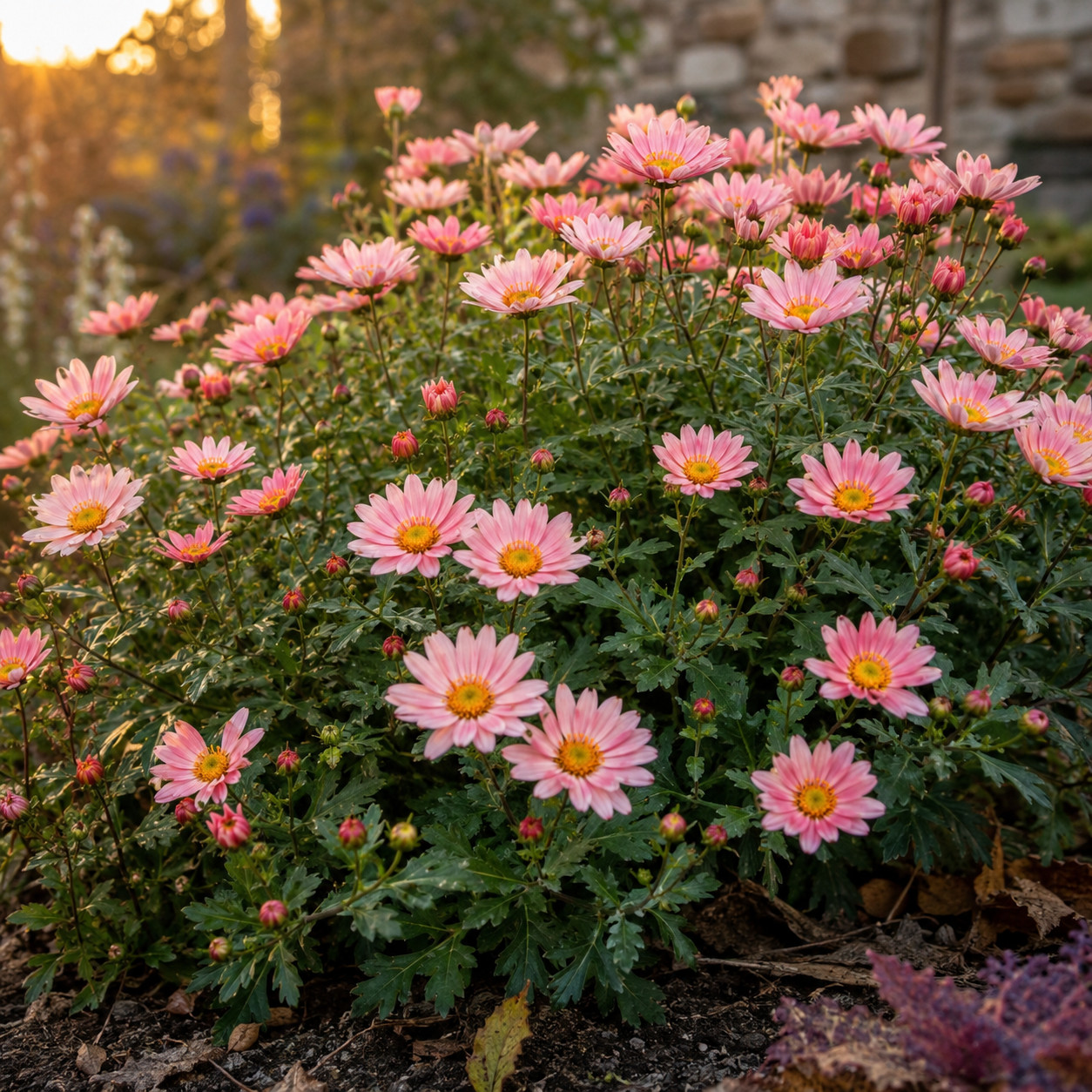
The antidote to disposable florist mums. This is a genuinely hardy garden mum that comes back and spreads every year.
Single apricot-pink daisies open in October and keep going to frost. In northern gardens it’s often called the last hurrah of the season.
Hardy in Zones 3 to 7, it settles in and multiplies instead of dying over winter like the grocery-store kind. Plant it once and it’s yours for good.
20. Montauk (Nippon) Daisy
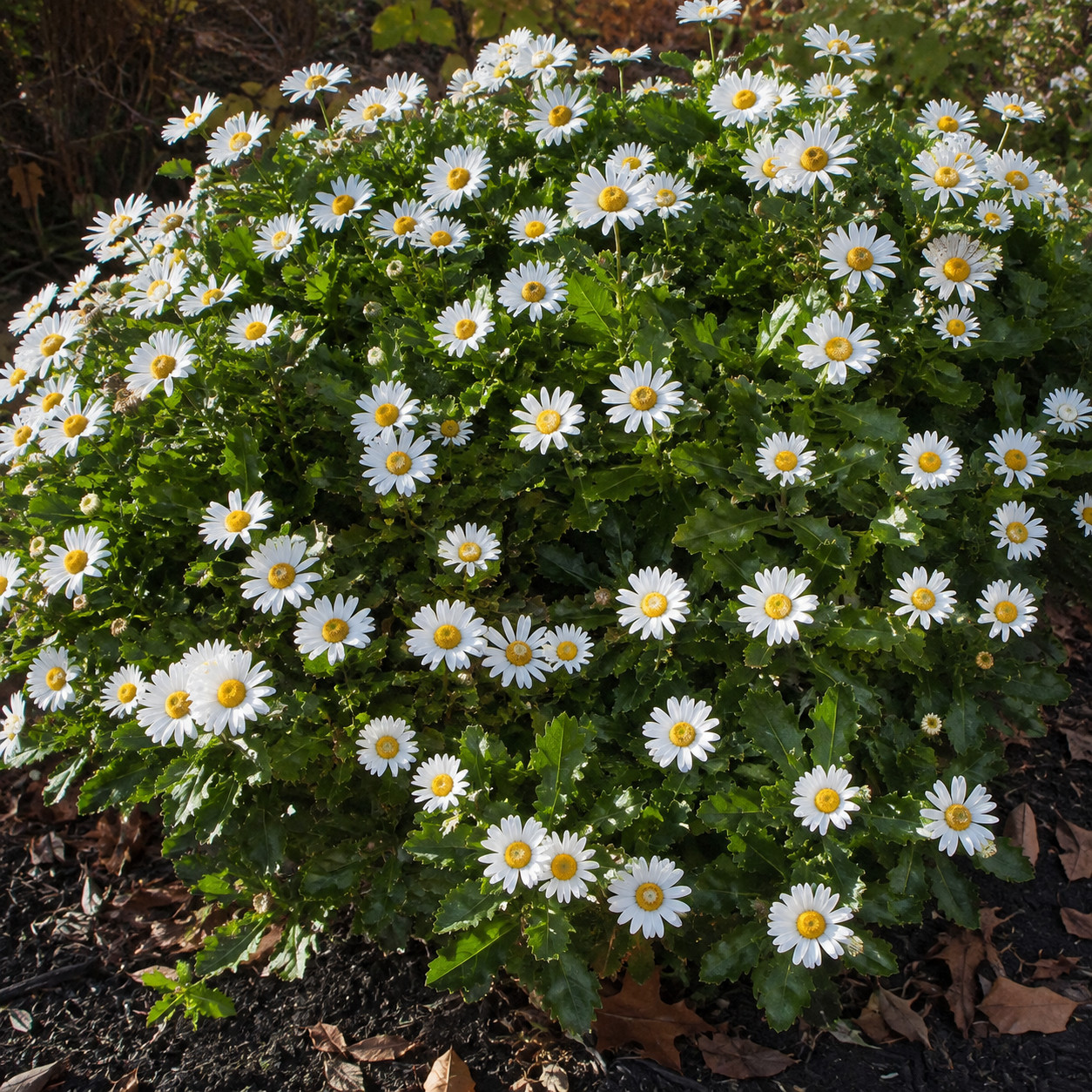
A shrubby daisy with thick, glossy leaves that saves its best for last. Big crisp white blooms open at the very tail end of the season.
While everything else is winding down, Montauk daisy is just hitting its stride. It’s reliable, cheerful, and stubbornly late.
The list opened on golden trumpets and closes on white daisies — bright color from the first warm week to the last. Hardy and a favorite in cold-climate gardens.
21. Balloon Flower (Platycodon)

Watch the buds before they open. They puff up like little balloons, then split into blue-violet stars.
It’s a tough northern-garden perennial that flowers from summer into early fall. The show fades a touch earlier than the true late-season stars, so pair it with something like aster or mum to carry the bed.
Kids love the pop-the-balloon buds. It’s a quiet crowd-pleaser.
22. Gaillardia (Blanket Flower)
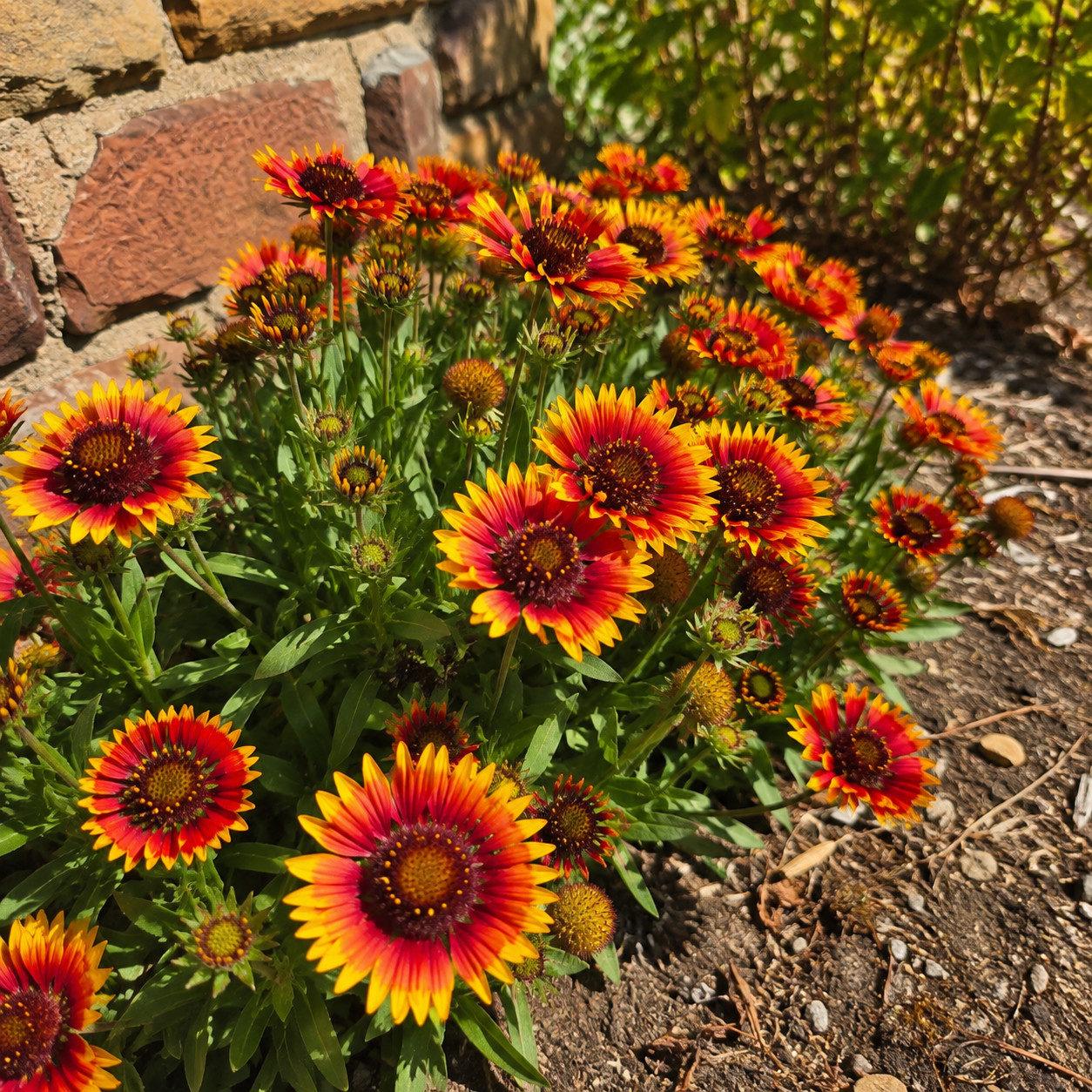
Nonstop. Blanket flower throws red-and-gold daisies from early summer straight to frost without a real pause.
It stays low and tidy, so it’s a natural at the front of the border where taller fall bloomers would flop over. Think of it as a shorter alternative to Helenium’s fire.
It’s happiest in full sun and lean soil, which makes it a strong pick among plants that survive full sun and zero attention. Deadhead now and then and it never quits.
23. Agastache (Anise Hyssop)
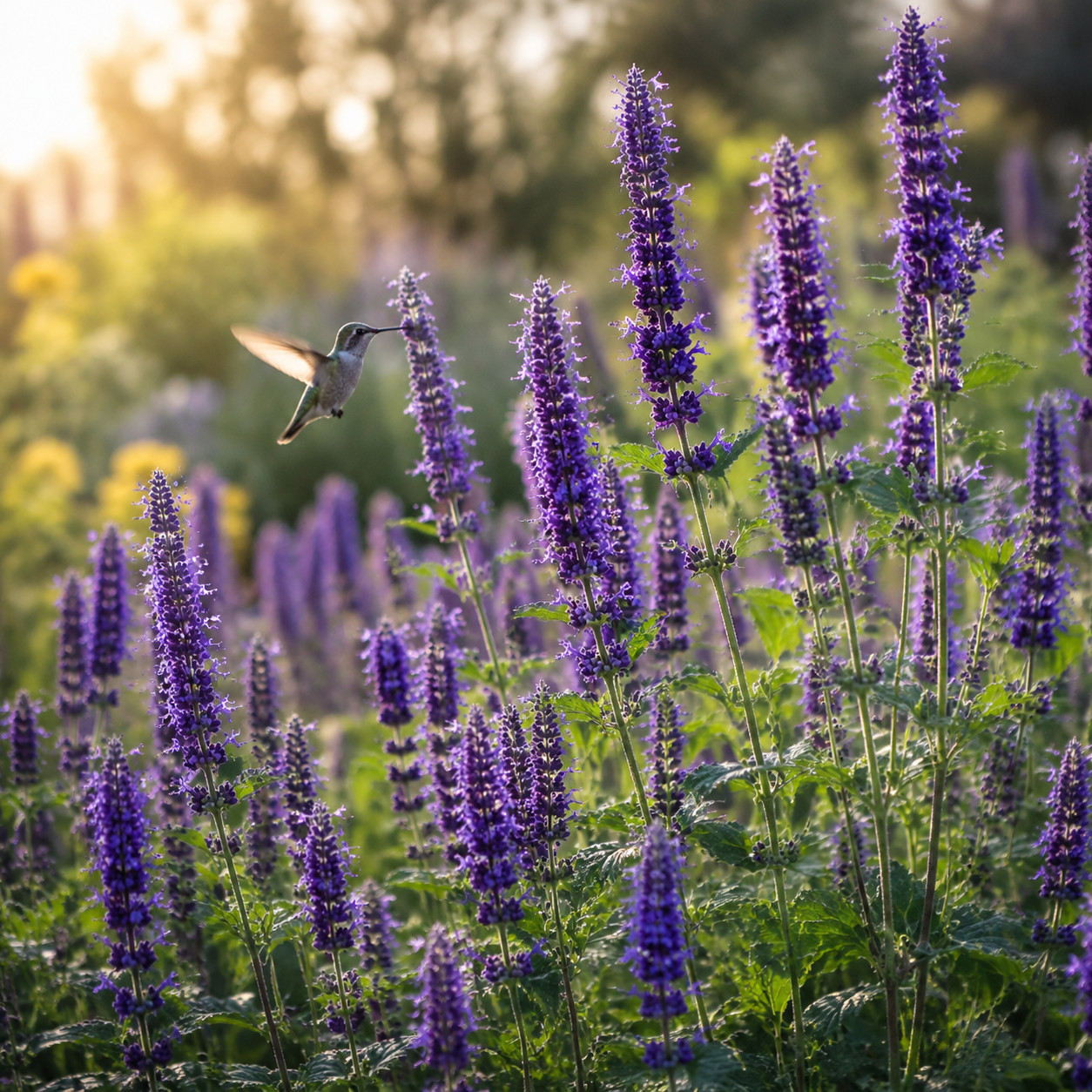
Brush a leaf and it smells like licorice. Agastache sends up fragrant flower spikes that hum with bees and hummingbirds from midsummer until frost.
It gives you a vertical accent to stand alongside Russian sage, but with a longer, showier bloom in blue, purple, or coral depending on the variety.
Pollinators work it hard right up to the cold. If you want to keep hummingbirds coming until frost, this one belongs on the list.
A garden doesn’t have to fold in September. Choose a few of these and the color keeps rolling while the light goes gold and the mornings turn crisp.
Mix the shapes on purpose — round daisies against spiky sage, low blanket flower against towering Joe Pye Weed. Layer bloom times so something’s always opening as something else winds down.
Do it once, and fall stops being the season your yard gives up. It becomes the season it shows off.