

Every yard has one. The plant that looked incredible at the nursery and now owns your Saturdays.
Nobody plants a problem on purpose. You plant a picture — the lavender curtain over the pergola, the privacy screen that fills in fast, the blue mopheads from the catalog. Three years later you’re sawing, spraying, digging, and calling somebody.
Some of these plants cost money in ways that don’t show up until a plumber runs a camera down your sewer line or a home inspector writes a word your buyer’s agent googles.
The University of Missouri Extension puts it bluntly in its low-maintenance landscaping guide: plant selection, not effort, decides how much work a yard demands. Choose wrong and no amount of weekend labor fixes it.
Here are 30 plants that photograph beautifully and bill you for it later.
1. Bradford Pear
For about fifteen years it’s the best-looking tree on the block. White spring canopy, glossy leaves, perfect lollipop shape, cheap at every big box store.
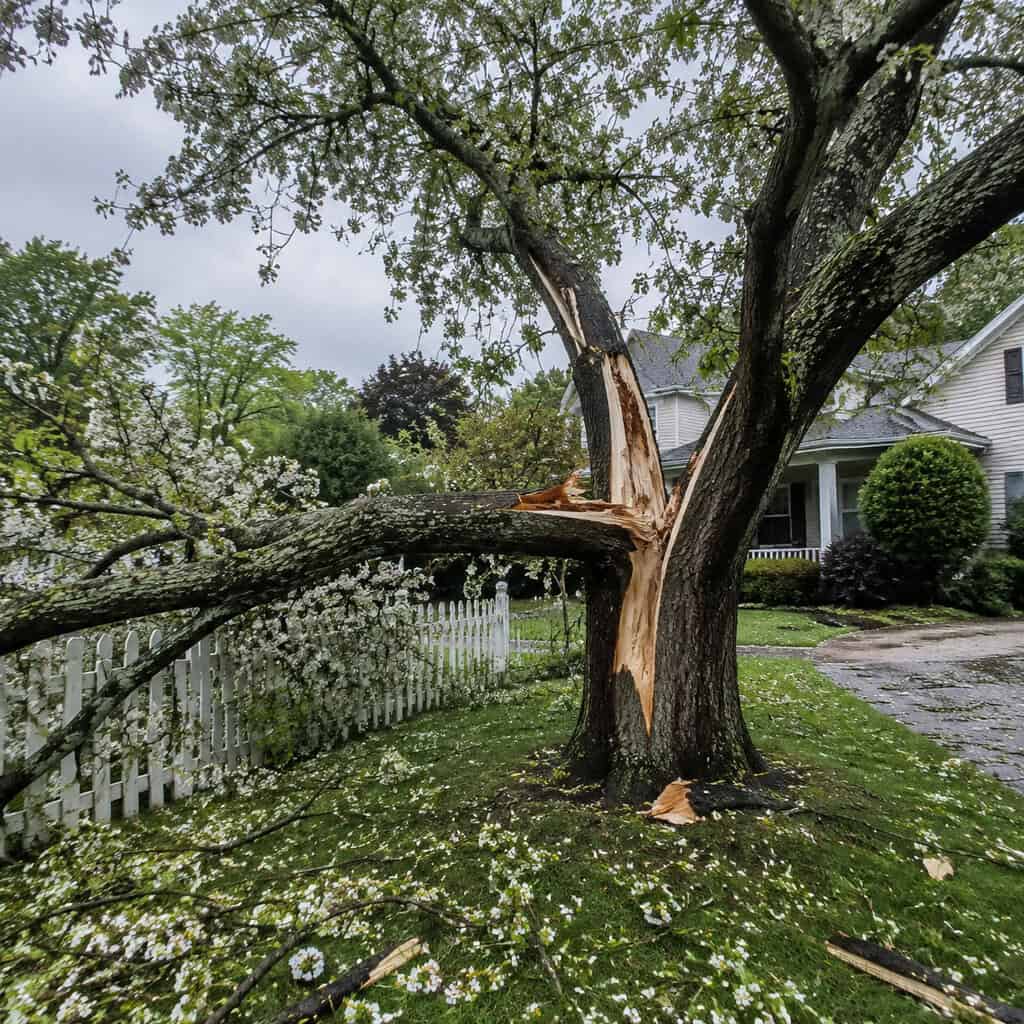
Then physics arrives. Bradford pears grow multiple limbs from the same narrow point on the trunk, and those unions are weak by design. The first serious ice storm or summer microburst splits the tree down the middle — often taking a fence, a car, or half a roofline with it.
The flowers smell like rotting fish up close. And the fruit birds spread produces thorny wild seedlings that puncture mower tires and colonize fence lines.
Maryland now prohibits it, and Ohio made it illegal to sell, grow, or plant. The University of Maryland Extension recommends serviceberry or fringetree instead — same white spring show, none of the structural failure.
2. English Ivy
Year two, it looks like the house has been there a century. Year six, it’s a claim on your homeowners policy.
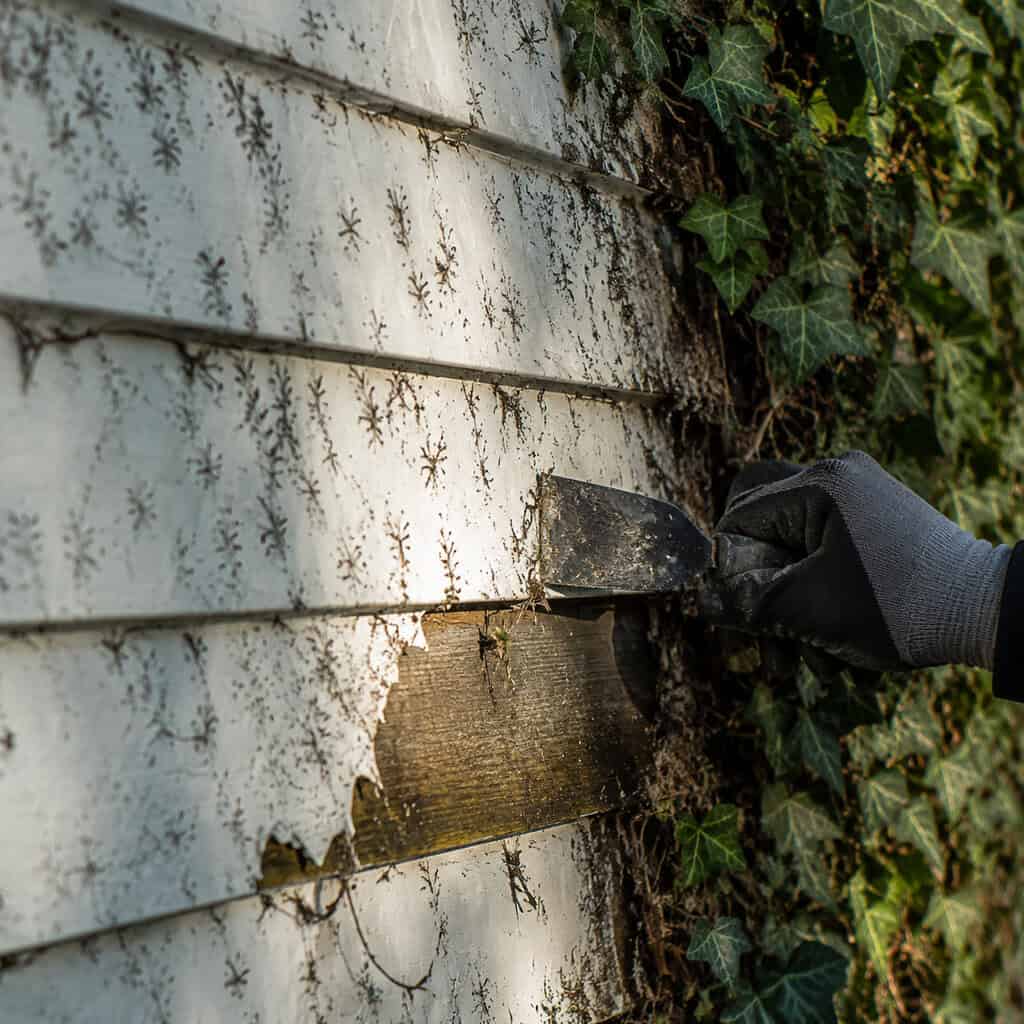
Ivy doesn’t just lean on a wall. Its aerial rootlets secrete an adhesive and force themselves into any seam they find — lap siding joints, mortar gaps, the flashing behind a window. Once inside, the vine widens the opening as it thickens.
The real damage is water. A mat of ivy holds moisture against the wall permanently, so siding never dries out after rain. On wood siding that means rot working from the back side, where you can’t see it. On brick it means mortar softening joint by joint. Behind vinyl it means sheathing and framing staying damp through an entire wet season.
Homeowners usually find out during a siding replacement. The ivy comes off, and so does the sheathing.
Removal is worse than planting was. You can’t pull it off a wall — the rootlets stay behind and the stems tear siding loose. This Old House recommends cutting the vines at the base, letting them die and dry for weeks, then working them off with a stiff brush and scraper.
The ground portion is a separate multi-season war. Every fragment of stem left in the soil re-roots. Herbicide barely penetrates the waxy leaves. Hand-pulling, repeated for two or three years, is the only method that actually finishes the job.
3. Running Bamboo
It solves your privacy problem in one season. That’s the trap.
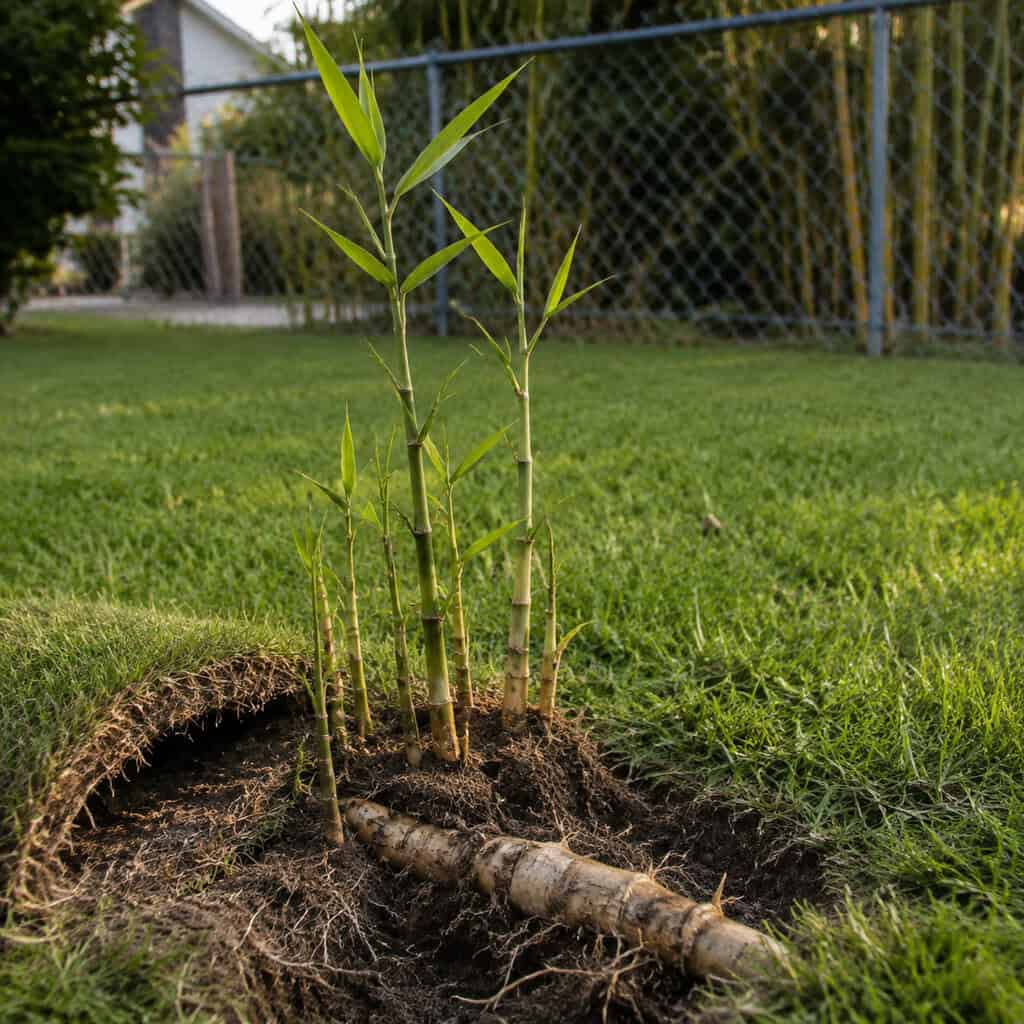
Running bamboo spreads by rhizomes traveling underground, and 15 feet of lateral movement in a year isn’t unusual. Year four, culms are coming up in your neighbor’s lawn, through their patio joints, and in the strip along the sidewalk.
Containment means an 18-inch-deep barrier of concrete, metal, or HDPE around the entire planting — inspected every year for rhizomes jumping the top edge. Clemson’s Home & Garden Information Center notes that any fragment left in the soil restarts the whole thing.
Fairfax County, Virginia wrote an ordinance about it. That should tell you something about how these disputes end.
4. Hybrid Tea Roses
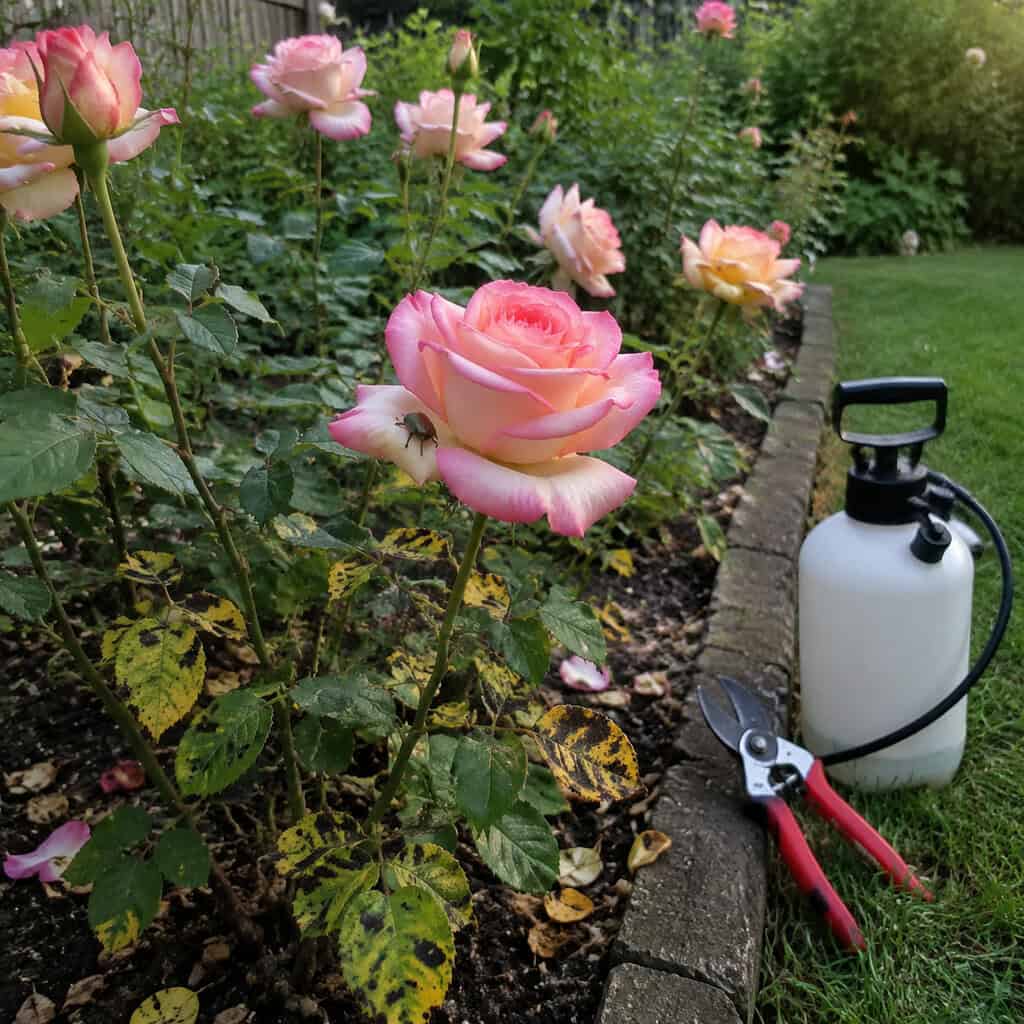
The florist rose on a stick. Beautiful, and a weekly chore from May to frost.
Black spot defoliates it. Powdery mildew grays the new growth. Japanese beetles skeletonize the blooms in July. Keeping it presentable means a fungicide schedule, not a spray-when-you-notice habit.
Then there’s deadheading every few days, hard pruning in spring, and mounding soil or mulch over the graft union before winter in colder zones.
Plant a landscape shrub rose instead. You get 80% of the look and roughly none of the calendar.
5. Weeping Willow

Storybook tree. Terrible neighbor.
Willow roots are aggressively water-seeking, and they spread far wider than the canopy — commonly two to three times the tree’s height. They find the wettest thing available, which in most yards is a leaking joint in an old clay sewer lateral or the distribution lines of a septic drain field.
Roots don’t crack a healthy pipe. They exploit one that’s already weeping at a joint, then fill the line with a fibrous mass that catches everything you flush. First symptom is a slow drain. Second is backup in the basement. A camera inspection and hydro-jetting runs a few hundred dollars, and it comes back — the roots regrow toward the same moisture within a year or two.
Full lateral replacement, if it comes to that, is a trenching job that routinely lands between $3,000 and $10,000 depending on length, depth, and whether your line runs under a driveway.
Septic is worse. Roots in a drain field can mean rebuilding the field, which is five figures in most of the country.
Meanwhile the tree sheds twigs and small branches constantly, so you’re raking under it nine months a year. And it’s a short-lived tree — many are declining or hazardous by 30 years, which means paying for removal of something with a 60-foot spread.
If you want one, plant it at least 50 feet from any structure, pipe, or septic component. Better yet, plant it beside a pond you don’t own the plumbing for.
6. Mint Planted in the Ground
Four dollars. Ten years of consequences.
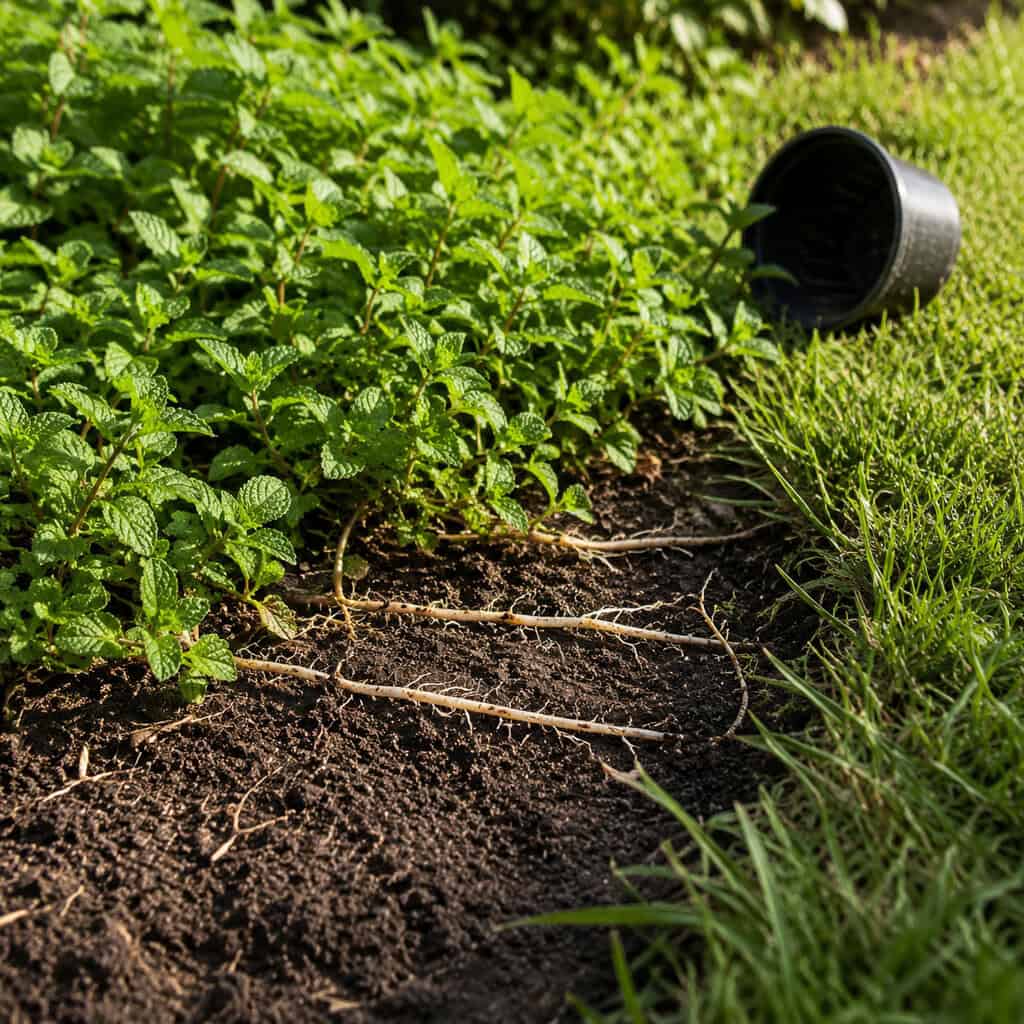
Mint spreads by stolons — horizontal stems that run just under the surface and root as they go. One plant becomes a four-foot patch in a single season and reaches the lawn edge by the second.
Digging it out fails, because every white root fragment you snap off becomes a new plant. People fight the same mint patch for a decade.
The fix takes two minutes and almost nobody does it. Sink a bottomless container in the bed with the rim standing an inch above the soil line, and plant the mint inside it. Stolons can’t climb the lip.
7. Japanese Barberry
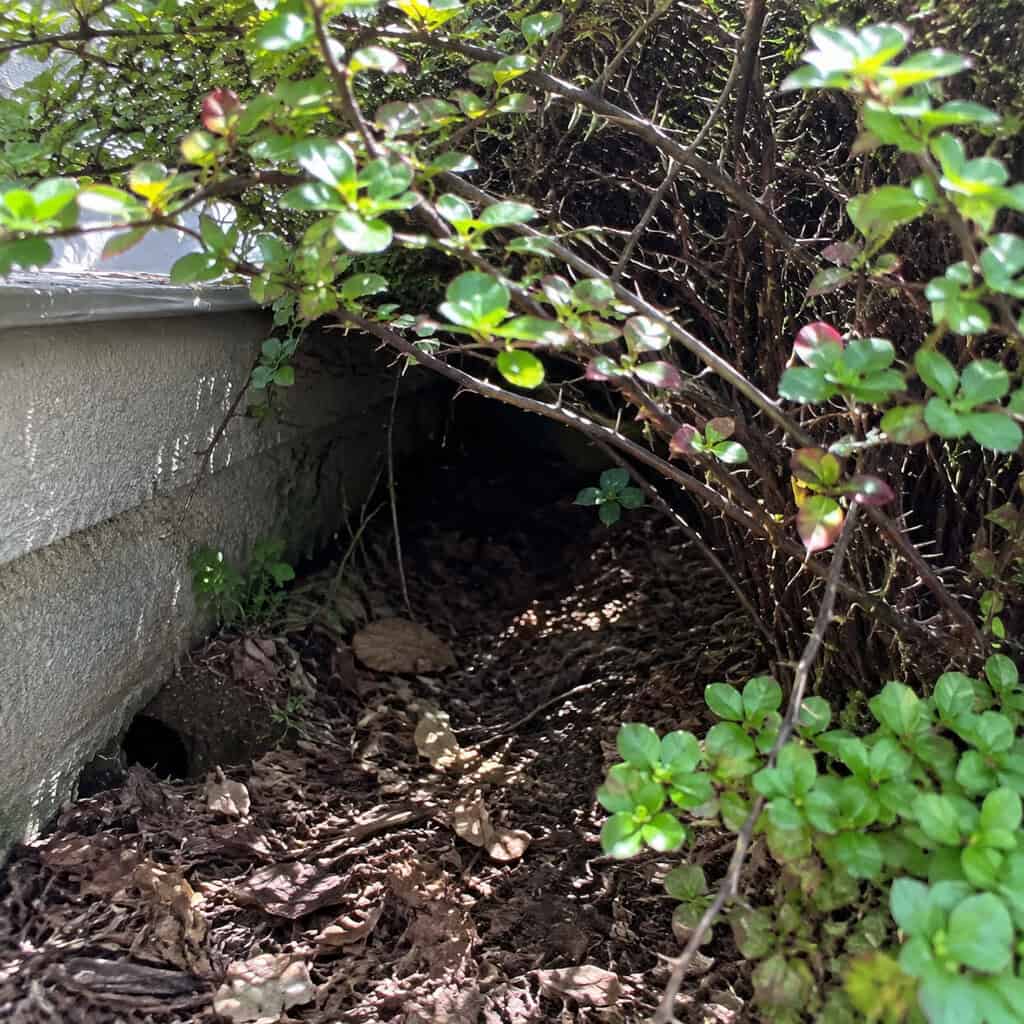
It ticks every box. Deer won’t touch it. It stays tidy without shearing. Fall color is excellent, and the thorns discourage foot traffic.
It’s also a tick factory.
A dense barberry thicket creates a specific microclimate — deep shade, still air, high humidity right at ground level. Blacklegged ticks dry out and die in open sun; inside barberry they stay hydrated and active far longer. White-footed mice, the main reservoir for the Lyme bacterium, nest in the thorny cover because predators can’t reach them there.
Put those together and you get amplification. A Trinity College study comparing habitat types found dramatically more Lyme-carrying blacklegged ticks in fully barberry-invaded areas than in plots where barberry had been removed or never established.
Which means the shrub along your walkway isn’t neutral. It’s habitat, twelve feet from your door, in the exact place your kids and dog brush past every day.
Removal is genuinely miserable work. The thorns are small, numerous, and go through gardening gloves. The root crown is tough and shallow-anchored, so you’re leveraging it out with a mattock or a chain and a hitch. Cut stumps resprout, so you either dig the crown or treat it.
Do it in early spring while the canopy is bare and you can see what you’re grabbing. Then check yourself for ticks anyway.
8. Sweetgum
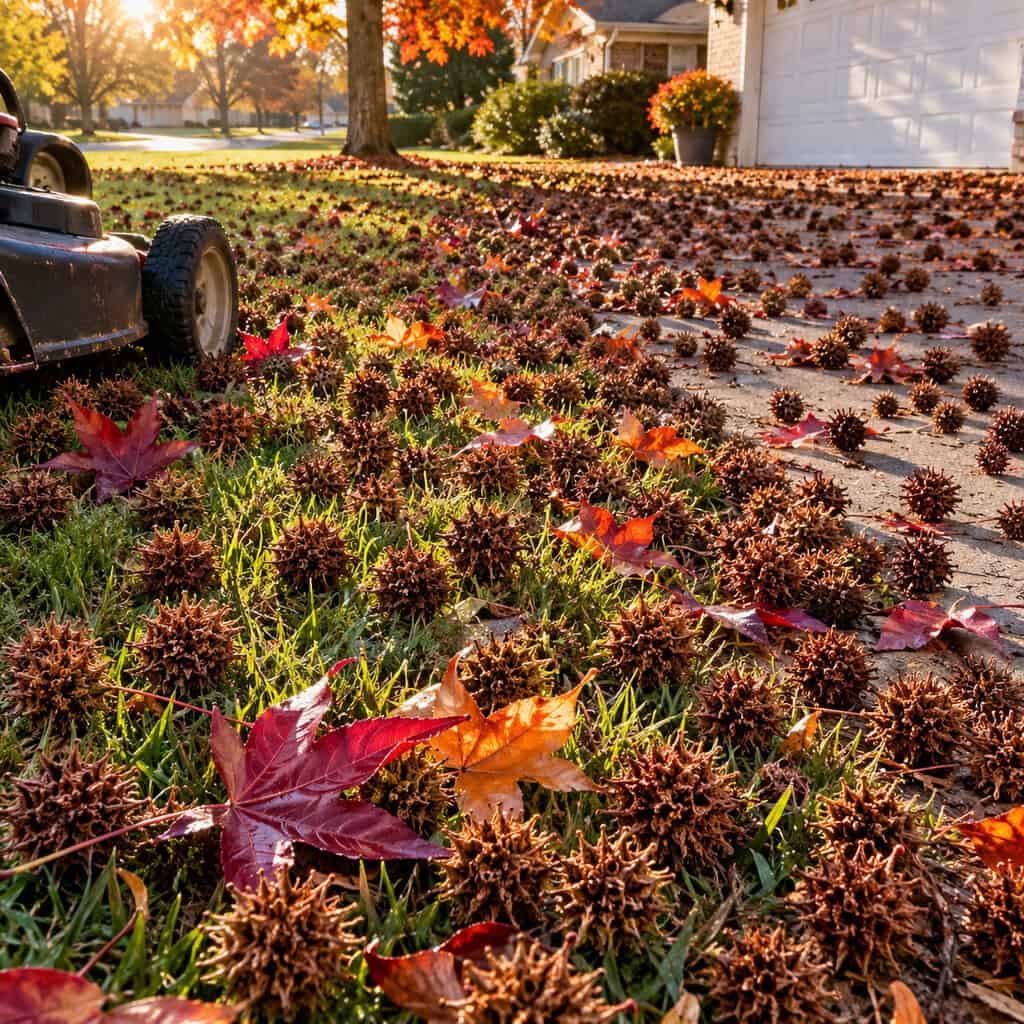
The fall color is genuinely magazine-worthy — burgundy, orange, and purple on the same tree, sometimes on the same leaf.
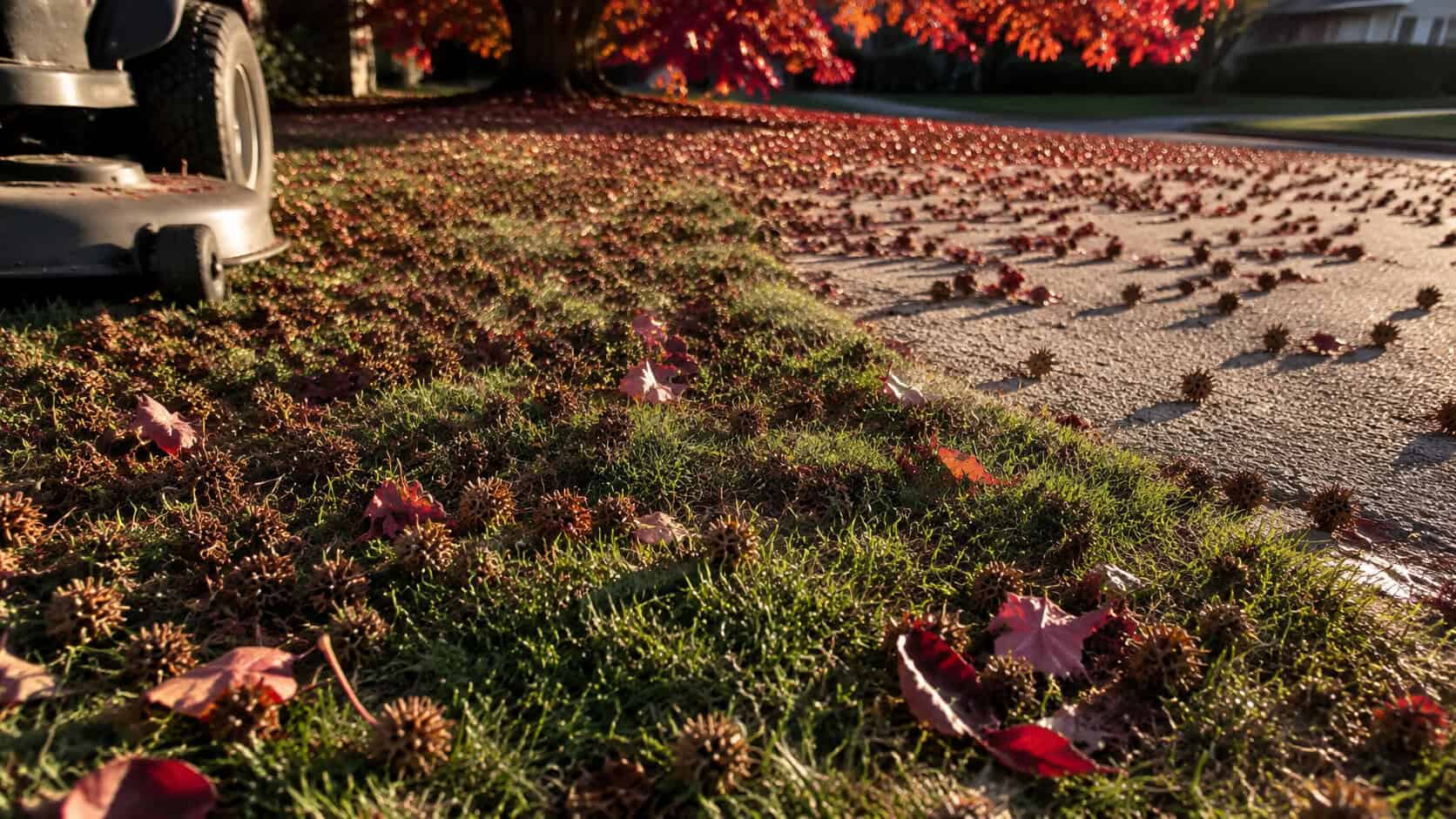
Then the gumballs come. Hard, woody, spiked seed balls, roughly an inch across, dropped by the thousands from a mature tree.
They jam mower decks and shred string trimmer heads. They roll underfoot on walkways — one of the few yard hazards that actually sends people to urgent care. They fill gutters and pack downspouts solid.
Raking doesn’t work because they hide in the grass. Lawn sweepers and nut gatherers help. House Digest lists it among the messiest trees you can put in a yard, and the mess lasts for decades.
9. Bigleaf Hydrangea
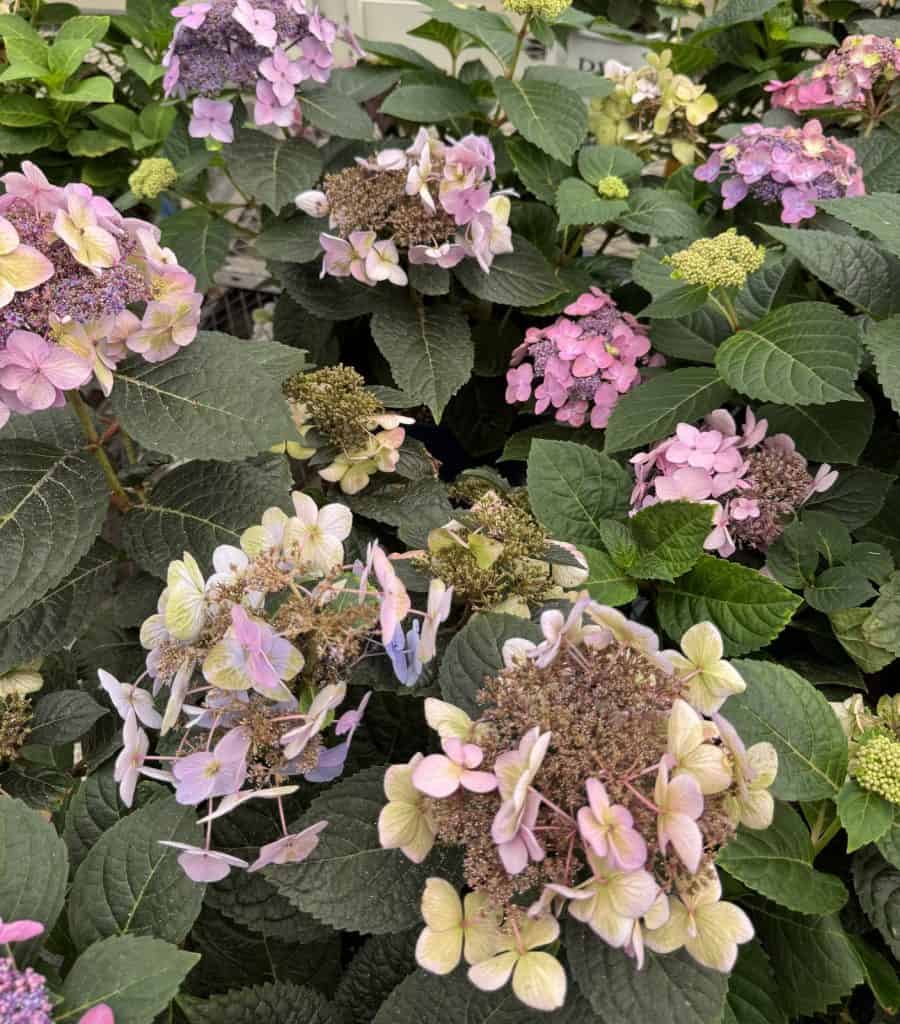
You bought it for the blue mopheads. You got a green shrub.
Bigleaf hydrangea sets next year’s flower buds on this year’s wood, in late summer. Those buds spend the winter exposed. A hard March freeze after a warm February kills them, and so does pruning at the wrong time — which for this plant means almost any time except right after it blooms.
Two blooming failures in a row and people assume they need fertilizer. They need a different shrub, or a reblooming cultivar that flowers on new wood too.
It also flags dramatically in afternoon heat. Big thin leaves, shallow roots, and a plant that looks dead by 2 p.m. every day it hits 90. Plan on daily watering in July.
10. Chinese Wisteria
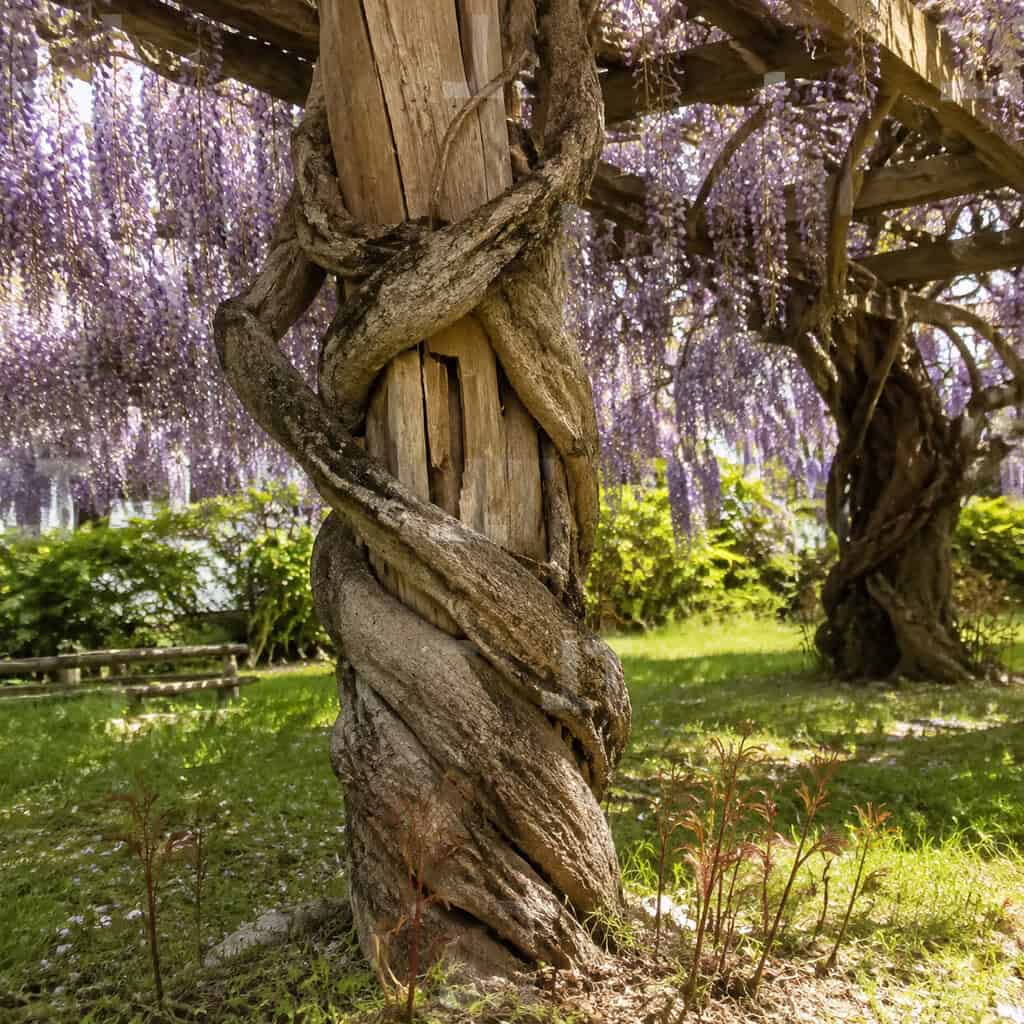
Those lavender curtains are attached to a woody vine that gets as thick as your forearm and twists as it grows.
Wisteria doesn’t climb a pergola so much as absorb it. Mature stems crush 4×4 posts, pull gutters off fascia, and spiral-girdle any tree they reach. It also suckers, so new shoots appear in the lawn ten or twenty feet from the base.
Keeping it in bounds means two prunings a year, every year, forever — a hard cut after flowering and another in winter. Miss one season and you’re using a reciprocating saw.
The insult: seedling-grown Chinese wisteria often sulks for seven to ten years before it blooms at all. Buy a grafted, named cultivar or don’t bother.
11. Silver Maple
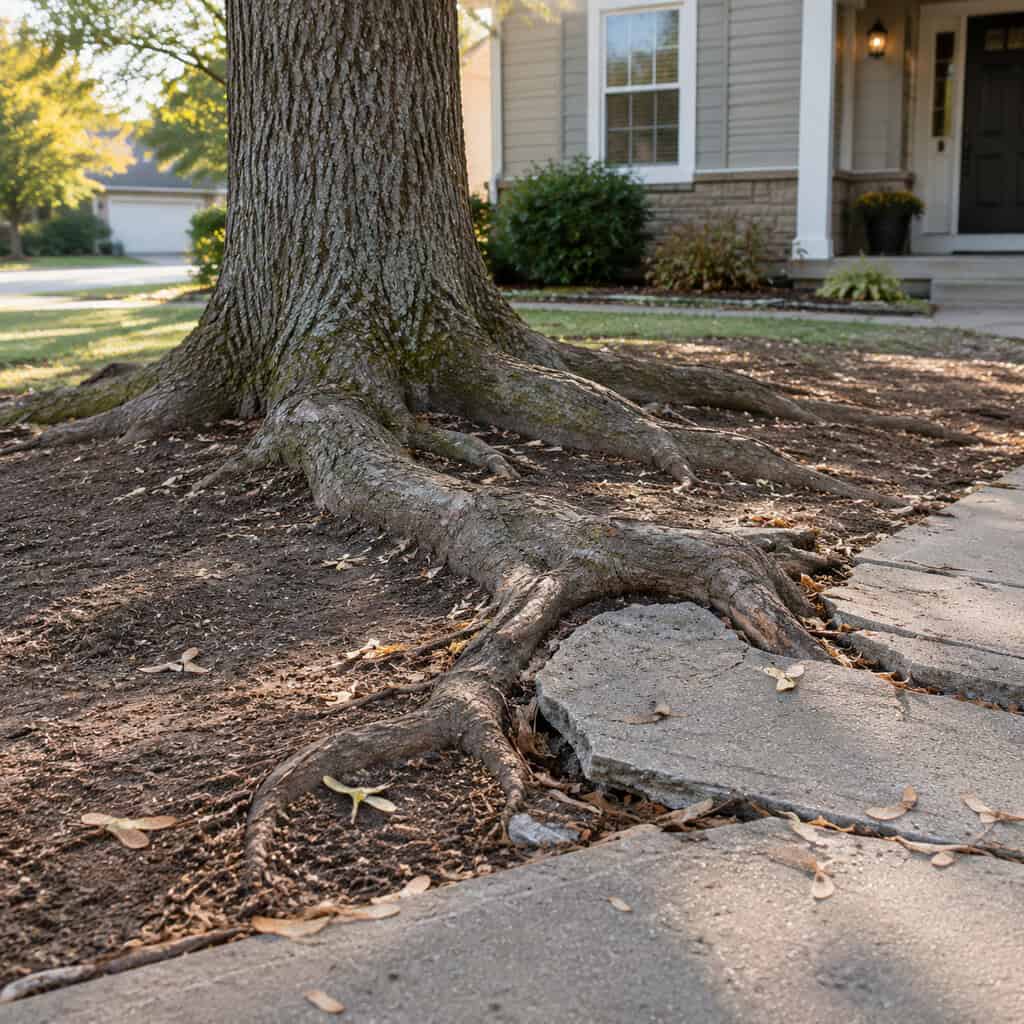
The classic “grows fast!” purchase. Three feet a year, real shade by year eight, and cheap.
Everything after that is the bill.
Silver maple roots run shallow and wide, and they surface. They lift and crack sidewalk slabs, buckle driveways, heave patio pavers, and ridge up through the lawn until mowing scalps them. Grass gives up in the root zone entirely.
Those same roots are notorious for finding sewer laterals. Like willow, they don’t break sound pipe — they invade joints in older clay and cast iron lines and then mass inside. Annual rooter service becomes a line item. Homeowners with a silver maple over the lateral often end up trenching or lining the pipe, which is a several-thousand-dollar decision.
Near foundations they cause a different problem: a mature silver maple pulls enormous volumes of water from the soil, and in clay soils that shrinkage right against a footing contributes to differential settlement. It’s rarely the sole cause of a foundation crack, but it’s frequently on the list.
Above ground, the wood is brittle and the branch structure is poor. Every real windstorm drops limbs, and mature silver maples are a standing item on arborists’ hazard lists.
And each spring it releases a blizzard of samaras that germinate in gutters, mulch beds, and every crack in the driveway. You’ll pull hundreds of seedlings a year, easily.
12. Lily of the Valley

Grandmother’s plant. Tiny white bells, that unmistakable scent, thriving in the shade where nothing else will.
Every part of it — leaves, flowers, berries, and the water in the vase — contains cardiac glycosides. Ingestion by a dog or cat can cause vomiting, a dangerously slow or irregular heart rate, and seizures. It belongs on the same list as the other common landscaping plants that are toxic to dogs.
It also spreads by pips into a dense mat that shoulders out hostas, ferns, and anything else in the bed. The rhizomes interlock, and the fragments you leave behind come back.
Beautiful in a spot with hard edges. A bad idea in a yard with a dog that chews.
13. Leyland Cypress

Builders across the Southeast planted these six feet apart because they hit 15 feet in five years. That spacing is the whole problem.
Crowded trees shade each other’s lower branches, which die. Air stops moving through the row, and humidity climbs. That’s the setup for Seiridium canker and for bagworms, which can strip a tree in weeks.
Here’s the part that finishes the screen: Leyland cypress doesn’t regrow from old wood. A brown gap stays brown permanently. One dead tree in the middle of the line is a hole you can never fill without replanting the whole row.
Expect 15 to 20 years, not a lifetime. If you want a screen, look at privacy shrubs that grow fast without causing problems later and space them properly.
14. Pampas Grass
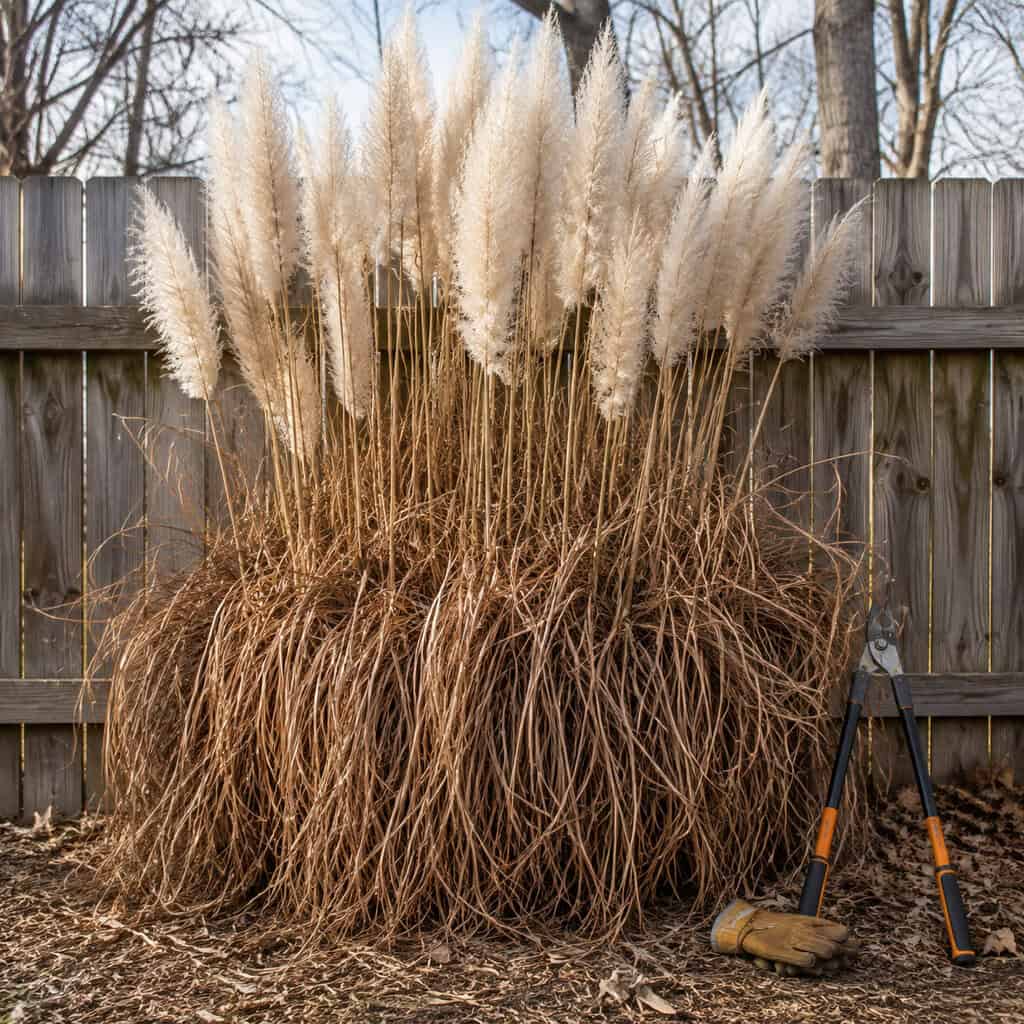
The plumes are back in style. The maintenance never changed.
Cutting back a mature clump each late winter is a full-body job in long sleeves and leather gloves. Those leaf edges are silicate-lined and they slice skin like a paper cut with follow-through.
The dried crown is also a serious fuel load. A four-foot mound of dead thatch against a fence or house wall is exactly what fire officials in the West tell people to remove from defensible space.
And it seeds. Pampas has moved into coastal and roadside land in California and along the Gulf, which is why several jurisdictions discourage or restrict it. Try a native muhly or switchgrass — most of the movement and none of the blood.
15. Boxwood Hedge
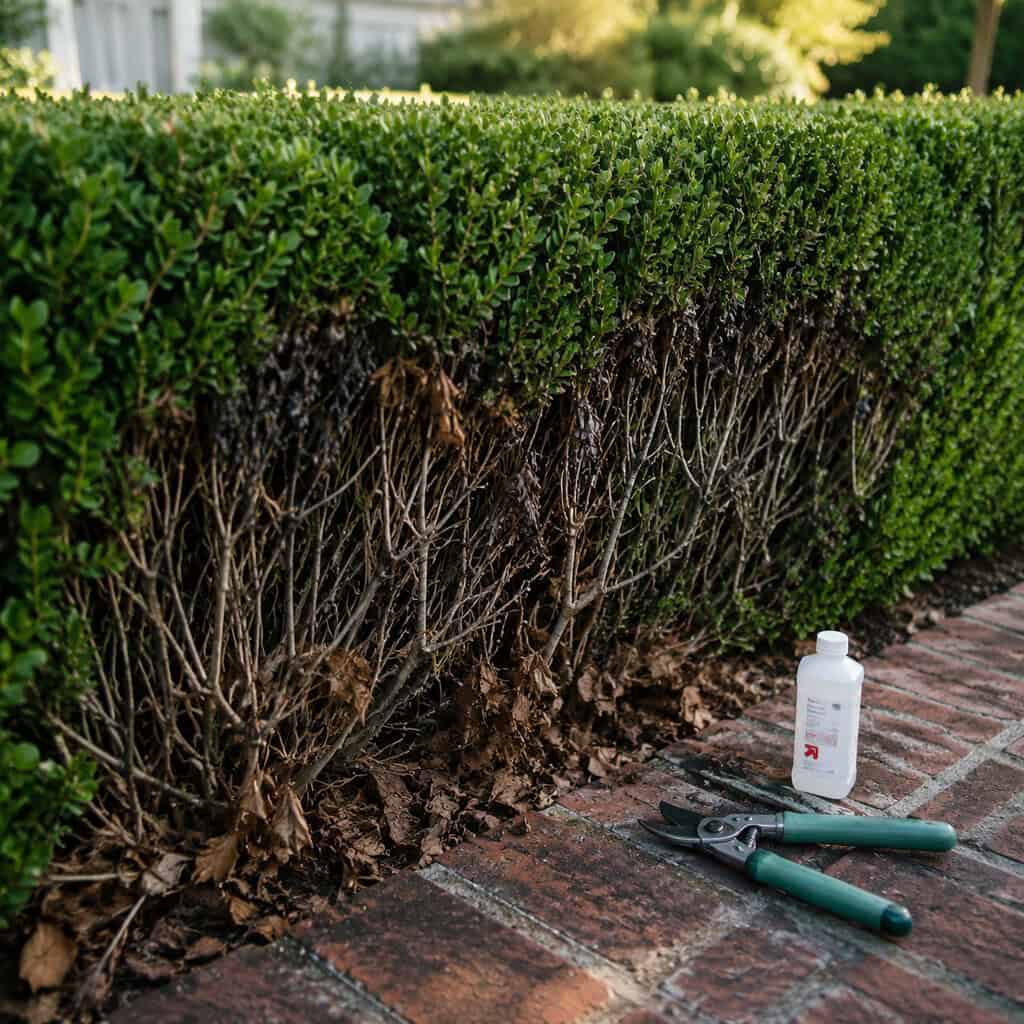
The formal hedge always cost you two shearings a season. Fine. That was a known price.
Two newer problems changed the math.
Boxwood blight is a fungal disease that produces dark leaf lesions and black stem streaks, then defoliates plants from the bottom up. It moves in on infected nursery stock, on tools, on gloves, on shoes, and it survives in fallen leaf litter for years. Once it’s established in a hedge line, the standard advice is removal — not treatment.
Which means the fix isn’t a spray. It’s ripping out 40 feet of 20-year-old hedge, bagging the debris rather than composting it, and replacing the leaf litter and mulch underneath.
Box tree moth is the second front. Its caterpillars feed on foliage and then on bark, and a heavy infestation can kill mature boxwood. It’s under active regulatory quarantine as it spreads through the Great Lakes region and the Northeast, and homeowners in affected counties are asked to report it.
Preventive care for a valuable hedge now looks like a program: a preventive fungicide rotation, sanitizing pruners with alcohol between plants, shearing only in dry weather, and thinning interior growth every year so air moves through the canopy.
If you want the shape without the disease pressure, look at inkberry holly, Japanese holly, or dwarf yaupon. Same green wall, no quarantine paperwork.
16. Mulberry
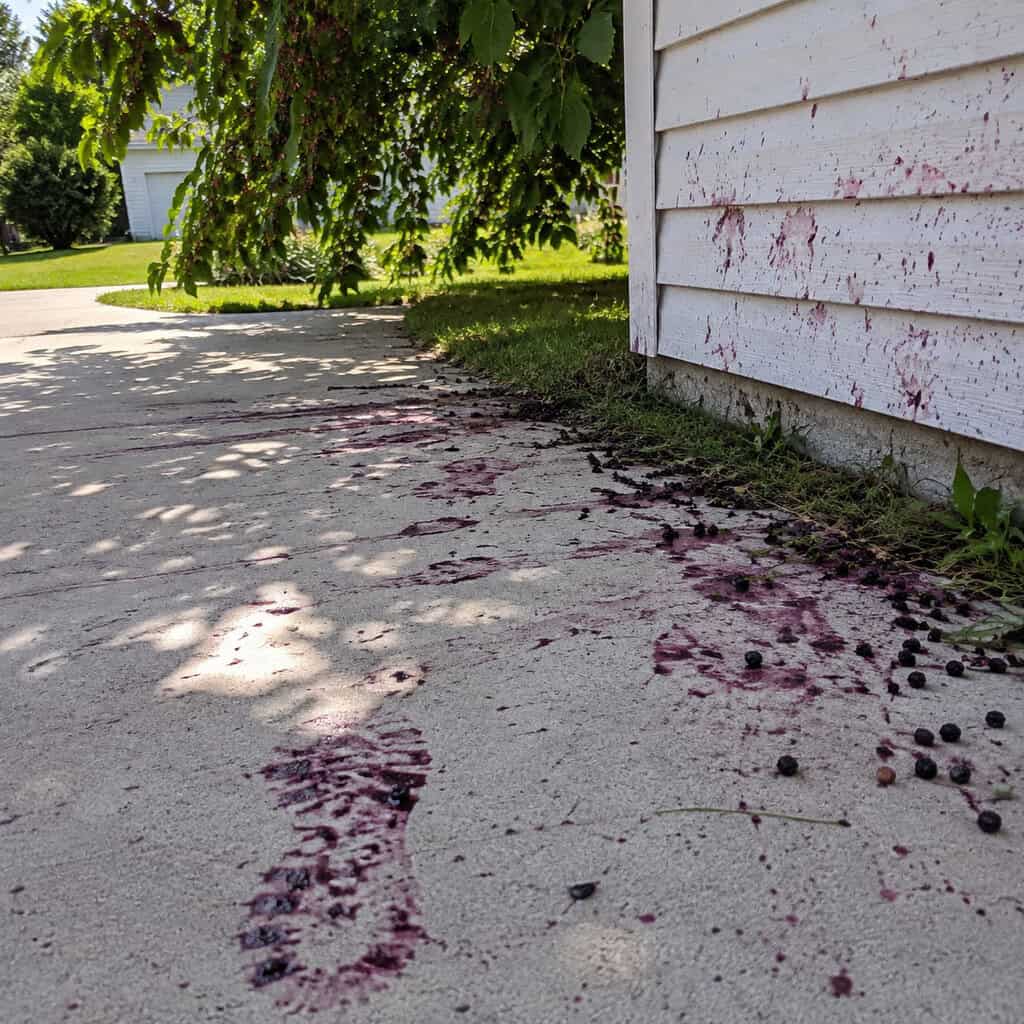
Free fruit sounds great until you park under it.
Ripe mulberries stain concrete, composite decking, painted siding, car paint, and dog paws — and the pigment sets fast on porous surfaces. Then birds eat them and redistribute the stains across the neighborhood, along with seedlings in every flower bed within a few hundred feet.
The fruitless male cultivars sold as a solution just trade one problem for another. Male mulberry is among the heaviest allergenic pollen producers in the landscape trade — heavy enough that Tucson and Las Vegas banned planting it.
Family Handyman puts it on the never-plant list. Hard to argue.
17. Bishop’s Weed (Goutweed)
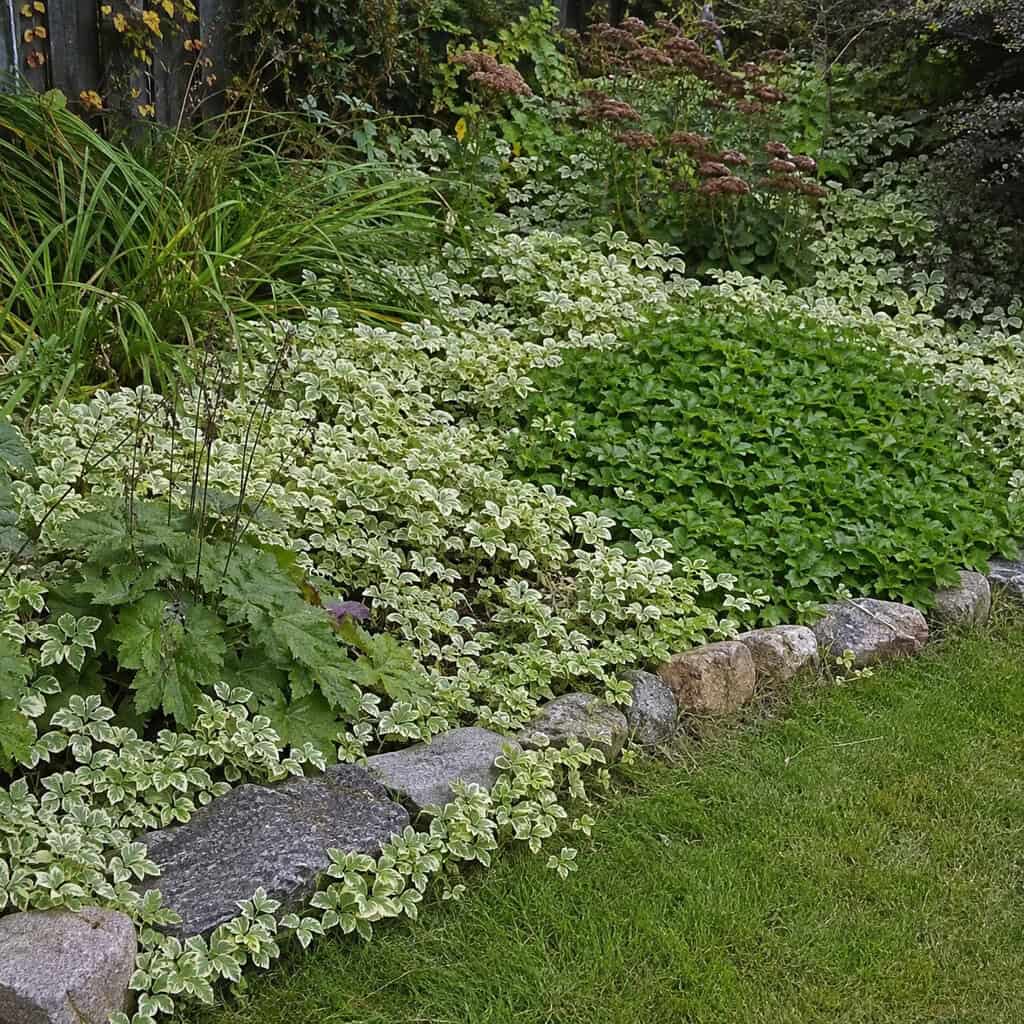
Sold under the friendlier name “snow on the mountain,” with cream-edged leaves and a tag that says low-maintenance groundcover.
It’s one of the most regretted plants in American gardening, and Gardening Know How puts it near the top of that list.
Two things make it brutal. Every shard of rhizome you leave behind regrows, so tilling multiplies it. And the pretty variegated form reverts to a vigorous all-green version that grows faster and spreads harder.
It doesn’t stop at the bed edge. It moves into lawn, under fences, through hedges, and it will swallow a perennial border in three seasons. Smothering under cardboard and mulch for a full growing season is about the only approach that works, and it takes more than one attempt. Think twice before you plant that low-maintenance ground cover at all.
18. Trumpet Vine
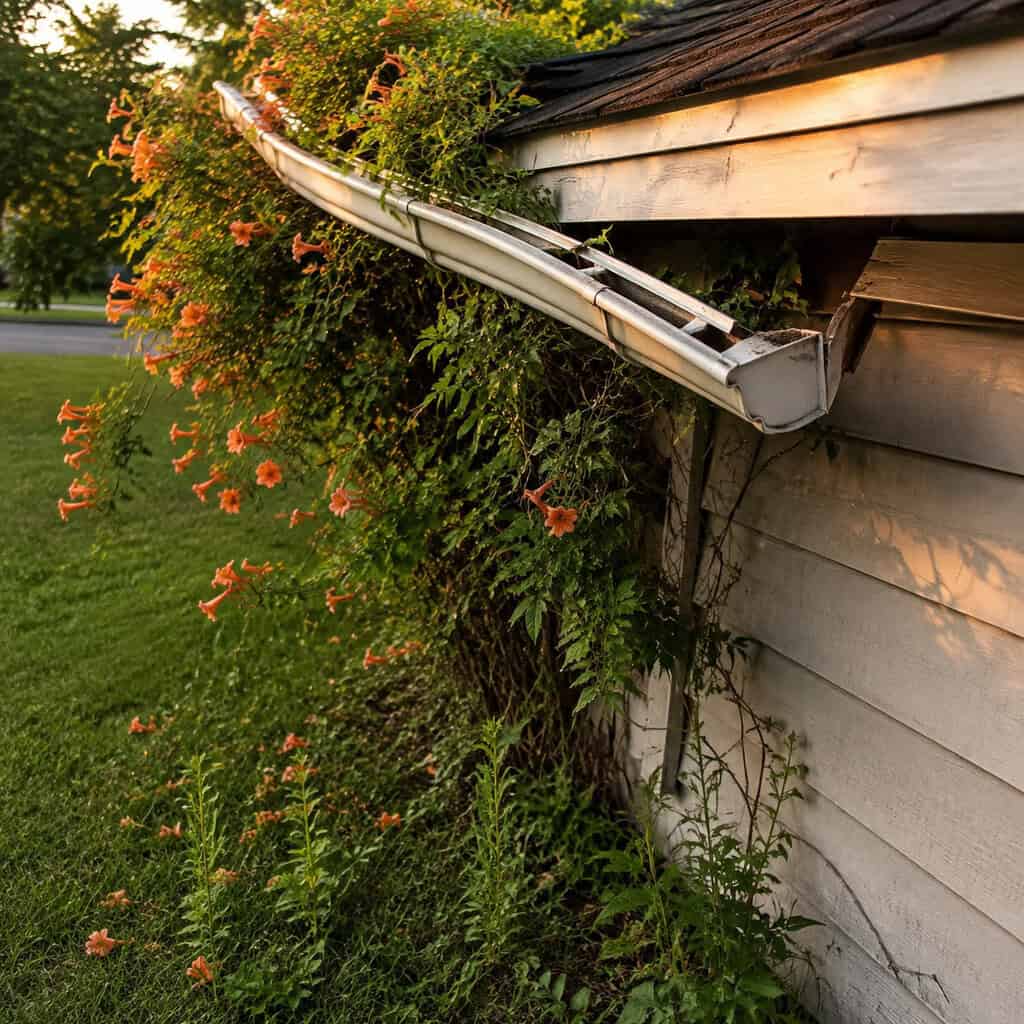
Hummingbirds love it. Your gutters don’t.
Trumpet vine suckers from the root system 20 feet or more from the main plant — up through lawn, through mulch, under fences, out of driveway cracks. Cutting the top back triggers more suckering, not less.
A mature vine also gets genuinely heavy. Wet foliage on a 15-year-old trumpet vine has torn gutters off fascia board and collapsed cedar trellises.
Grow it on a freestanding steel arbor, in a spot you mow around. Never on the house.
19. Dahlias
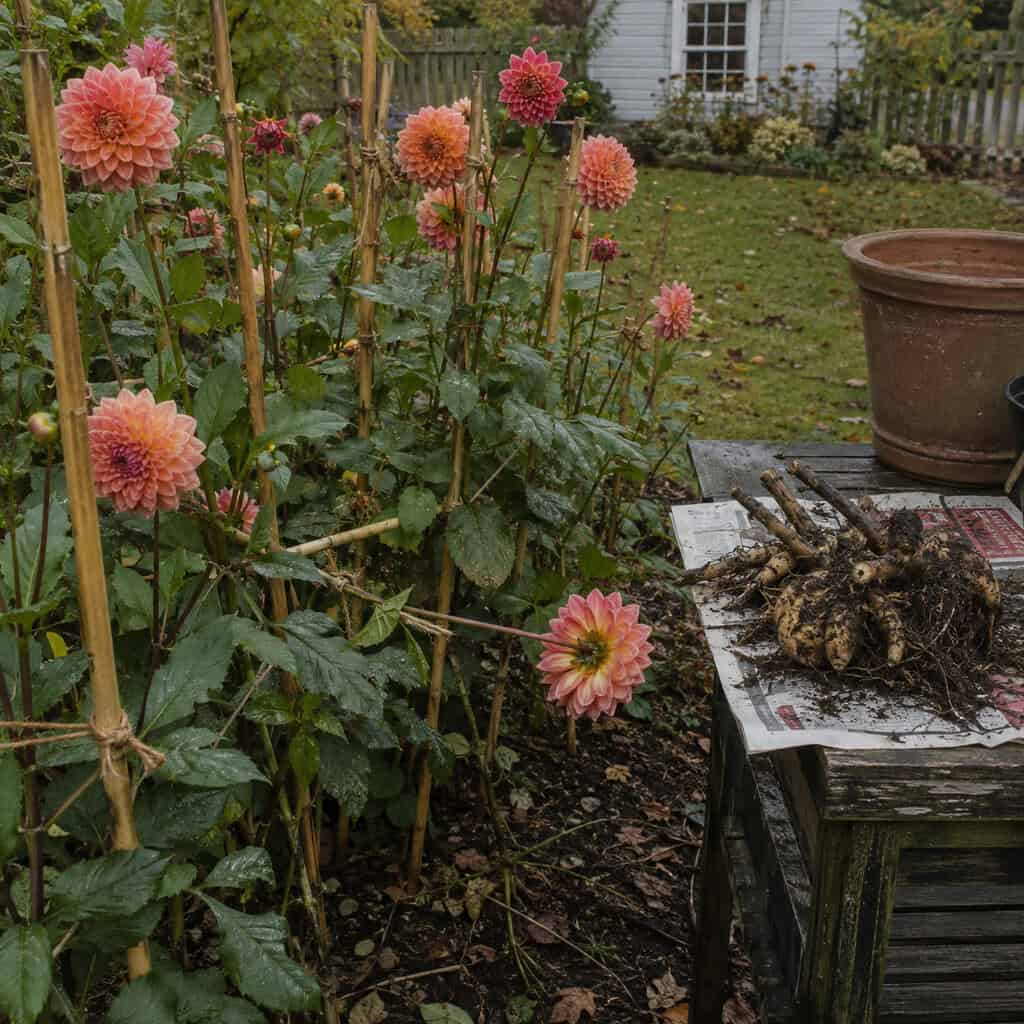
Nothing in a summer bed beats a dinner-plate dahlia. Nothing in a summer bed asks for more, either.
In zone 7 and colder, the tubers can’t stay in the ground. Every fall you cut the stems, lift the clumps, cure them for a week, pack them in vermiculite or peat, and hold them somewhere that stays around 45 degrees without freezing or drying out. Every spring you divide them and start over.
During the season: staking, because the stems snap under their own flower weight. Disbudding for size. Constant slug and earwig patrol, because both go straight for the buds.
Grow dahlias because you love growing dahlias. Don’t grow them expecting landscaping.
20. Mimosa Tree
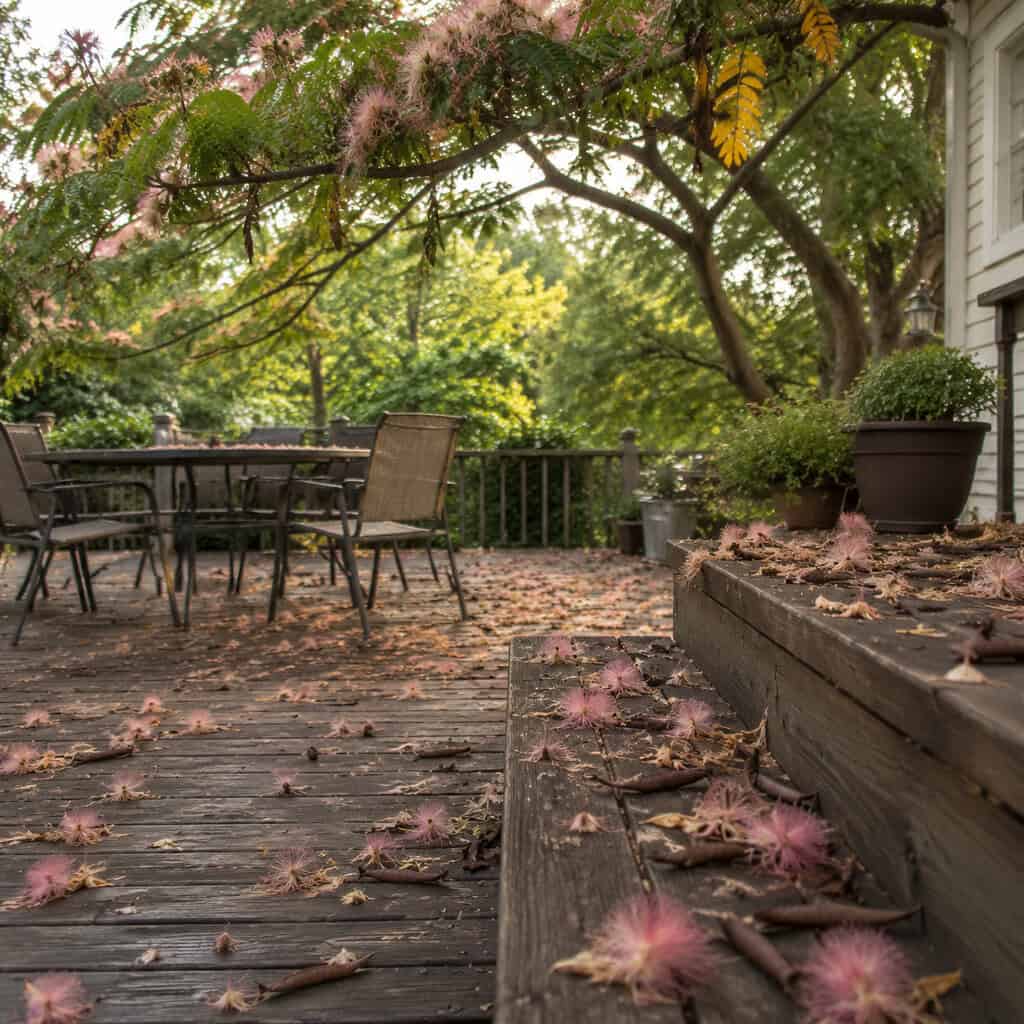
Pink silk puffs, ferny leaves, tropical look, grows like it’s on a deadline. Cheap, too.
The mess is year-round. Spent blooms drop sticky and pink onto decks and cars. Then come the long flat seed pods, thousands of them, rattling until they finally fall and germinate everywhere — beds, fence lines, gutters, the neighbor’s yard.
Most mimosas die young of mimosa wilt, a vascular fungus with no cure. The tree yellows, drops limbs, and is dead within a couple of seasons.
So you get 15 years of litter, then a removal invoice, and a permanent seedling problem in the soil.
21. Nandina (Heavenly Bamboo)
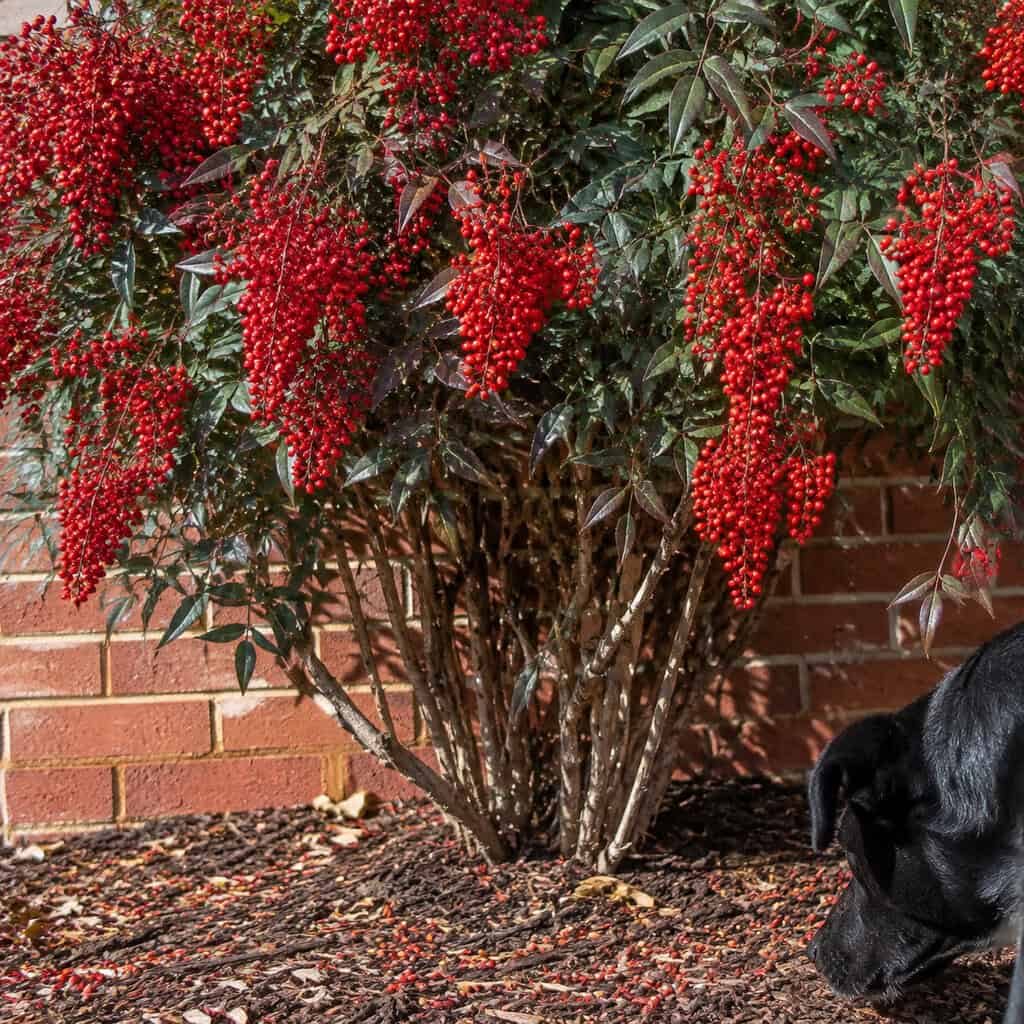
Evergreen, drought-tolerant, red winter berries. It reads as the definition of carefree.
The berries are the catch. Nandina fruit contains cyanogenic compounds, and wildlife officials have connected mass cedar waxwing die-offs to birds gorging on the berries when little else is available. A dog that eats a mouthful is a call to the vet.
Birds also carry the seed into woodlands, which is why nandina shows up as invasive across much of the Southeast.
It’s not maintenance-free either. Left alone it goes bare and leggy at the bottom. Keeping it full means renewal pruning — cutting individual canes to different heights at the base each year, one at a time. There are berryless cultivars if you want the foliage without the risk.
22. Japanese Knotweed

It arrived in America as a Victorian ornamental. Bamboo-like hollow canes, heart-shaped leaves, sprays of white flowers in late summer. Somebody sold it as an elegant screening plant.
It is now the closest thing landscaping has to a legal liability.
Knotweed’s real body is underground — a rhizome network that runs deep and wide and stores enough energy to push shoots through gaps that other plants can’t use. It doesn’t drill through sound concrete. It finds what’s already there: a hairline crack in a foundation wall, an expansion joint in a slab, a seam in an asphalt driveway, a gap around a utility penetration. Then it widens it season after season as the shoot thickens.
The scale of the problem shows up in public budgets. New York City has spent more than $1 million fighting a single 30-acre stand, according to Groundworks, which ranks it the top weed for home damage in the country.
Homeowner removal essentially doesn’t work. Cutting stimulates it. Digging fragments it, and a piece of rhizome the size of a fingernail starts a new colony. Moving the soil off-site spreads it — in the UK, knotweed-contaminated soil is legally controlled waste.
What actually works is a multi-year program: late-summer stem injection or foliar herbicide applied when the plant is pulling resources down into the rhizomes, repeated for three to five seasons, with monitoring after that.
Then there’s resale. Knotweed within striking distance of a foundation is the kind of thing an inspector flags and a lender asks about, and it has derailed closings. If you find canes emerging near your house, do not cut them. Get a licensed applicator out and document the treatment.
23. Norway Maple

On paper it’s the ideal street tree. Dense symmetrical crown, tolerates pollution and compacted soil, casts deep cool shade.
That shade is the problem. Norway maple’s canopy blocks so much light, and its shallow feeder roots pull so much water from the top few inches of soil, that essentially nothing grows underneath. Not grass. Not hostas. Not vinca.
Homeowners spend years reseeding a bare ring that will never fill in. If a big Norway maple is the reason grass won’t grow in certain spots, no amount of seed fixes it — mulch the ring and stop fighting.
It also seeds heavily, and those seedlings establish in woodlands with the same light-blocking advantage. It’s listed as invasive across much of the Northeast and Midwest.
24. Vinca Minor (Periwinkle)

Glossy evergreen mat, blue flowers in spring, thrives in dry shade. It looks like a maintenance win, and for two years it is.
Then you notice it isn’t staying in the bed. Vinca roots at every node where a stem touches soil, so it advances as a solid sheet — into shrub beds, over stone edging, and out into the lawn.
Getting it out of turf is the hard part. Broadleaf herbicides that handle dandelion and clover barely touch vinca’s waxy evergreen leaves. You end up pulling it by hand, node by node, and it grows back from what you missed.
Better to keep it in a bed with a hard boundary. Or skip it and pick from shade plants that thrive where grass refuses to grow without colonizing.
25. Female Ginkgo
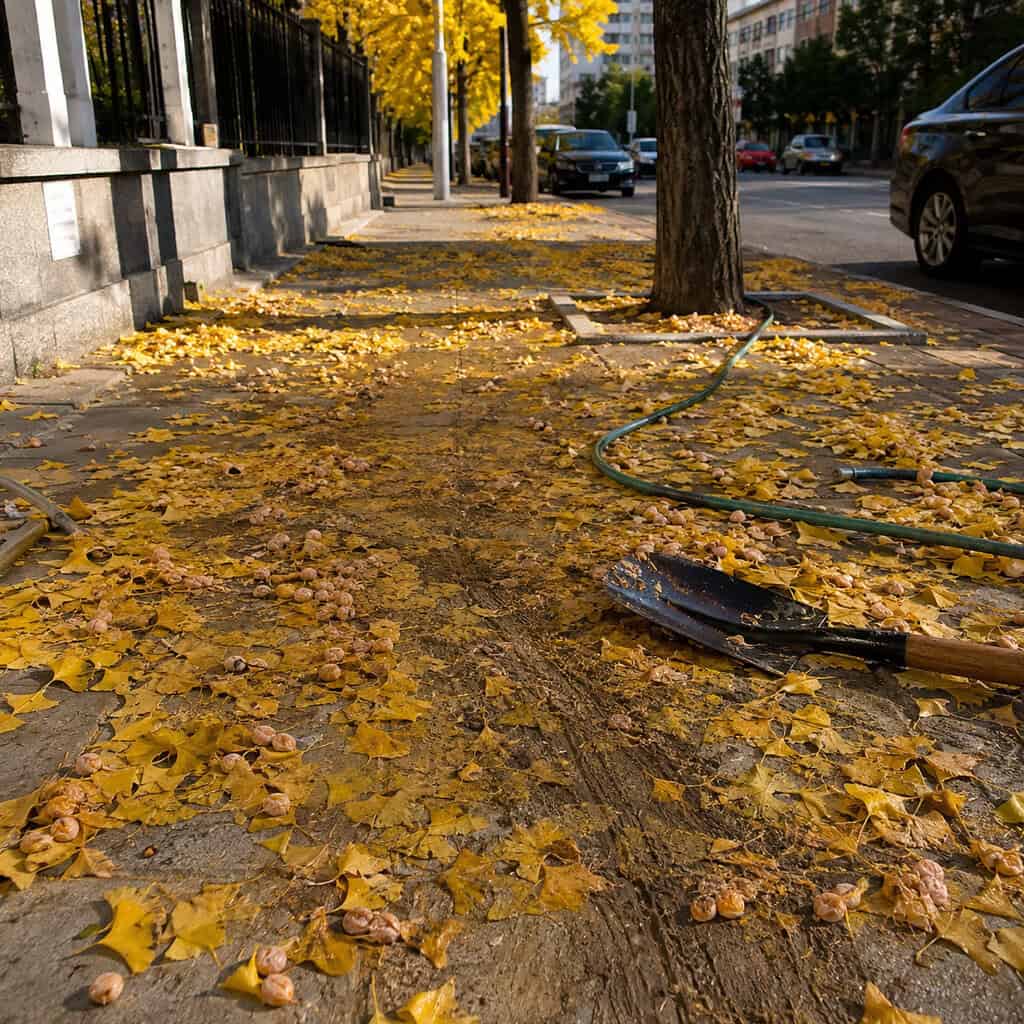
Ginkgo is a great tree. Prehistoric, pest-free, indifferent to city pollution, and the single best butter-yellow fall color you can plant — it drops the whole canopy in about 48 hours, which is oddly satisfying to rake.
Buy the wrong one and you’ll regret it every October.
Female ginkgos produce a fleshy seed coat that smells like vomit when it hits the ground and ruptures. It’s not subtle. Neighbors comment. It coats walkways in slick pulp you have to shovel and hose, and it tracks indoors on shoes.
Trees don’t show sex until they’re mature, sometimes 20 years in. So never plant an unsexed seedling. Buy a named male cultivar — ‘Autumn Gold’, ‘Princeton Sentry’, ‘Magyar’ — with a nursery tag confirming it.
26. Butterfly Bush
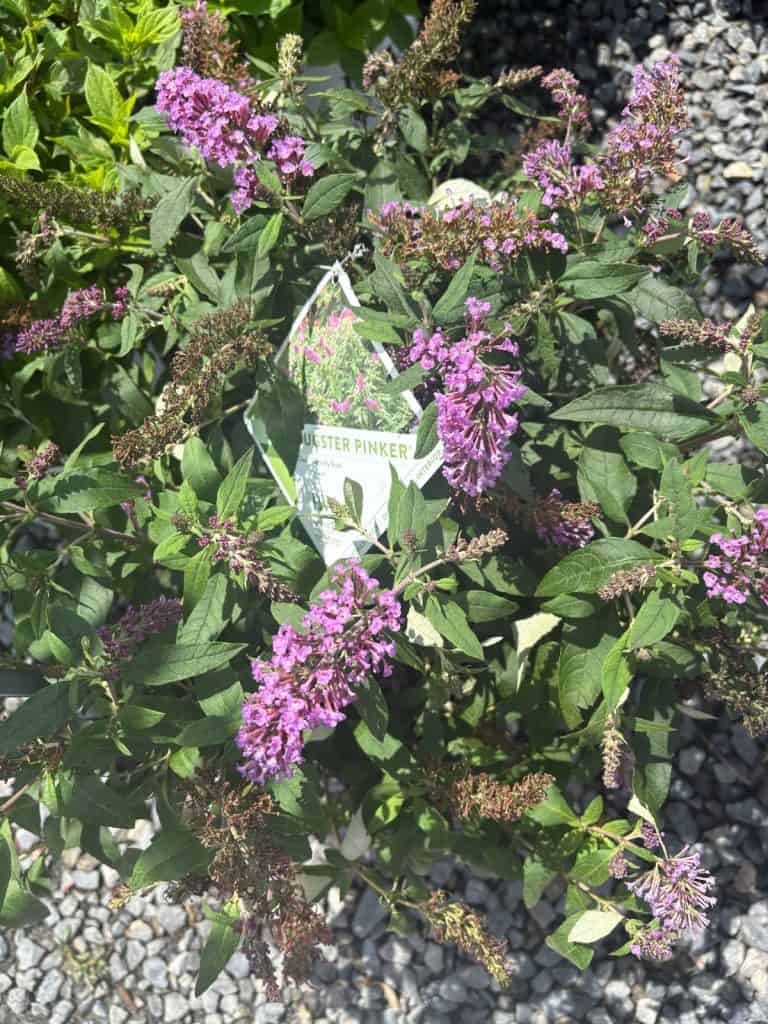
It’s sold as the pollinator plant, and adult butterflies do swarm it.
They also can’t lay eggs on it. Butterfly bush is a nectar bar with no nursery — no North American caterpillar uses it as a host plant. Plant it alongside milkweed, asters, and natives from a real pollinator plant list if you want butterflies that actually reproduce in your yard.
The maintenance surprises people. Skip the hard late-winter cut and it goes woody, sparse, and top-heavy in three years. Skip deadheading and it dumps seed by the thousands.
Which is why Oregon regulates it and Washington lists it as a noxious weed. Sterile cultivars are legal in Oregon and worth seeking out.
27. Yucca

Architectural, drought-proof, and effectively permanent.
The leaf tips are rigid spines. They puncture skin, they’ve cost people eye injuries at face height, and they go through a dog’s paw pad. Never plant one beside a walkway or a gate.
Removal is where the real trouble starts. Yucca runs a deep taproot with offset buds, and it regenerates from any piece left in the ground. Cut the top off and you get three plants.
People fight the same yucca for five years after they “removed” it. Dig the full root, or cut it low and treat the crown, and expect to repeat.
28. Tree of Heaven

Almost nobody plants this one. That’s what makes it so common.
A volunteer sapling appears in a fence corner or beside the shed, grows six feet in a season, and fills a bare spot fast. Compound leaves, tropical texture, free tree. So it stays.
Then it starts making decisions for you. Tree of heaven suckers aggressively from its roots — new stems coming up through lawn, mulch beds, hedges, and the crack where the driveway meets the garage slab. It also releases chemicals into the soil that suppress neighboring plants.
Cut it down and you make it worse. Severing the trunk without a herbicide treatment triggers a mass sucker response, and one tree becomes a dozen. Cut wood smells like rancid peanut butter.
Then there’s the lanternfly. Tree of heaven is the spotted lanternfly’s preferred host, and heavy populations build on it before moving to grapes, maples, and fruit trees. Infested trees weep sap and drip honeydew, which grows black sooty mold on whatever sits underneath — deck boards, patio furniture, cars. Wasps show up for the sugar.
Removal has to be done right. The standard approach is a late-summer basal bark or cut-stump herbicide application while the tree is moving resources downward, then felling it the following season once the root system is dead. State agriculture departments publish the timing, and it’s worth following exactly.
If you spot a sapling now, deal with it while it’s a sapling. That’s the cheapest version of this problem you’ll ever get.
29. Chameleon Plant (Houttuynia)
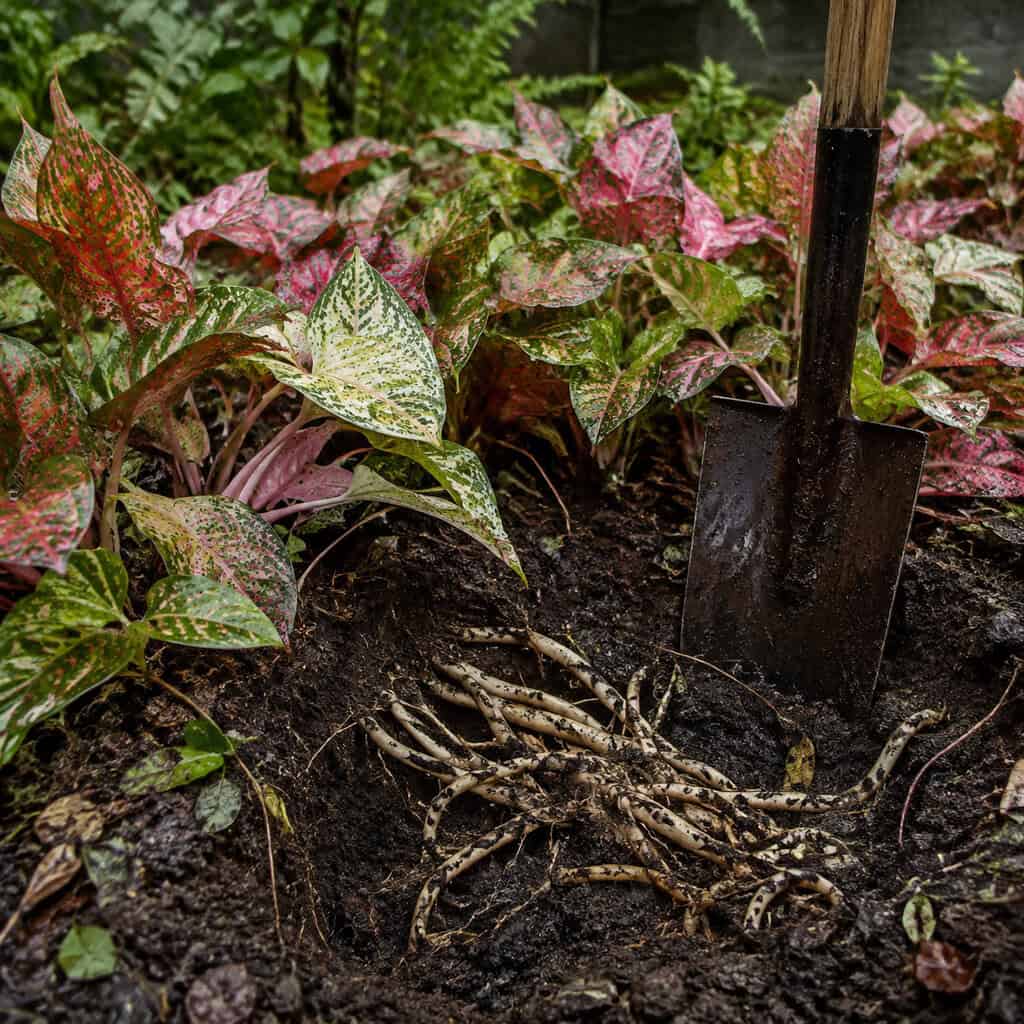
The leaves are unreal — green, cream, pink, and red at once, on a plant that thrives in wet shade where nothing else will.
It may be the single hardest groundcover to kill in American gardens. The rhizomes run deep, snap easily, and regrow from any fragment. Herbicide burns the tops and the plant returns from below.
Gardeners who’ve fought it describe timelines in years, not seasons. Excavating the soil and replacing it is a legitimate strategy.
Grow it in a sealed container on a hard surface. Nowhere else.
30. Rose of Sharon
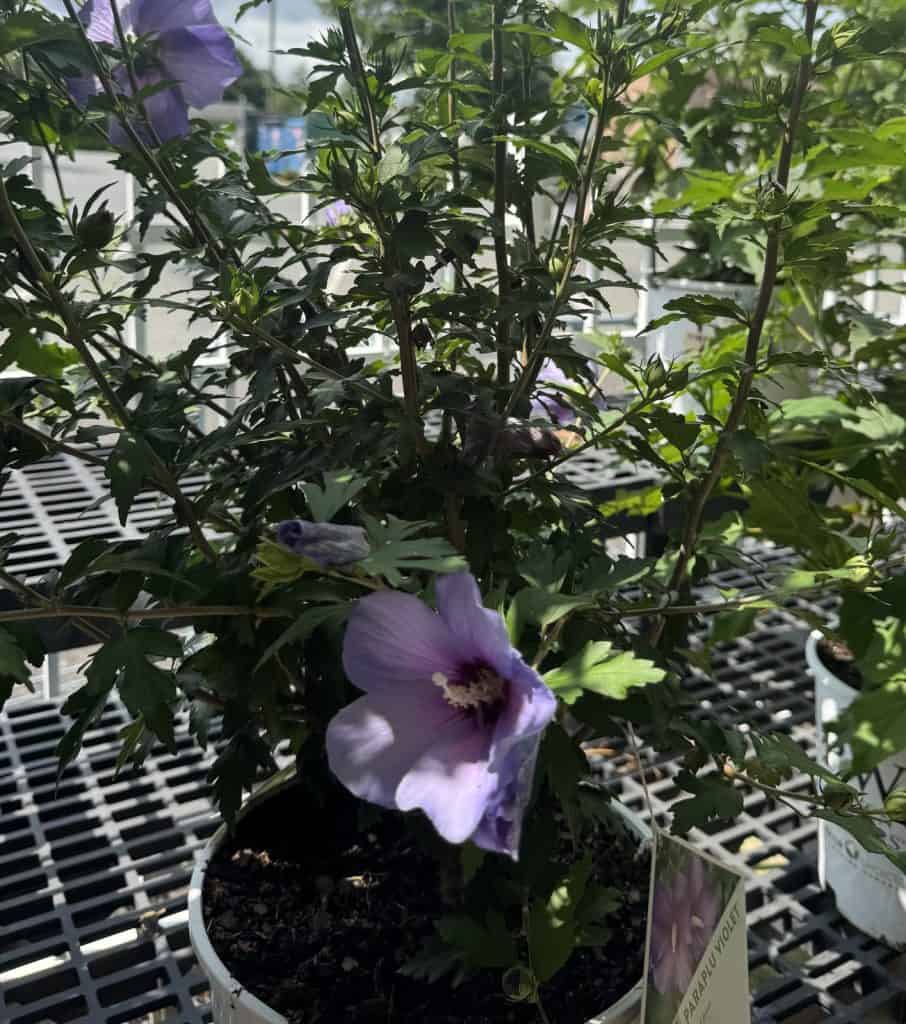
It blooms in August, when almost nothing else does. That alone sells thousands of them every year.
The bill comes in April. Each fall’s seed capsules split and scatter, and by mid-spring you’ve got hundreds of volunteer seedlings — in the mulch, in the lawn, in the gravel, in the gutter, packed along the foundation.
They pull easily the first year. Miss a season and you’re cutting woody stems out of a hedge line with loppers.
Deadhead the spent flowers before the pods form, or buy a sterile cultivar like ‘Diana’ or one of the Chiffon series. Otherwise this shrub quietly recruits your entire yard.
Look, none of these plants are villains. Most of them are gorgeous, which is exactly the problem — the picture in your head is real, it’s just missing the maintenance calendar taped to the back of it.
The eXtension service has a good phrase for the fantasy driving most bad plant purchases: the myth of a no-maintenance landscape. Every yard costs something. You just get to choose the currency.
Pay in a weekend of research now, or in a plumber’s invoice in eleven years.